

One of the more entertaining scenes at the Queen’s Club tournament each year unfolds even before spectators enter the venue. On the first day of play, a torrent of fans typically floods into Barons Court station, located just 150 meters from the entrance.
The sheer volume of people navigating the small London Underground station inevitably results in lengthy queues at the barriers. This congestion is exacerbated by many attendees pausing to frantically search for their bank cards or to unlock their phones.
While the Queen’s Club audience might not align perfectly with the Lawn Tennis Association’s mission to broaden the sport’s appeal, the level of attendance annually is truly remarkable.
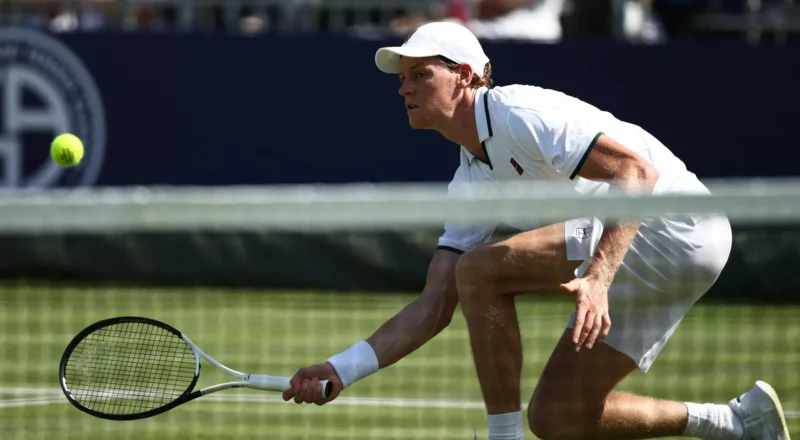
This year, tickets for the men’s tournament sold out in under a day. The event’s lasting popularity has been particularly striking this past week, especially given it featured one of its weakest fields, with only one top-10 player, Alex de Minaur, participating.
This situation exemplifies the injury crisis currently plaguing the men’s tour, as many young players are grappling with serious injuries. The absence of Carlos Alcaraz and Jack Draper significantly impacted the event, alongside injuries to Lorenzo Musetti, Rafael Jódar, and Holger Rune, which further diluted the lineup.
Additionally, the UK’s more stringent tax regulations for international players create a competitive disadvantage for London compared to the Halle tournament, which featured seven of the top 11 players this week.
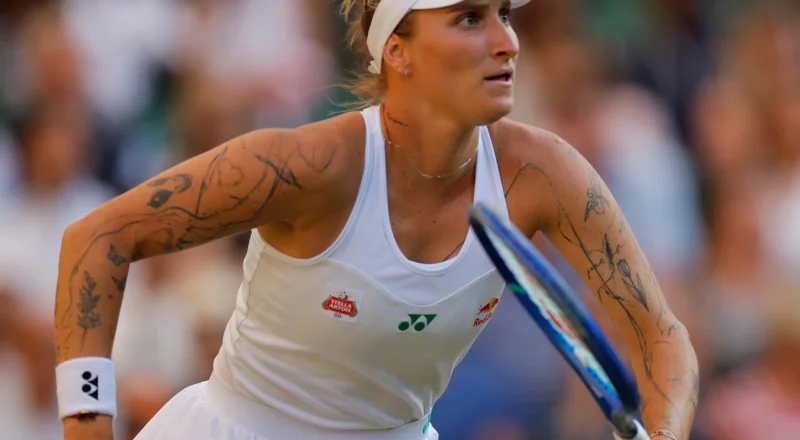
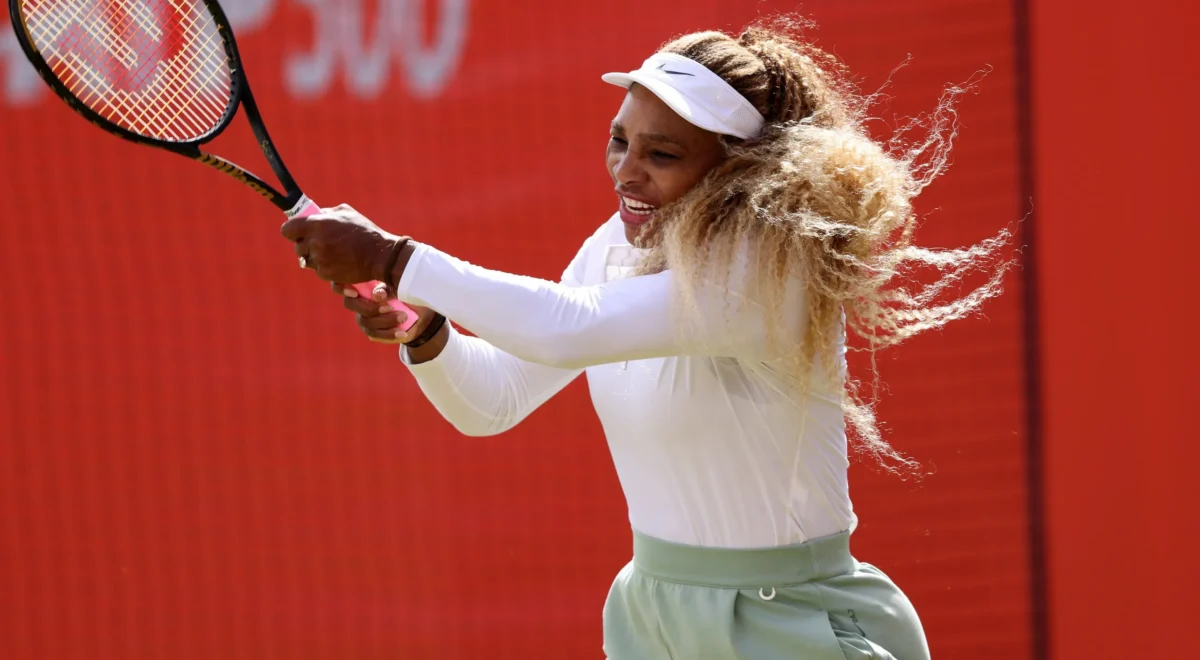
The subdued nature of the men’s event has only served to accentuate the tremendous success of the women’s tournament, which launched a week earlier, hosting one of the year’s most pivotal stories: Serena Williams’ return to doubles alongside Victoria Mboko after a four-year hiatus.
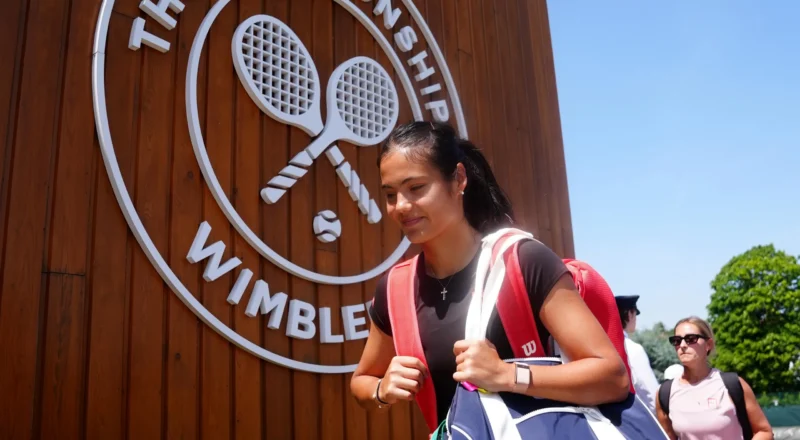
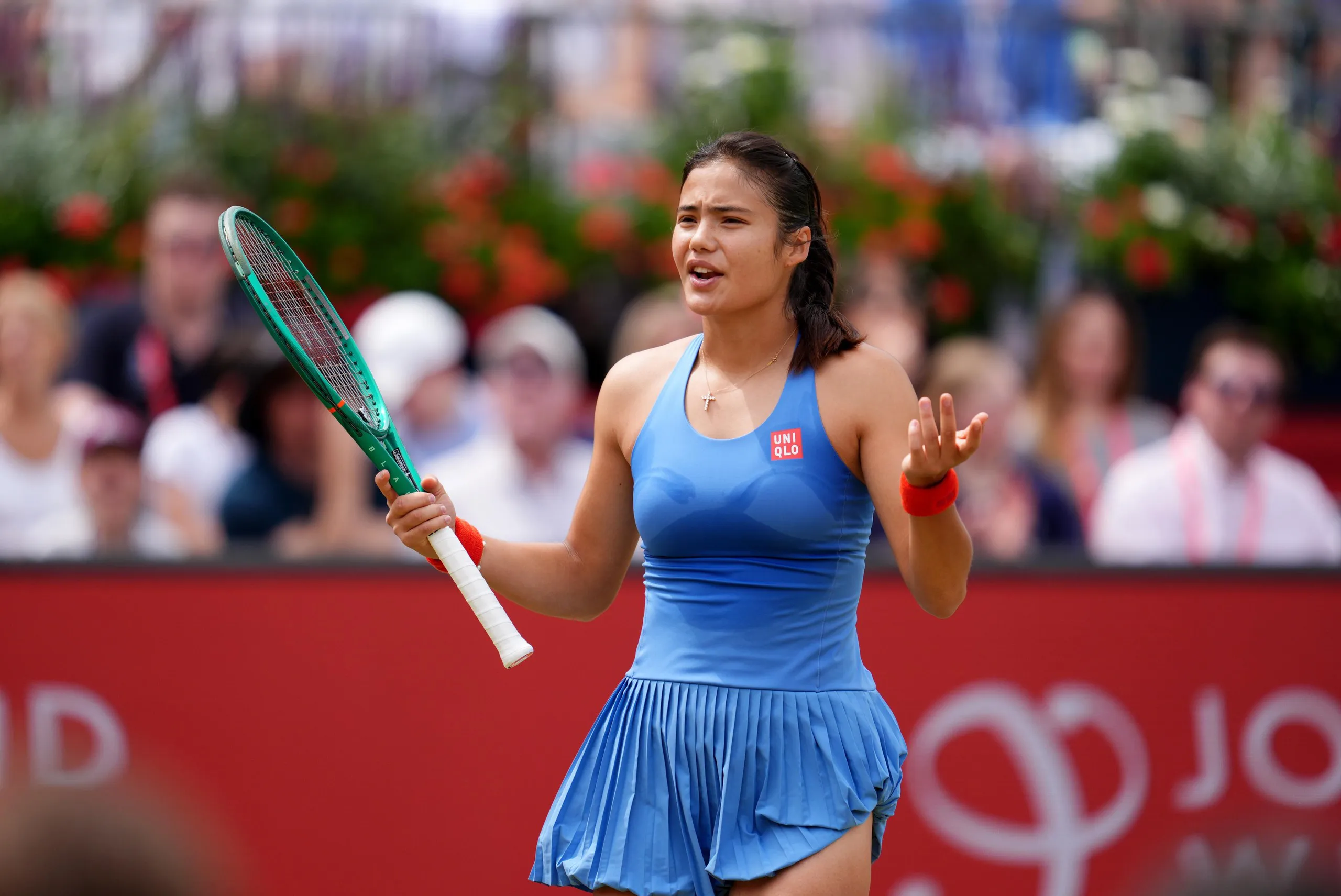
That memorable event concluded on a disappointing note as Mboko suffered a severe slip in her first-round match, tearing a medial collateral ligament. Nonetheless, the tournament showcased two outstanding days for British players, highlighted by Katie Boulter’s victory over world No. 2 and reigning Australian Open champion Elena Rybakina, propelling her to the semi-finals. Emma Raducanu also made headlines by winning two matches in a single day, marking her biggest final appearance since her US Open victory in 2021.
The LTA often faces criticism for various issues within British tennis, including the recent decision not to grant defending champion Tatjana Maria a main-draw wildcard. Thus, it is crucial to acknowledge when the organization makes commendable decisions, such as bringing women’s tennis back to Queen’s Club after a 52-year hiatus in a spectacular manner.
Organizers had to navigate several challenges. Not all Queen’s Club members, which serves as a private tennis club for most of the year, were thrilled about hosting another week of professional players. Some raised valid concerns about British tennis being overly focused on London, while others questioned whether the men would object to playing on courts that had seen a week of wear and tear.
Although last year’s tournament was a resounding success, any lingering doubts this year were likely erased by the sight of Williams making her debut on the court.
With Williams, Raducanu, and Boulter in action, last week was filled with joyful moments in west London, creating an unforgettable atmosphere in each of their matches. Ultimately, Donna Vekic, a lucky loser, defeated Raducanu to claim the biggest title of her career.
Women’s tennis stands out as the most successful women’s sport globally, yet not every event draws large crowds. The women’s tournament here sold over 70,000 tickets, achieving 98% capacity throughout the week and selling out on five of its seven days. A remarkable crowd of approximately 9,000 fans filled the stadium daily, even during working days.
In response to the substantial prize-money gap between events, the LTA has increased the prize money for this tournament by more than a third this year, raising the total purse to $1,915,000 (£1,443,000), making it the second highest for a standalone WTA 500 event on tour.
In contrast, the German Open in Berlin has a prize pool of $1,206,446, despite featuring nine of the top 10 players.
Although the prize fund for the Queen’s Club men’s tournament stands at €2,583,330, reflecting a 2.4% increase consistent with other ATP 500 events, the disparity remains considerable, though it has narrowed.
It is fair to assert that, in several respects, the women’s Queen’s Club tournament overshadowed the men’s event this year. As only its second year of existence, the tournament’s rising profile will likely foster momentum, aiming to secure its place as a self-sustaining highlight on the British summer sporting calendar and one of the premier individual WTA tournaments on the tour.