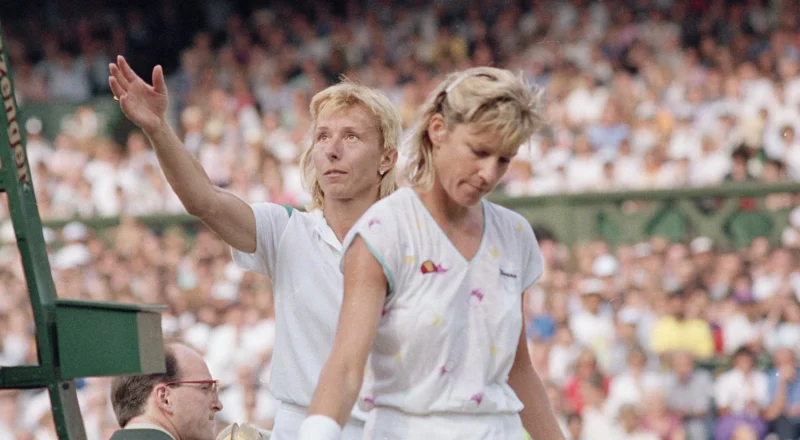


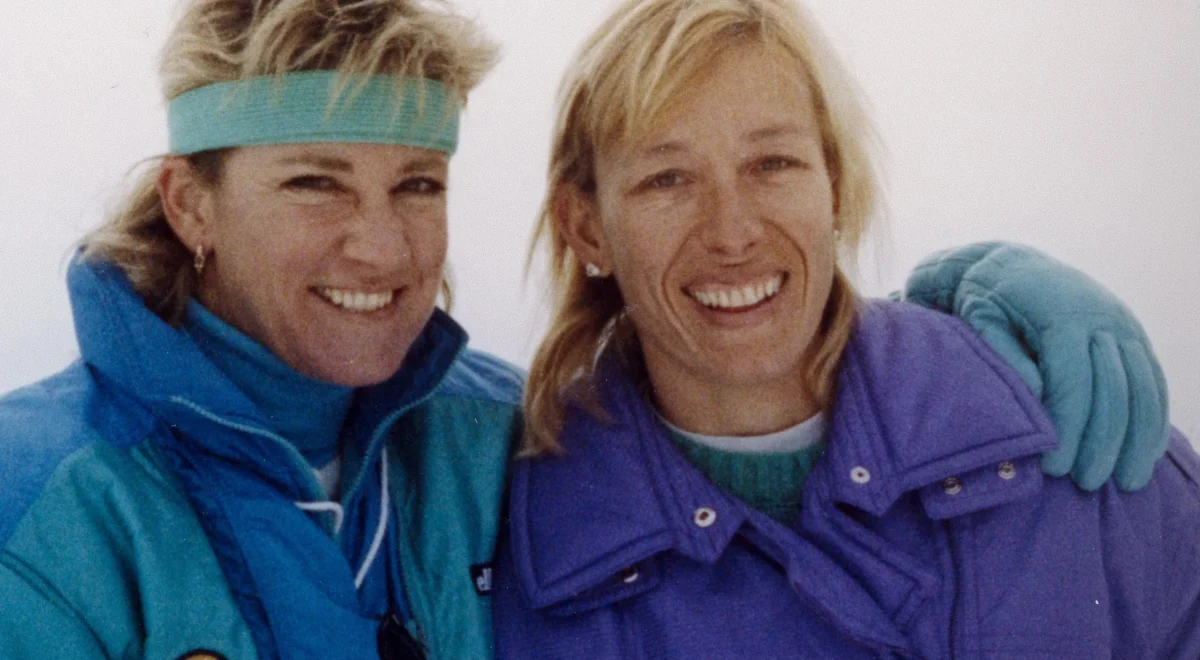
A new Netflix documentary delves into the profound friendship and rivalry between tennis legends Chris Evert and Martina Navratilova. This film chronicles their dominance in women’s tennis during the late 1970s and 1980s, a period that not only showcased their athletic prowess but also contributed significantly to the sport, challenging the naysayers who questioned the viability of women’s sports.
The documentary highlights their current relationship as they both navigate the difficult journey of battling cancer. It effectively illustrates that amidst the fierce competition inherent in professional sports, genuine friendship and camaraderie can flourish. However, it subtly raises questions about the complexities within Evert and Navratilova’s bond, suggesting there may be more layers to their relationship than initially apparent.
Documenting Their Journey
The narrative further explores the remarkable story of Navratilova’s defection from communist Czechoslovakia at the tender age of 18, a decision fraught with personal sacrifice. Facing the possibility of never seeing her family again and the looming threat of abduction by authorities, she sought refuge and support in the women’s tennis community, finding a surrogate family.
Throughout the film, viewers witness the evolution of Evert and Navratilova’s relationship, spanning from their early, uncomplicated friendship and successful doubles partnership to a turbulent phase marked by estrangement. As their careers progressed, they ultimately reconciled and celebrated their shared status as icons in the sport.
Reflections from Peers
The documentary features insights from fellow tennis stars, including Pam Shriver and Zina Garrison, who reflect on being overshadowed by the Evert-Navratilova dynamic, as well as commentary from John McEnroe. These perspectives enrich the narrative, providing a comprehensive view of the landscape of women’s tennis during their reign.
Additionally, the film incorporates nostalgic references for British audiences, including the iconic voice of BBC commentator Dan Maskell, who famously described Navratilova as “the best lady player we’ve ever seen” alongside appearances from the Duchess of Kent presenting the Wimbledon trophy.