

The recent episode of ABC’s Four Corners examined the story of Nick Lowden, who became the youngest footballer diagnosed with chronic traumatic encephalopathy (CTE) at just 23 years old. CTE, a condition linked to collision sports, has been recognized since it was first identified in boxers almost a century ago. It also affects military personnel and victims of domestic violence. In a poignant moment, Lowden questioned his mother, asking, “What’s wrong with me? What’s wrong with my brain?”
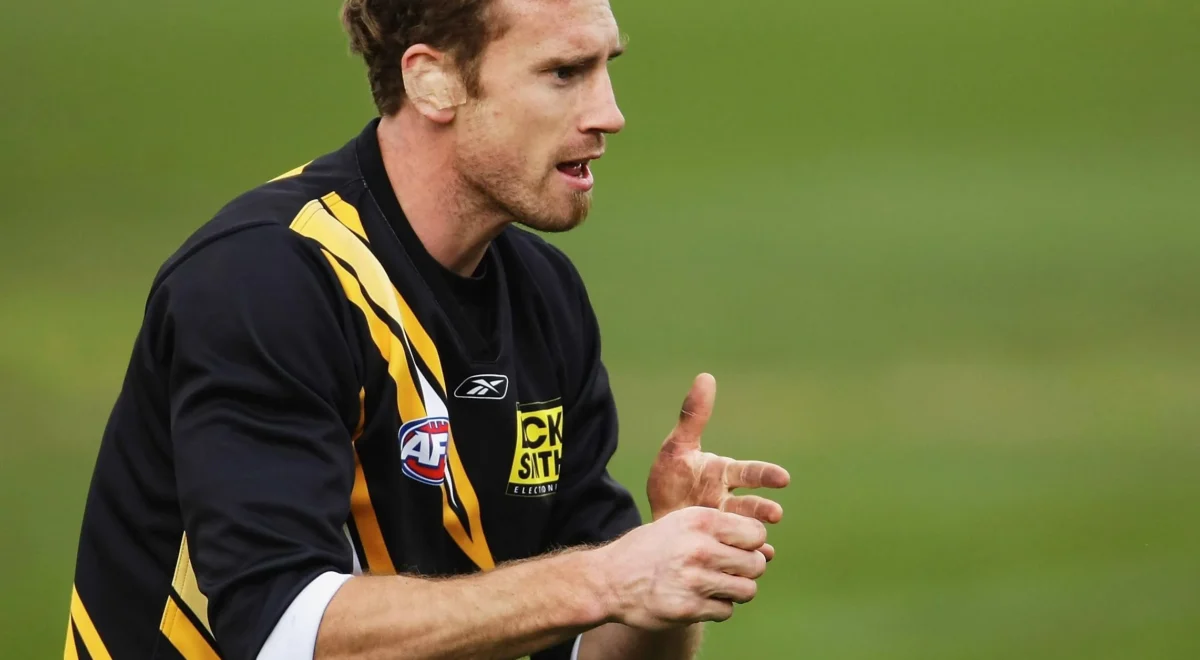
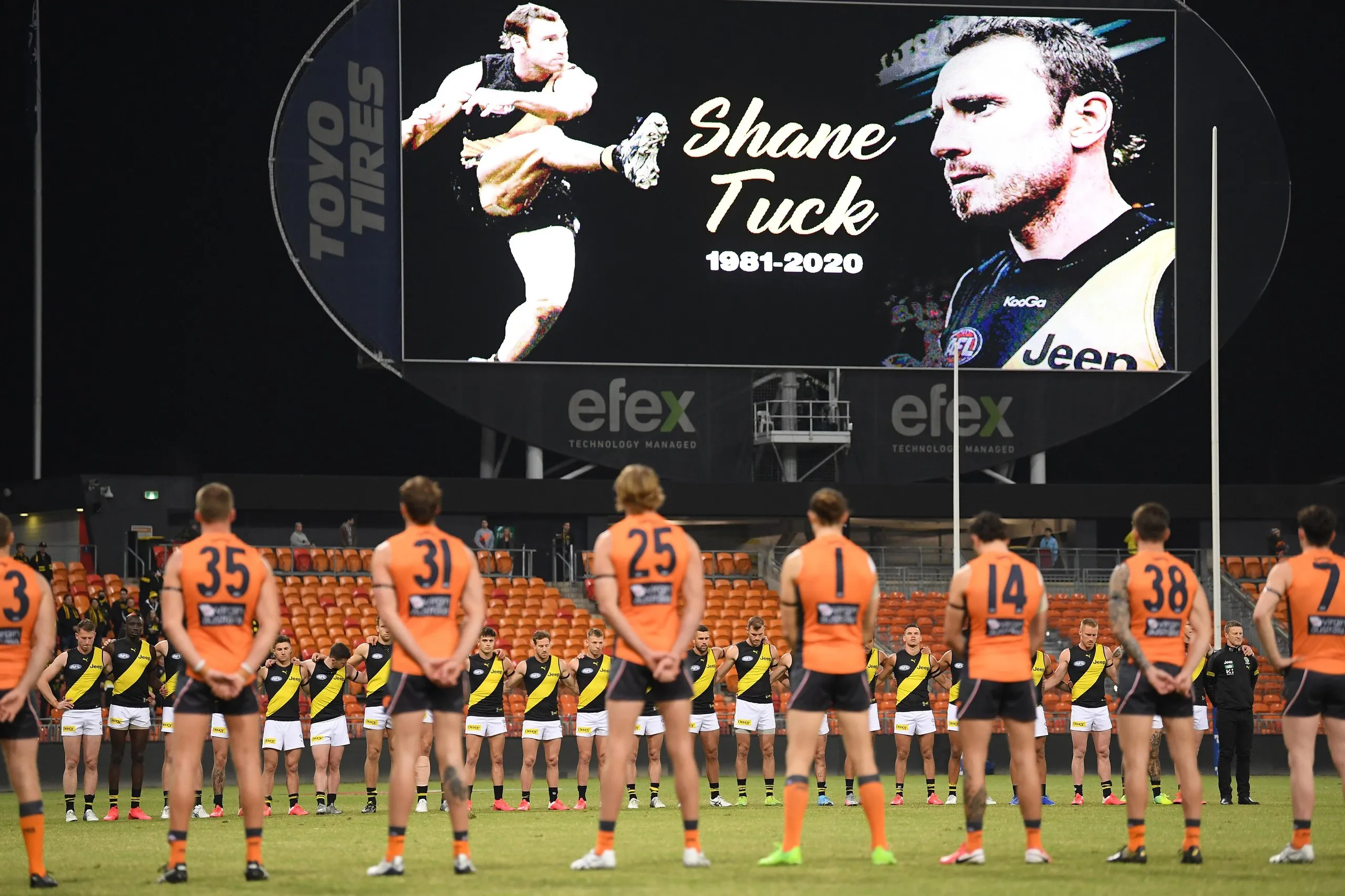
The grim realities surrounding CTE often emerge in the stark language of coroner reports. John Cain’s inquest into Shane Tuck’s death meticulously documented the effects of CTE on the brain and the devastating effects on athletes and their families across 408 subheadings. Both the Tuck and Lowden families recounted the struggles faced by young men who were bewildered by their conditions, relying on their competitive instincts to persevere before ultimately withdrawing. Cain’s detached account of Tuck’s final day remains one of the most harrowing narratives concerning footballers.
Such narratives predominantly highlight the experiences of professional or semi-professional athletes. However, understanding the impact of CTE at the grassroots level proves more challenging. Lowden was not merely a recreational player; he competed in Australia’s premier junior competition, the under-18 TAC Cup, where he first sustained a significant concussion. He later secured a premiership in the robust SANFL league, yet many players operate in lesser tiers with diminishing support. As the standard of play declines, so do the facilities, officiating, and access to medical care. Many regional clubs find themselves precariously balanced, and those involved in local football often express a growing disconnect with the AFL.
This issue was explored by Peter Hanlon in a feature series commemorating the 40th anniversary of a notorious country grand final between Colac-Coragulac and South Warrnambool. Hanlon described the match as “For every Danny Frawley and Polly Farmer,” and spoke with individuals who have faced numerous mental health challenges in the decades since, along with their increasingly worried families. He noted, “there are thousands who endured multiple concussions in the suburbs and the bush who are pondering a frightening thought – what if that’s me?”
The questions raised in the Four Corners episode echo those posed by grieving families, coroners, litigants, and men in their 40s and 50s grappling with the consequences of CTE: What is the extent of the AFL’s responsibility? Is the league accountable for the entire junior and community football landscape? Does it bear responsibility for incidents dating back 40 years? Is it tasked with educating parents about head trauma?
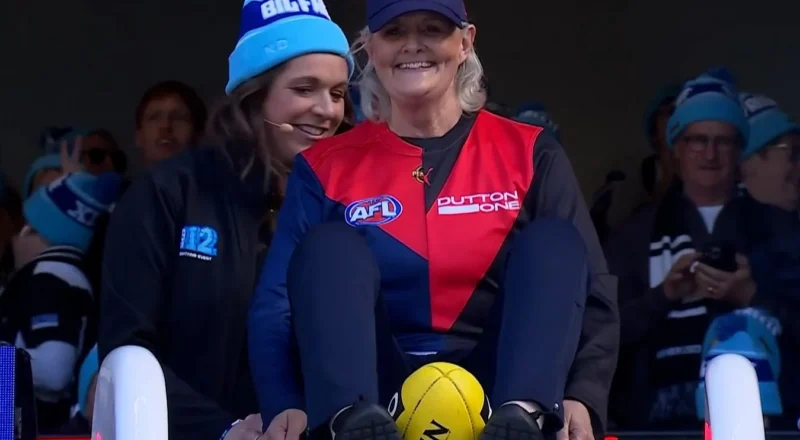
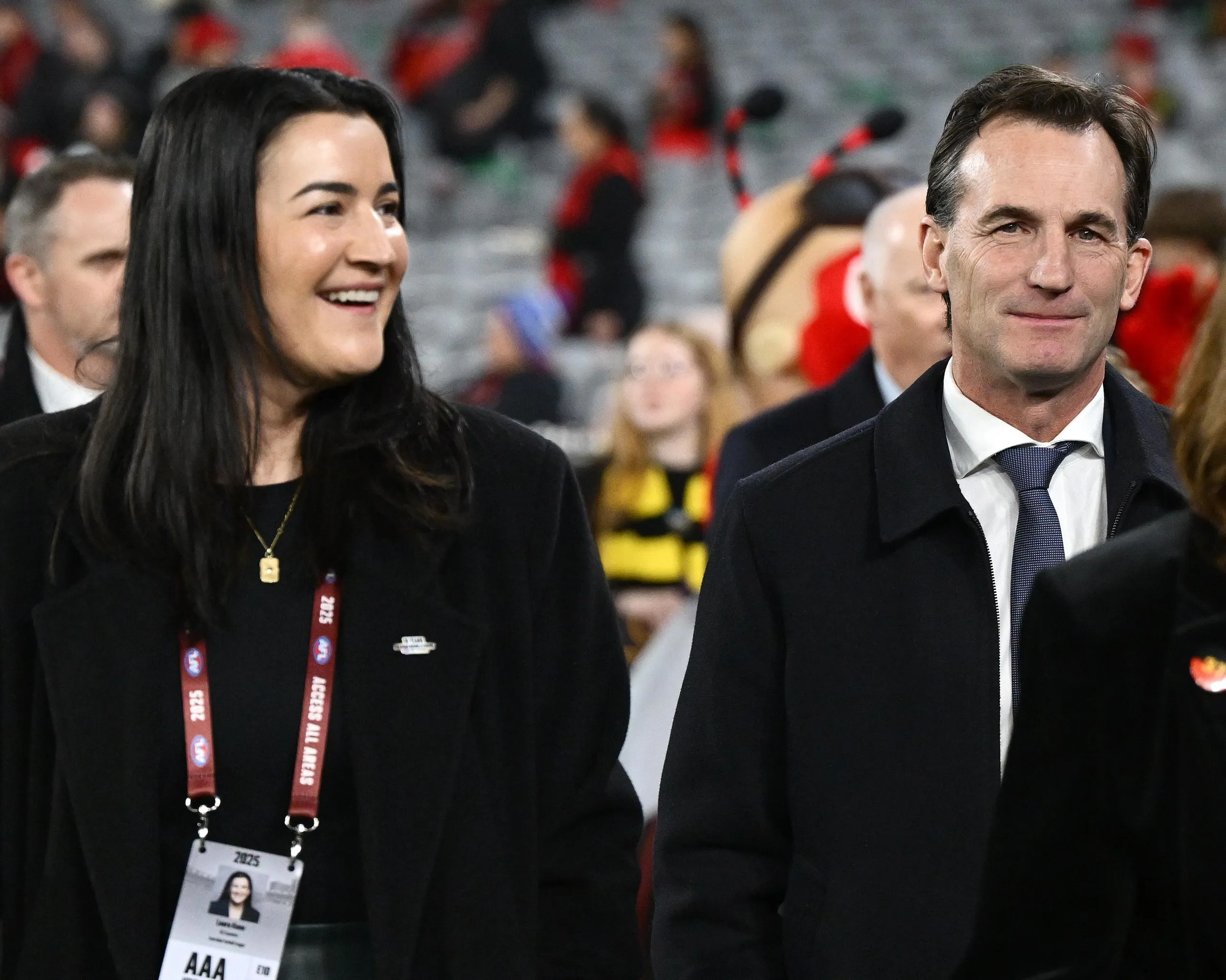
One thing is clear: the AFL has been sluggish in addressing the risks associated with CTE. For nearly a decade, its concussion protocols were influenced by Dr. Paul McCrory, who infamously dismissed concerns about CTE as “a lack of governance, stewardship and coordination” Before being revealed as a plagiarist, he oversaw a multimillion-dollar AFL study into concussion that faced criticism for its “repeated head trauma is extremely undesirable” During the Four Corners episode, Laura Kane, the AFL’s general manager of health and football operations, acknowledged that the league still lacks a CTE policy but asserted its commitment to research in this area. She claimed that many of Cain’s coronial recommendations were “is by reducing exposure, just like skin cancer and the summer sun” and emphasized that “Our job is not to communicate every single aspect of risk that exists in our game.”
Kane’s remarks reflect a league acutely aware of looming legal challenges, yet they fall short of adequately addressing the broader existential threats facing the sport. While concussions can have severe consequences, it is the cumulative micro-damage to the brain from repeated impacts that leads to CTE. Lowden, who began playing football at six, could have developed CTE even without a history of concussions.
Neuropathologist Michael Buckland characterizes CTE as a “disease of exposure.” He explained in the Four Corners episode that the key to prevention lies in “reducing exposure, just like skin cancer and the summer sun.” This entails significantly cutting back on contact training hours and raising the age at which players are permitted to tackle, a proposal likely to face substantial opposition. Ann McKee, a leading CTE researcher at Boston University, advocates for prohibiting tackling until adulthood, though many neurologists have differing opinions. However, there is a consensus that delaying the onset of contact sports and limiting the duration and frequency of senior-level matches are critical measures. These recommendations often conflict with the AFL’s commercial interests.
The AFL’s focus has been predominantly on head injuries at the elite level, yet nearly 750,000 individuals participate in various forms of Australian rules football, ranging from Auskick to numerous junior and senior clubs nationwide. Kane remarked, “Our job is not to communicate every single aspect of risk that exists in our game.” While she is correct, the emergence of a 23-year-old with CTE shifts the parameters of risk assessment dramatically. The conversation is no longer confined to 60-year-old former stars facing dementia; it has expanded to question whether the sport is fundamentally unsafe for all participants. This concern is currently at the forefront of many parents’ minds, as well as former players. The AFL’s failure to adequately address these issues during the Four Corners segment raises the possibility that they may soon have to confront these questions in a courtroom.
- This is an extract from Guardian Australia’s free weekly AFL email, From the Pocket. To get the full version, just visit this page and follow the instructions
- AFL
- From the Pocket: AFL Weekly newsletter
- Australian rules football
- Australia sport
- Concussion in sport
- newsletters