

The upcoming 2026 season of Formula 1 is set to introduce a series of challenges for drivers, largely due to a comprehensive overhaul of car regulations. The new chassis design is about 32 kilograms lighter and produces significantly less downforce compared to its predecessor. Furthermore, the power unit now features a more pronounced reliance on electric energy, achieving nearly a 50:50 balance with the internal combustion engine.
The most demanding aspect of these regulatory shifts appears to be the modifications to the engine specifications, which require drivers to navigate new complexities, particularly concerning battery management. This change means that energy recovery will play a critical role in races, and it has been widely noted that drivers may occasionally downshift on straightaways to conserve battery power. However, a topic that has gained attention during the pre-season testing in Bahrain is the influence of these changes on race starts.
Historically, race starts have been executed with precision, but the elimination of the MGU-H has introduced complications. Previously, this component converted hot exhaust gases into electrical energy, allowing for immediate acceleration. Now, drivers need to rev their engines to higher levels for longer durations after engaging the clutch to counteract turbo lag, which may lead to less polished starts than in the past.
“Oh man, it’s complicated,” remarked Audi’s Gabriel Bortoleto after practicing starts in Bahrain. “The 10-second countdown was challenging, and I lost track after five seconds. With the engine revving and shifting gears, releasing the clutch is quite chaotic. It was much simpler last year.”
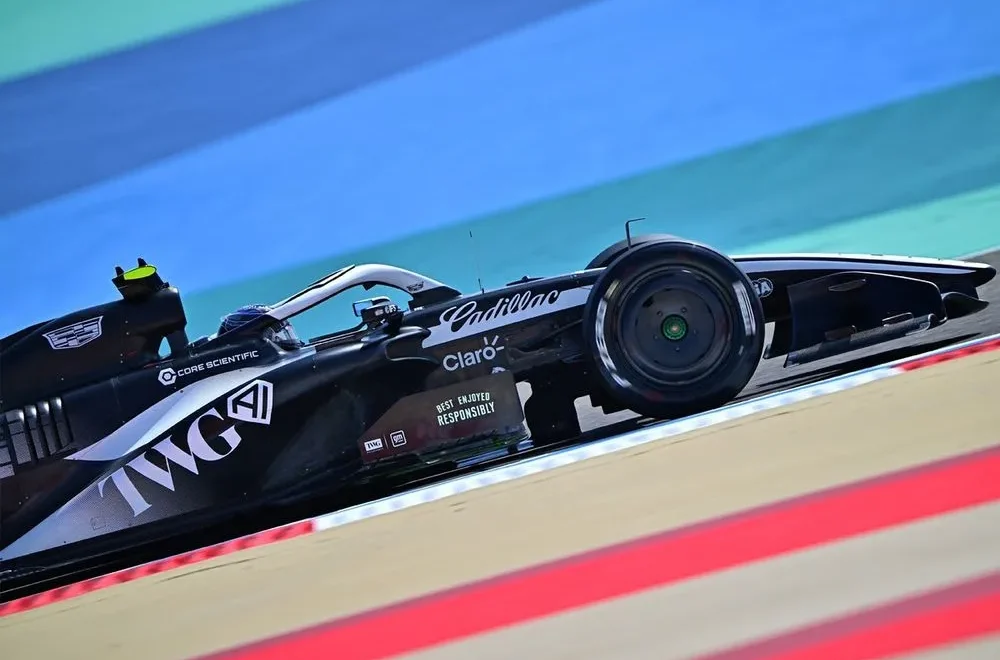
Nonetheless, adapting to new systems generally takes time, and Cadillac’s Valtteri Bottas believes that drivers will eventually discover effective strategies to enhance consistency. Despite his experience with ten Grand Prix victories across 246 starts, Bottas anticipates that the Australian season opener in March could prove particularly challenging for him.
This is mainly due to a five-place grid penalty he must serve, a peculiar situation since he was not part of the 2025 grid. A quirk in the prior regulations mandates that he must fulfill the penalty for a collision with Kevin Magnussen during his last race at the 2024 Abu Dhabi Grand Prix.
“If I’m starting from the back, will there be enough time to get the turbo spinning once the lights go out?” Bottas questioned, noting that the FIA had adjusted regulations so that penalties could be nullified if not served within a year. “Now, it takes about ten seconds, which is crucial. Typically, you receive radio updates when the last car is nearing the end of the grid, so that gives you a heads-up, but we need to figure that out.”
Revving the engine is not the sole method to mitigate turbo lag; however, using the MGU-K, which transforms kinetic energy into electrical power, is not feasible at the start. The regulations stipulate that the MGU-K cannot be activated to assist turbo preparation on the starting grid and can only engage once the car reaches a speed of 50 mph.
Even if a driver experiences a sluggish start, they may hesitate to utilize the MGU-K to avoid depleting their battery and jeopardizing performance throughout the lap. As reigning world champion Lando Norris observed, this new dynamic complicates the race strategy significantly.
“It’s a lot more complicated,” noted Norris. “Using battery power to gain an advantage can lead to running low on energy by the time you reach Turn 1, especially in circuits like Mexico. The challenge lies in getting the turbo just right, and without sufficient battery to compensate for any missteps, it becomes quite tricky. Expect to see many starts in Bahrain to test these new dynamics.”