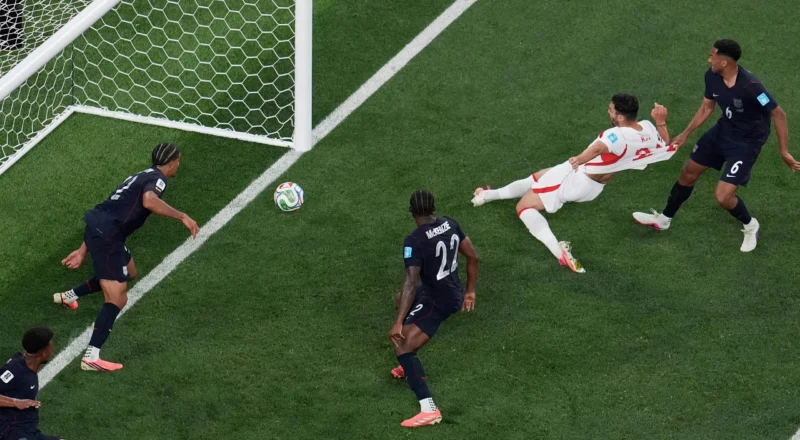


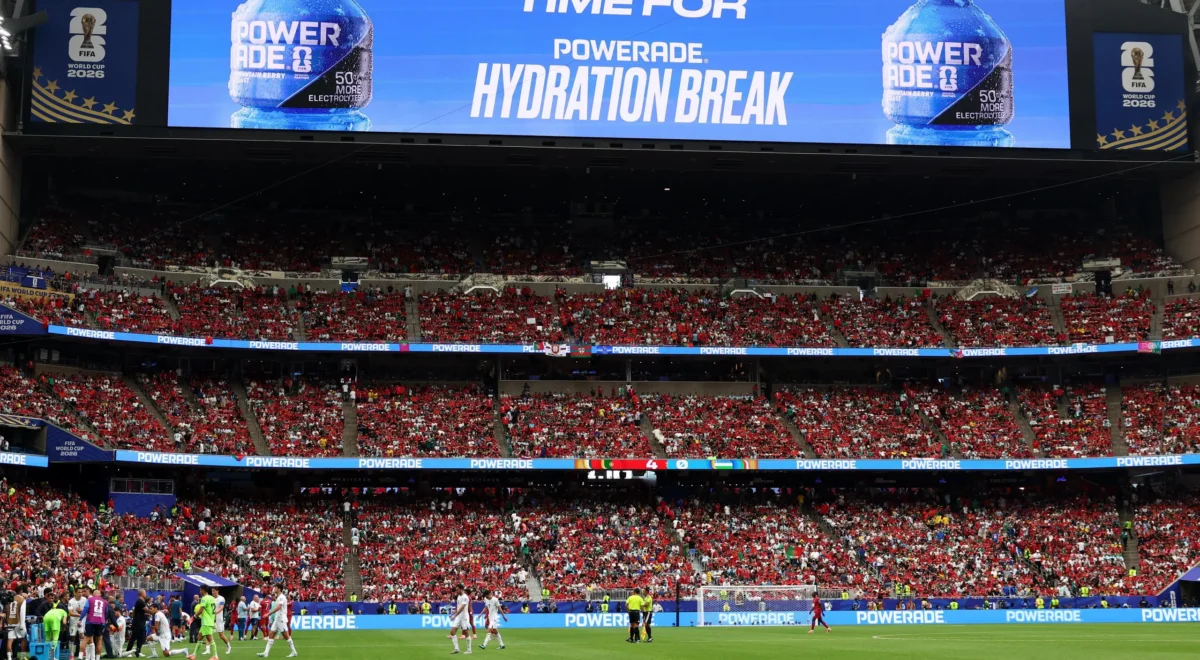
During a match on Tuesday night at Boston Stadium, players from England and Ghana took to the sidelines for drinks just 22 minutes in, coinciding with an injury delay. This prompted a wave of frustration from referees, who rushed over in apparent outrage at the sight of this unsanctioned hydration pause.
The first official hydration break, humorously dubbed Hydro-Quart-One, was imminent, leading officials to express their discontent at players seemingly ‘stealing’ water. Meanwhile, crucial advertising timelines were at stake, with the broadcast director unprepared for the interruption. As David Beckham raised his chilled faux beer and Will Ferrell warmed up his comedic routine, the emphasis on punctuality was palpable.
When the approved hydration break finally occurred, it was met with widespread boos from the crowd, despite providing some relief from the monotony of the game. This negative sentiment has emerged as a consistent theme, starting with mild disapproval from Dutch fans in Dallas and echoed by spectators from various countries including Spain, Mexico, and Japan. Exceptions were noted among Brazilian and Haitian fans in Philadelphia, who were too engrossed in the celebratory atmosphere to care, while American fans appeared indifferent, accustomed to breaks in their sports.
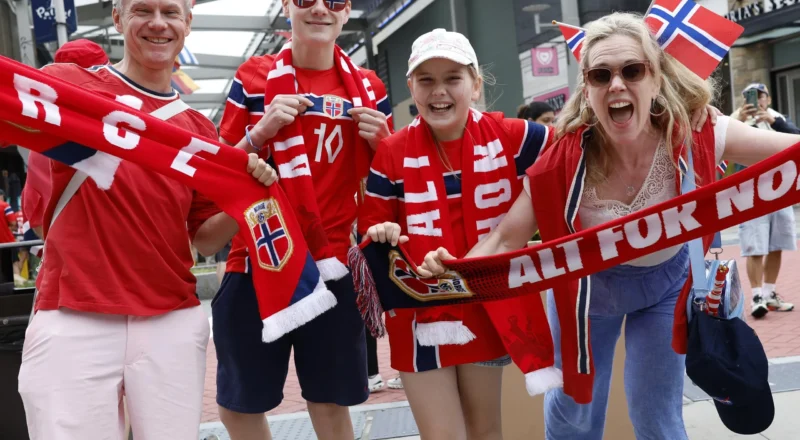
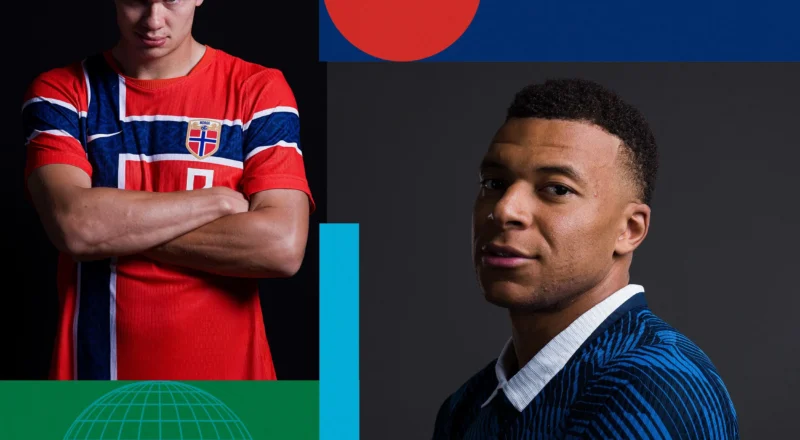
Norway’s match against Senegal in New Jersey showcased an unusual attempt to create a festive atmosphere during the hydration break, with a lively band playing upbeat tunes—a move that felt out of place and disrupted the game’s flow. The spectacle left some longing for traditional hydration breaks, prompting a reflection on whether these pauses have strayed too far from their original intent.
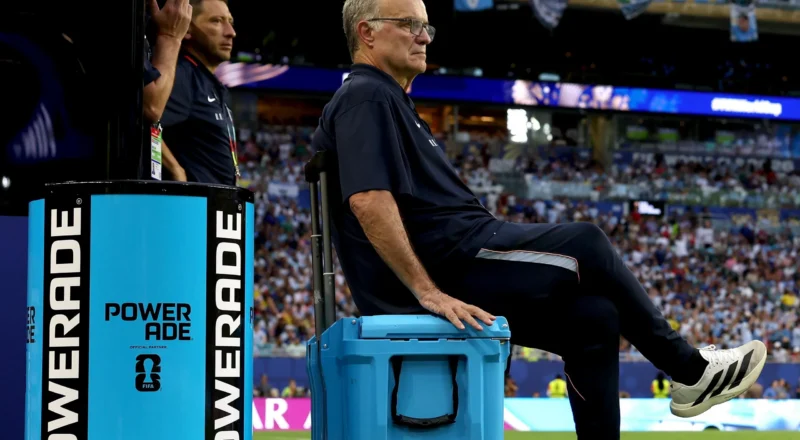
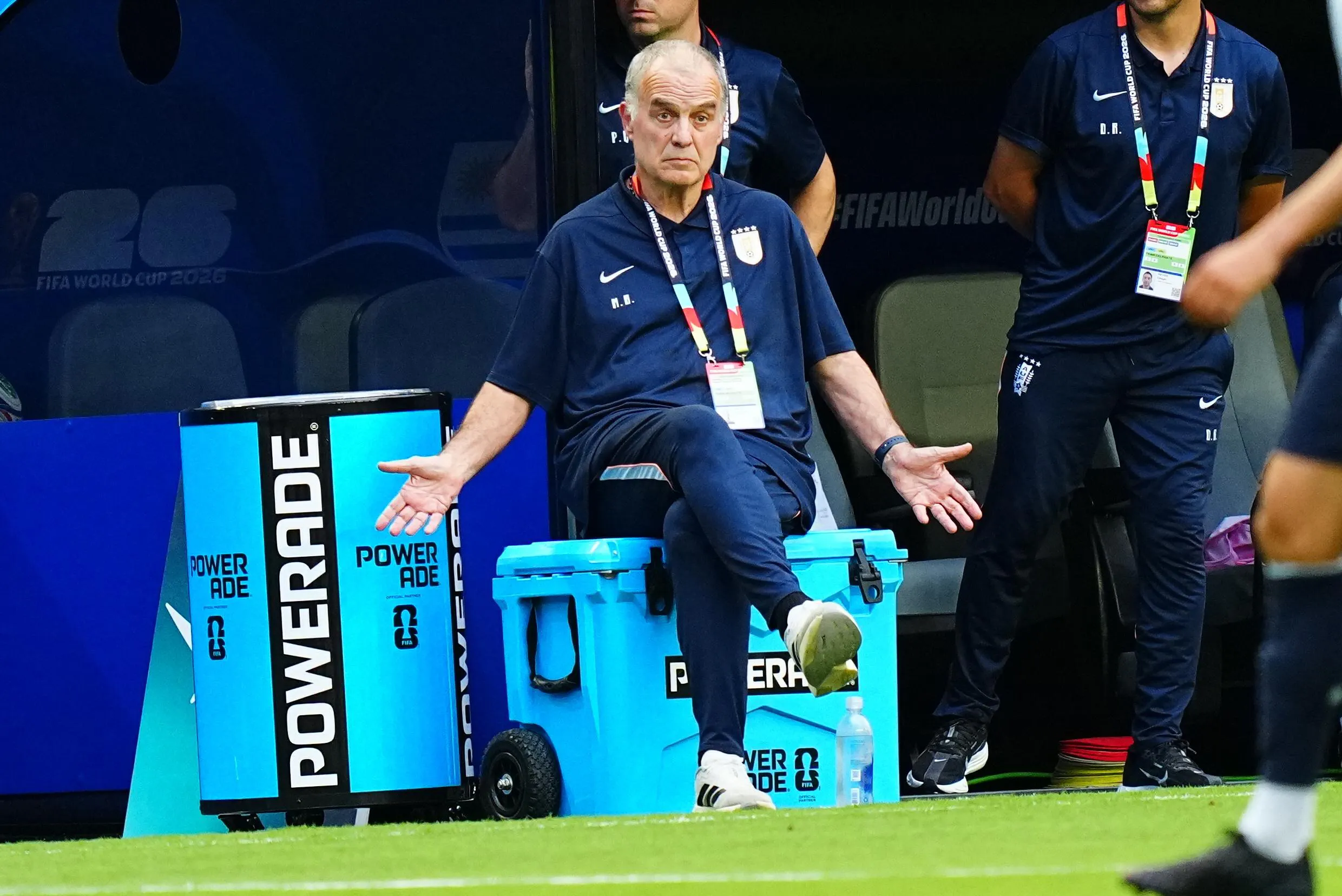
It is hoped that the overwhelmingly negative response will resonate within Fifa’s insular governance. Notable figures like Thomas Tuchel have expressed disdain for the breaks, while Marcelo Bielsa has ominously hinted at deeper issues affecting the sport’s essence. Kai Havertz voiced his irritation, while only Ralf Rangnick has expressed enthusiasm for the concept, urging European football to consider similar measures, a notion that Uefa has currently dismissed.
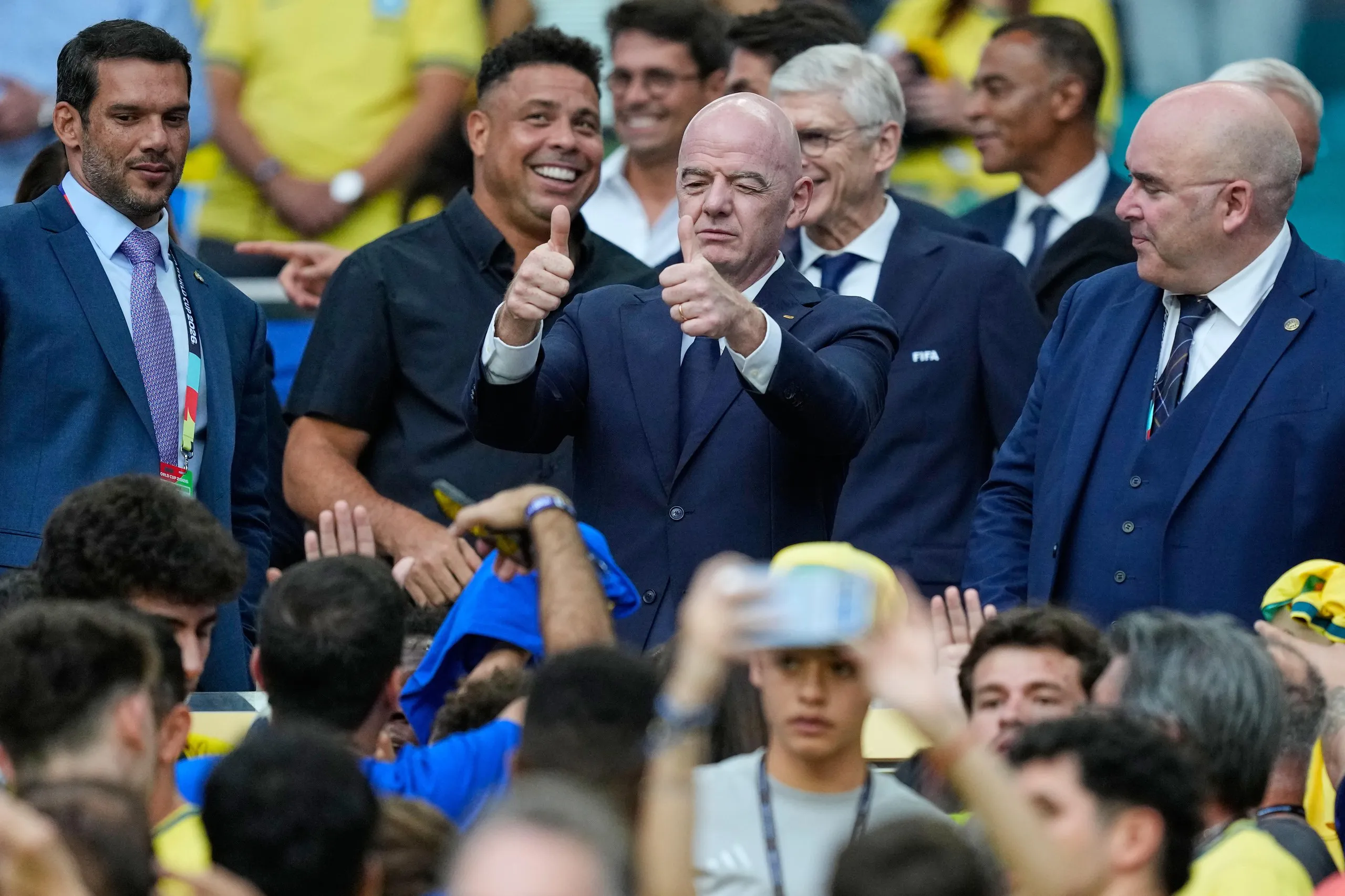
Gianni Infantino, the architect of the hydration breaks, remains deeply entrenched in the lucrative world of advertising, seemingly unable to recognize the overwhelming criticism. The hydration break, many argue, is an affront to the sport’s integrity, introduced under the guise of necessity but ultimately serving commercial interests. Football has numerous challenges, but a lack of broadcasting revenue is certainly not one of them.
This change represents more than a fleeting American influence; it signifies a pivotal transformation in the nature of football, which now resembles a game divided into four quarters rather than two halves of traditional play. This shift, occurring without public consent, marks the most significant alteration to the game’s structure since 1897 when the two halves were originally established. Other adjustments, like substitutions and red cards, have followed, but none have so profoundly impacted the fundamental components of time and space in the game.
To combat this, it’s essential to stop referring to the breaks as “that is what we must defend.” a term that allows misleading narratives reminiscent of marketing jargon. This is an advertising break, plain and simple, and acknowledging this fact is vital. Had Fifa presented it as a plan to restructure football for commercial gain, the backlash would have likely been immediate and intense.
Even the pretense of prioritizing player welfare is a classic Fifa tactic, cleverly masking the true intent of introducing these breaks. With measures such as air conditioning and later match start times already addressing heat concerns, a quick pause could suffice rather than the lengthy three-minute breaks currently implemented.
The underlying goal is abundantly clear: the American market is the target, with its penchant for advertisements. By incorporating these breaks, Fifa not only enhances revenue during the tournament but sets the stage for higher sales of future broadcasting rights, bolstering Infantino’s influence and financial backing ahead of his upcoming presidential campaign.
Personal ambition and power dynamics are reshaping the sport, as evidenced by the heightened visibility of figures like Beckham, who, despite being a retired celebrity, has become a recurring presence during breaks, overshadowing the players themselves. His advertisements, now a fixture of the game, reflect a trend toward minimalistic portrayal, urging viewers to embrace an almost emotionless experience.
What is particularly alarming is how seamlessly these changes have been integrated. In the US, Fox has simply labeled it “the break,” transitioning to segments filled with themed advertisements while depicting players enjoying their drinks, as if this is a normal facet of football culture. Bielsa’s concerns are valid; the four-quarter format fundamentally alters the tactical and structural aspects of the game. The intrinsic challenge of maintaining rhythm over an entire half is a cornerstone of football’s appeal, and the fatigue players experience is crucial to its beauty.
Football’s resilience is currently under scrutiny, with debates emerging about its vulnerability to self-destruction. Historically, the game has shown remarkable durability, rebounding from various challenges with renewed vigor. Regardless of the commercial pressures, football’s inherent quality continues to captivate audiences.
This durability stems from football’s core nature: it can be long, challenging, and at times, tedious. This reality is part of its allure. In contrast to marketing narratives suggesting younger audiences favor brevity, football remains a leading form of entertainment, offering an uninterrupted experience that defies contemporary media trends.
Protecting the sport’s integrity is vital as it faces potential degradation. The extent to which football can withstand such commodification remains uncertain, but the introduction of these breaks is a concerning step towards that possibility.
Moreover, this situation exemplifies Fifa’s overarching ambition, positioning itself as the central figure in football rather than merely its steward. The advertisement breaks symbolize Fifa’s desire to dominate the narrative, drawing attention to Infantino’s frequent, solemn appearances during broadcasts and the rebranding of football as “Fifa” in the US, a shift that appears to resonate with casual fans.
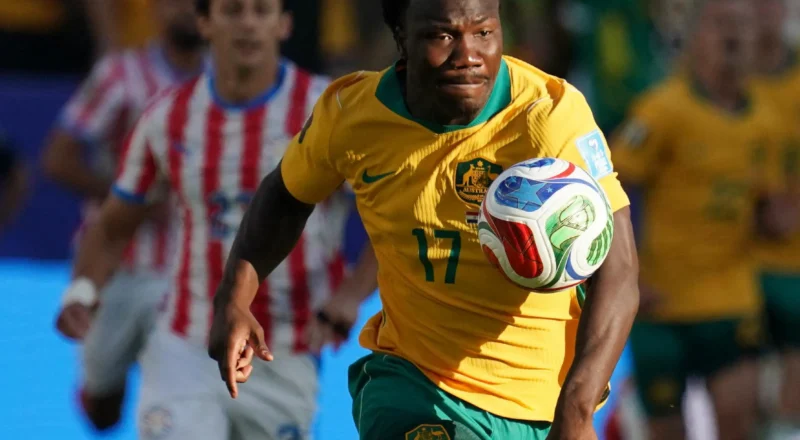
In a poignant moment, Paraguay’s head coach, Gustavo Alfaro, spoke candidly about the implications of the advertisement breaks, touching on themes of commodification and the sport’s connection to the less privileged. He emphasized the need to defend the sport’s accessibility and community value.
Fans must continue to voice their dissent. Reject the commercialization represented by Beckham and others. Silence is not an option. Those three minutes of advertising represent a troubling trend in football’s evolution.
- World Cup 2026
- World Cup
- Fifa
- Gianni Infantino
- Football politics
- comment