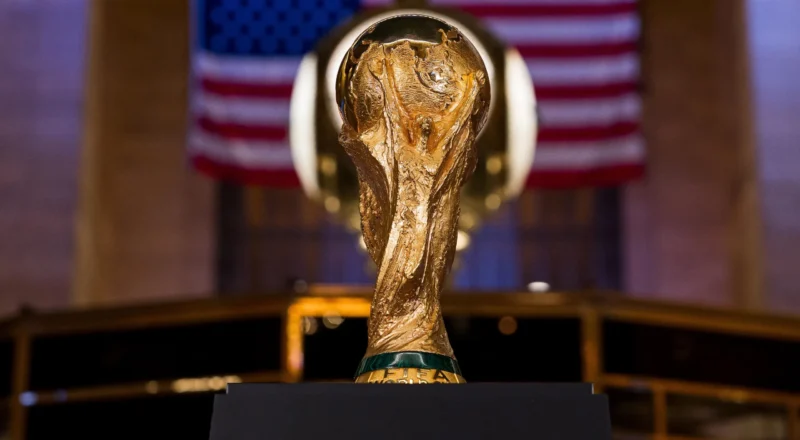


The 2026 World Cup is set to conclude with a dramatic finale this Sunday. As the primary host among the North American trio, the United States showcased 78 matches across 11 cities. Only two matches remain: the third-place showdown in Miami and the championship clash in East Rutherford, New Jersey.
As attention shifts toward the 2030 centennial tournament involving six nations across three continents, it’s time to evaluate the United States’ performance in hosting its second men’s World Cup.
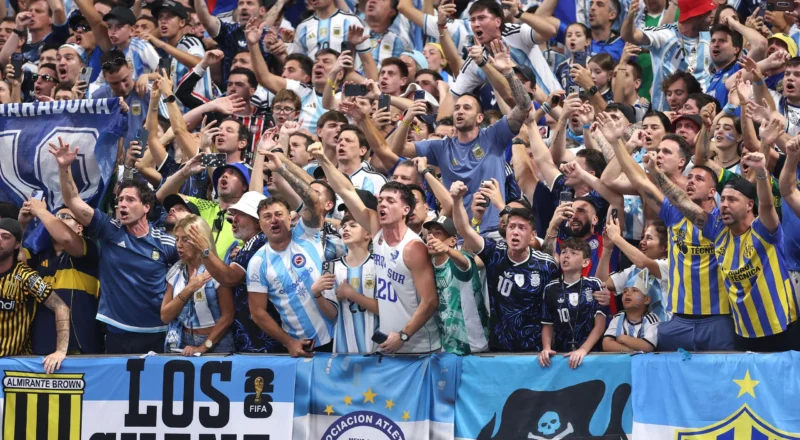
When it comes to atmosphere, the U.S. delivered a commendable experience. While few venues exuded the charm typically associated with international soccer, the vast NFL stadiums attracted significant crowds, designed to amplify the noise and excitement. However, the configuration of concourses proved inadequate for the high volume of attendees, leaving much to be desired. Grade: B+
Transport Issues
Transport was a well-anticipated shortcoming of hosting the tournament in the U.S., where the 20th-century infrastructure was primarily built around car travel. While some cities enhanced public transportation options with temporary bus services, others inadvertently increased the financial burden on riders. The time spent navigating to and from venues was another costly reality for attendees. Grade: D+
Affordability Concerns
The issue of affordability needs little explanation. Ticket pricing expectations, outlined in United 26’s bid book, aligned with historical norms, with inflation justifying moderate price increases. However, the 2026 World Cup became an anomaly in event pricing, as entry costs soared to levels that many fans worldwide found inaccessible.
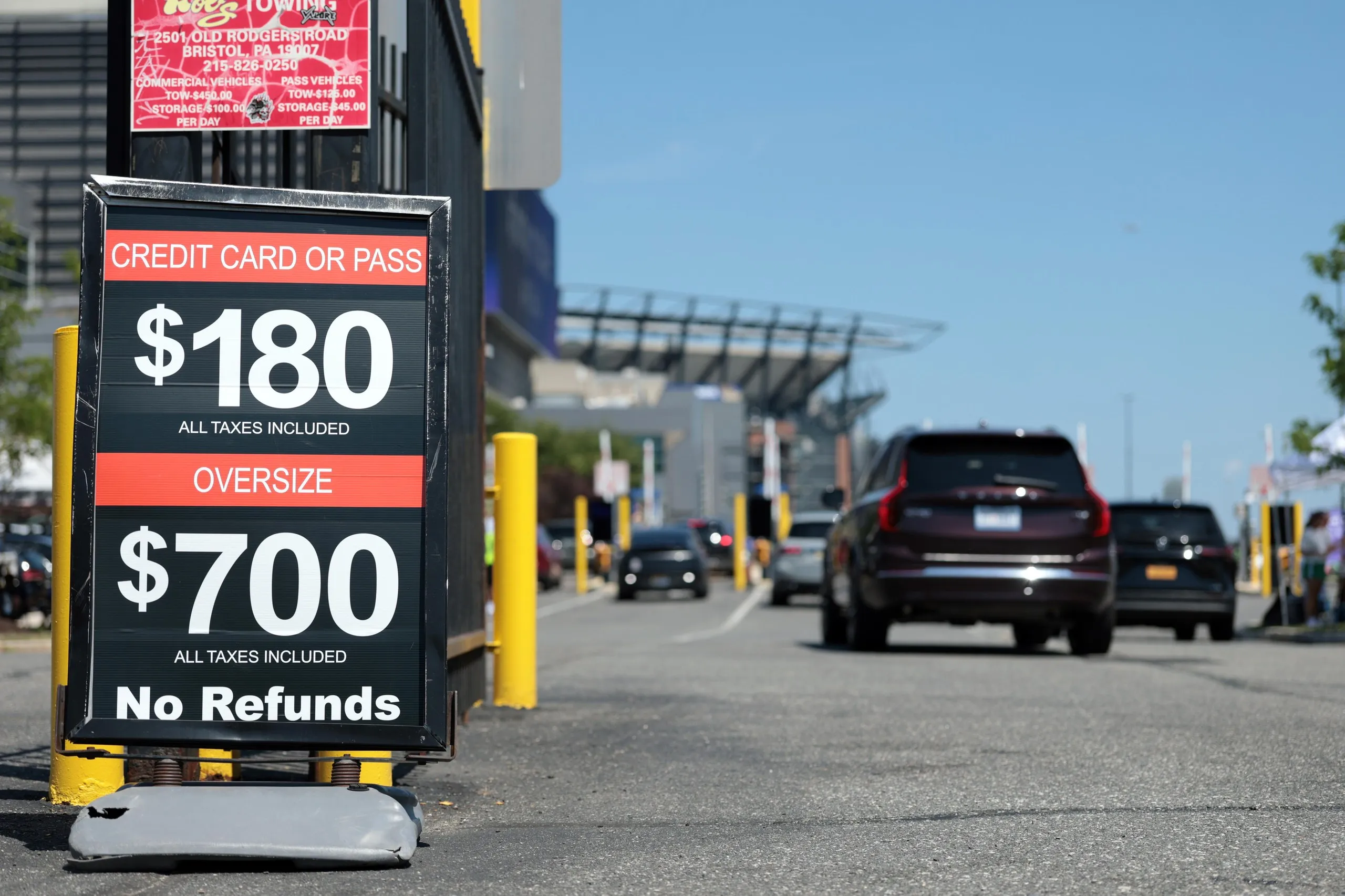
FIFA acknowledged that this was an unusual opportunity to generate substantial revenue from the tournament, but admitted that such exorbitant pricing would not be feasible for future events in different regions. This decision felt like an outright disregard for soccer enthusiasts. Once FIFA established this pricing precedent, other stakeholders—including transportation, food vendors, merchandise sellers, and parking operators—quickly followed suit. Grade: F
Hospitality Experiences
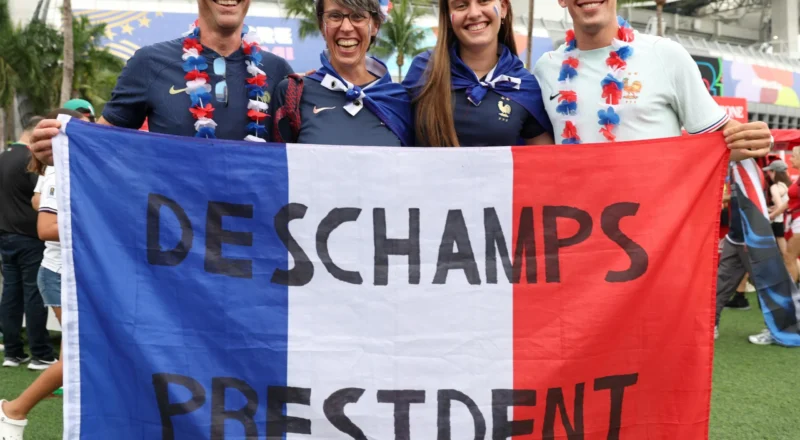
On a positive note, the displays of community spirit were heartwarming. Regardless of the steep prices for beverages, it was common to see fans from various nations sharing drinks before and after matches. FIFA’s volunteers, clad in bright tracksuits, contributed a welcoming presence, providing assistance at every opportunity.
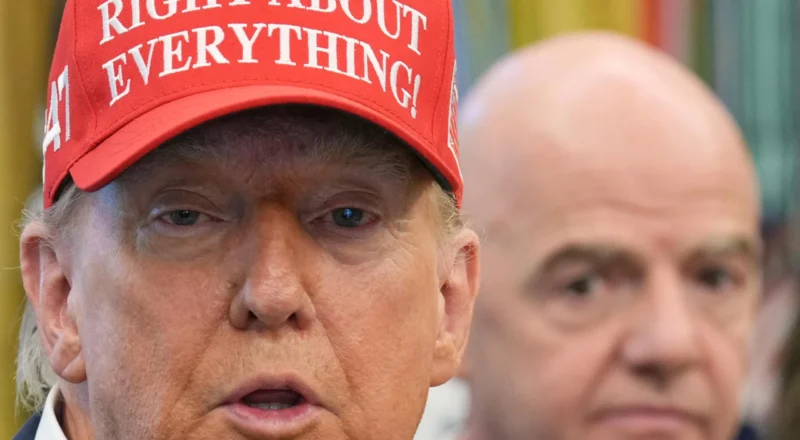
Yet, not all fans were treated equally. Some referees and team staff members were denied entry due to decisions made by the Trump administration, leaving fans from banned nations feeling neglected. The reasoning behind these exclusions was notably weak, yet FIFA chose to support the administration’s stance.
It’s hard not to speculate how the experiences of fans from Côte d’Ivoire, Haiti, Iran, and Senegal might have differed had the tourism access of the 1994 World Cup been replicated. While the spirit was commendable for those who made it, the barriers faced by qualifiers and spectators were unprecedented, warranting a grade of F.
City Atmosphere Beyond the Stadiums
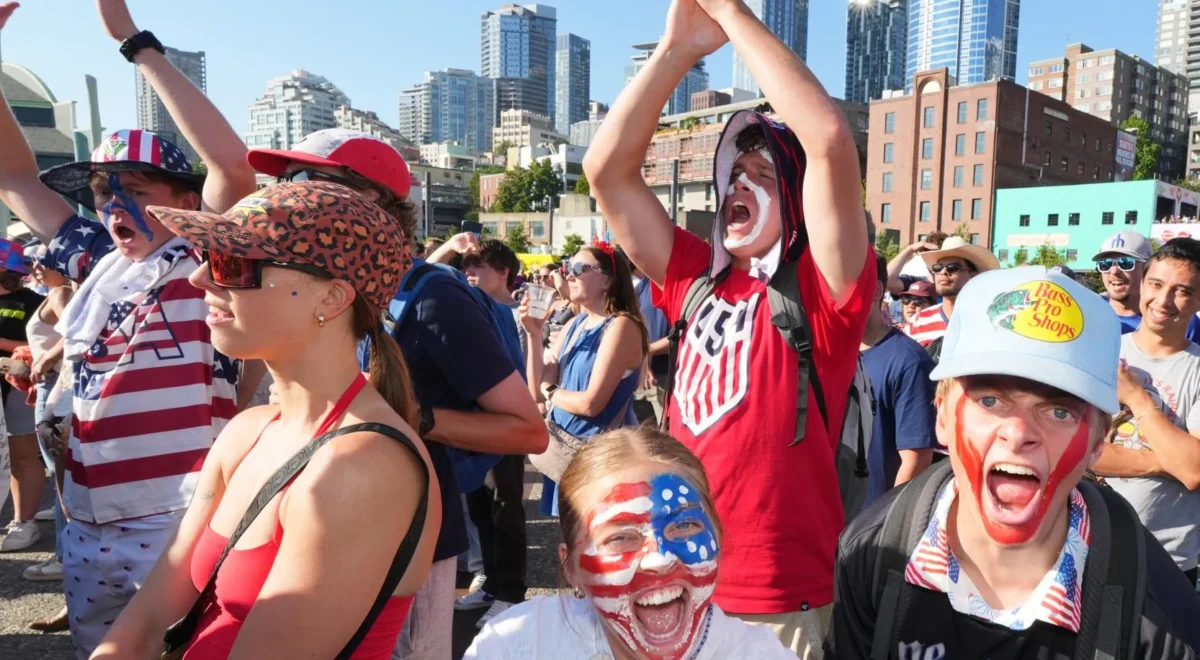
The variance in atmosphere across different cities was stark. Locations like Seattle, Philadelphia, and Kansas City embraced an identity as vibrant soccer cities. The desired “World Cup village” ambiance thrived, featuring public viewing parties, decorative signage, and an infectious sense of excitement as the world focused on their locales. Conversely, cities such as Boston and the Bay Area either welcomed their temporary guests or provided ample opportunities for local residents to continue the festivities.
However, cities whose stadiums were situated outside the urban centers struggled to capitalize on the tournament’s excitement. Being an hour or more away from the action diminished the experience for many, leading to a sense of indifference. Texas, despite being a host state with multiple cities, appeared particularly disengaged, with reports from Dallas and Houston lacking enthusiasm. As the event concludes, the legacy of the tournament may fade quickly for some of these communities. Grade: B-
- World Cup 2026
- World Cup
- Football politics
- features