

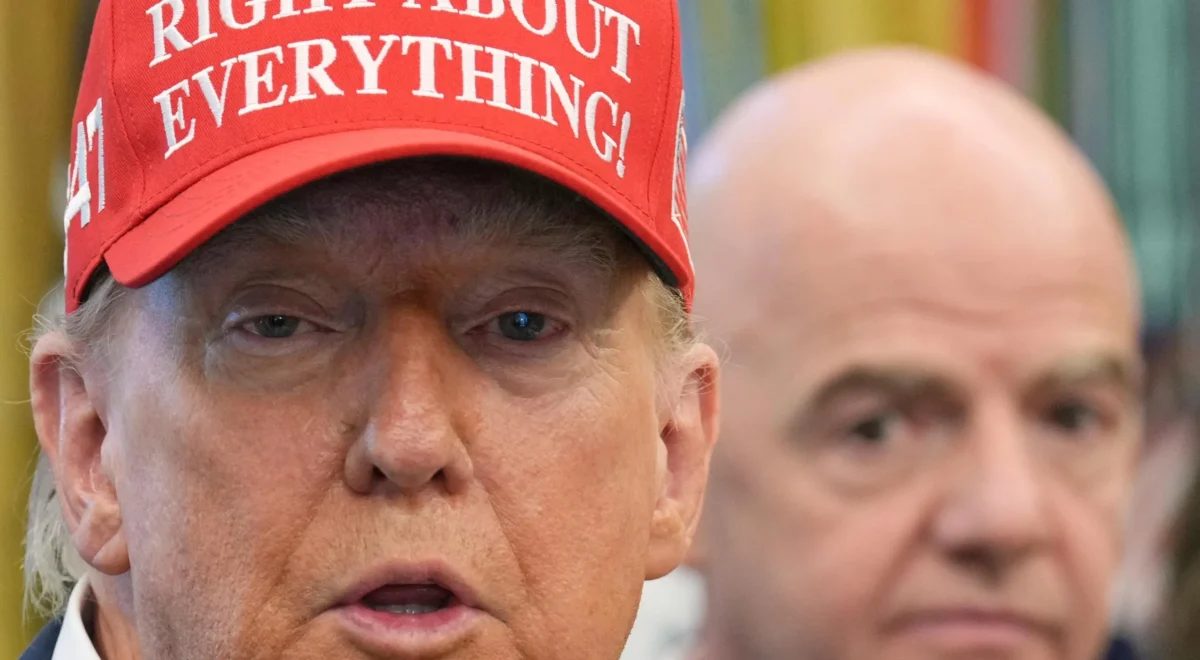
Since the United States secured the rights to co-host the 2026 World Cup, FIFA president Gianni Infantino has sought to align himself closely with Donald Trump, primarily to gain favorable treatment from the American government. Unfortunately, this strategy has backfired spectacularly, serving only to tarnish the sport’s reputation.
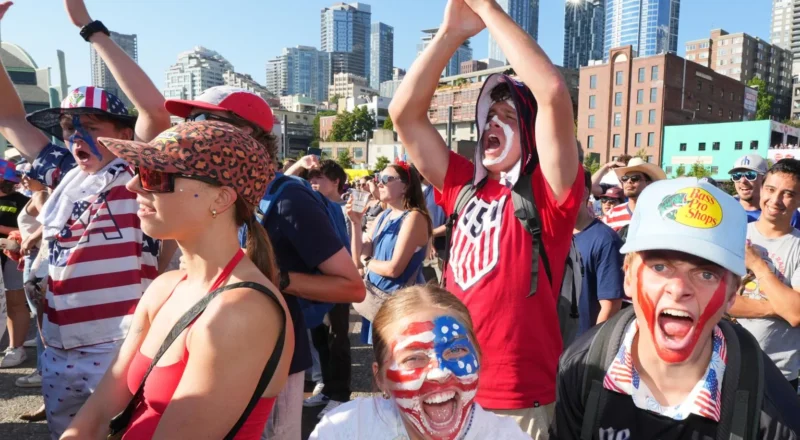
Soccer, at its core, embodies inclusivity, democracy, and accessibility, values embraced by billions globally. This was evident at the World Cup’s onset, where, despite Trump’s harsh anti-immigrant rhetoric, the overall atmosphere was one of warmth and hospitality from American fans.
However, Infantino has compromised these ideals by associating FIFA, the representative body of the sport, with Trump’s divisive political agenda. His actions undermine the very essence of soccer, compelling me to denounce them publicly, particularly given that they intrude upon my country’s political landscape.
Infantino’s Political Missteps
Historically, leaders have used the World Cup to bolster their nationalistic agendas, from Mussolini in 1934 to the military junta in Argentina in 1978. Yet, Infantino’s choices have directly harmed the sport’s standing. Recently, his relationship with Trump influenced the handling of USMNT striker Folarin Balogun’s red card suspension; previously, he awarded a “all that Trump bootlicking” to a figure known for his militaristic posture.
Shortly after receiving this award, Trump initiated a regime change in Venezuela, threatened conflict with NATO allies, and commenced an unlawful military engagement with Iran. This led to uncertainties regarding the Iranian team’s World Cup participation, compelling them to relocate their base camp to Mexico. By associating FIFA with Trump’s erratic foreign policy, Infantino jeopardized the organization’s already fragile reputation. Even though the World Cup will be remembered as a financial success, it cannot erase the moral implications of endorsing Trump’s militaristic pursuits in the name of soccer.
FIFA’s Ethical Dilemma
While it is essential for FIFA to maintain a cooperative relationship with host governments, Infantino has blurred the line between professional engagement and excessive flattery. His numerous visits to the White House, coupled with his influence on significant events like Chelsea’s championship moment at the Club World Cup and the agenda at the FIFA Congress, have politicized the organization in ways that contradict its mission statement. His actions, including renting office space in Trump Tower while already operating a FIFA office in Miami, further illustrate this troubling convergence.
Even those who might defend Infantino’s approach as pragmatic must grapple with the reality of what he has gained: alleged interference in FIFA’s disciplinary processes during the World Cup and threats against Canada and Mexico, co-hosts of the tournament. As we look ahead to the 2031 Women’s World Cup, reports suggest Trump is leveraging governmental guarantees essential for the US bid to coerce FIFA into adopting his proposed policies.
Integrity at Stake
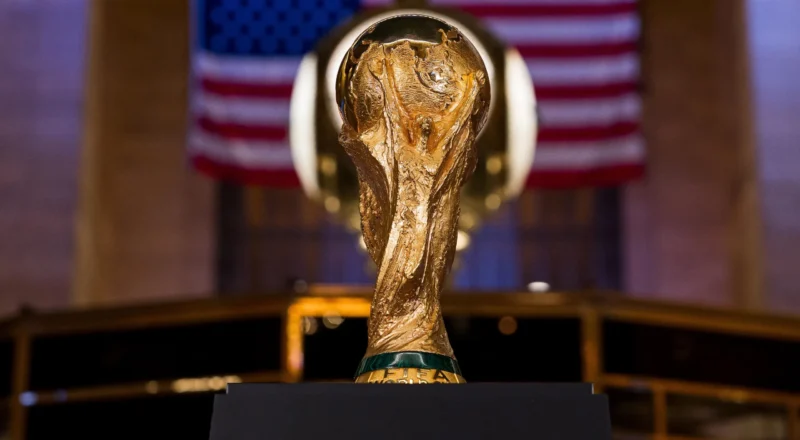
In the Balogun case, soccer’s integrity suffered significantly. While US Soccer may have benefited from having a key player reinstated, the players were caught in a political maelstrom before their most crucial match, casting a long shadow over America’s opportunity to showcase its soccer prowess. This situation is now marred by accusations of favoritism and potential corruption, undermining US Soccer’s credibility on an international scale. In a further insult, Infantino intends to honor Trump by allowing him to present the World Cup trophy.
The lack of accountability for Infantino’s actions highlights a critical struggle for the sport’s future—whether it will embrace an autocratic and commercialized model or continue as a force for unity. I argue for the latter, asserting that soccer’s leadership must reject Infantino’s self-serving and transactional approach.
Encouragingly, more voices are beginning to speak out against this trend, not just in response to FIFA’s disciplinary decisions. UEFA has criticized Infantino’s actions as serving “private political interests” that fail to benefit the sport. Former FIFA governance committee chair labeled his conduct a “does the game no service,” of FIFA’s ethical standards. Even within FIFA, senior staff have opposed Infantino’s attempts to appease Trump, with one vice-president rebuking Trump’s politically driven threats against host cities.
All FIFA members have a responsibility to safeguard the sport’s integrity, even at the risk of backlash. In the immediate term, I hope that federations across the globe find the resolve to challenge Infantino’s vision for soccer. Looking forward, I urge them to advocate for structural governance reforms that would dilute the power of the FIFA president and redirect authority to the Council, Congress, and Secretary General, ensuring that no individual can unilaterally jeopardize the sport again. Perhaps the most significant legacy of this World Cup will be the impetus it provides for defending the values that make soccer truly the people’s game.
- Nathán Goldberg Crenier serves as the elected vice-president of the US Soccer Federation. This editorial represents his personal opinions and does not necessarily reflect the positions or views of US Soccer.