

The echoes of discussion linger in various corners, from late-night news broadcasts to casual conversations at bus stops and birthday parties. Fans grapple with their emotions, trying to bridge the monotony of the present with the promise of future excitement. In office toilets, amidst the hum of hand-dryers, sports analyses fade into the background.
Two years of commitment have culminated in significant investments—tickets, accommodations, and endless travel logistics—while debates raged over player selections like Jude Bellingham. All eyes turned to Wednesday evening, when England held a 1-0 lead against Argentina in a World Cup semi-final, with the hopes of millions resting on whether a team of affluent athletes could maintain their composure for the final 40 minutes.
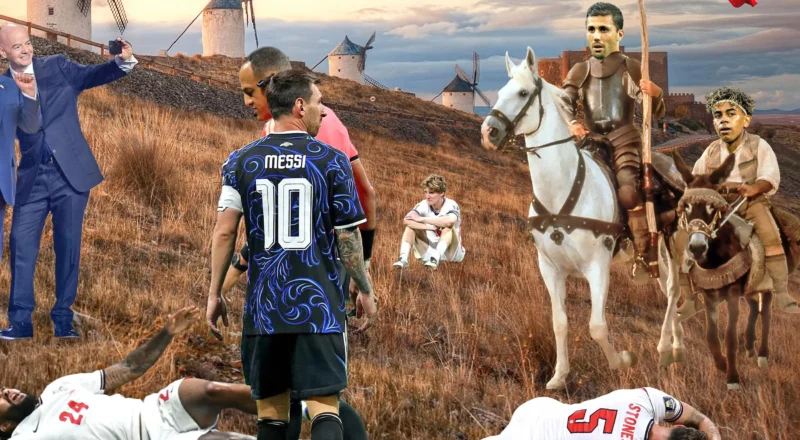
Ultimately, they could not. The narrative now emerging suggests that while Thomas Tuchel’s substitutions may have solidified Argentina’s control, England had already begun retreating into a defensive posture well before that point. This points to a deeper issue, perhaps a chronic pattern of underperformance, where past humiliations, like the 4-1 defeat to Germany in 2010, echo in similar failures, such as the loss to France in 2022 despite holding 57% possession.
These patterns must be examined at their roots; neglecting to do so risks solidifying misconceptions into accepted truths. I reviewed the critical 13 minutes following Anthony Gordon’s goal. During this time, England faced considerable Argentine pressure, including multiple corners and a notable save from Jordan Pickford. However, none of this was particularly alarming.
From the moment Argentina kicked off, they unwittingly provided England with another chance as Lisandro Martínez mishandled the ball, allowing Morgan Rogers to seize possession, although Harry Kane couldn’t capitalize. By the 61st minute, England had pushed Argentina back into their own territory, with Kane and Declan Rice attempting shots from outside the box.
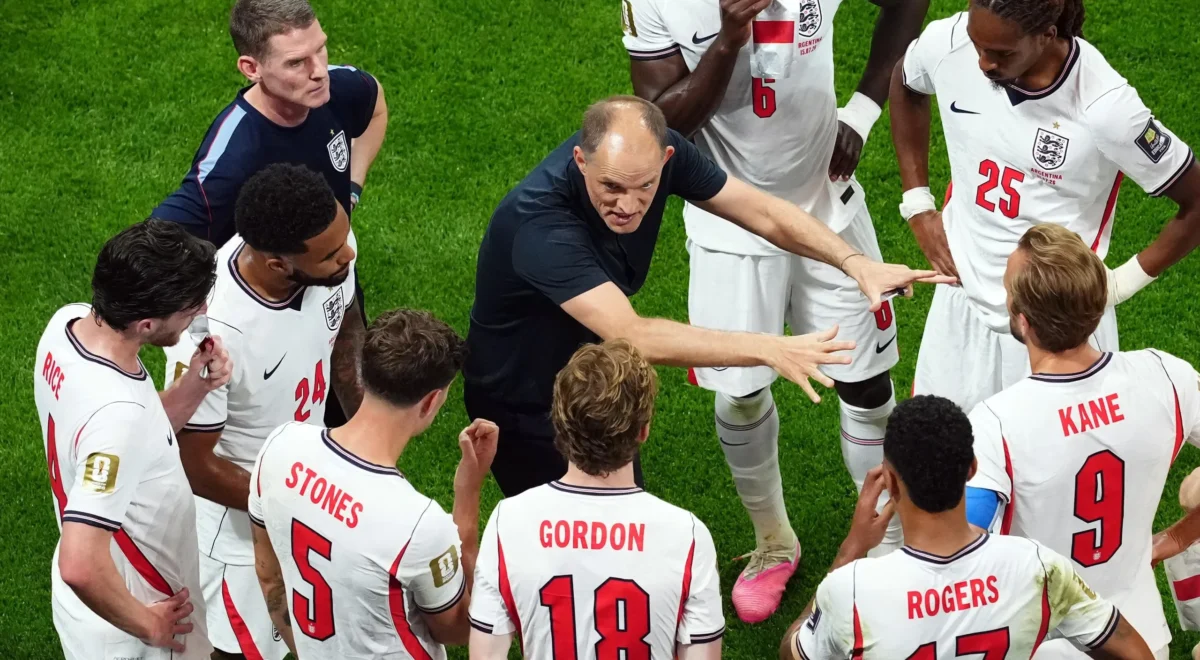
The core issue lies not in tactics or a national culture of defeatism, but rather in poor decision-making, possibly exacerbated by fatigue. Lionel Messi hadn’t yet seized control of the match, and the ensuing events were not predestined. A hydration break provided a chance for England to regroup and potentially introduce new players to refresh their strategy. Yet, it was here that Tuchel’s decisions jeopardized England’s World Cup aspirations.
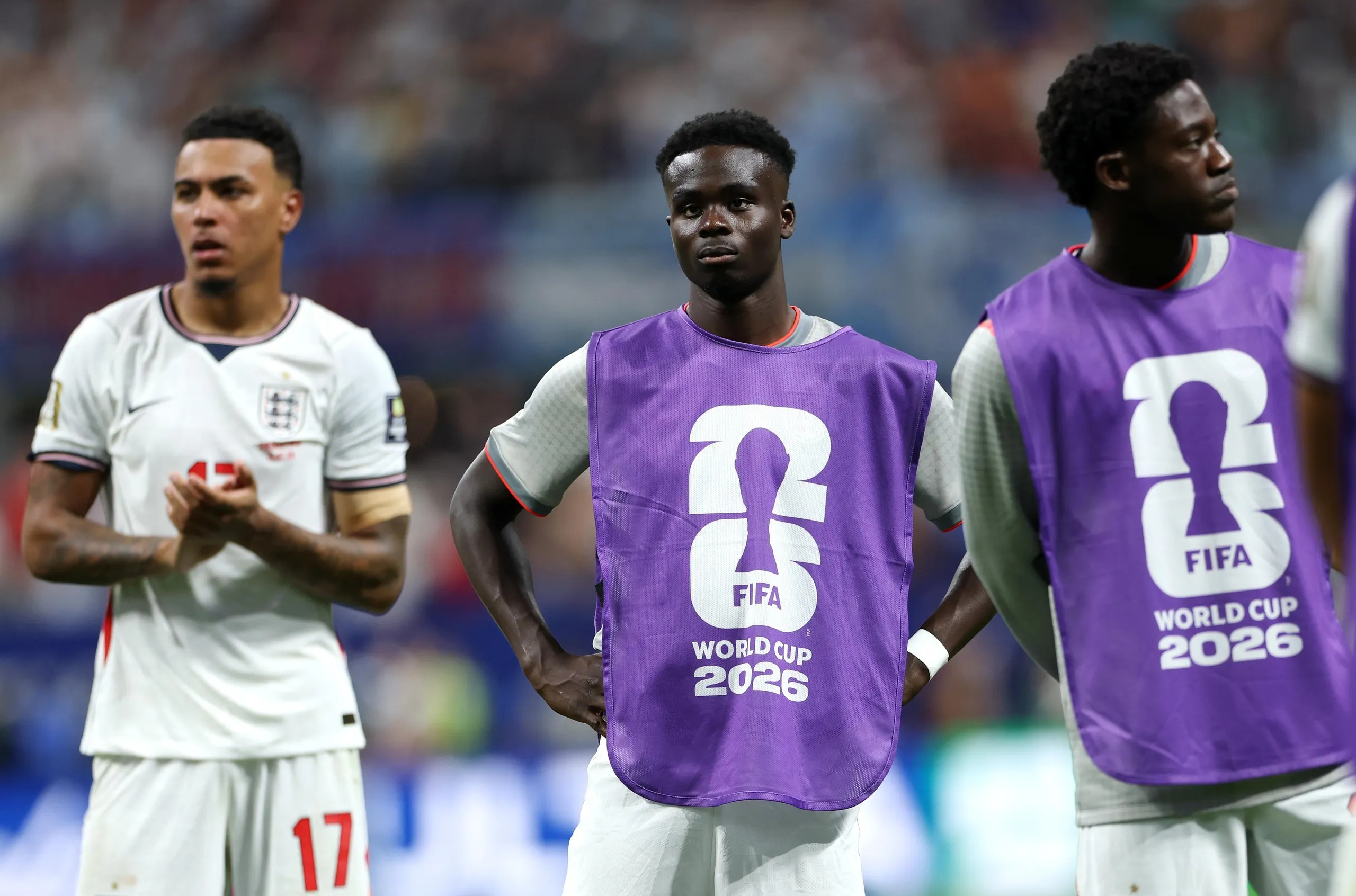
What might a more proactive response have entailed? Kane appeared exhausted, and keeping him on the field in anticipation of a penalty shootout was illogical. Substituting in Ollie Watkins could have stretched the play and revitalized the attack. Bukayo Saka, with his ability to navigate pressure and exploit defensive gaps, should have replaced Rogers. Embracing a mindset of ambition is crucial; World Cups are won through assertive play, not mere survival.
“If we lose, we lose in our way,” Tuchel proclaimed during halftime against Croatia, invoking a spirit that led to some of the most exhilarating football England has seen at a major tournament.
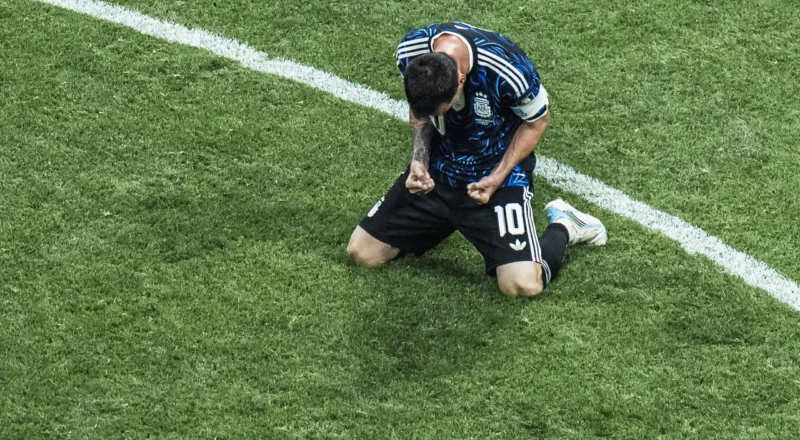
Where has this mentality vanished? Did Tuchel lose faith in the very principles that guided England to this point? The current scenario has left six defenders on the pitch while fresh talents like Saka, Watkins, Kobbie Mainoo, and Eberechi Eze remained on the bench. The statistics are telling: between the second hydration break and Argentina’s second goal, England held under 8% possession and completed merely five passes in 25 minutes, allowing a 39-year-old MLS player to dictate the pace.
Rather than dissecting each decision in isolation, what is more painful for England fans is the realization that they believed in this team until the very end. The question lingers: did Tuchel ever truly have faith in their capabilities?
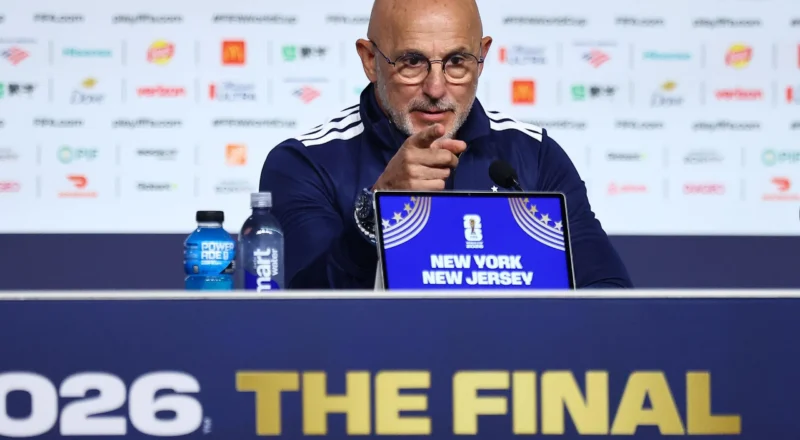
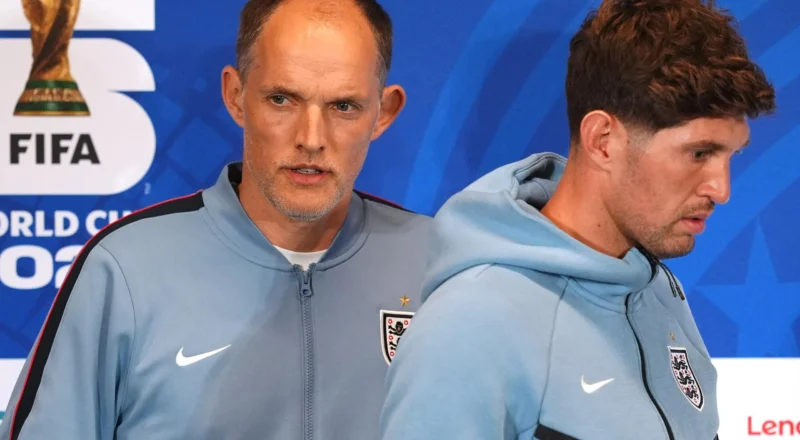
“Ball possession is not in our DNA like it is in the Spanish DNA or the Argentinian or Brazilian DNA,” Tuchel remarked after the match.
This assertion, once undeniably accurate, is now highly debatable and may even constitute a form of gaslighting that should lead to Tuchel’s immediate dismissal. Players like Rice, Saka, Mainoo, and Eze have demonstrated their ability to control the game at the club level. Reports have surfaced indicating discontent among the England squad regarding Tuchel’s overly cautious tactics, which stripped them of viable options and left them with only blunt instruments.
These athletes yearn to showcase their skills, supported by fans who invested their savings to witness the spectacle. This is no longer a nation that consistently underperforms on the international stage, shying away from tactical and technical advancements. Is it unreasonable to expect a coach who recognizes the strengths of these players rather than fixates on their limitations? Some argue that changing coaches now is an emotional response, emphasizing that no one better exists to fill the role while honoring a lucrative contract.
However, for a coach tasked with navigating pivotal moments, jeopardizing a World Cup semi-final represents a major red flag. Beyond that, the lack of ambition and the willingness to undermine the entirety of English football rather than confront one’s own shortcomings is troubling. Tuchel was appointed to harness the immense potential of a remarkable generation of English footballers, yet it remains uncertain if he can even recognize it.
- World Cup 2026
- England
- Thomas Tuchel
- World Cup
- comment