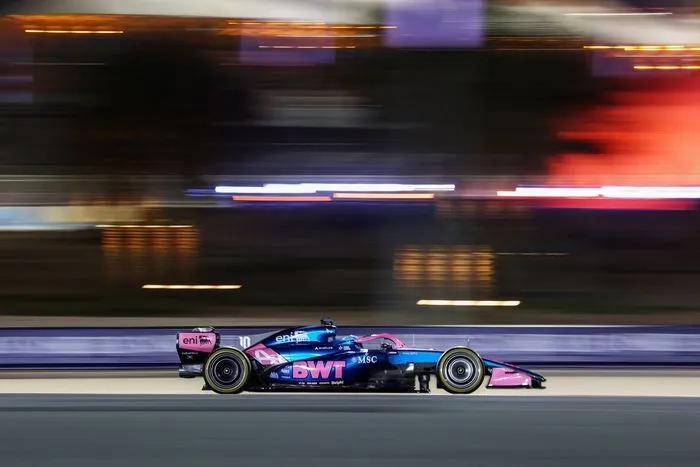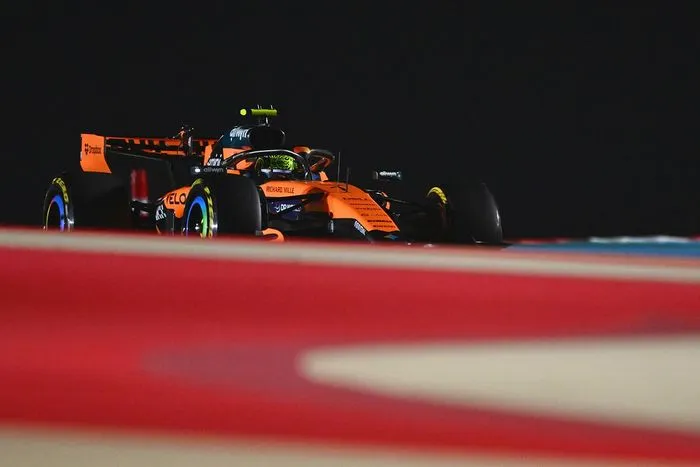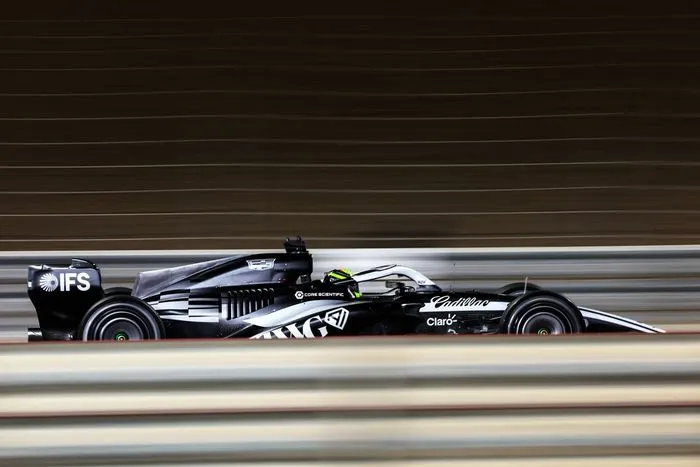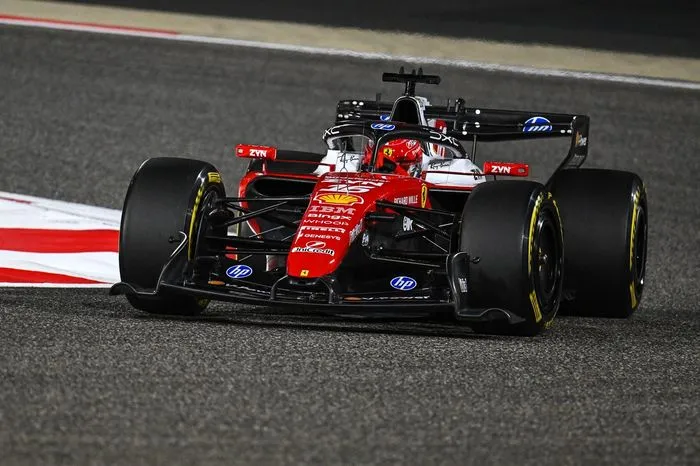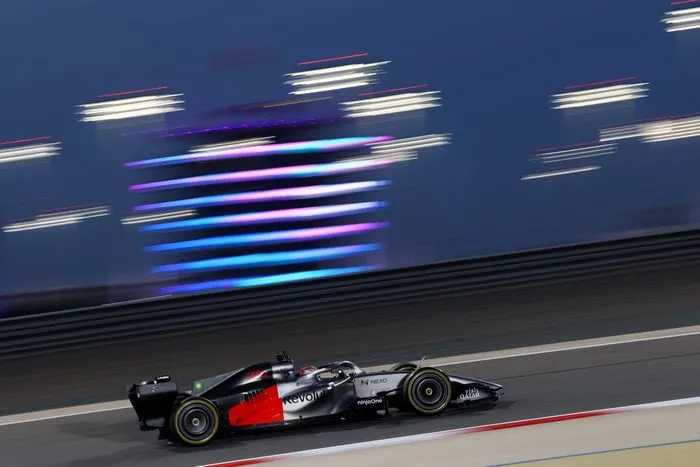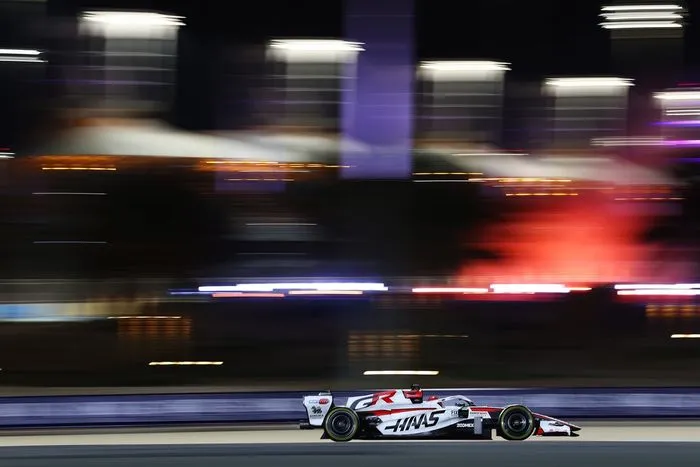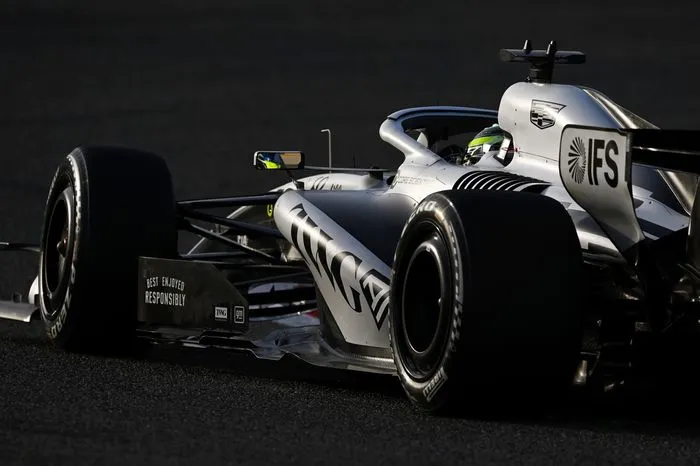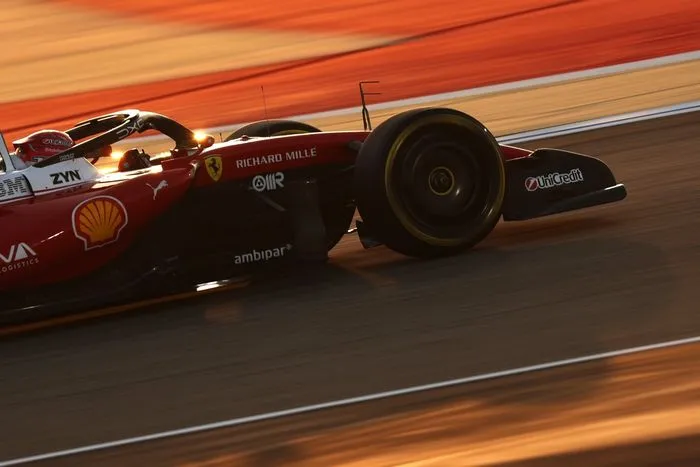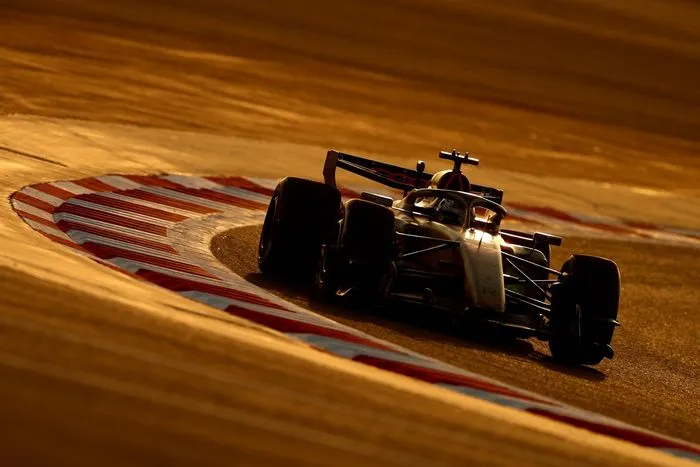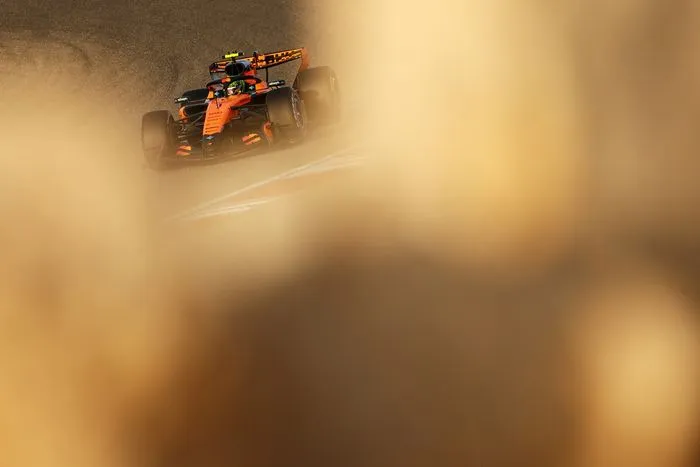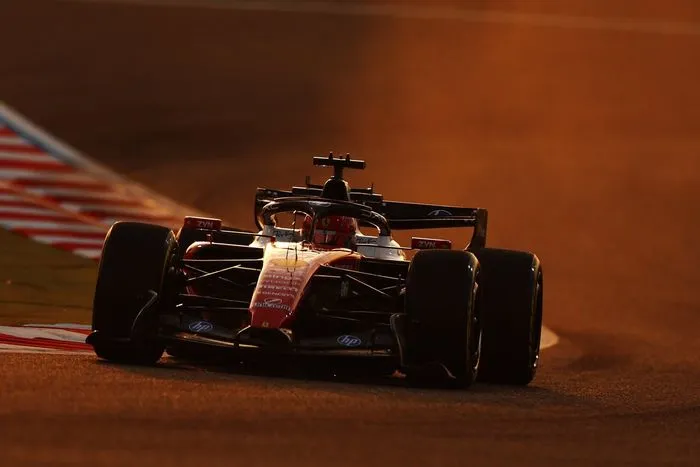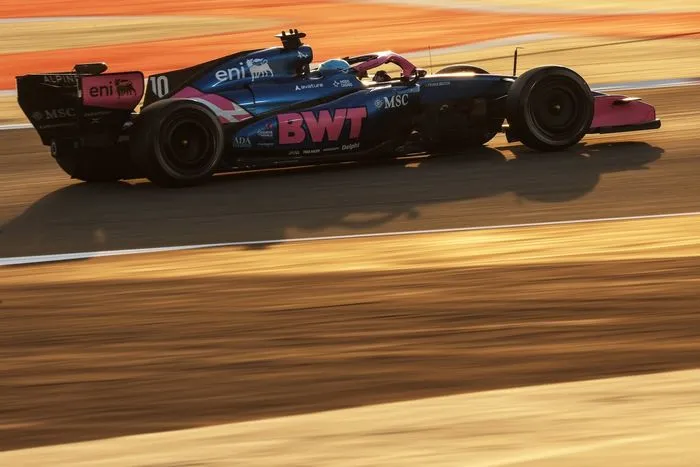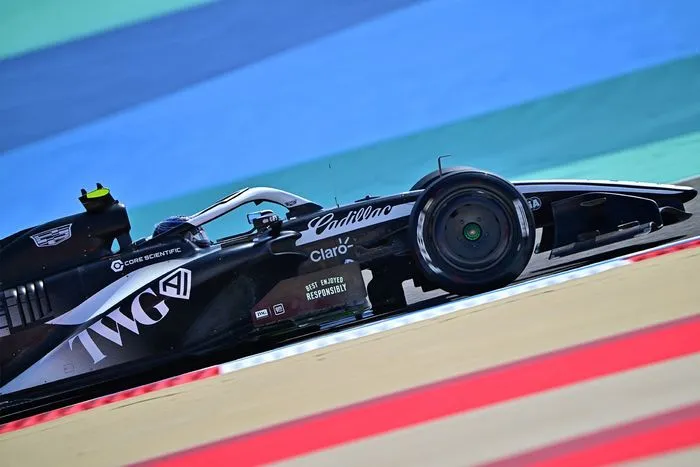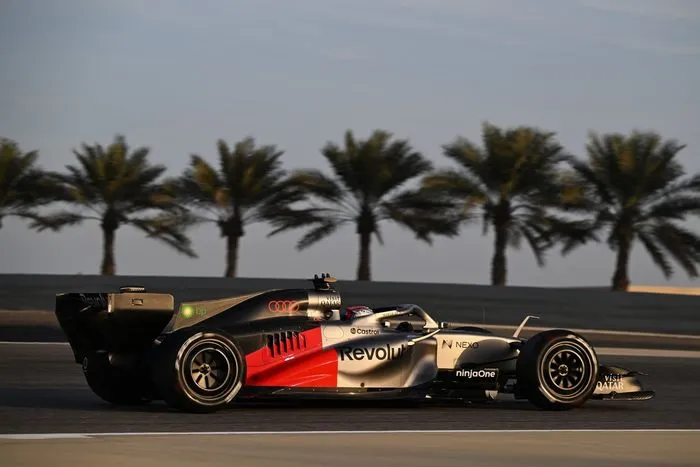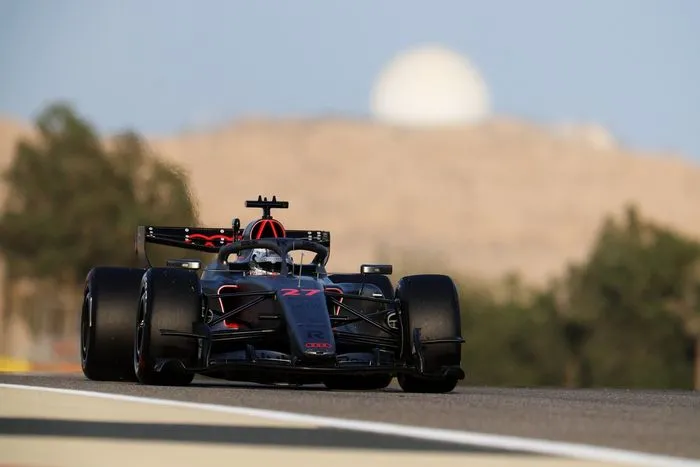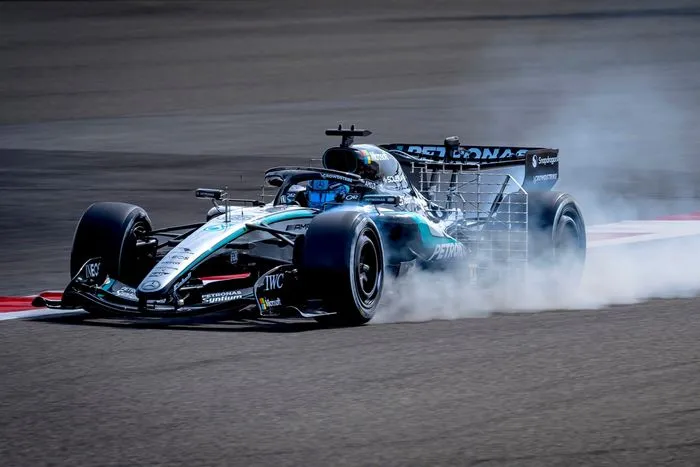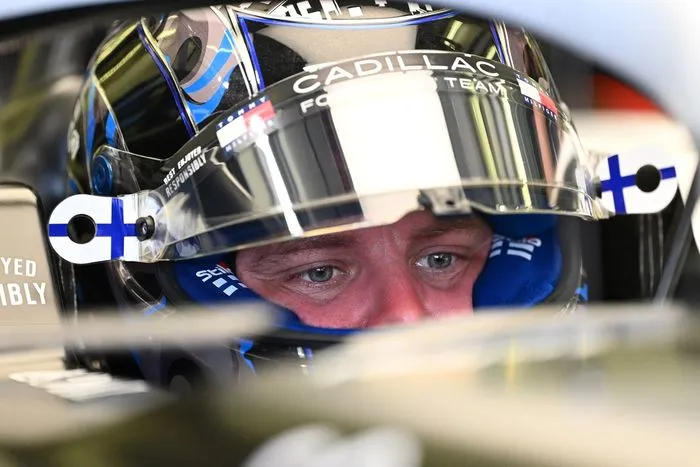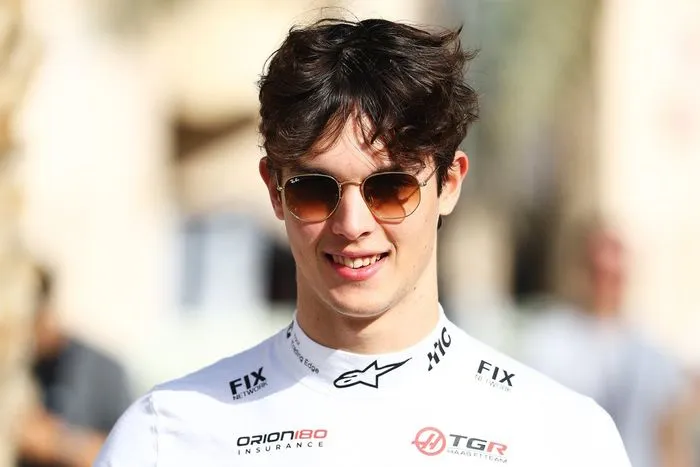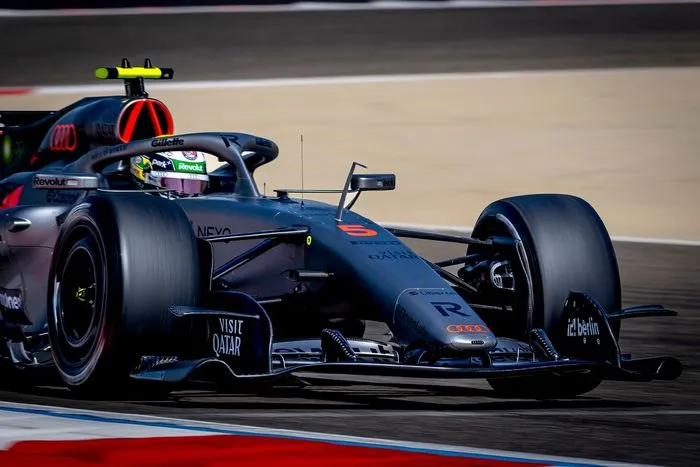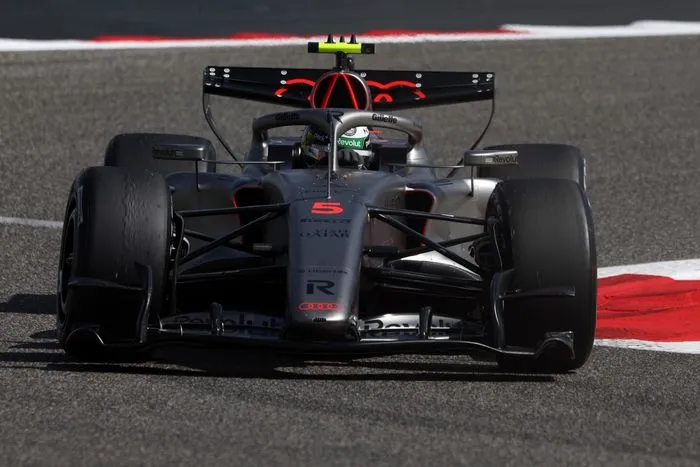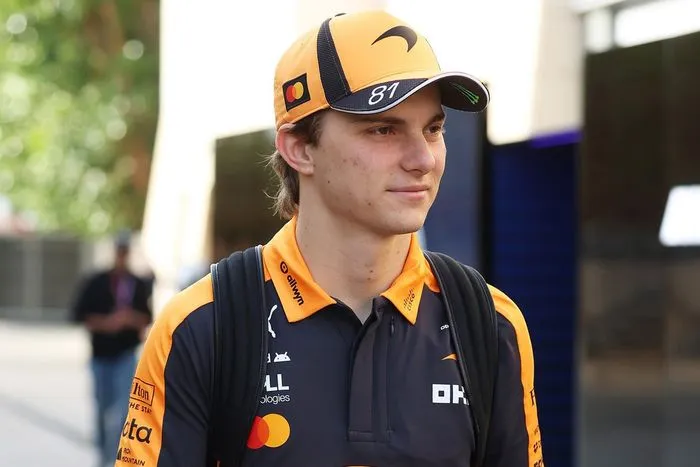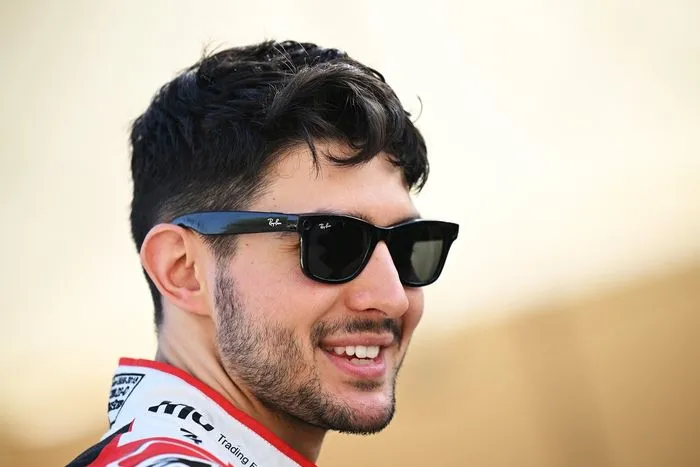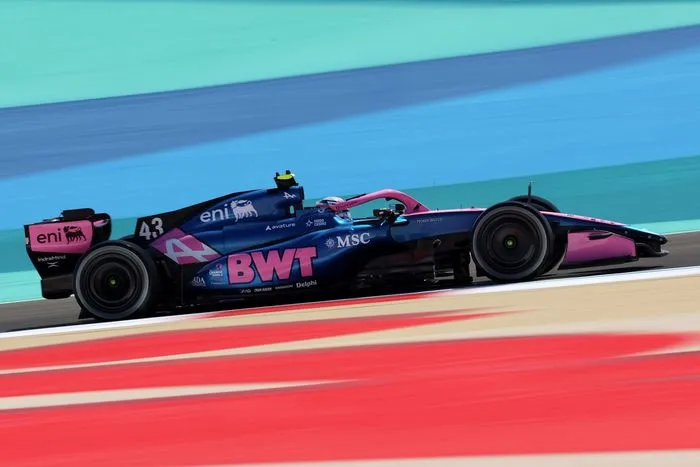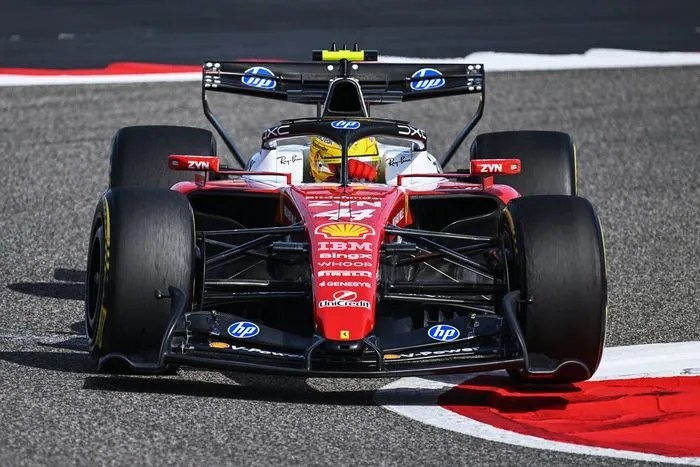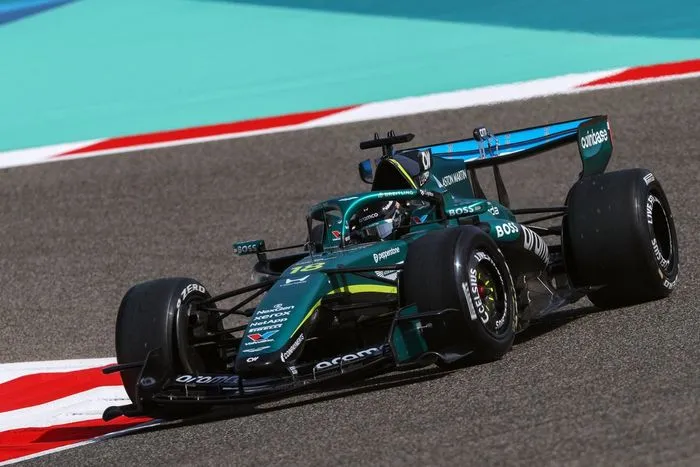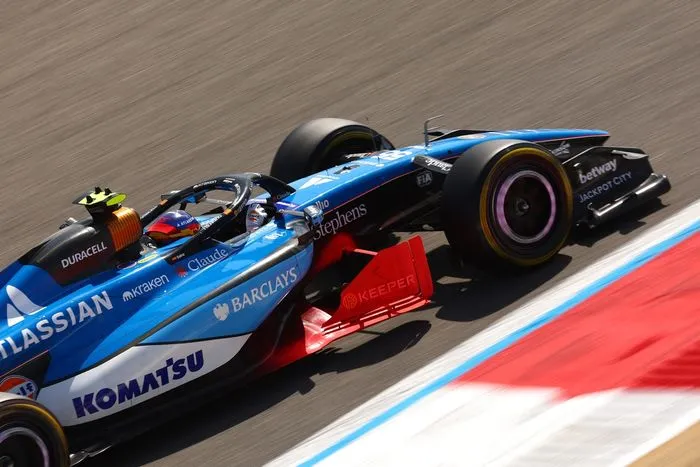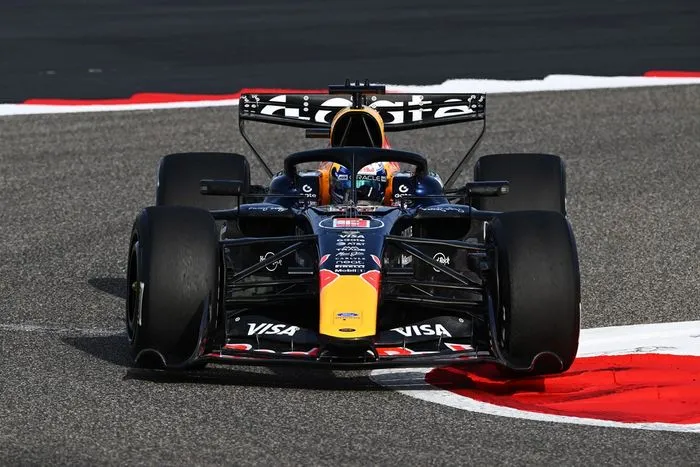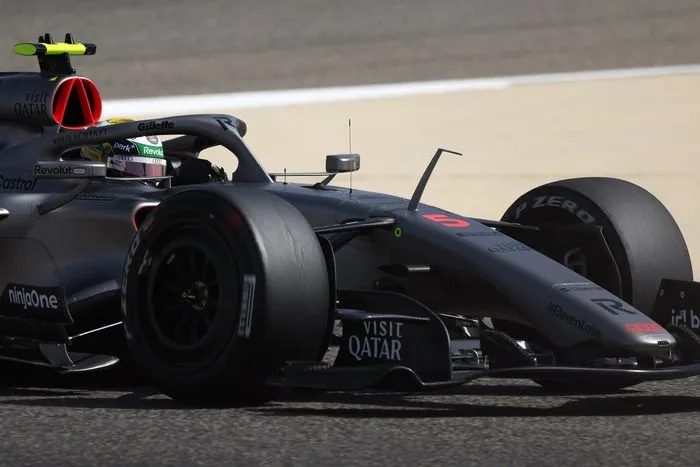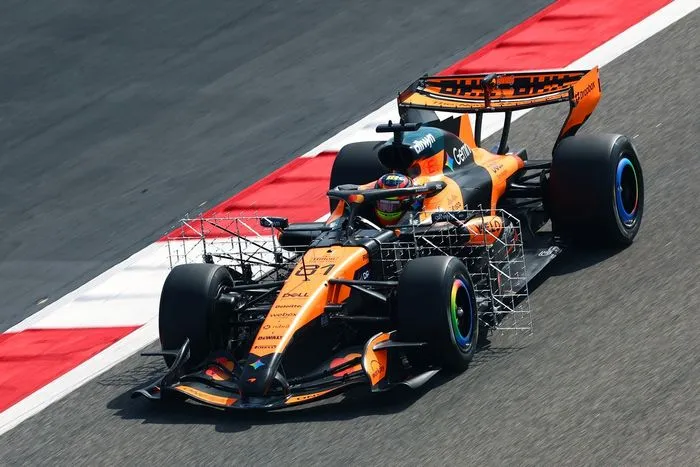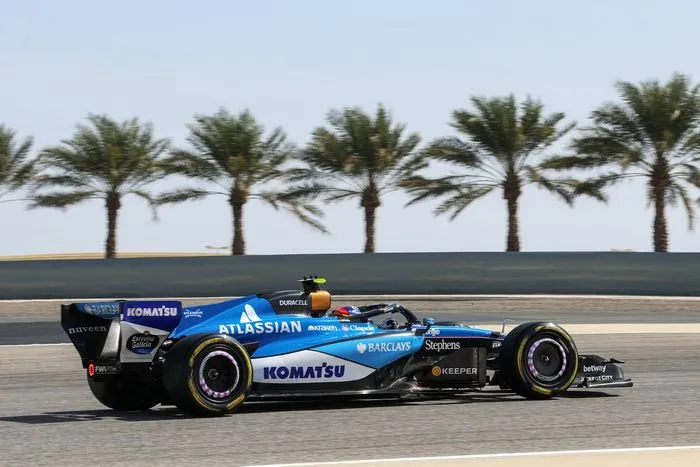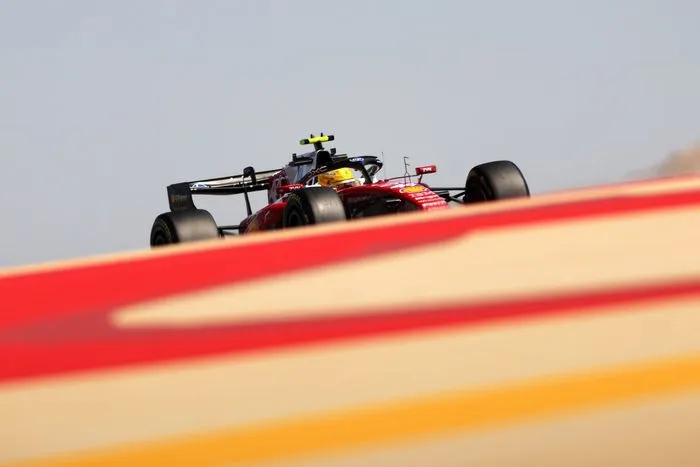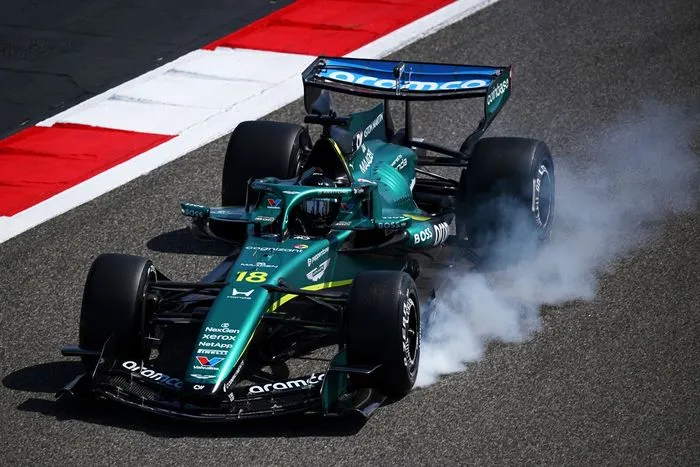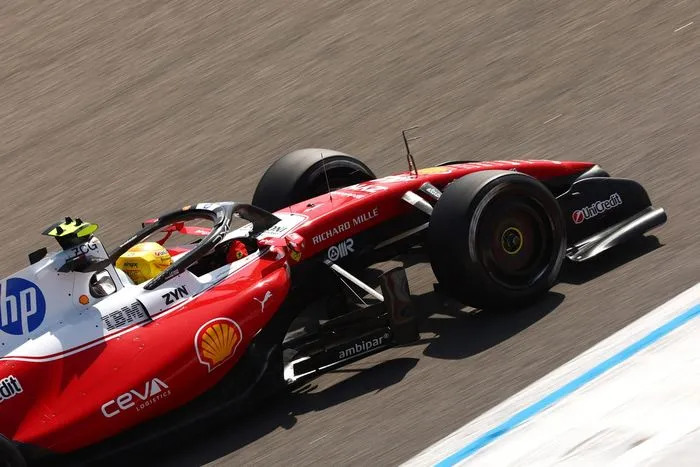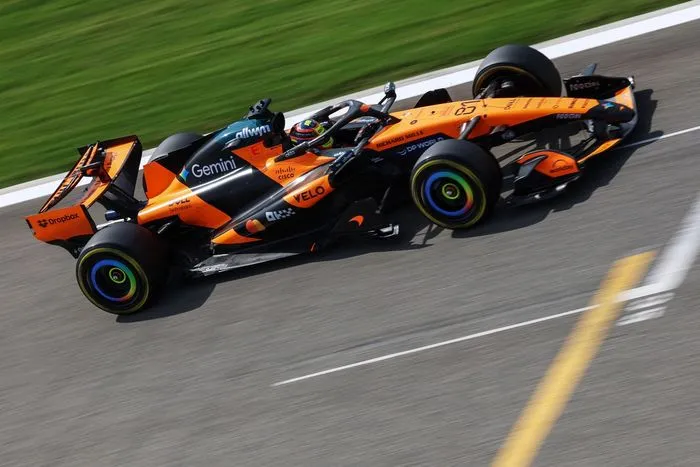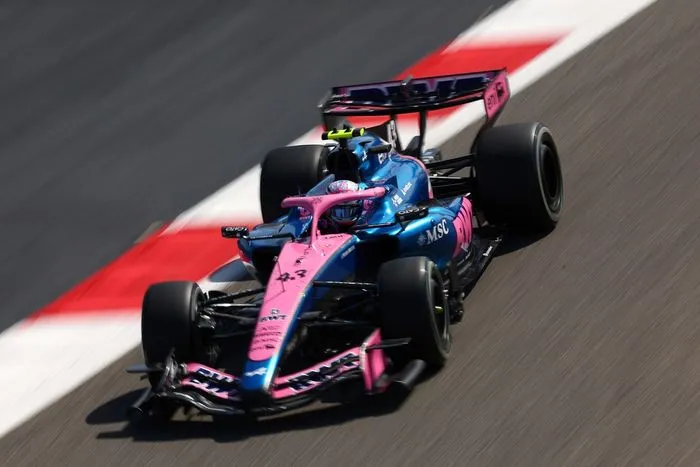


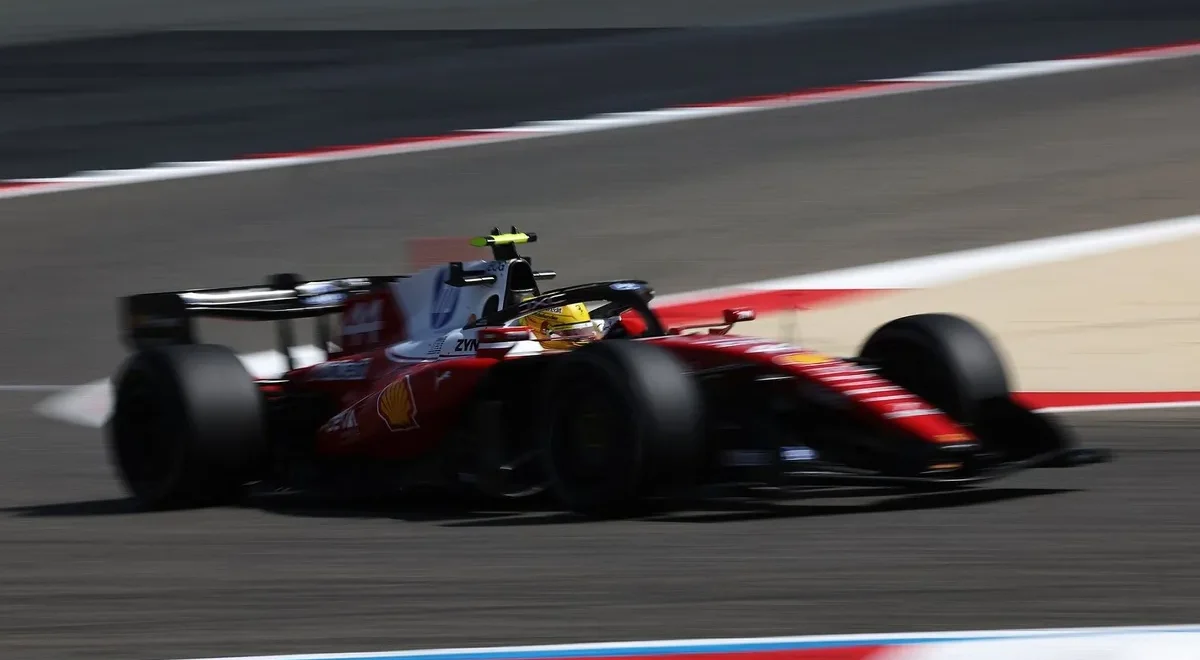
Pirelli, the tire supplier for Formula 1, has expressed unexpected satisfaction with the newly designed cars for the 2026 season. Initial concerns hinted that the performance might resemble that of Formula 2 vehicles, but current assessments indicate otherwise.
This year marks a significant transformation in regulations, the most extensive in F1‘s history. Notably, the chassis is roughly 32 kilograms lighter and features a considerable decrease in downforce, while power units are now increasingly dependent on electrical energy.
For the past four years, the sport has seen the introduction of ground effect machines that boasted remarkable power. However, the rapid lap times didn’t necessarily lead to engaging races. In fact, the 2025 season experienced numerous races where pole position winners dominated, claiming victory in 16 out of 24 events.
While the impact of the 2026 regulations remains uncertain, preliminary simulations suggest promising outcomes for Pirelli. The Italian tire maker is optimistic that the new cars will not create a significant performance gap when compared to their predecessors, despite earlier apprehensions about the potential closeness between F1 and F2.
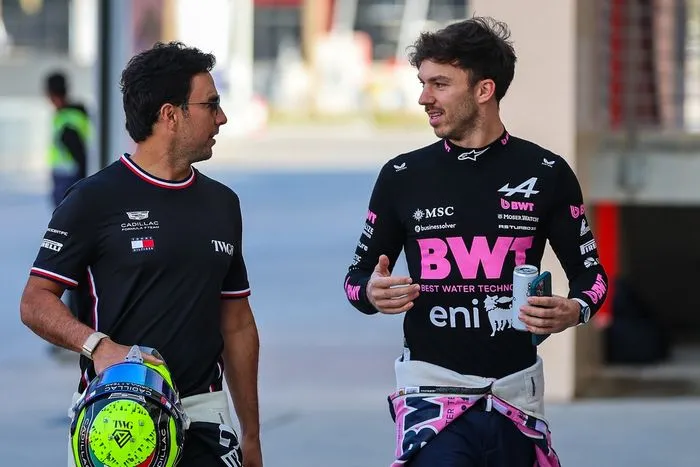
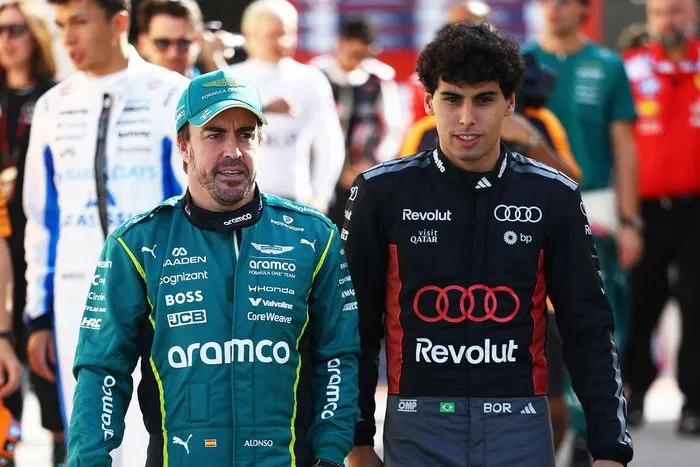
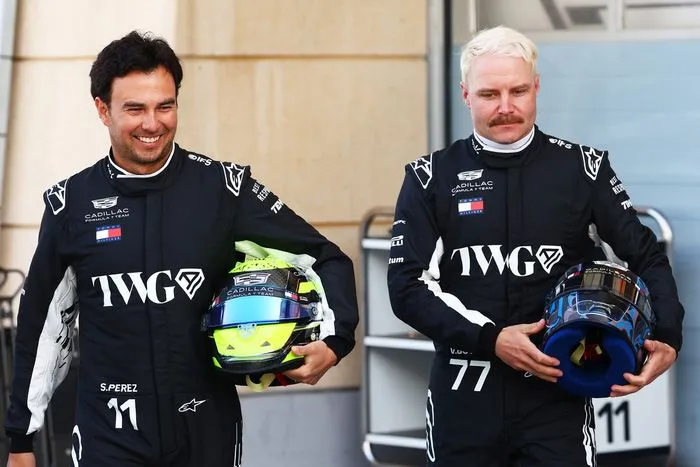
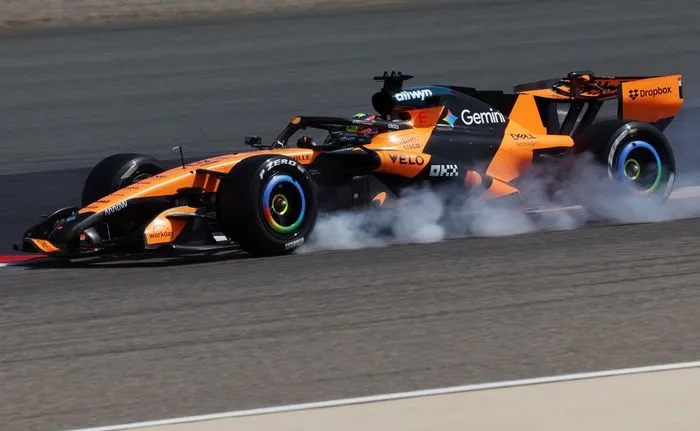
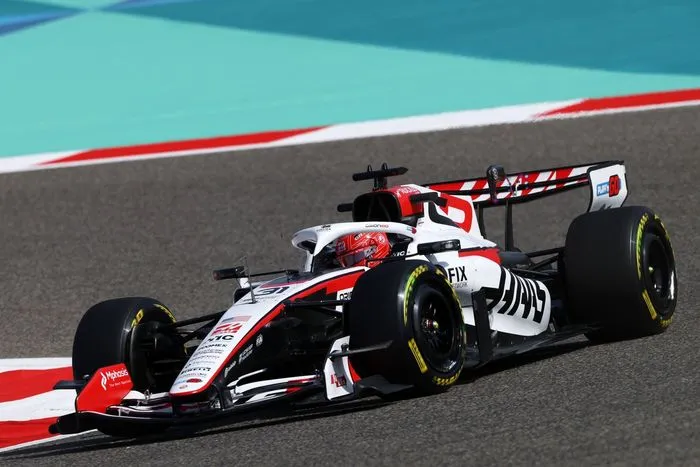
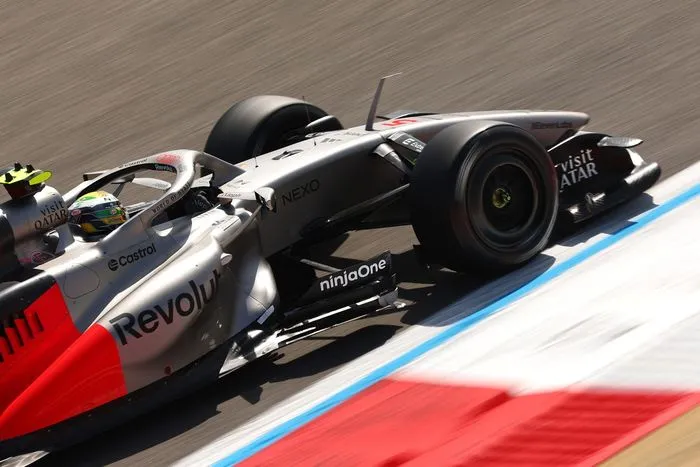
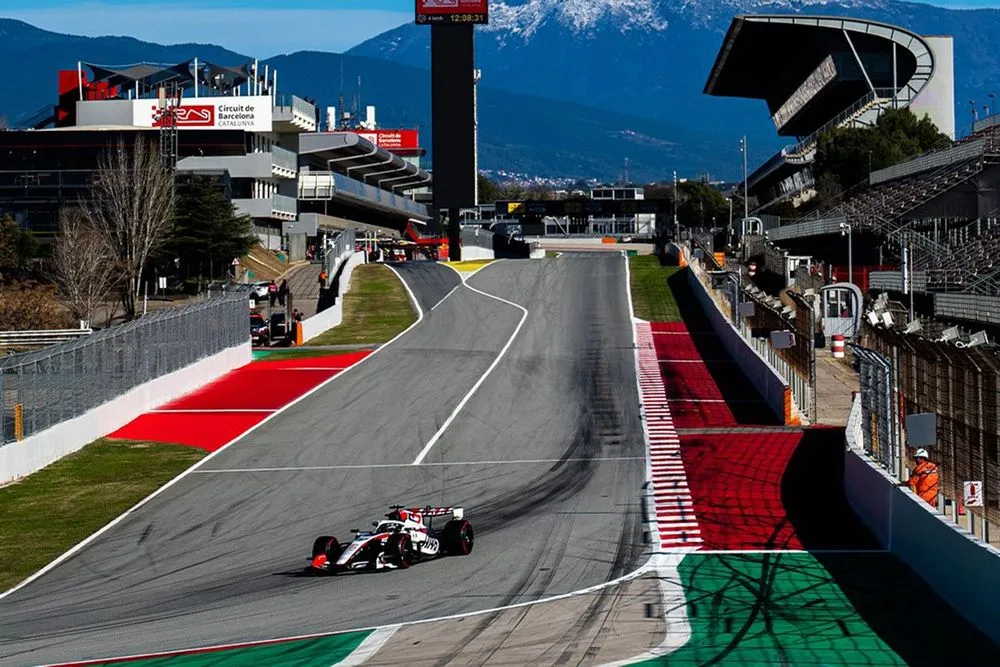
This positive outlook follows the initial collective shakedown held in Barcelona last month, with F1 now in Bahrain for a pair of official pre-season tests leading up to the season opener in Melbourne scheduled for March.
“It’s still too early to draw conclusions, but the teams are equipped with numerous data collection tools during pre-season testing,” stated Jan Monchaux, FIA’s single-seater technical director.
“They are not yet operating at their maximum weight. Although we cannot ascertain their fuel usage, the prevailing sentiment is that the cars are performing as we anticipated, possibly even surpassing our forecasts.”
This implies that lap times could be comparable to those witnessed in recent seasons, though consistent performance is likely to emerge later in the year as teams adapt to the new rules.
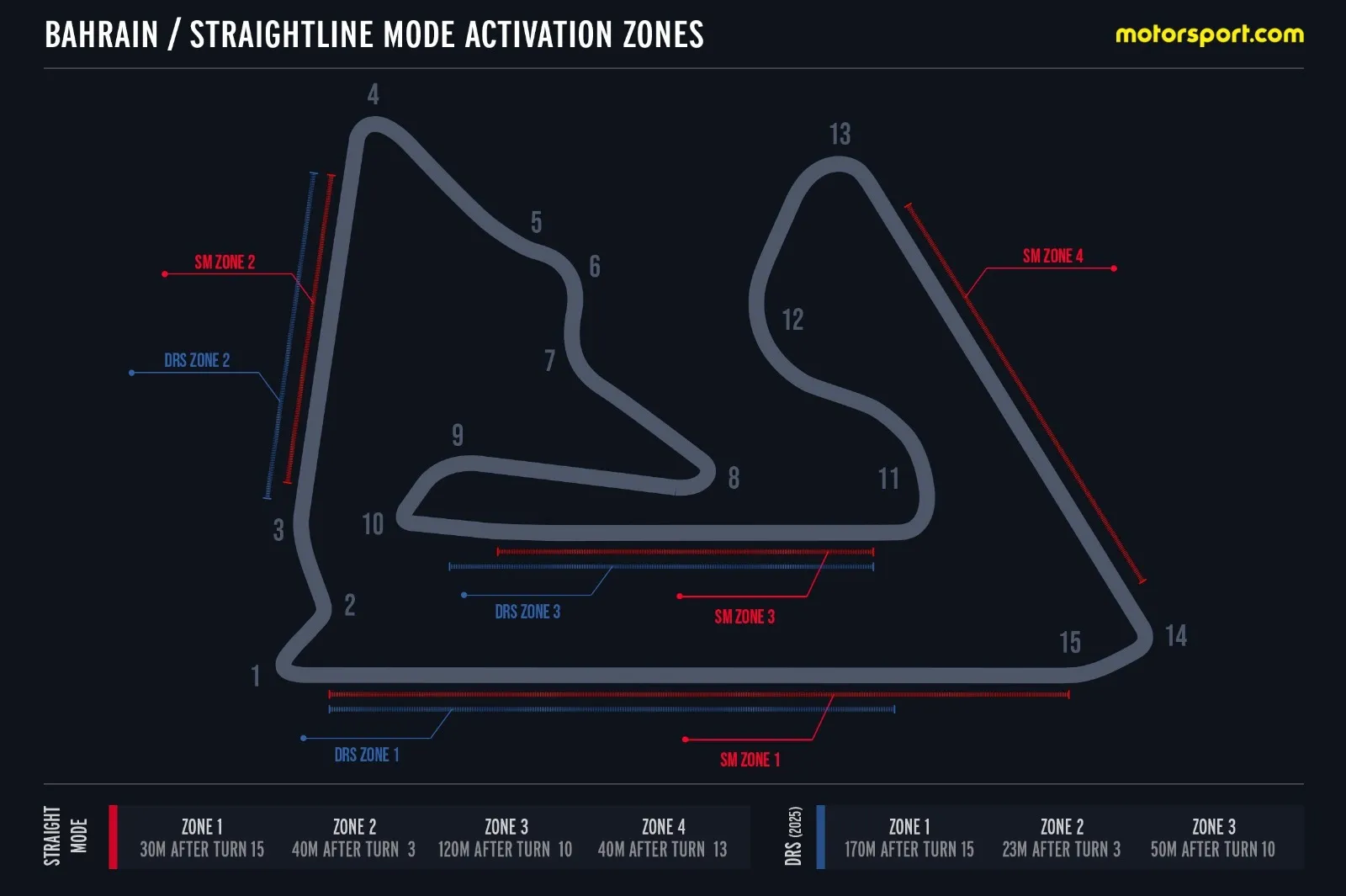
Track characteristics will also play a crucial role in this adaptation, as active aerodynamics and energy management will be pivotal in these new regulations. Their effectiveness will vary from track to track, leading to noticeable differences in downforce reduction.
“Performance will heavily depend on the specific circuit,” Monchaux added. “On certain tracks early in the season, cars may deliver race paces similar to those of 2025. On others, they could lag by a few seconds; it will differ. Teams are already working on updates, so I am confident that over the coming months, they will bridge the gap compared to 2025.”
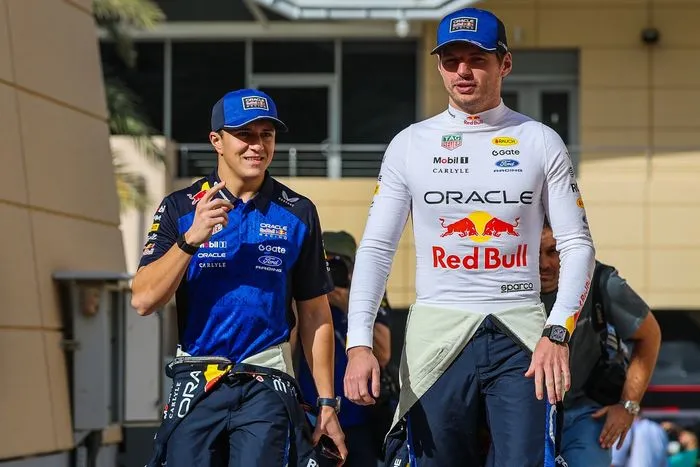
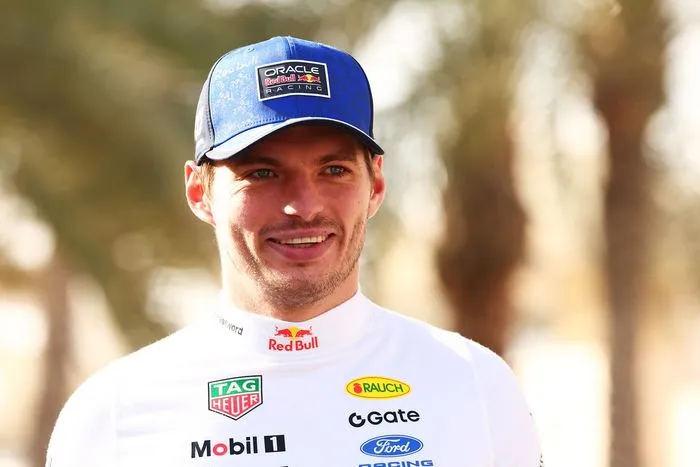
Mario Isola, Pirelli’s Motorsport director, believes that Bahrain might showcase performance levels akin to those of 2025. However, he does not anticipate this during the current week’s test — Max Verstappen clocked the fastest lap in the morning session with a time of 1:35.433, approximately six seconds behind last year’s best pre-season time.
“Some have speculated that the 2026 F1 cars will be significantly slower,” Isola remarked. “I disagree with that notion. In Barcelona, they were about two and a half seconds off last year’s race pace, which isn’t a substantial difference.”
“Keep in mind that no one was pushing to their limits in Barcelona, and no real race performance was tested there. Furthermore, new regulations often come with an essential development curve.”
“We’ve received simulation data from Bahrain suggesting that the performance levels will align closely with what we observed last year, which is quite remarkable given the significant changes to the cars.”
“During the initial Bahrain test, teams might not push to their full capabilities, leading to lap times that may not be entirely consistent. Nonetheless, the simulation results indicating performance in line with last year’s figures assure us that F1 won’t be slow moving forward.”
“We conducted a test in chilly conditions in Spain, where the track was not in optimal shape, and were still two to three seconds off last year’s lap times.”