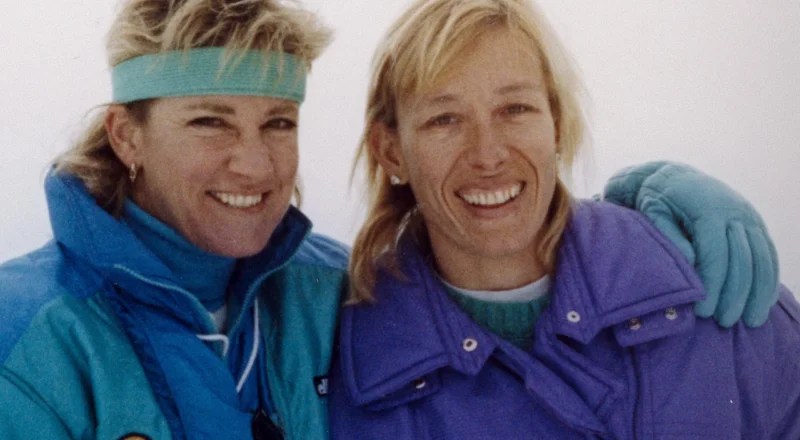


The essence of an era can often be captured through its athletes, a sentiment that resonates with anyone who grew up during the epic clashes of tennis legends. While my formative years were marked by rivalries like Graf versus Seles and Agassi against Sampras, my earliest memories are rooted in the captivating tale of Chris Evert and Martina Navratilova. Just watching the trailer for the new Netflix documentary,Chris & Martina: The Final Set, has already left me feeling emotionally overwhelmed.
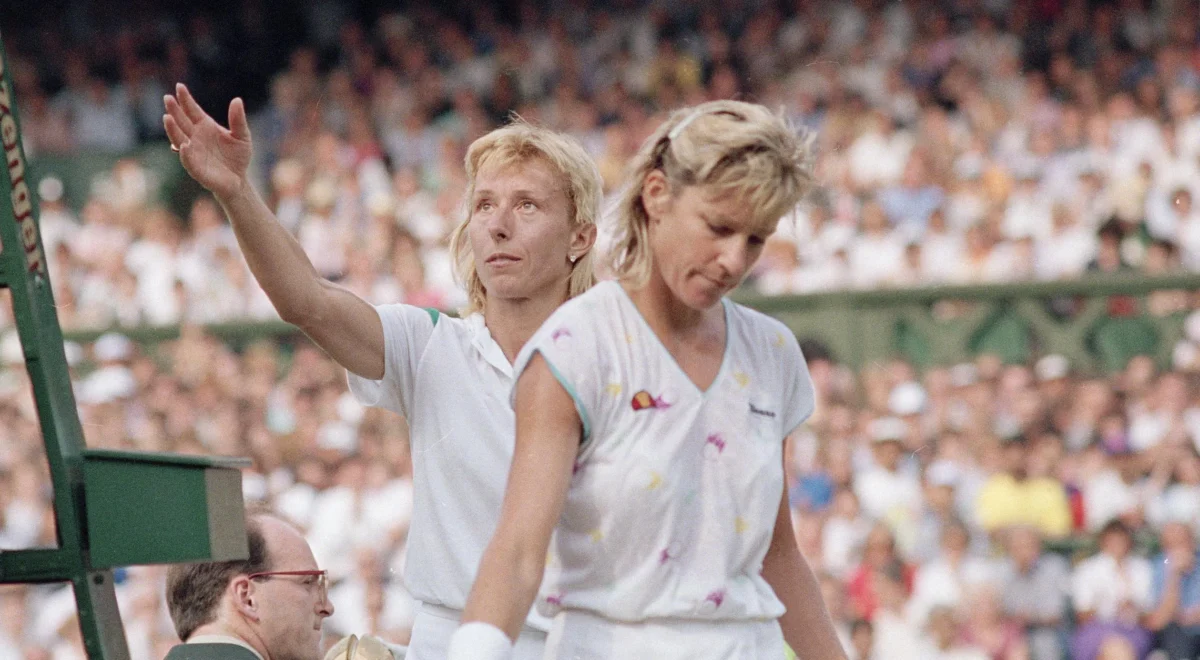
As Wimbledon approaches next week, this documentary revisits the significant moments of the late 1970s when Evert and Navratilova—“the most cold-hearted pursuers of greatness that you’ve ever met in your entire life” as described in the film—revolutionized women’s tennis. Their competition resembled legendary sports matchups, reminiscent of Rocky versus Apollo or Maverick versus Iceman. Evert, with her blonde hair and petite frame from Florida, stood in stark contrast to Navratilova, who, after defecting from communist Czechoslovakia in 1975, was initially out of shape and grappling with self-doubt. Over the following decade, Navratilova would evolve into a formidable champion, while Evert, my first tennis idol, gracefully transitioned to Monica Seles, my second, and later to Steffi Graf, who captured my heart permanently. Yet, it was Navratilova who ultimately left a lasting impact on all of us.
To provide context, growing up in the UK’s tennis-club culture during the late 1980s shaped my aspirations in a distinct way. It involved imitating the flamboyant style of Andre Agassi at Roland-Garros and fervently discussing brands like Yonex and Diadora as if they were sacred. For a decade, I dreamed of acquiring another white shell suit from Sergio Tacchini and a grand Tag Heuer watch, which had been a sponsor of Seles in the late 1990s. This era also fostered a disdain for Anna Kournikova, who, despite never clinching a singles title, secured lucrative sponsorships while Amélie Mauresmo, the genuine world No. 1, struggled to gain recognition.
It’s no secret that tennis has grappled with issues of homophobia for years. A generation prior, Evert enjoyed sponsorship from Rolex, while Navratilova faced immense challenges in securing her own endorsements. Despite this, Evert remained Navratilova’s only friend, a bond that came with significant costs on the court. It wasn’t until Navratilova’s girlfriend, a professional basketball player from Brooklyn, advised her to adopt a fiercer approach that she transformed into a determined competitor, fiercely vying against her friend. A memorable quote from Navratilova that resonates bitterly with many lesbians is.
“You need to kick her ass,”
As their rivalry intensified, both women found themselves in a battle fueled by the public’s preferential treatment towards Evert, particularly in the early stages of their careers. During the 1984 US Open finals, the audience rallied behind Evert, resulting in Navratilova being booed. Reflecting on that moment, Navratilova remarked, “I think I was influenced too much by my girlfriends.” She triumphed in the tournament, yet four decades later, the pain in her voice remains palpable.
The animosity directed at Navratilova stemmed not from her origins but from deeper societal biases. This reality became apparent when sports journalists questioned her about whether she believed she was “I don’t know if it’s because I’m gay or from a communist country,” I recall a moment at my grandparents’ home during a Wimbledon final when my grandfather made a disparaging comment about Navratilova’s impressive physique, suggesting she might be better suited for the men’s game. At the tender age of nine, I grasped the implications of that remark, sensing an unsettling truth.
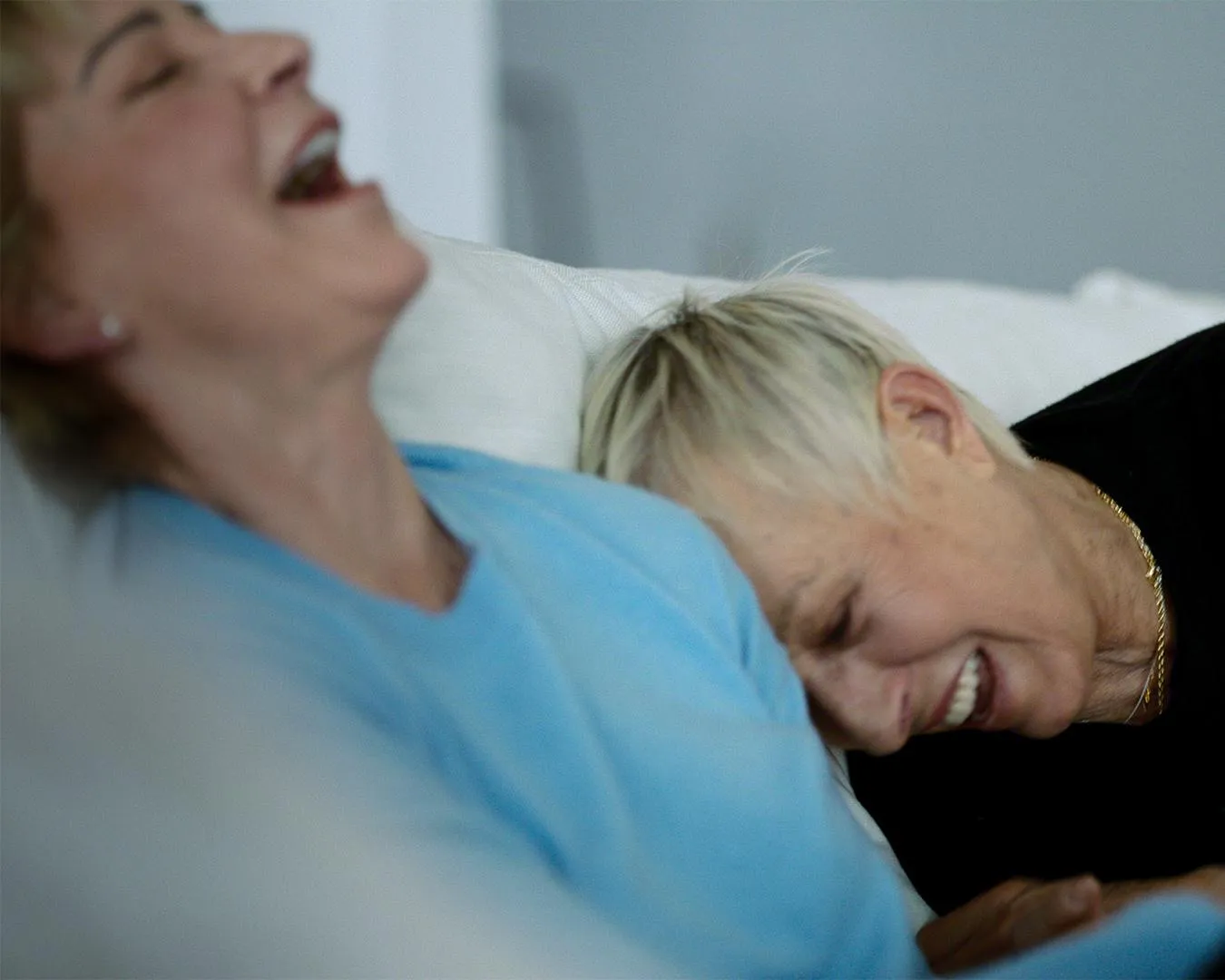
The documentary also delves into their personal struggles, particularly a shared cancer journey; Evert diagnosed with ovarian cancer and Navratilova facing both throat and breast cancers. Remarkably, the cameras captured intimate hospital moments, including a scene where a nurse casually called out, “but I’m American. And I’m a good person. And you guys are hating on me.” prompting a visceral urge to shout back at the screen in disbelief.
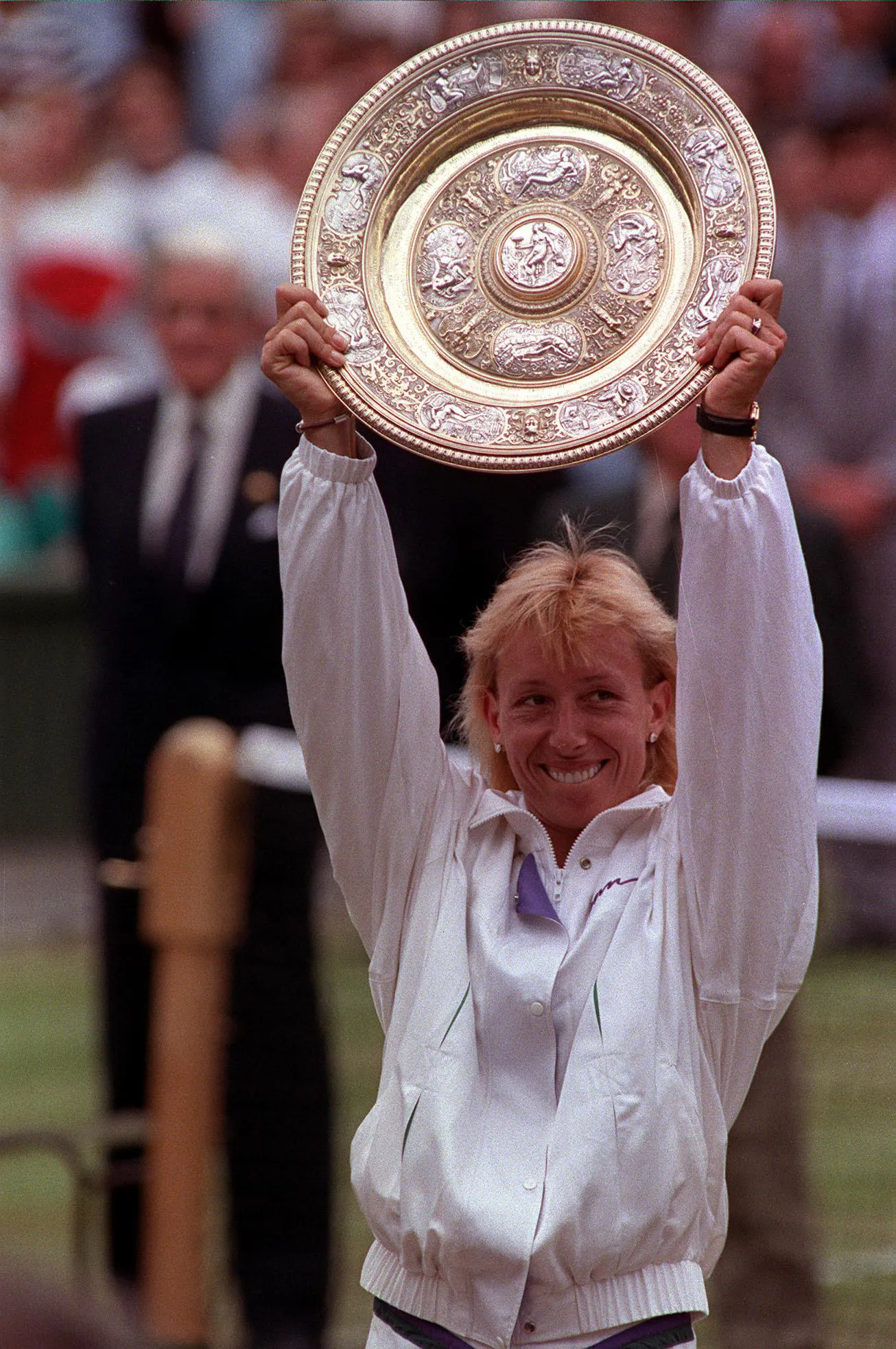
As their careers ended, a new generation of players emerged, and my admiration shifted towards Graf and the Williams sisters. However, I can never quite move on from that golden era. In 1990, Navratilova made her last singles appearance at Wimbledon, securing her ninth title—an image forever etched in my memory of her oversized glasses and bleached hair barely transitioning from a mullet.
By 1994, the tide had turned, and crowds embraced her with open arms. During her final Wimbledon farewell, she received a standing ovation lasting one minute and forty seconds. Tears flowed as she cried, and the audience shared in that emotional moment. Now, watching these two legends at ages 69 and 71, both bald from chemotherapy yet fiercely resilient, evokes a powerful response. Evert quips, “If I didn’t have a bum shoulder, I’d kick your ass,” as they leave the cancer ward, and I challenge anyone not to shed a tear.
- Emma Brockes is a Guardian columnist