

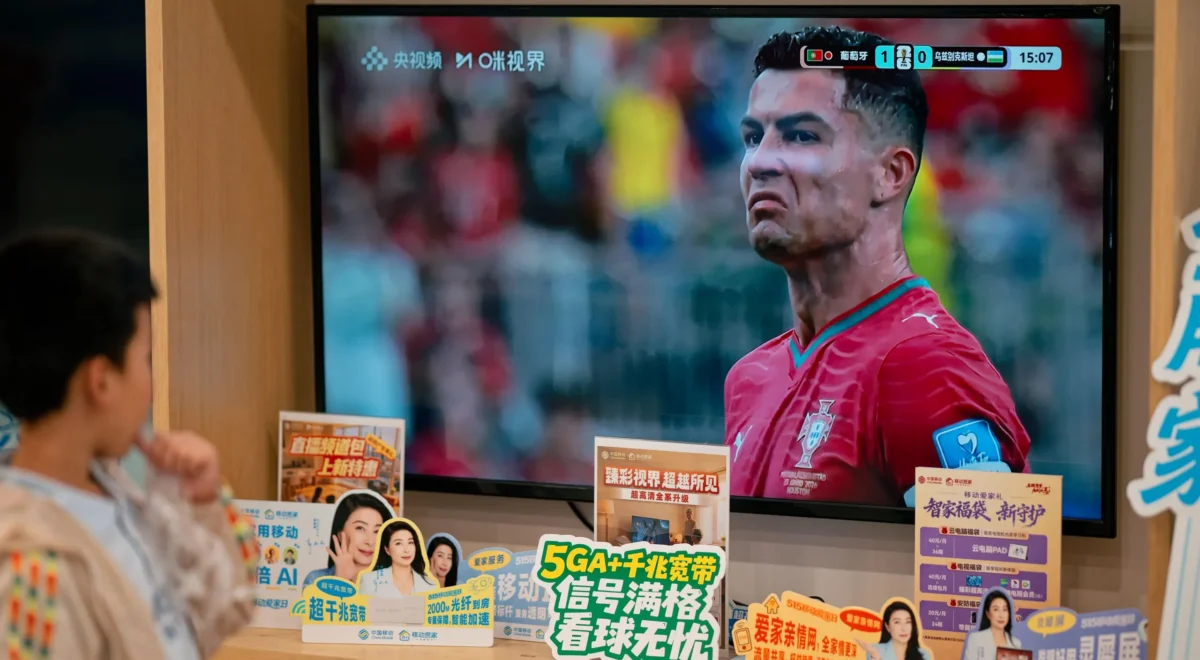
“C ristiano Ronaldo’s record-equalling sixth World Cup got off to a disappointing start,” began the match report regarding Portugal’s 1-1 draw against the Democratic Republic of the Congo last week. Indeed, everyone understands the nature of this game and its significance. On one side, it marks a monumental day in the sporting history of the world’s 15th largest nation. On the other, a 41-year-old player fails to find the net. It’s an obvious choice when it comes to headlines. The quest for those appealing keywords is apparent. Perhaps you noticed how I just followed that same formula.
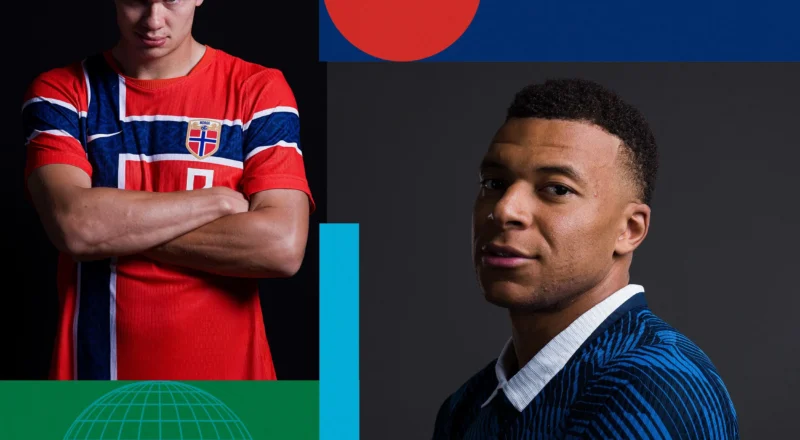
This summer, however, feels distinctly different, influenced by both on-field events and industry trends. This World Cup is packed with star talent, and these stars are being highlighted more boldly than ever. France doesn’t merely defeat Iraq; Kylian Mbappé challenges Erling Haaland, Harry Kane, and others. Google trends reveal that Miroslav Klose’s goal record has garnered more searches during this tournament than at the time he achieved it. At times, the group stage appears to serve merely as a prelude to the real contest: who will claim the Golden Boot? (Can Lionel Messi finally secure the one trophy missing from his collection?)
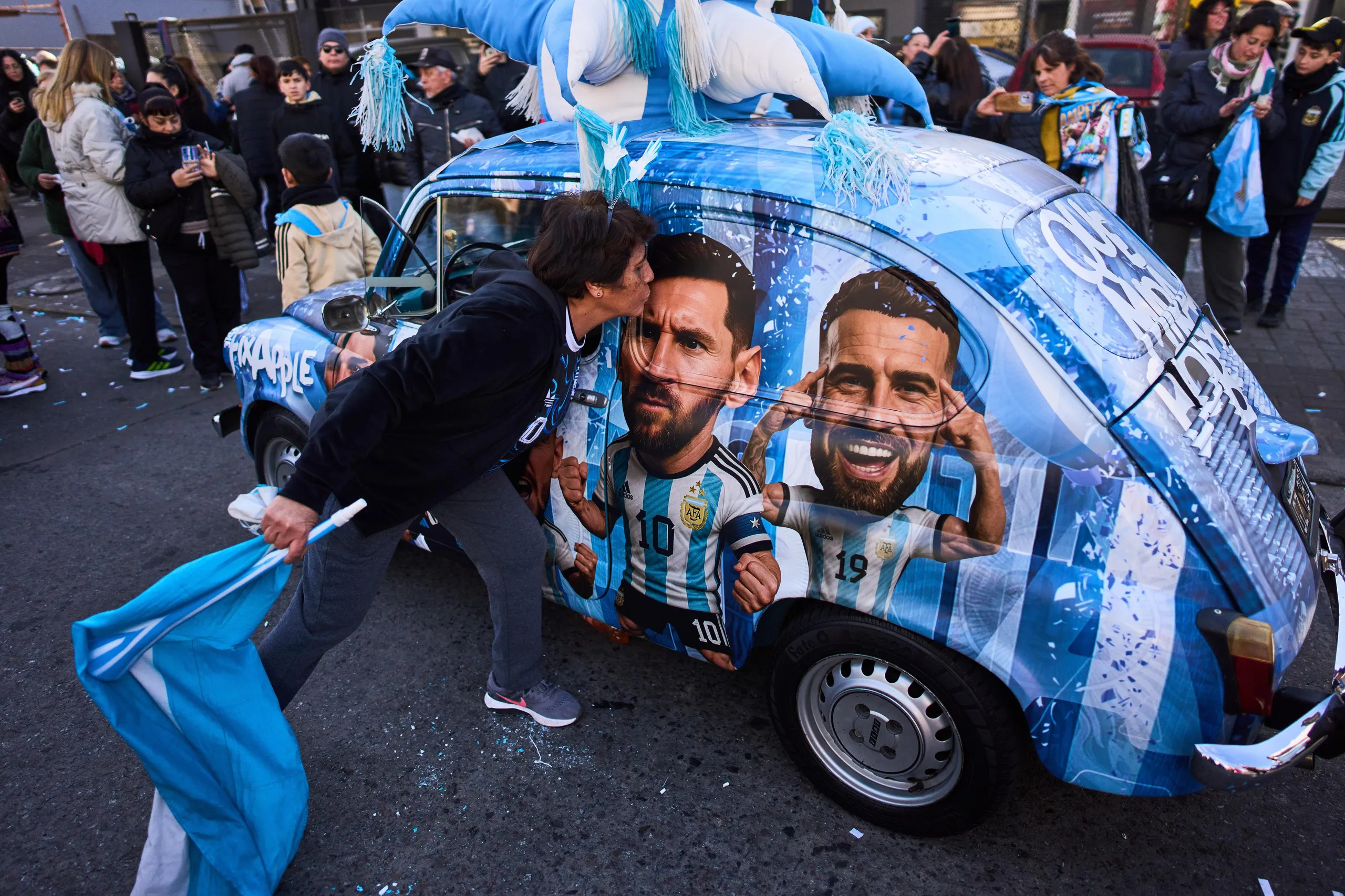
Previously, individual success contributed to team triumph. Now, it seems the opposite is true. Argentina doesn’t win the World Cup for its country; they win it for Messi. A victory for Portugal would be a remarkable milestone for a nation of 10 million, showcasing its footballing culture, youth development, and a coaching legacy that dates back to the tactical evolution of 40 years ago. Yet, all of this would be overshadowed by the stellar narrative of one immensely popular athlete achieving even greater heights.
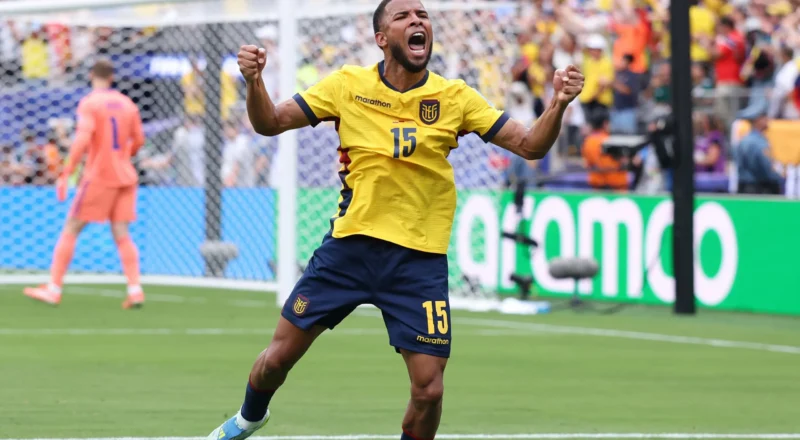
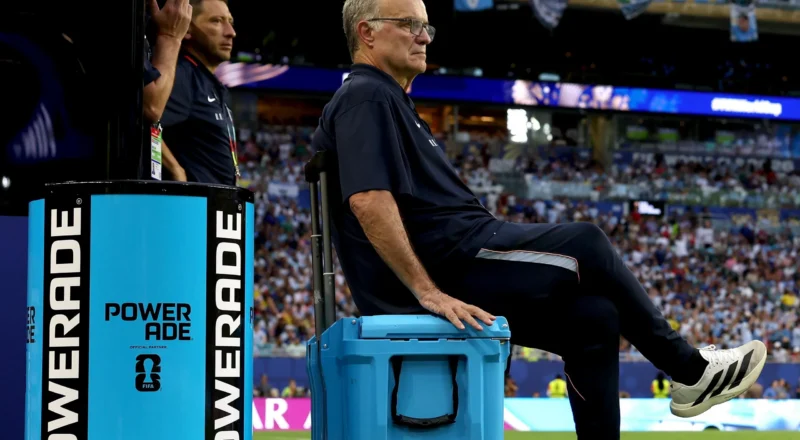
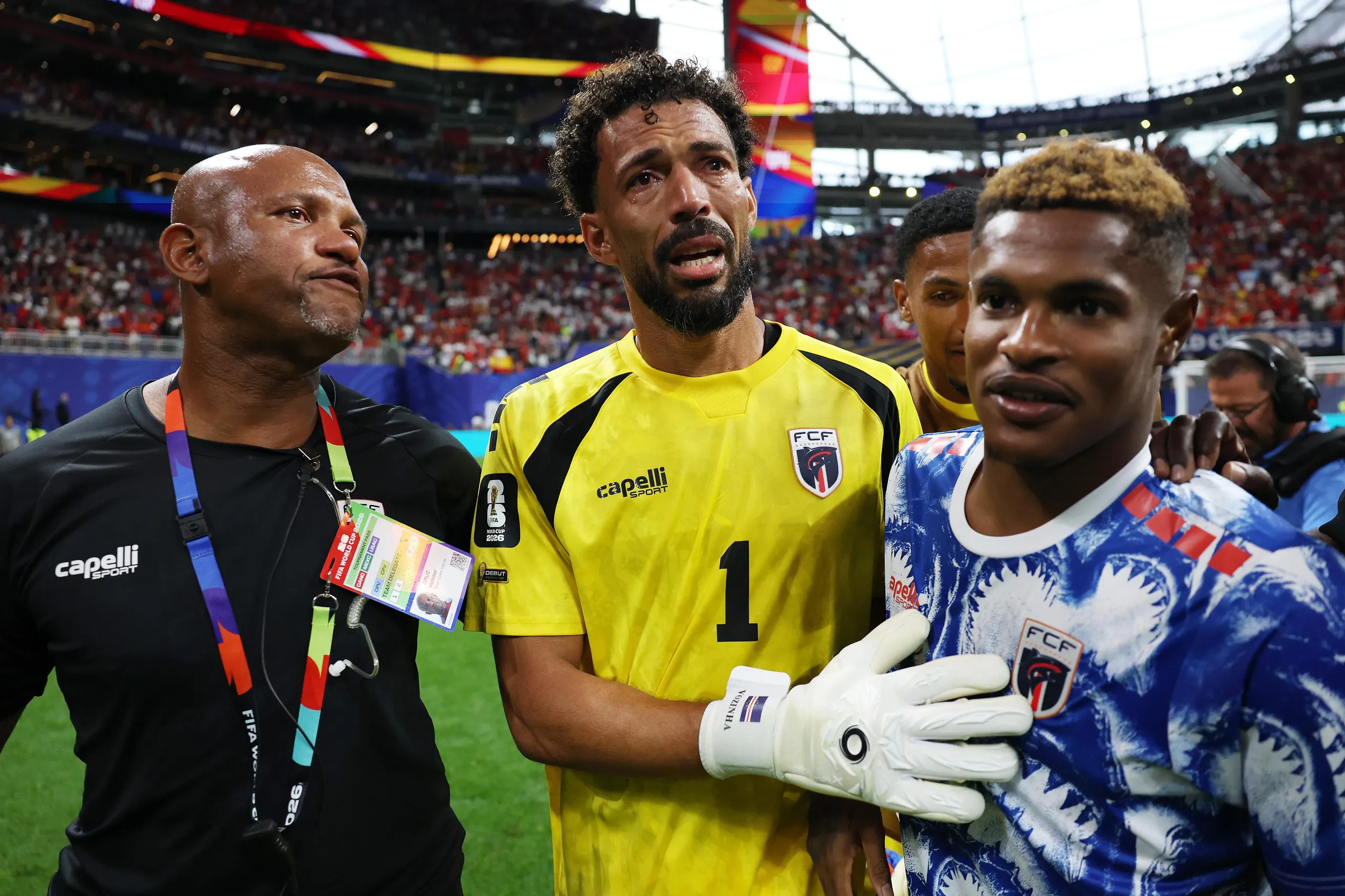
However, the glorification of individual players extends beyond just the headline acts. Lesser-known figures like Vozinha and Eloy Room have been heralded as the key figures in their team’s successes. David Beckham has been more prominent at this World Cup than in some of the tournaments he participated in. Meanwhile, Zlatan Ibrahimovic on Fox Sports, despite having zero goals in two World Cups, has become the king of viral video clips. Even those who prefer to stay out of the spotlight find themselves in it: Marcelo Bielsa’s official portrait has gone viral, capturing him looking down with a somber expression, reminiscent of a folk singer about to release a deeply personal album.
Such occurrences are no coincidence. They are not solely a result of the rise of algorithm-driven media or simply catering to audience desires. The unique dynamics of contemporary international football, characterized by a broader talent distribution and reduced training time, explain part of this phenomenon. However, it largely stems from numerous small decisions that have led to an intense focus on individuals in a game that’s fundamentally about teamwork. The advent of cinema-style cameras that blur the background while concentrating on a single subject perfectly embodies this trend.
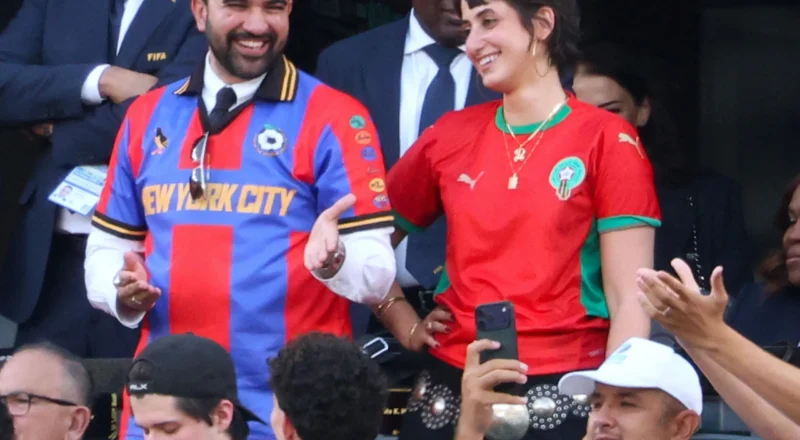
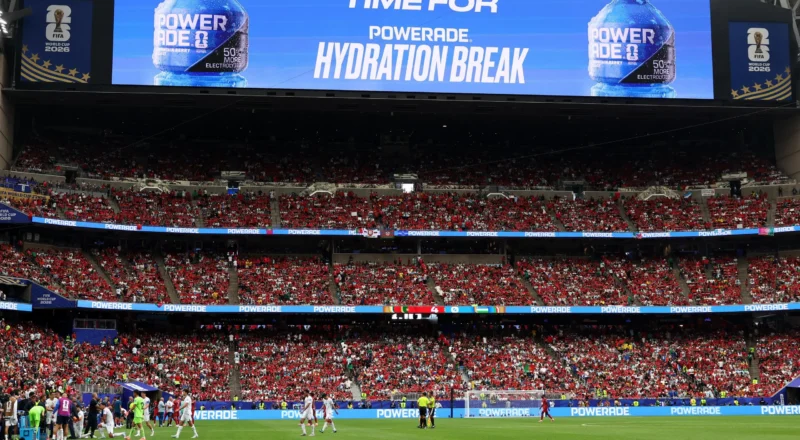
The upcoming knockout stage will introduce more isolated player-focused cameras. Directors will seize every chance to divert attention from the on-field action to showcase celebrities, enthusiastic fans, and lingering shots of Gianni Infantino deep in conversation, possibly having the laws of the game explained to him once more. Furthermore, with the game increasingly interrupted by stoppages—such as video assistant referee decisions, substitutions, and hydration breaks—it’s likely to be defined by individual moments of brilliance.
This might simply reflect the traits of a more self-absorbed era. Athletes are influencers, fans are participants, and the president of FIFA plays the role of the director, writer, producer, and star of his own show: akin to a version of Citizen Kane, but without dialogue, set to Macarena, stretching four hours, and situated half a mile from the sun. For Infantino, this may represent his ideal conception of football in its purest form: a sport tailored for the Truth Social generation, football intertwined with IShowSpeed, the latest season of Keeping Up With The Footballs.
If this appeals to you, that’s perfectly fine. The customer is always right, after all. But what becomes of the sport itself when we are encouraged to view it solely through the lens of individualism? What narratives are neglected, what perspectives remain unexplored?
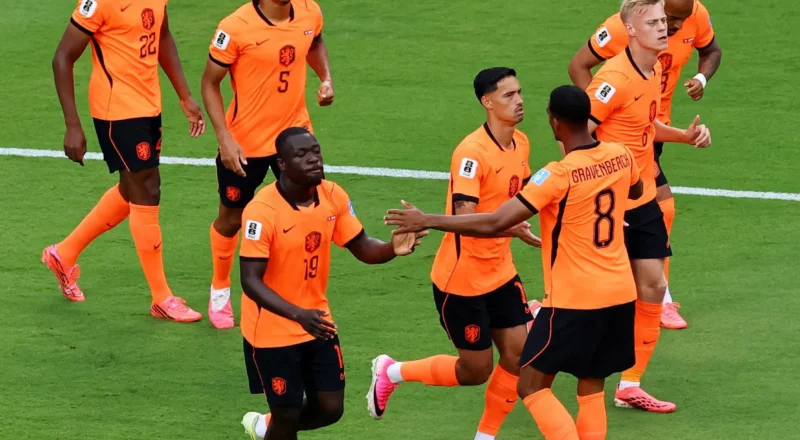
The modern narrative, which heavily favors superstars, ironically enhances rather than diminishes the significance of collective effort. It was only when accompanied by a team greater than the sum of its parts that Ronaldo found success in 2016, Mbappé in 2018, Messi in 2022, and Haaland with Manchester City in 2023. The cultural idolization of Diego Maradona has led to the 1986 Argentina team he played with—Jorge Burruchaga, Sergio Batista, Oscar Ruggeri—becoming some of the most underrated players in World Cup lore.
Thus, football’s obsession with individualism can be seen as more than just a stylistic choice; it represents a deliberate simplification of a complex game. Player X performs Player X’s actions: it’s straightforward. Delving into football’s intricacies—how 22 players interact, the strategies and relationships, the collective history, identity, and traumas, and how coaches translate abstract ideas into physical execution—is far more complex. Yet, that complexity is part of what makes this seemingly simple sport truly beautiful.
The deeper you explore, the more you discover. The more you uncover, the more you learn. The more you learn, the more you comprehend. The more you understand, the deeper your appreciation becomes. But then again, what happens if you choose not to explore at all?
- World Cup 2026
- Social media
- Fifa
- Gianni Infantino
- Football politics
- World Cup
- Lionel Messi
- comment