

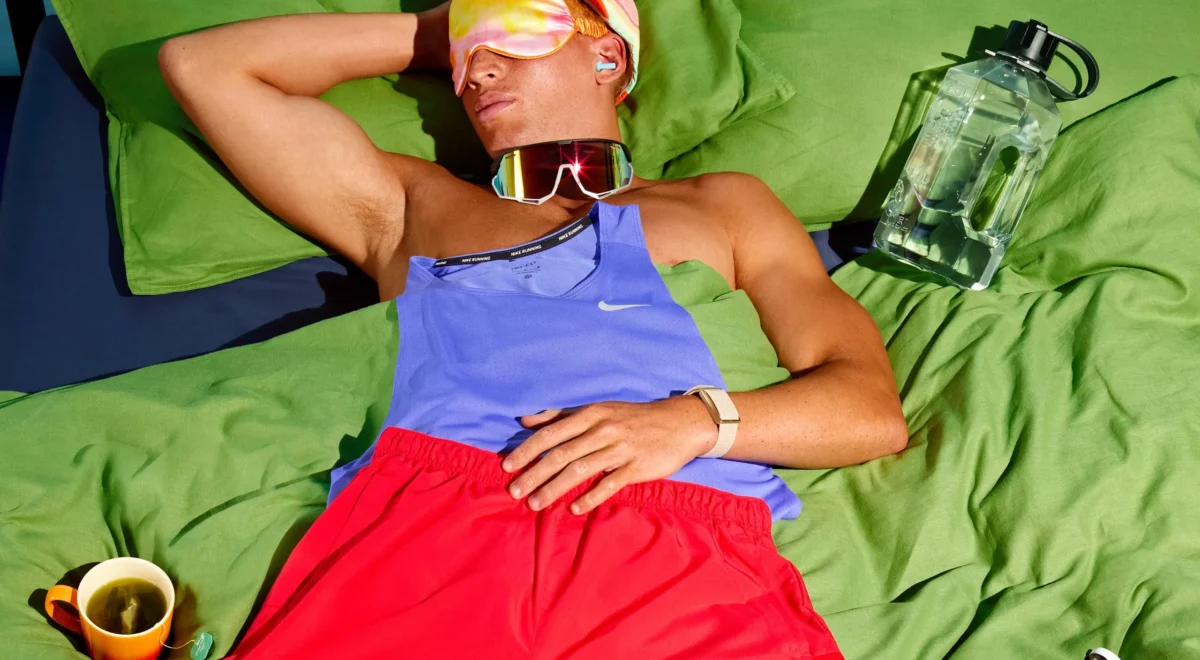

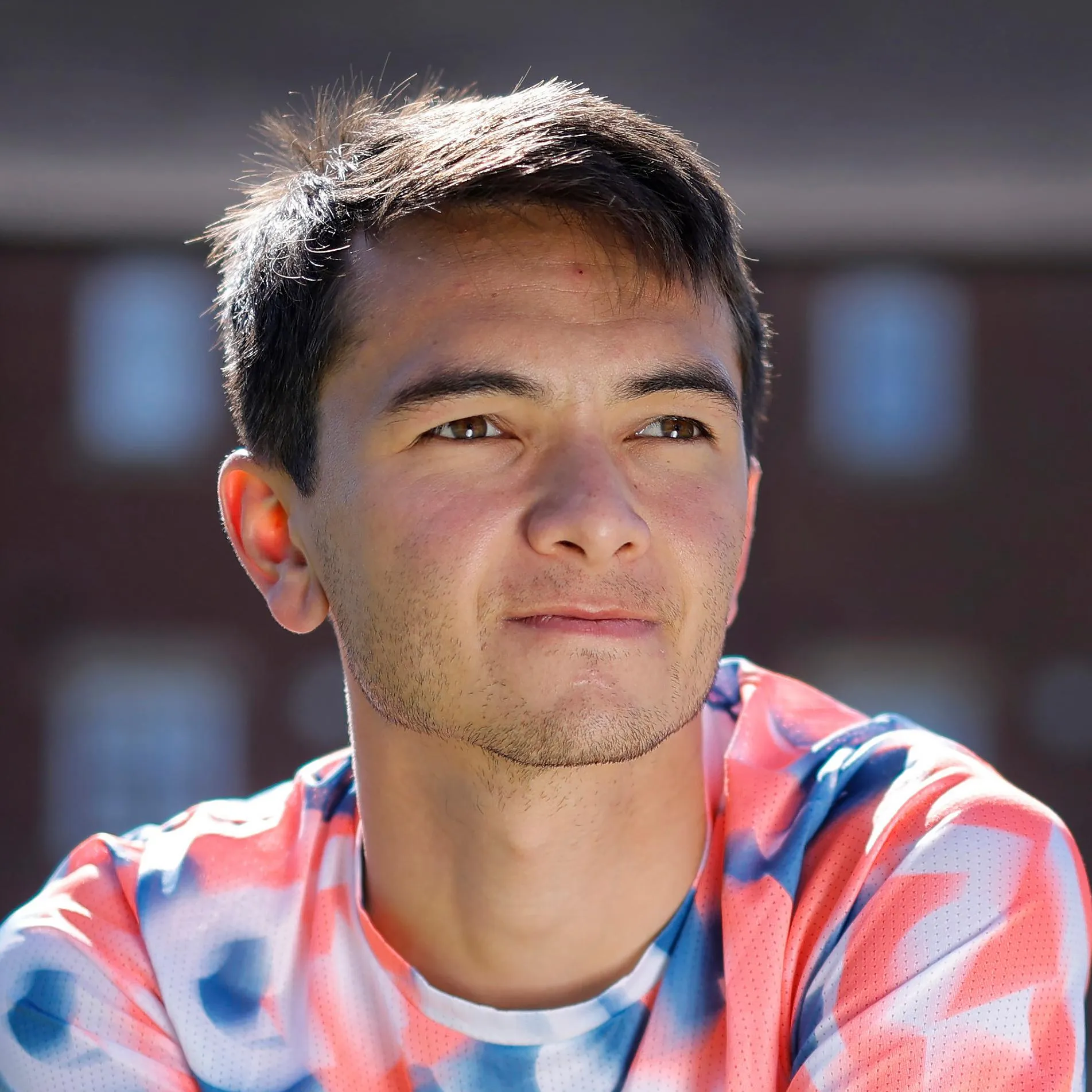
‘The Olympic Village is one of the toughest places to get a good night’s sleep’
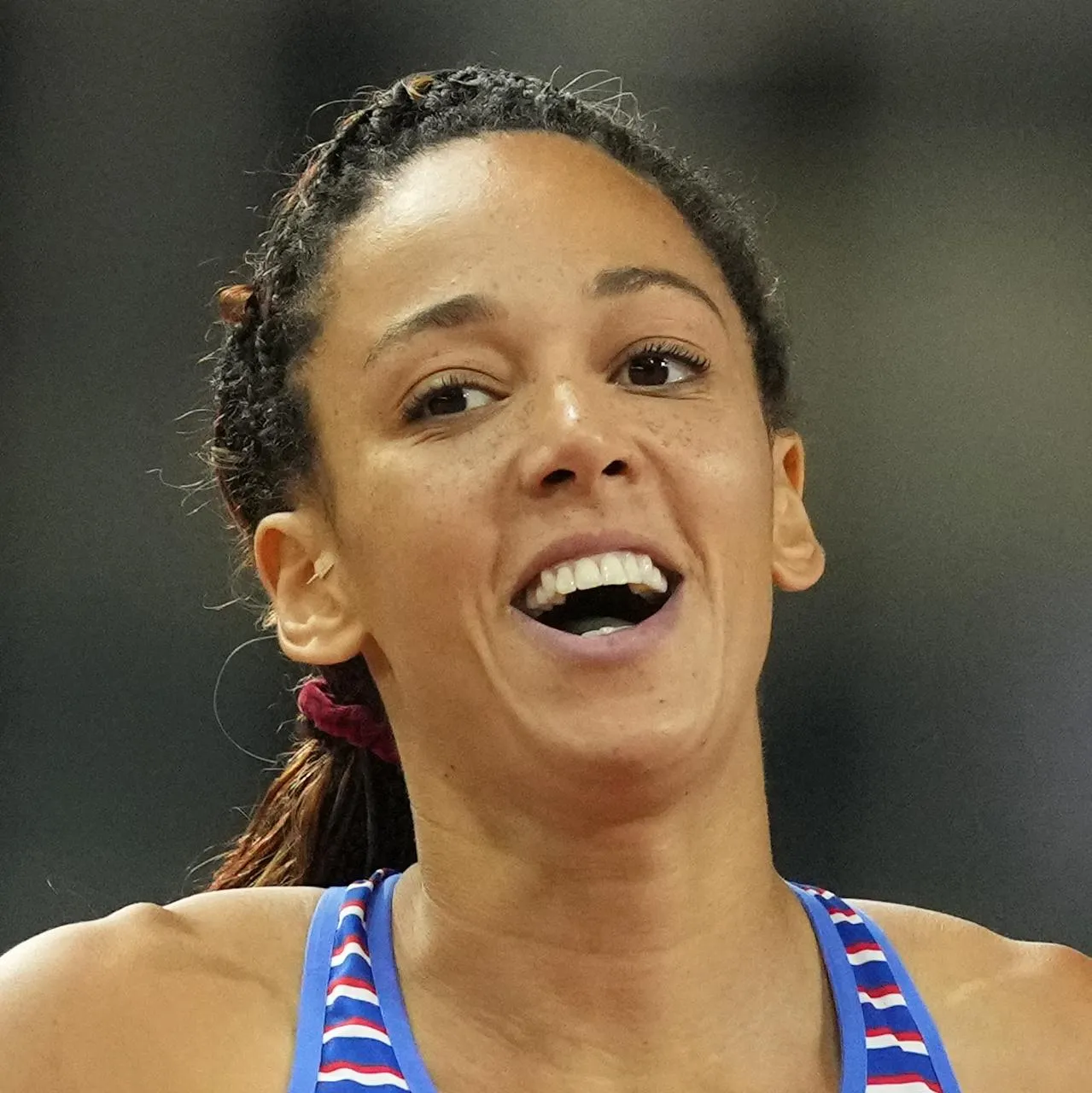
Katarina Johnson-Thompson
Katarina Johnson-Thompson, a prominent heptathlete and indoor pentathlete representing Team GB, has secured multiple world and Commonwealth titles, along with an Olympic silver medal in her primary event. The 33-year-old athlete underscores the necessity of mental clarity to excel in the complex skills required for her seven events, including hurdles and high jump. She acknowledges that insufficient rest can lead to a decline in performance, as she prepares for the upcoming European Athletics Championships in Birmingham from August 10-16.
How many hours do you sleep at night? I usually go to bed around 10 p.m. and wake up at about 7 a.m. Sundays are my rest days, while Thursdays tend to be less physically demanding, which sometimes results in restlessness.
Do you track your sleep? I did monitor it for a while using a Whoop band, but I became overly focused on it, so I’ve stopped doing that for the past couple of years.
Do you eat or drink anything before bed? Recently, I’ve been experimenting with a trend involving kiwi fruit. It’s believed that kiwis contain vitamins and antioxidants that can enhance sleep quality if eaten a few hours before bedtime.
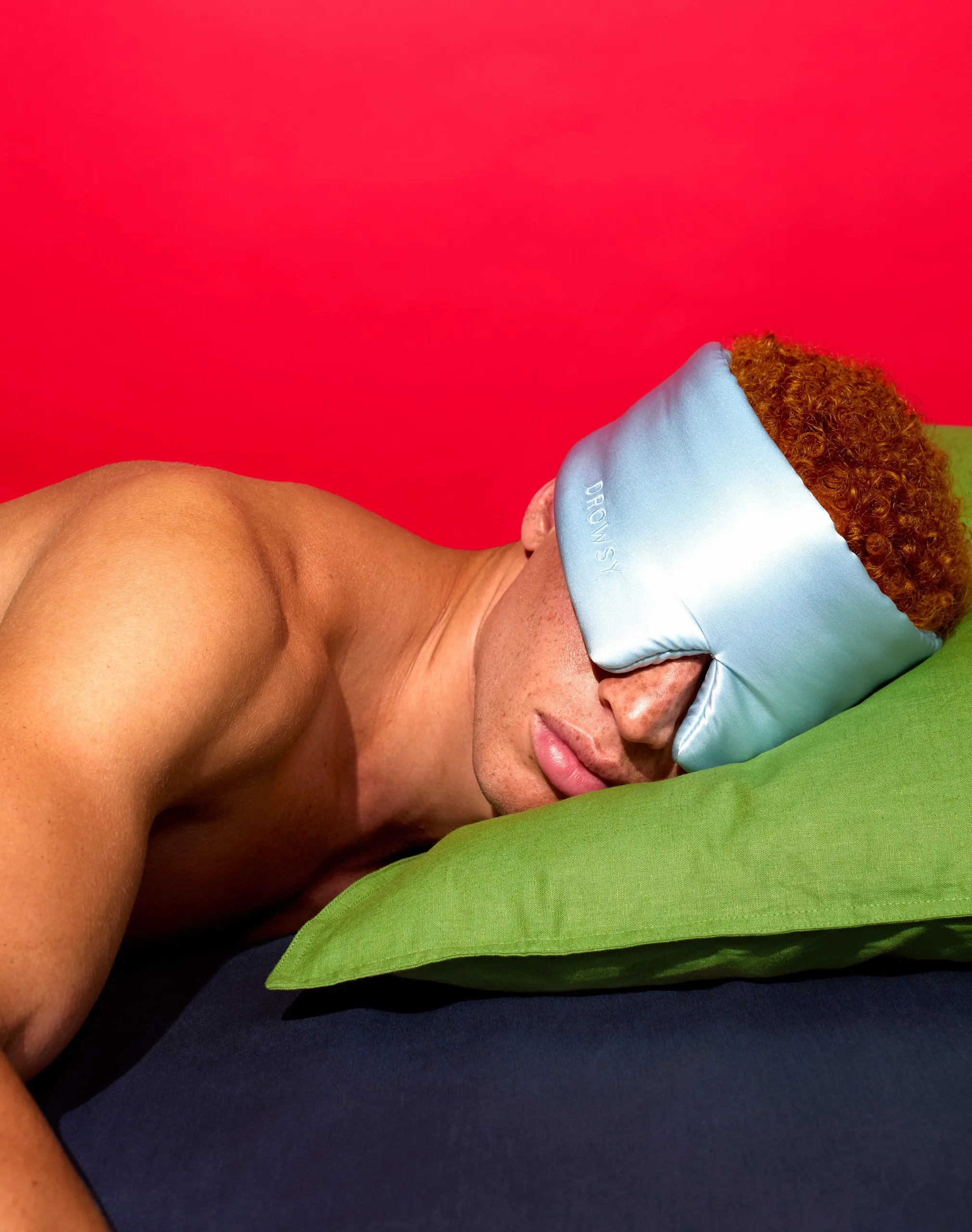
Do you use any gadgets or sleep aids? I rely on a satin blue sleep mask from Smug and suggest using a weighted blanket to help reduce tossing and turning.
How do you stay rested while traveling for competitions? Upon arriving at a new location, I always open the curtains right away to let in natural light, which helps my body adjust. Athletes generally adapt well to various hotel settings, but the Olympic village can be particularly challenging for restful sleep due to its thin walls and basic bedding.
How do you secure a good night’s sleep before an important competition? In the heptathlon, I compete in four events on the first day and three on the second. There are times when only 12 hours separate the last event of the first day from the first event of the second day, leaving me with just four hours of sleep. It can be quite stressful, but if I’ve accumulated enough rest during the week leading up to the competition—averaging 10 to 11 hours a night and including naps—it significantly aids my relaxation.
What’s your top sleep tip? The most valuable advice I’ve received comes from Steve Peters, a psychiatrist I’ve worked with throughout my career. He emphasizes that one cannot trick oneself into thinking a competition isn’t important; both the body and mind recognize its significance. Thus, it’s crucial to calm anxious thoughts before bed.
“Now is not the time to think about this.”
I designate times the following morning, such as 8 a.m. while brushing my teeth, to reflect on the competition.
Johnson-Thompson is currently collaborating with Holland & Barrett on a health initiative that offers complimentary wellness checks in-store.
‘Late kick-offs are a big challenge – your body needs time to calm down before you can rest’m trying to sleep on a plane, I’ll go on YouTube and play six hours of second world war history facts’
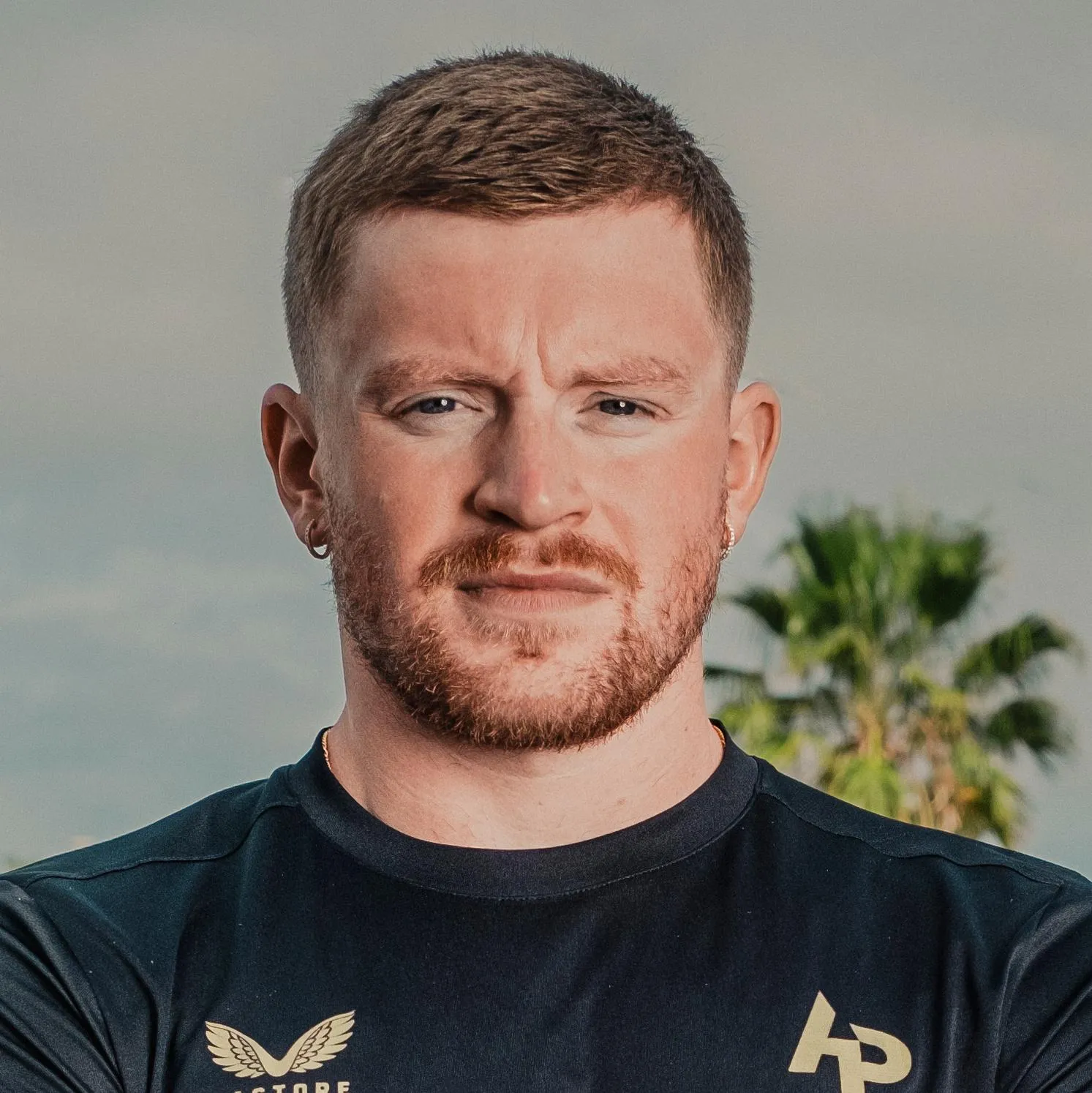
Adam Peaty, an Olympian with three gold medals and the world record holder for both the 50-meter and 100-meter breaststroke, also manages the demands of fatherhood. Balancing early mornings that start at 6 a.m. with parenting challenges means he prioritizes deep sleep rather than adhering to strict bedtime routines.
How many hours do you sleep at night? Last night, I went to bed at 8:30 p.m. after a weekend of racing and woke up at 6 a.m. Many people misunderstand sleep; it’s not just about the time spent in bed, but rather the quality of that sleep.
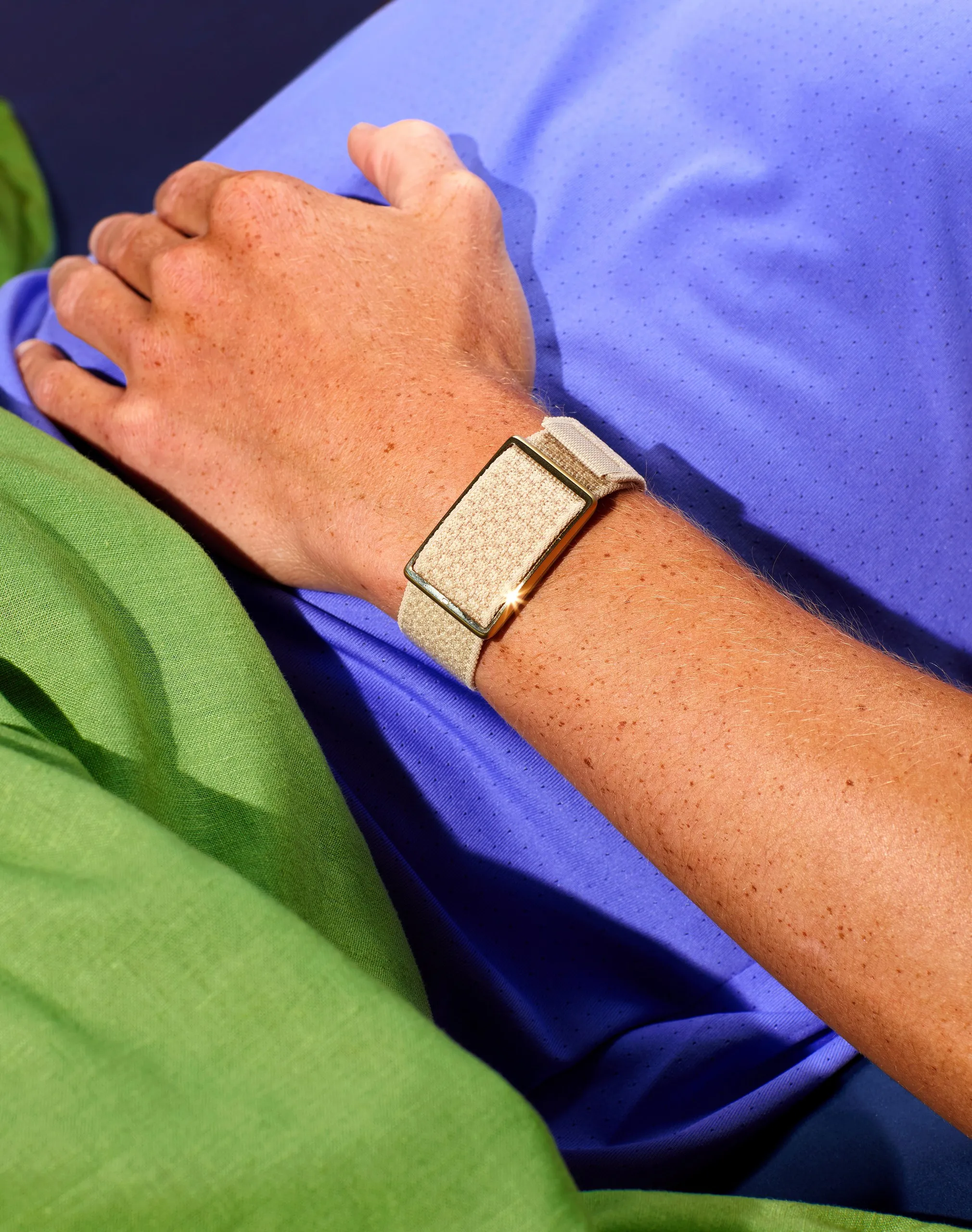
Do you track your sleep? I wear a Whoop device that tracks my sleep cycles and depth. Our sports science team also performs blood tests to monitor various biomarkers, including testosterone, melatonin, and magnesium levels—all of which are linked to our circadian rhythms.
Do you eat or drink anything before bed? No amount of sleep aids will help if I indulge in sweets before sleeping. I aim to eat roughly three hours prior to bedtime to avoid any digestive issues while resting. Staying hydrated is also essential; I keep a two-liter bottle nearby in case I wake during the night.
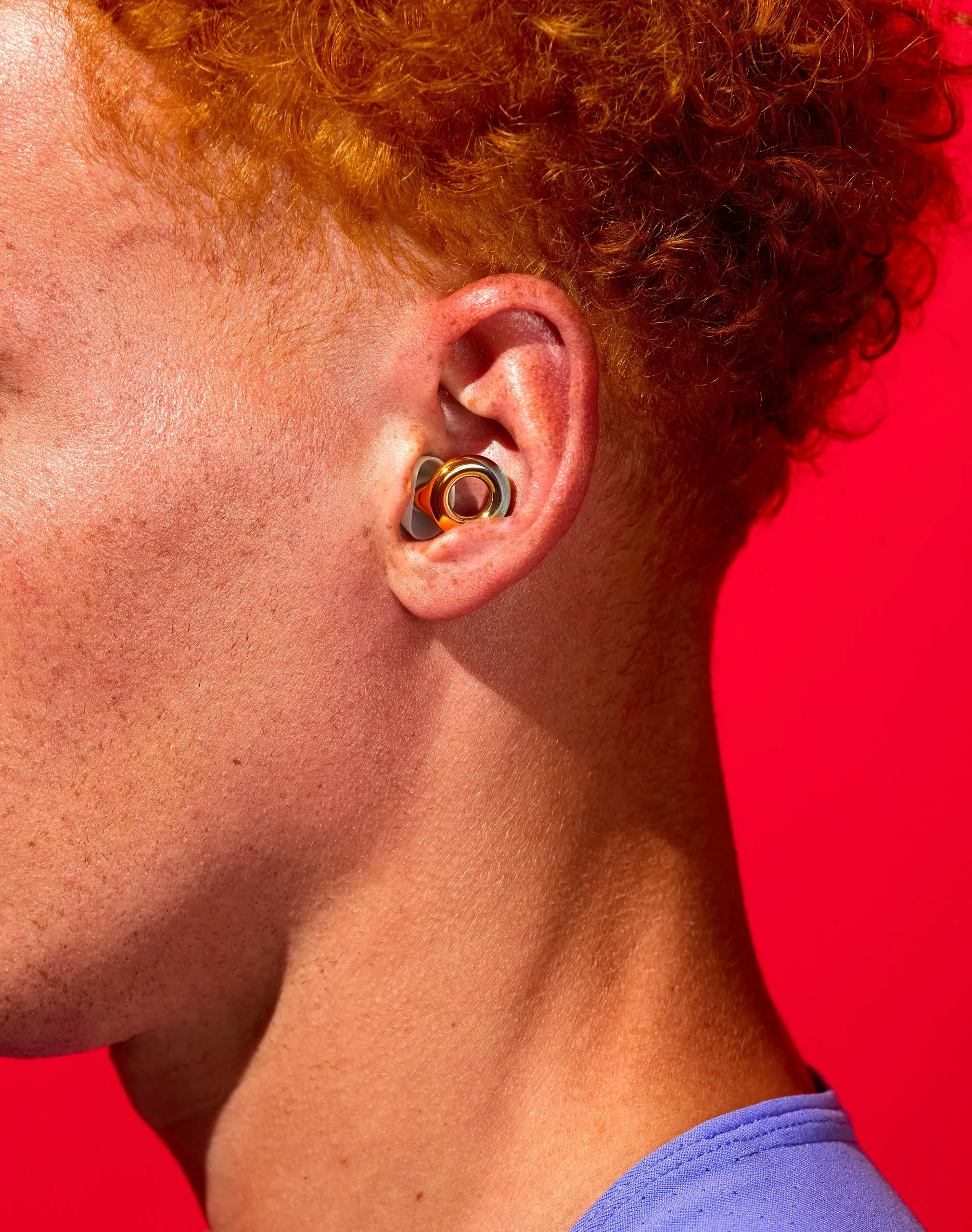
Do you use any gadgets or sleep aids? I rely on an eye mask to block out light and Loop earplugs, as living in London means that even a single loud noise can disrupt my REM sleep cycle.
Have you purchased any bedroom accessories to aid sleep? I utilize three firm pillows: one for between my hips to maintain alignment, another for my arm, and one more for my head.
How do you stay rested when traveling for competitions? If I’m trying to sleep on a plane, I’ll often watch six hours of WWII documentary videos on YouTube; it helps me drift off. For the Olympics, we bring our own pillows. At my racing weight of around 95kg, a poor mattress can hinder my ability to rest; we also take our own mattress covers for extra support.
How do you achieve a good night’s sleep before a major competition? Research increasingly highlights the impact of sleep debt and the importance of consistent quality rest. We strive for two to three weeks of great sleep leading up to a competition. However, I have performed remarkably well on just four hours of sleep; consistency tends to be more important than perfection.
“How alert and ready do you feel today?”
Ezri Konsa, who played a crucial role in helping Aston Villa clinch the 2025-26 UEFA Europa League title and advancing England to the World Cup semifinals, has tailored his sleep schedule to maintain peak performance amid a busy season of Premier League and international matches.
How many hours do you sleep at night? I generally aim for a minimum of seven to eight hours.
Do you use any gadgets or sleep aids? I’ve been fortunate in my ability to fall asleep, so I don’t require any special gadgets, although I do use a Whoop device.
How do you stay rested while traveling for games? Staying in a hotel before each match has become routine for me. To combat jet lag, I avoid fixating on the time back home, as it can hinder my adjustment. Late kick-offs pose significant challenges; even after the game, the adrenaline can keep me awake, making it hard to relax and sleep.
What do you do when facing pressure before a big game? Preparation is crucial. When I’ve trained well throughout the week, I feel confident entering the match, which helps me stay relaxed, even for the most significant games.
What’s your top sleep tip? Consistency is key—aim to go to bed at the same time every night.
“Do you feel irritated or stressed?”ve invested in a good mattress that supports my back. It also has a cooling layer so I don’t get too hot’
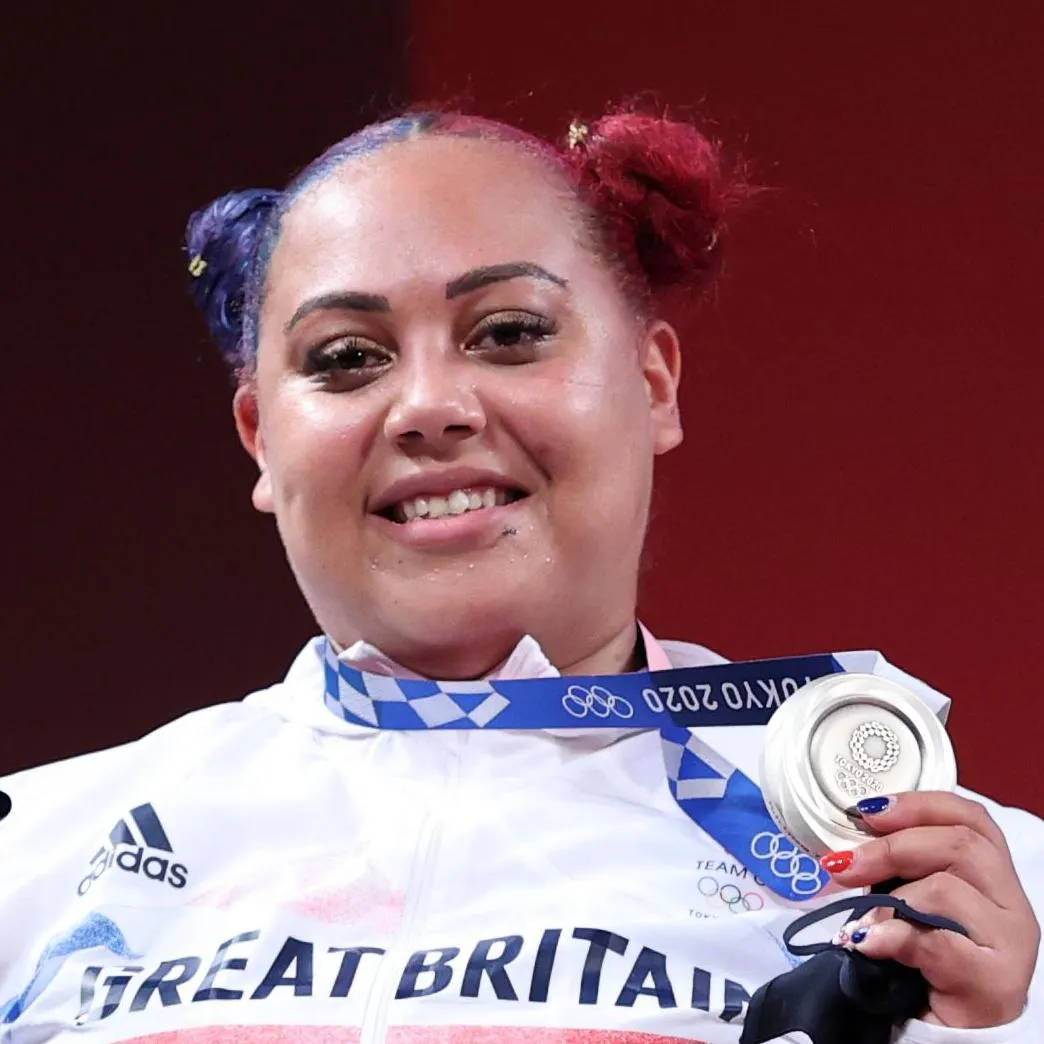
Emily Campbell, a 32-year-old weightlifter, is gearing up for her third Commonwealth Games this summer in Glasgow, running from July 23 to August 2. After lifting weights greater than that of a baby elephant, she understands that fatigue can lead to dangerous outcomes.
How many hours do you sleep at night? I usually settle in by 9:30 p.m. and fall asleep between 10 p.m. and 10:30 p.m. I generally wake around 8 a.m.
Do you track your sleep? On training days, I complete a morning questionnaire for my coach, addressing questions like, “Do you feel like you slept well last night?” and ‘Picking some mint leaves before bed is a little routine’ If I report poor sleep and feeling irritable, my coach adjusts our training plan accordingly.
Do you eat or drink anything before bed? I like to enjoy peppermint and honey tea before sleeping, along with my daily vitamins, generally vitamin D and glucosamine, plus two scoops of creatine.
Do you use any gadgets or sleep aids? I’ve invested in a high-quality mattress that provides proper back support and includes a cooling layer to help regulate my temperature while I sleep.
What do you avoid before bed? I make sure not to go to sleep hungry; proper fueling is vital for enhancing both training and sleep quality.
“As soon as I hit the pillow, it’s proper switch-off time,”
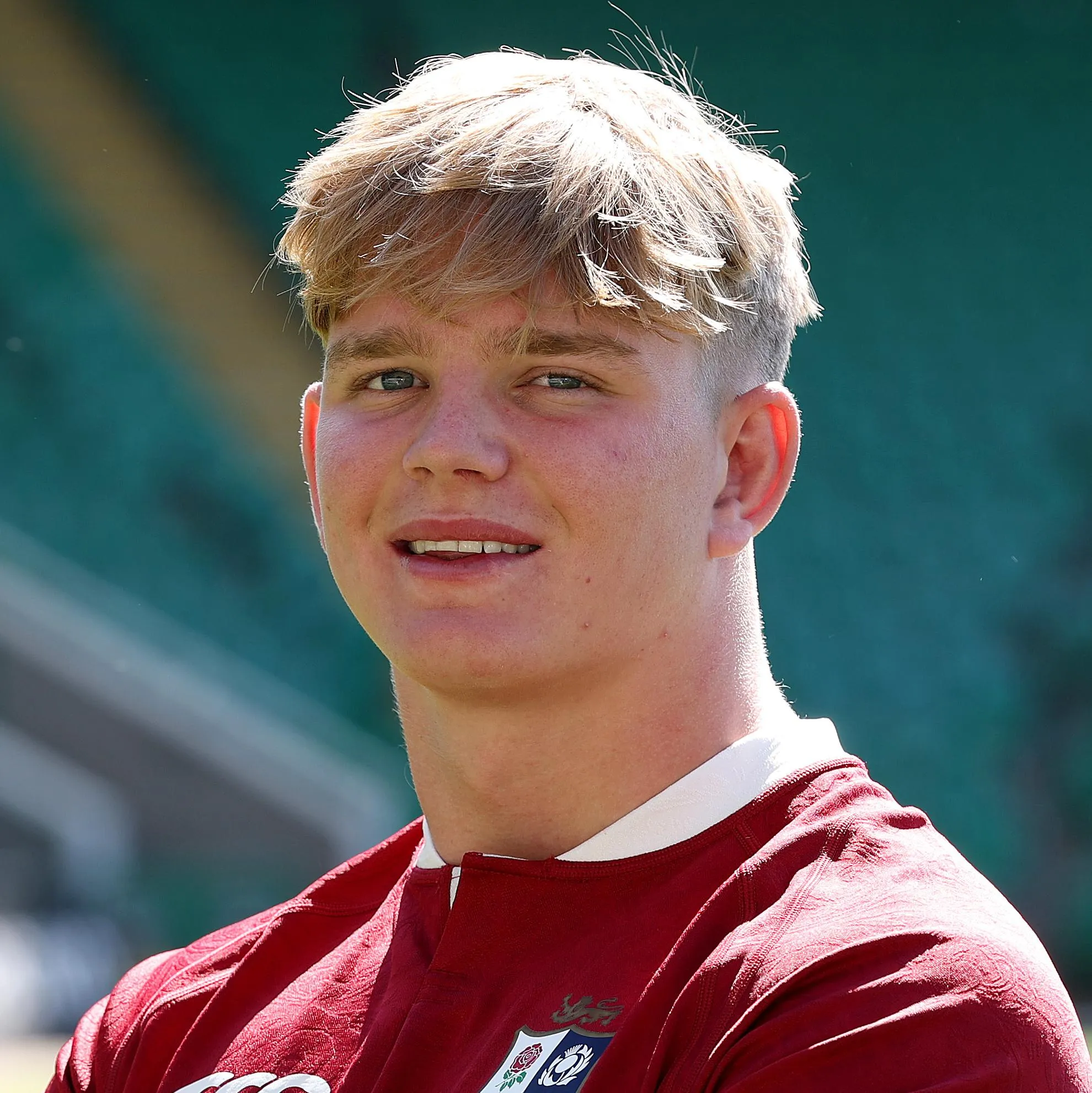
Henry Pollock, a player for Northampton Saints and the England rugby union team, surprisingly finds it easy to sleep after intense matches. ‘We often play at weekends when other people are on a night out. Earplugs are essential’ he observes. The 21-year-old is currently participating in the inaugural Nations Championship, which continues on July 18.
What time do you go to bed, and how many hours do you sleep at night? On workdays, I usually go to bed at 10:30 p.m. and get up around 7 a.m.
Do you track your sleep? I monitor my sleep on my Apple Watch most nights—tracking both depth and instances of waking.
Do you eat or drink anything before bed? I avoid late-night eating since digestion can keep me awake. My last meal generally consists of protein, such as a shake or yogurt with fruit and granola.
Do you use any gadgets or sleep aids? I use earbuds for quietness and wear an eye mask when I’m away from my usual bed.
What do you do to unwind before bed? Sharing a living space with a teammate allows us to relax by discussing topics unrelated to rugby. I also maintain a herb garden where I grow rosemary, chives, and mint. Picking mint leaves and brewing mint tea has become a nightly ritual.
How do you stay rested when traveling for competitions? I take a collagen shot before bed during training camps to aid relaxation and muscle recovery.
What do you avoid before bed? I attempt to put my phone away about 30 minutes before sleep and read a book instead.
‘I listened to Charlie and the Chocolate Factory every night for the first 10 years of my life – now I always have to listen to something when I go to bed’
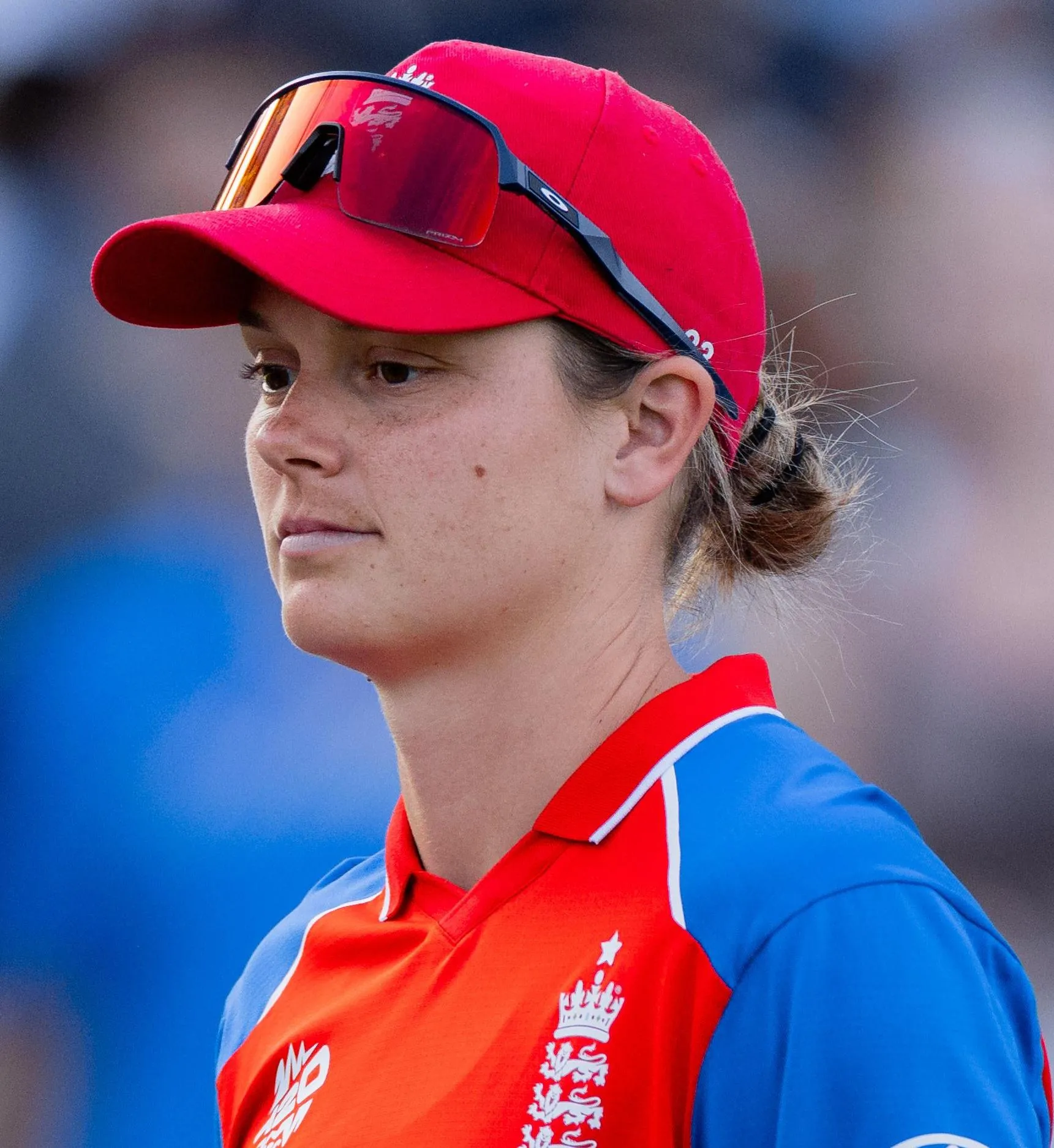
Amy Jones, an international cricketer and one of the most capped players in history, frequently finds herself fatigued after evening matches, such as those in this summer’s ICC Women’s T20 World Cup. As a wicketkeeper, she performs nearly 300 squats during games, often finishing with adrenaline still coursing through her veins.
How many hours of sleep do you get at night? T20 matches can extend well beyond typical working hours, with training sometimes concluding around 9:30 p.m., making it difficult to establish a regular sleep routine. On those nights, I often stay awake until the early hours, followed by a significant sleep-in. When not playing, I aim to be in bed by 9 p.m.
Do you eat or drink anything before bed? Some teammates consume sour cherry juice or gel sachets, known for promoting restful sleep and aiding recovery.
Do you use any gadgets or sleep aids? During my first T20 World Cup in the West Indies, I became intrigued by sleep meditation apps. With games starting at 8 p.m., we often didn’t get to bed until 2 a.m. I utilized the Calm app to help me relax amid the adrenaline rush. Some players struggle to fall asleep for just a couple of hours after matches due to difficulties winding down.
How do you achieve a restful night’s sleep before major competitions? Traveling for matches often requires staying in various hotels. During the English summer, our games frequently coincide with weekends, meaning that while we prepare for an international match, others in the hotel are out enjoying themselves. This creates noise, making earplugs essential; I use Happy Ears. The quality of hotel mattresses can be unpredictable, sometimes resulting in uncomfortable sleep conditions.
What do you avoid before bed? Caffeine plays a significant role for me, so I avoid coffee after 3 p.m.
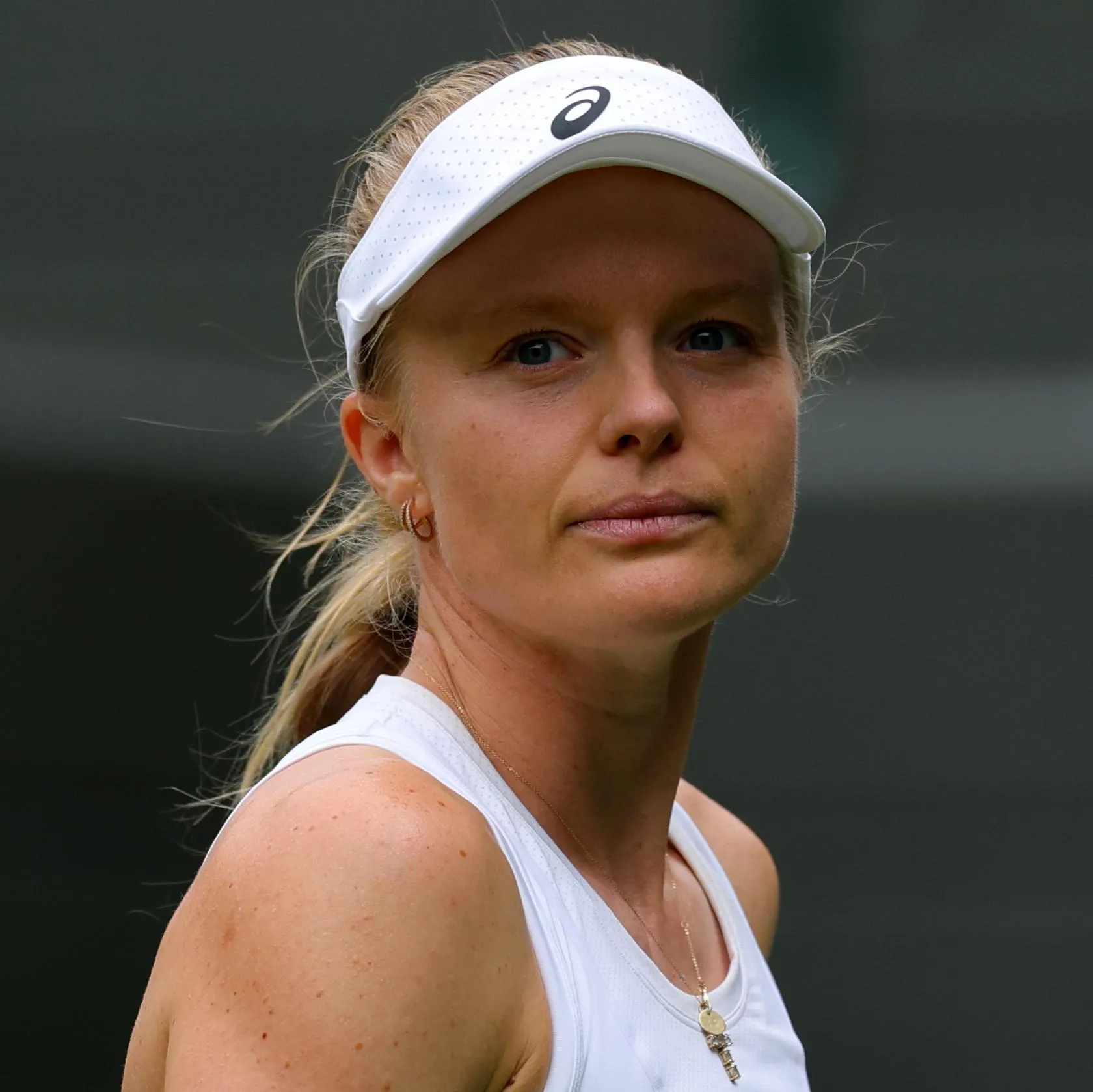
British tennis player Harriet Dart faces challenges in maintaining a consistent sleep routine due to her season running from January to November, which necessitates frequent long-haul travel for nearly back-to-back tournaments. This summer, she is set to compete in both the Prague and US Opens following her Wimbledon experience.
What time do you go to bed, and how many hours do you sleep each night? I generally settle in by 9:30 to 10 p.m., occasionally earlier depending on my training schedule. If I have an evening match, say after 7 p.m., I adjust my sleep schedule accordingly, going to bed later and waking up later to avoid fatigue.
Do you track your sleep? I don’t actively monitor it, but my coach always inquires about how well I slept the previous night during training.
Do you eat or drink anything before bed? I usually have mint tea before bed, as it relaxes me and aids in digestion.
Do you use any gadgets or sleep aids? I wear a silk eye mask to block out light; it helps when my mind is racing. I prefer complete darkness while I sleep, so it’s useful for travel on planes and in hotels with excess light. At home, I have blackout blinds.
What do you do to wind down before bed? I enjoy taking a bath with Epsom salts to relieve stress. I previously practiced meditation before matches, but found it made me too drowsy. Instead, when I struggle to sleep, I use breathing techniques and body scans to help me relax.
How do you manage sleep while traveling for competitions? Jet lag can be particularly challenging. When adjusting to new time zones, I focus on scheduling most of my training in the morning, incorporating short 20-minute naps to recharge. Everyone reacts differently to travel; I often experience swelling on flights, which disrupts my sleep, so I wear compression socks. Eating more on recovery days helps me feel better, and I strive to maintain a consistent room temperature wherever I stay.
How do you achieve restful sleep before significant competitions? Through experience, I’ve learned to compartmentalize my thoughts; I avoid dwelling on matches until the day they occur to minimize unnecessary stress. Interestingly, I’ve performed well even with limited sleep, which, while not sustainable, can be effective for a match or two due to adrenaline.
‘I don’t give space for emotions to creep in. I’ll also watch a really easy show like The Office’
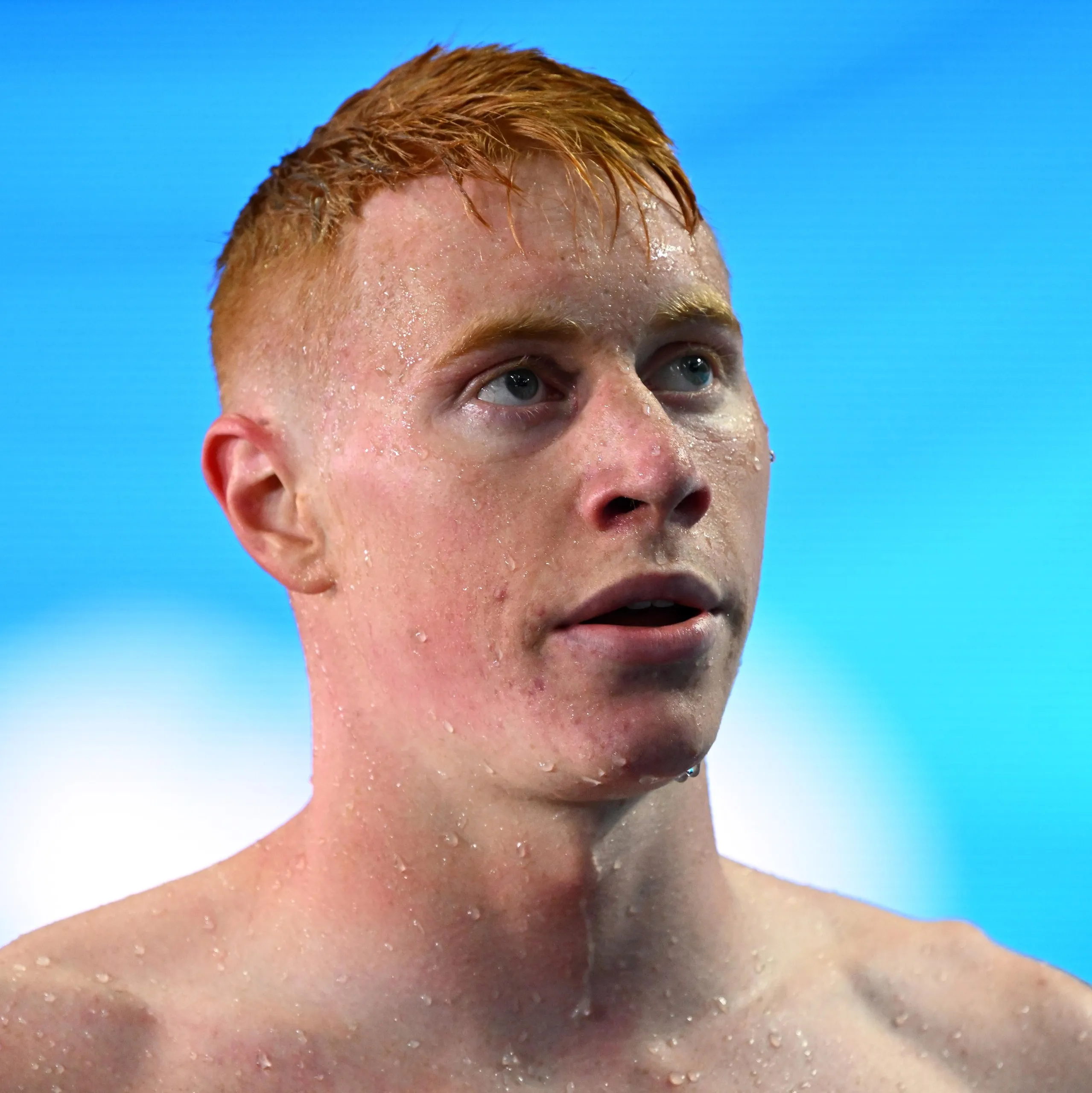
The rigorous training regimen of triple Olympic gold medalist swimmer Tom Dean entails four hours in the pool and two hours in the gym each day. Such a demanding schedule requires ample rest, prompting him to optimize his bedtime meticulously. He will be competing at the Commonwealth Games.
What time do you go to bed, and how many hours of sleep do you get at night? I turn the lights out before 10 p.m. and rise at 6:30 a.m. The only instance when this schedule changes is during competitions, as world championship and Olympic finals can run late. Sometimes I don’t race until 10 p.m. or 11 p.m. After late events, there are medal ceremonies and other responsibilities that can disrupt my sleep schedule.
Do you track your sleep? Previously, I had an Oura ring, which was excellent, but I lost it at the Paris Olympics. Currently, we utilize Polar Loop monitors that provide sleep scores for our physiologists.
Do you eat or drink anything before bed? If I don’t have a substantial meal before bed, I often wake up hungry at around 3 a.m., leading to a midnight kitchen visit. My bedtime snack typically consists of full-fat Greek yogurt with fruit, granola, peanut butter, nuts, and seeds, sometimes with a sachet of sour cherry juice, totaling around 600 calories. My daily caloric intake can range from 6,000 to 6,500 calories.
What do you do to unwind before bed? I believe in not spending time in my bedroom outside of sleep. I prefer to relax in the sitting room, reading or watching shows, and only enter my bedroom when it’s time to sleep. I aim to keep my room cool by opening windows.
How do you stay rested while traveling for competitions? For the first three days after arriving, I avoid napping. This rule is non-negotiable for me. It’s vital to soak up natural light during the day and use caffeine judiciously, consuming it in the morning until midday during the initial days.
How do you achieve a good night’s sleep before major competitions? I maintain routines, such as packing my bag the night before and mentally reviewing my race strategy for the following morning, which helps me avoid emotional distractions. I also wind down by watching something light, like The Office, or playing cards with teammates to divert my mind from competition-related thoughts.
What do you avoid before bed? I refrain from alcohol. If I have a beer during the off-season, it definitely impacts my sleep. I also strive to limit processed foods whenever possible.
‘I listened to Charlie and the Chocolate Factory every night for the first 10 years of my life – now I always have to listen to something when I go to bed’
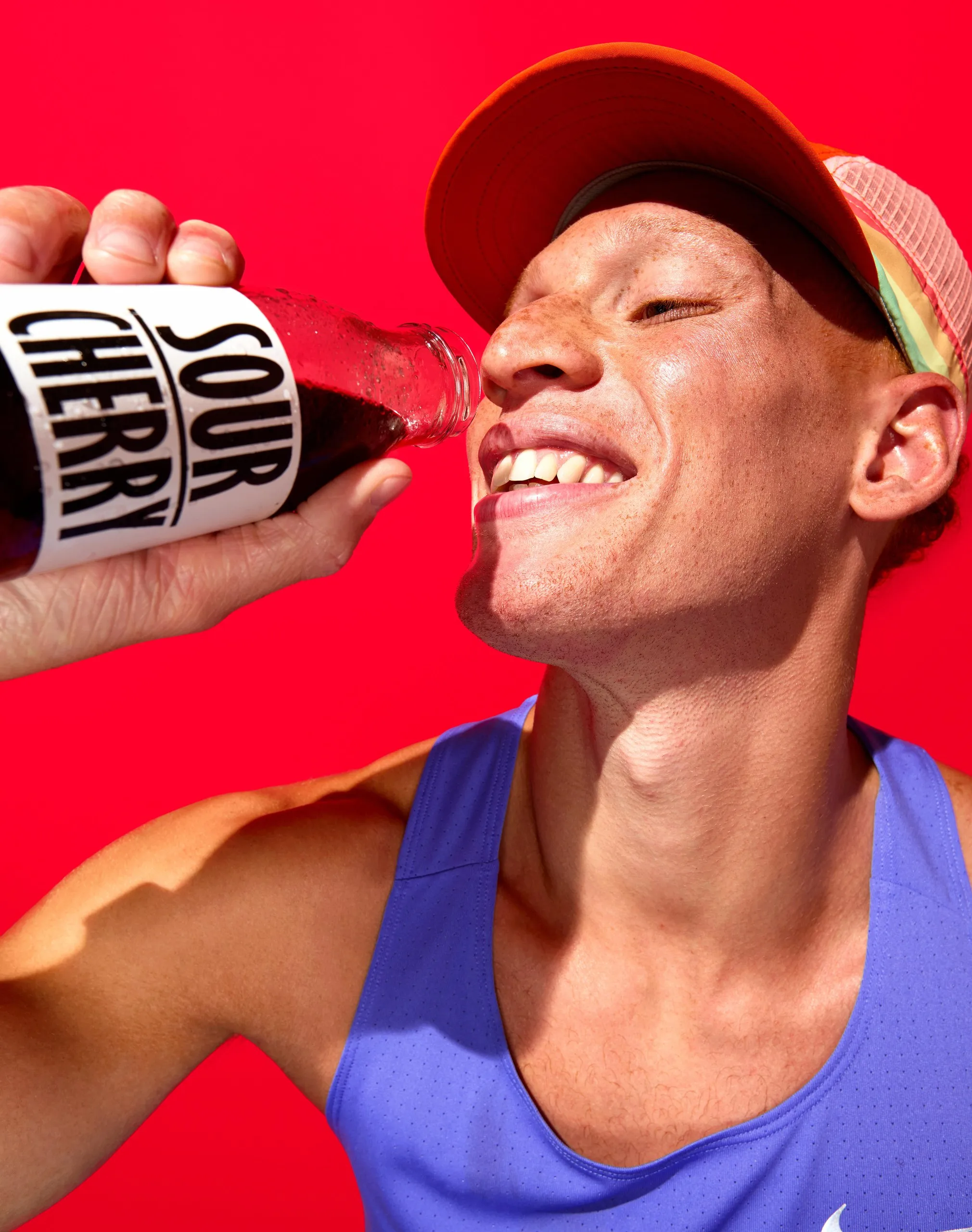
Alex Yee stands out as the most successful Olympic triathlete, having secured silver at Tokyo 2020 and gold at Paris 2024. Last year, he became the second-fastest Briton in marathon history during the Valencia marathon, following only Mo Farah. Despite an intense training regimen that exceeds 40 hours of running and cycling each week, the 28-year-old faces sleep challenges, frequently waking during the night with racing thoughts. He is preparing for the world triathlon championship series in London on July 25.
What time do you go to bed, and how many hours do you sleep a night? I generally go to bed around 11 p.m. and aim for about seven and a half hours of sleep.
Do you track your sleep? I typically wear a Coros watch, and during competitions, I engage in daily monitoring with our national governing body, which evaluates our sleep quality and readiness for training. However, I take a relaxed approach to daily tracking.
Do you eat or drink anything before bed? I consume cherry juice around competitions and during extensive travel. It’s rich in antioxidants and can significantly aid recovery and sleep quality between events. It reportedly adds 30 minutes of deep sleep each night, and I’ve noticed a positive difference when I take it. I also consume collagen throughout the day to support bone and tendon health.
Do you use any gadgets or sleep aids? I’m not sure if it’s because I started falling asleep to audiobooks as a child—listening to the first chapter of Charlie and the Chocolate Factory every night for the first decade of my life—but I need some audio when I sleep. I prefer voices, so I often listen to podcasts, audiobooks, or YouTube videos.
Is there anything you avoid before bed? While effective hydration is crucial, I avoid excessive fluids close to bedtime to minimize nighttime bathroom trips. I generally limit fluid intake for 90 minutes before falling asleep.
How do you get a good night’s sleep before a big competition? Emotional stress and cortisol levels heavily influence race outcomes. It’s essential to conserve emotional energy leading into a race rather than depleting it beforehand. Frustration from sleep difficulties can contribute to this. I strive to maintain a calm relationship with sleep, recognizing that poor sleep two days before a race may not significantly impact performance. This was especially relevant during the Paris Olympics, where we had to wake at 3 a.m. due to water pollution concerns in the Seine. Staying relaxed was vital, knowing that everyone faced similar challenges and that our responses to limited sleep mattered most.
- Sleep
- Health & wellbeing
- Athletics
- Swimming
- Weightlifting
- Rugby union
- Women’s cricket
- features