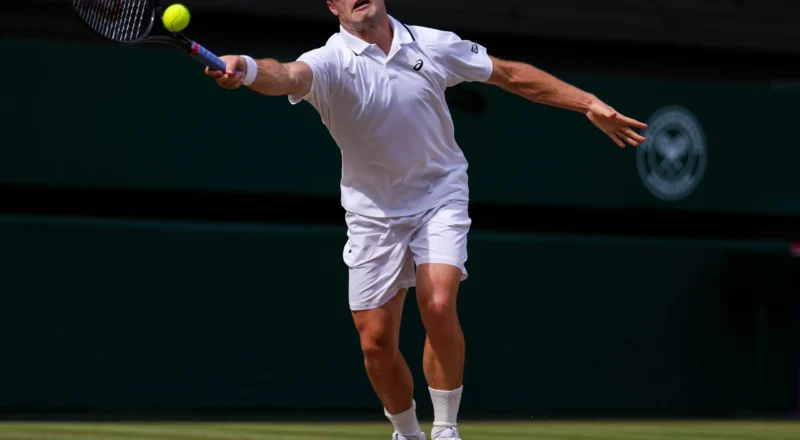


Just before 7 PM, and after 162 intense minutes of competition, Alexander Zverev faced his first break point against Jannik Sinner’s serve. With both players having won a set each and the match tightly contested, this moment felt pivotal. Sinner faltered with a double fault, presenting Zverev with a crucial second serve opportunity.
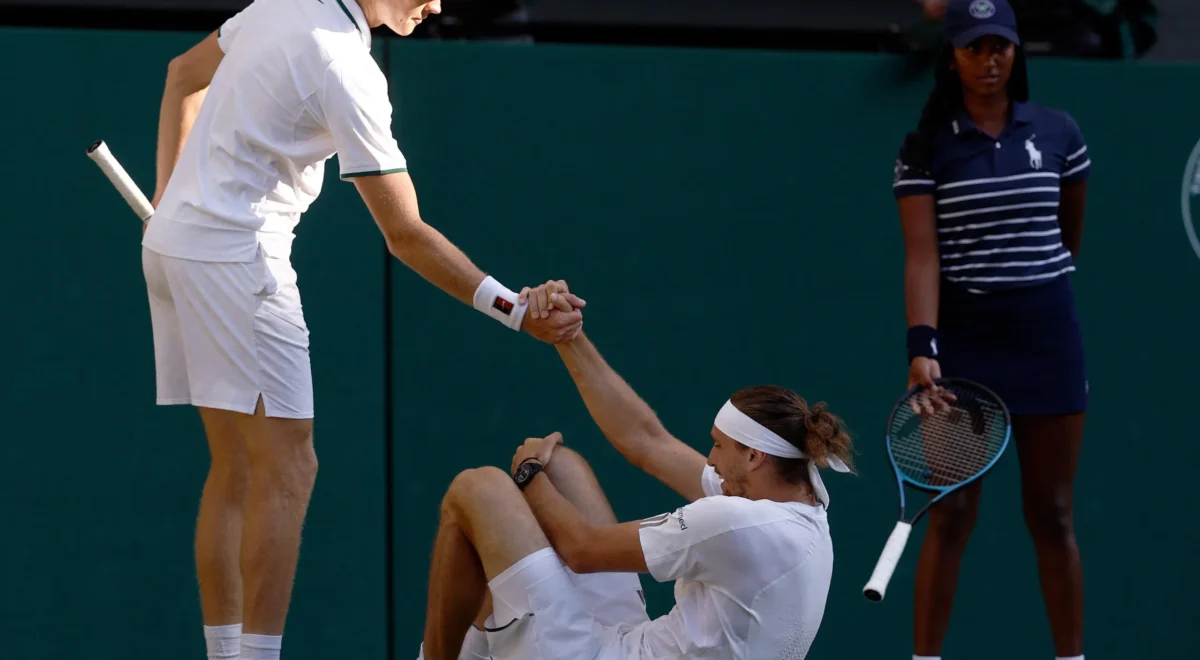
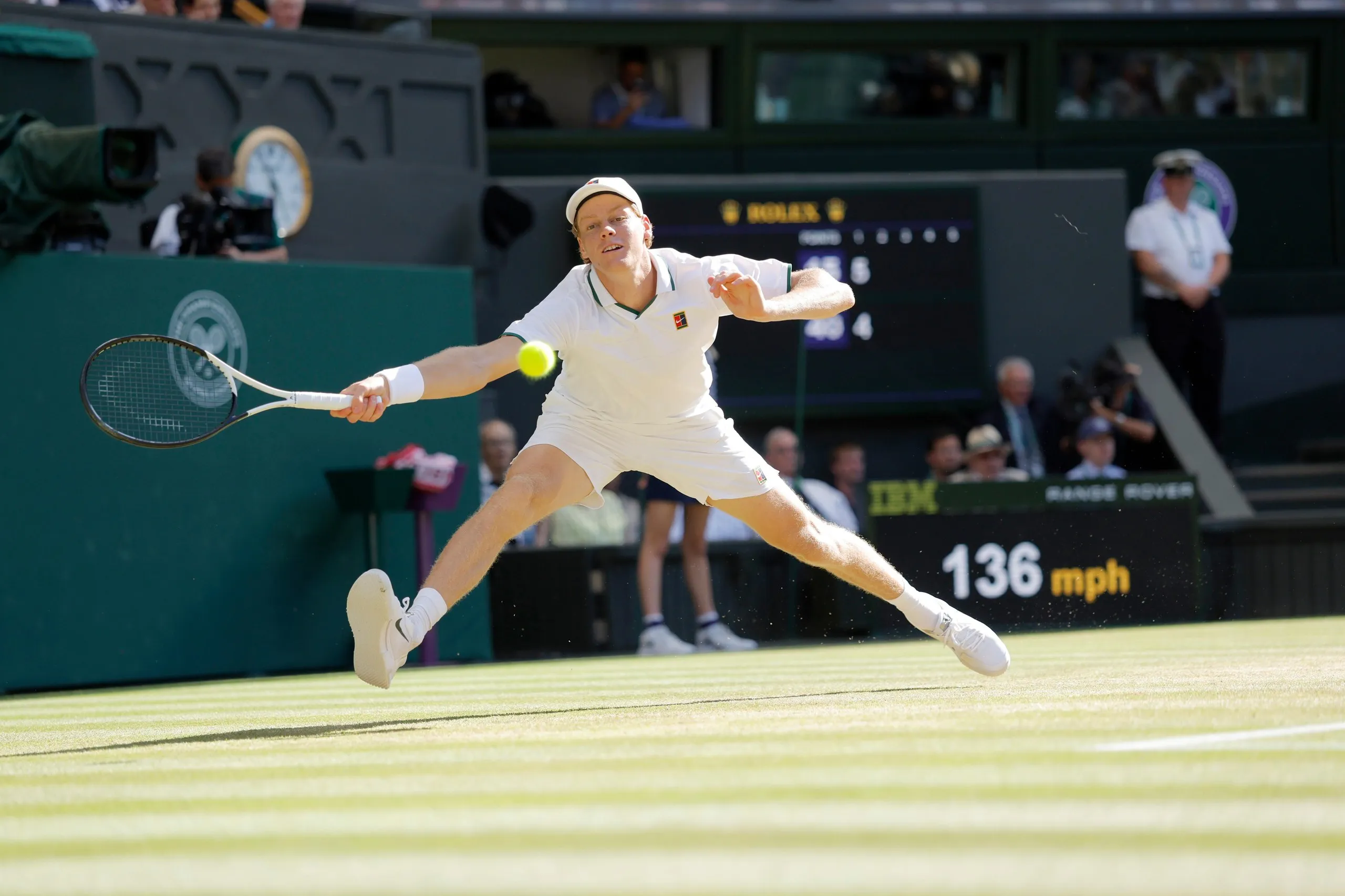
The serve was noticeably steadier than usual, and Zverev capitalized on it. However, after a brief rally at the baseline with no significant progress, Sinner switched gears, executing a flawless backhand down the sideline followed by an exquisite drop shot that sent Zverev sprawling. In retrospect, those fleeting seconds represented a critical opportunity lost.
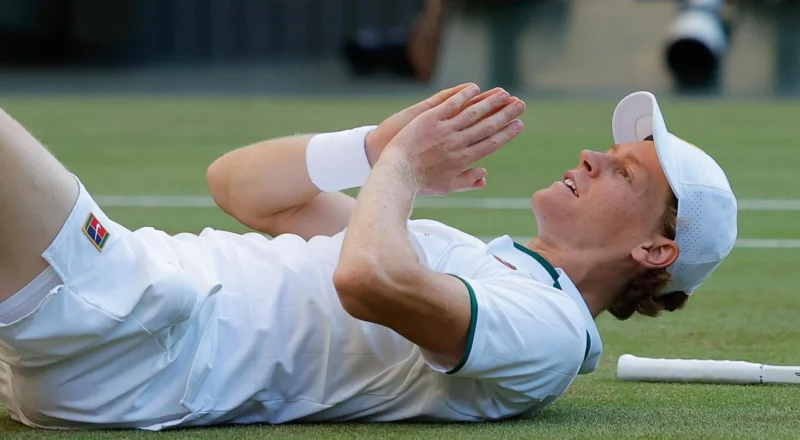
This moment encapsulated the daunting challenge Zverev faced. The world No. 1 has a knack for dismantling any glimmer of hope or enthusiasm from his opponents. Soon after, Zverev experienced his first break of the match, throwing his racket in frustration. By 7:07 PM, he was down two sets to one; by 7:56 PM, the match concluded with handshakes and phone cameras capturing the moment. Zverev had arguably played his best match of the tournament yet still found himself ensnared in the formidable grasp of the Sinner Zone.
Following Sinner’s earlier struggles in Paris, discussions centered around his vulnerability to heat and humidity. While this holds some truth, it also reflects poorly on his competitors. Essentially, out of the approximately 200 players vying for his position, their best chance to beat him might hinge on the weather conditions.
Ironically, the weather favored Sinner during this match. A brisk breeze swept across Centre Court as the tournament neared its conclusion, casting long shadows and reducing the dramatic stakes. The match initially adhered to a strict, almost militaristic structure for two sets but eventually loosened enough to reveal the players’ humanity. It ultimately became a contest defined by powerful serves, where the slightest errors would determine the outcome.
Analyzing the statistics, Zverev delivered an impressive 60 unreturned serves throughout the match, across 21 service games and a couple of tie-breaks. This averages roughly three unreturned serves per game, meaning that one of the finest returners in men’s tennis was starting nearly every other game at a disadvantage of 40-0.
As Zverev edged ahead in the first set tie-break with only his second backhand winner, new possibilities seemed to arise. The No. 2 seed had entered this match displaying remarkable form, possibly benefiting from his recent triumph at the French Open which seemed to unlock a new level in his game. Before this event, he hadn’t secured a victory over a top-10 player on grass in ten years, had never progressed beyond the fourth round at Wimbledon, and had lost all nine previous encounters against Sinner.
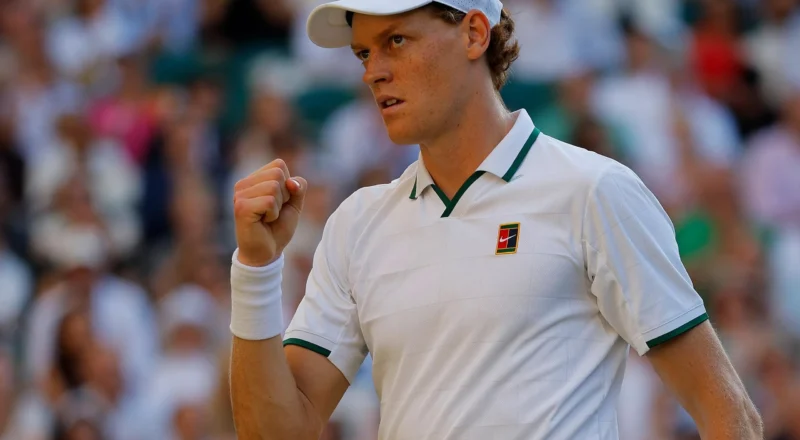
Despite these challenges, Sinner’s performance during the tournament has not reached his usual standards. His game exhibited moments of wastefulness, and his demeanor appeared slightly tense. Nevertheless, his fundamental skills remained intact: the ability to deliver four exceptional serves at 0-30, effectively extinguishing threats before they could materialize, and the intellectual acuity required to execute a no-look angled backhand while serving for the Wimbledon title.
This Wimbledon has not been defined by its usual vintage quality either. In a way, the tournament unfolded in the shadows of football events, filled with familiar drama and emerging talents like Arthur Fery and Linda Noskova, alongside seasoned stars such as Serena Williams and Stan Wawrinka. Yet, it distinctly felt like an exclusive garden gathering, isolated from broader cultural currents.
In the meantime, men’s tennis finds itself in a similar void until Carlos Alcaraz returns from injury; the sport is rich with potential but lacking in crossover stars. Sinner, despite being a promising talent and already regarded as a great, faced a three-month anti-doping suspension last year and does not yet enjoy widespread admiration beyond his home country. Zverev, too, has faced serious allegations of domestic violence from former partners, which he vehemently denies. There is considerable promise in the younger players—like João Fonseca, Jakub Mensik, Learner Tien, and Rafael Jódar—but they still need to achieve significant victories.
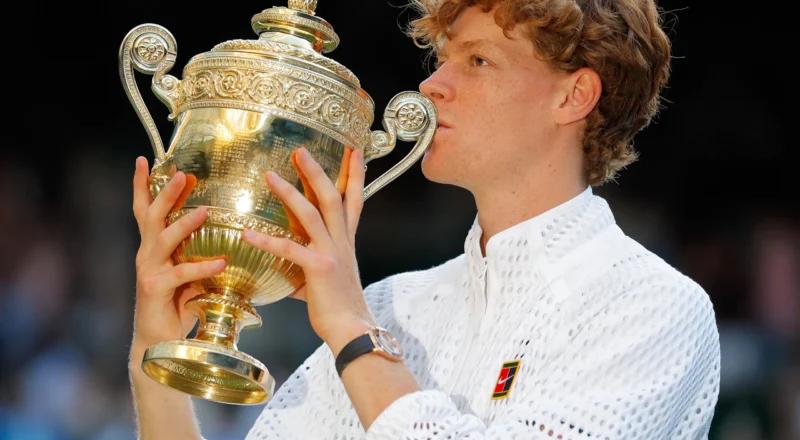
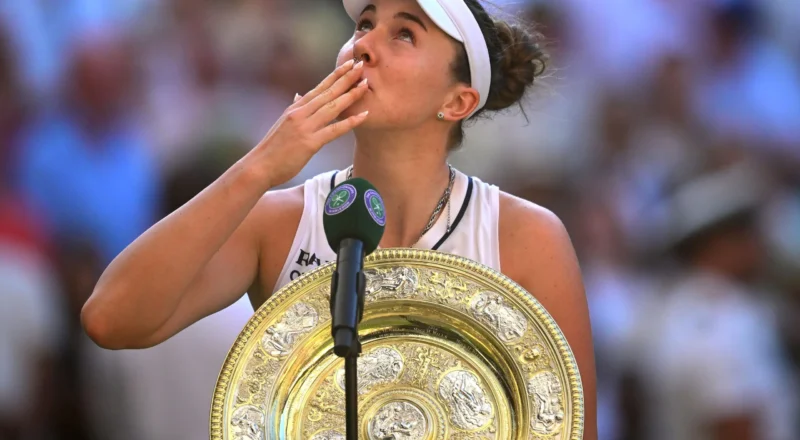
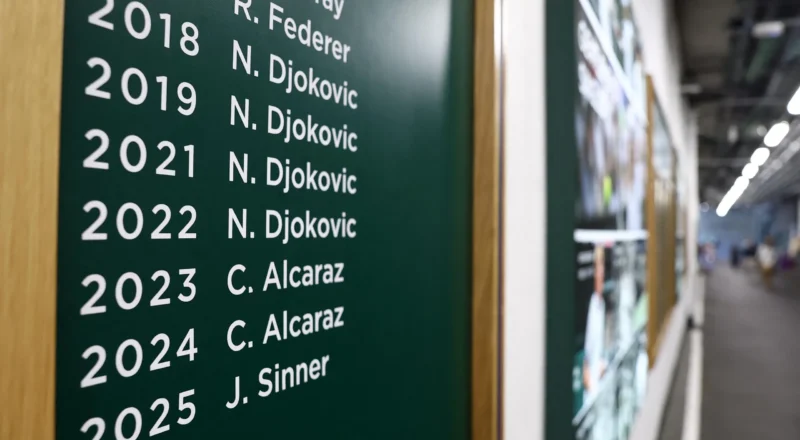
Ultimately, none of this seems to concern Sinner, who has ended his grand slam title drought after just three tournaments. Unlike the emotional outpouring that accompanied his first title victory last year, there was a sense of calm satisfaction as he held the trophy close, embodying a man who has made—and fulfilled—a solemn promise to himself.