

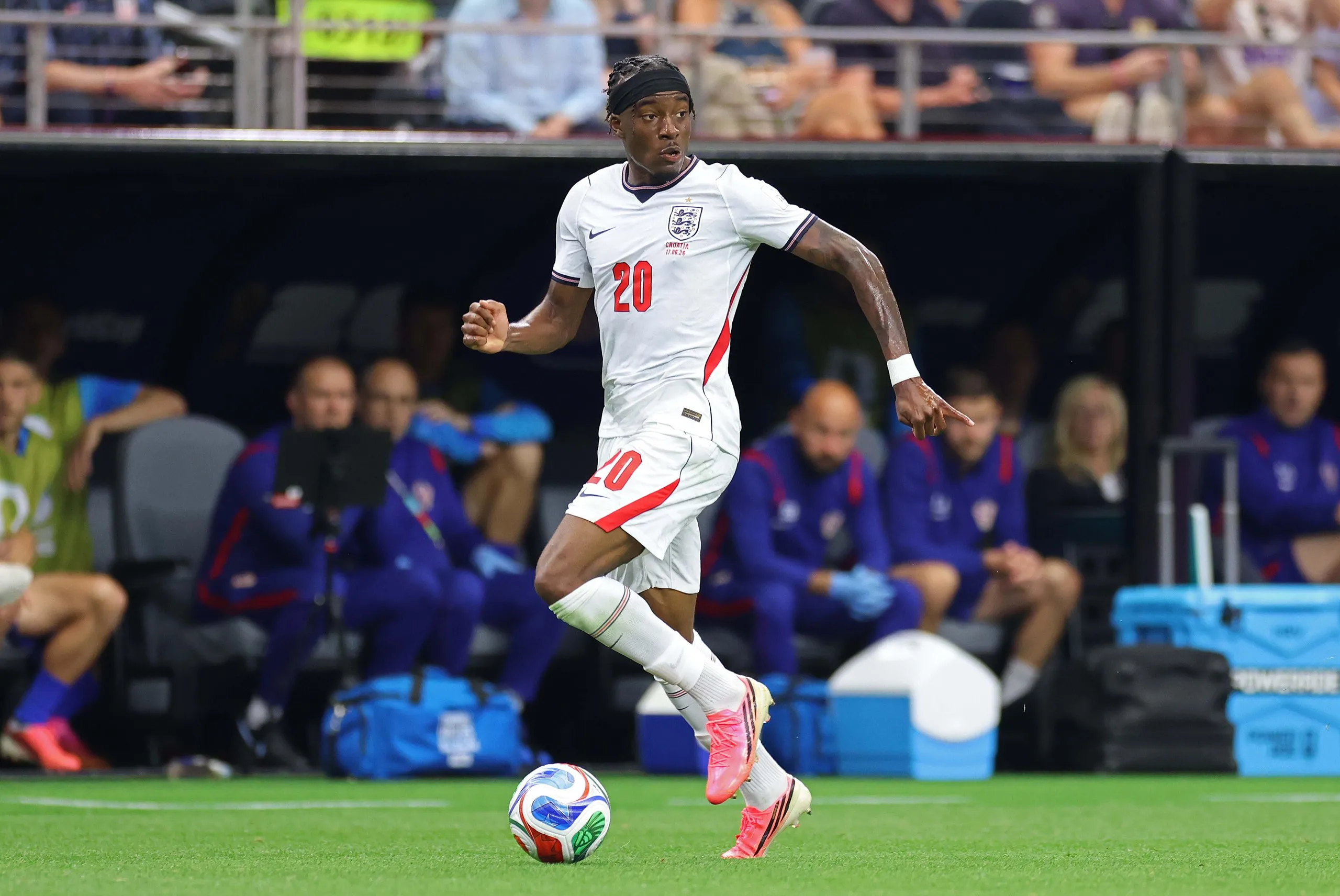
It didn’t take long for a clever observer in the traveling England contingent to coin a rather inappropriate moniker for the electrifying start to the team’s second-half performance in Dallas last Wednesday. This term was: Packetball.
The term ‘packet’ is, as the Urban Dictionary elucidates, slang for a small sachet of an illegal and highly inadvisable stimulant that was uncovered in more than half of the Wembley Stadium toilets during a newspaper investigation following a home qualifier in the Southgate era.
Perhaps England has discovered a way to connect more deeply with certain segments of their fanbase. There has often been a palpable sense of disconnect between the meticulously measured style of football from that successful England squad and the more adrenaline-fueled demands from sections of the crowd for a quicker, more dynamic approach akin to Packetball.
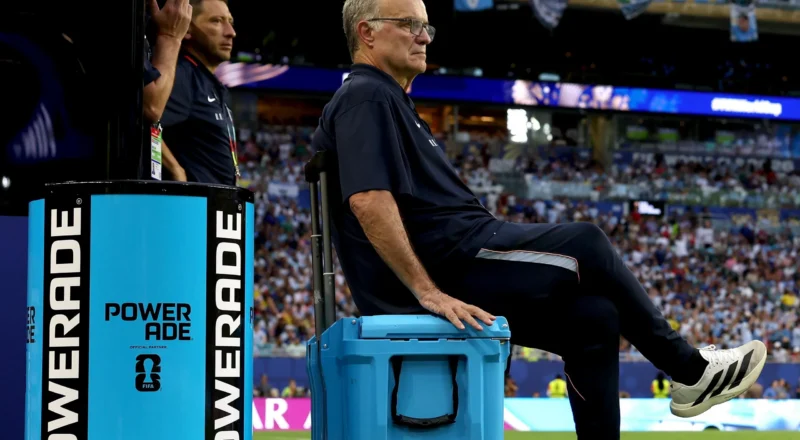
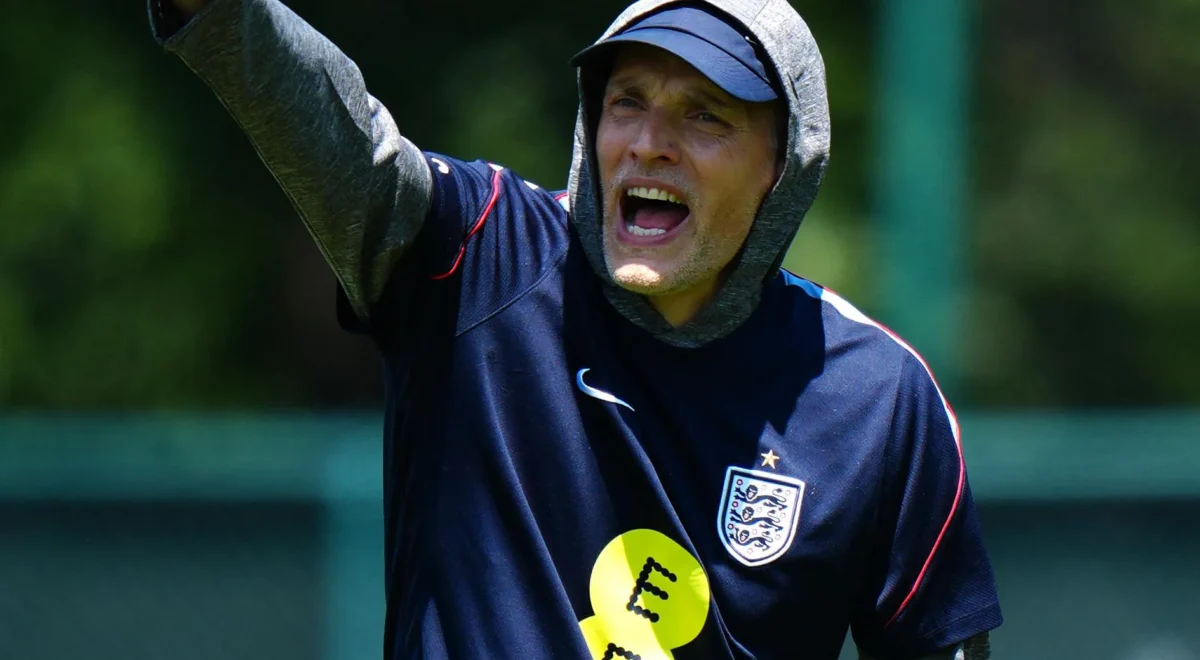
In other words, they sought something resembling The Surge witnessed after half-time in Dallas, where England unleashed a remarkable display of sustained attacking prowess at this World Cup; all fueled by the animated figure on the touchline, who whirled his arms like a three-star Michelin chef frantically preparing a dish as the service bells chimed and the evening service ramped up.
On Monday, England arrived in Boston for their second group game against Ghana, set to kick off at 4pm local time (9pm in England) at Boston Stadium the following day. There is a hint of fatigue within the camp. At times during the match against Croatia, the defense appeared to require a more vigorous refresh. Yet, England will head into their second public test comfortably among the pack, somewhat obscured in the excitement, 13 days and 43 matches into this oversized, mega World Cup.
To this point, their actions or statements have not made significant waves aside from that one incredibly enticing stretch of concentrated attacking play. The energy on the field contrasts with a stealthy presence off it. This is a new dynamic. But the question remains: is it sustainable? Have England identified a definitive style of play under Thomas Tuchel?
It is noteworthy that they are now perceived as a legitimate threat in this tournament, provoking a quiet sense of unease among supporters of other nations, for whom an England World Cup victory would be an unbearable spectacle—essentially, a sentiment shared by most countries.
There is a long road ahead in this tournament. Given the various flaws of these elite international teams, it could be quite easy for any of them to falter in one of their five potential knockout matches before mid-July. Among them are Spain and France, teams that England historically struggles to overcome in single-elimination scenarios, where genuine attacking prowess and ball retention often dictate the outcome.
Currently, England possess three favorable aspects as they prepare for their matches against Ghana in Boston and Panama in New York. First, they have the advantage of operating somewhat under the radar. The atmosphere lacks the fanfare typically associated with early tournament stages, especially in such a convoluted setting, where a clear narrative has yet to emerge. The stakes of England’s performance feel less monumental, less desperately vital. Even the Prime Minister, who urged them to play boldly, has resigned, further emphasizing the relaxed sentiment.
This dynamic will undoubtedly shift once the knockout rounds commence, creating a call to action reminiscent of a ceremonial launch. However, Tuchel has adeptly managed to filter out external noise to the extent that it seems he is neither affected nor concerned by it. History shows that all England managers eventually face dismissal. Would Tuchel even notice if this occurred?
This perspective is refreshing in the post-Southgate era, where it seemed Sir Gareth was singularly burdened by a solemn sense of duty, more preoccupied with the weight of the shirt than most players, who represent a generation of internationalists navigating complex lives, far removed from the nostalgic memories of Nobby dancing at the 1966 World Cup final.
It’s invigorating to observe this England squad not ensconced in a lavish presidential palace but rather at a standard four-star hotel in a typical American city, where a paper-clip salesman in chinos greets them in the elevator. It’s refreshing to see a squad chosen with clear intent, recognizing that England’s key attacking talent is Harry Kane, with all others needing to fit harmoniously around him.
This approach is pragmatic. Excluding penalty shootouts, England has secured only four knockout victories in World Cup history since 1990—against Denmark, Ecuador, Sweden, and Senegal. Reaching the semi-finals would be a commendable achievement, especially considering the potential challenges of defeating teams like Mexico on their home turf and Brazil in Miami along the way. Understanding this dynamic is a strength.
The second asset for England is The Surge, the ability demonstrated in Dallas to embody the manager’s halftime message of playing without fear, viewing a lead as a means to elevate their performance rather than a precarious position to defend.
Can they replicate that? The Dallas Stadium provided an air-conditioned bubble. There are concerns that external temperatures may play a role. Notably, it could even be raining. The matches are now clearly segmented into quarters, with set pieces providing breaks, allowing for better management of rest periods and urgency. It makes sense to approach play in bursts and surges.
Moreover, it’s essential to grasp what The Surge truly entailed. It was not merely about increased running. When Tuchel encouraged his players to “go for it, to play with more courage, to be brave, to be ourselves” (skillfully integrating a less fitting concept), he emphasized that England needed to show bravery primarily in their passing.
There exists a tactical principle known, not as Packetball, but as “We didn’t dare to eliminate, to play through gaps,”: aggressive passes that eliminate multiple opposing players. This is what Tuchel desires from his team: to maintain possession, exhibit greater bravery in their play, and execute more effective forward passes when they arise.
“We didn’t dare to eliminate, to play through gaps,” he remarked, critiquing the first half. The emphasis was on being precise and holding the ball when necessary. This approach stifled Croatia during that period, transcending mere physical pressure, collisions, or heightened energy.
Additionally, the lines played closer together. Whether employing a low or high block, it must involve the entire outfield unit, and transitions between these two formations need to be cohesive and collective. This is why England excelled in counter-pressing after halftime in Dallas—not through increased exertion, but by positioning themselves effectively. Moreover, they were more aggressive in duels, which is crucial for any tactical adjustment to succeed.
These concepts are vital for understanding The Surge and its potential for repetition. This was not an antiquated notion of covering every inch of the field; rather, it involved utilizing energy effectively in the right areas for collective impact. The temperature becomes irrelevant if executed correctly.
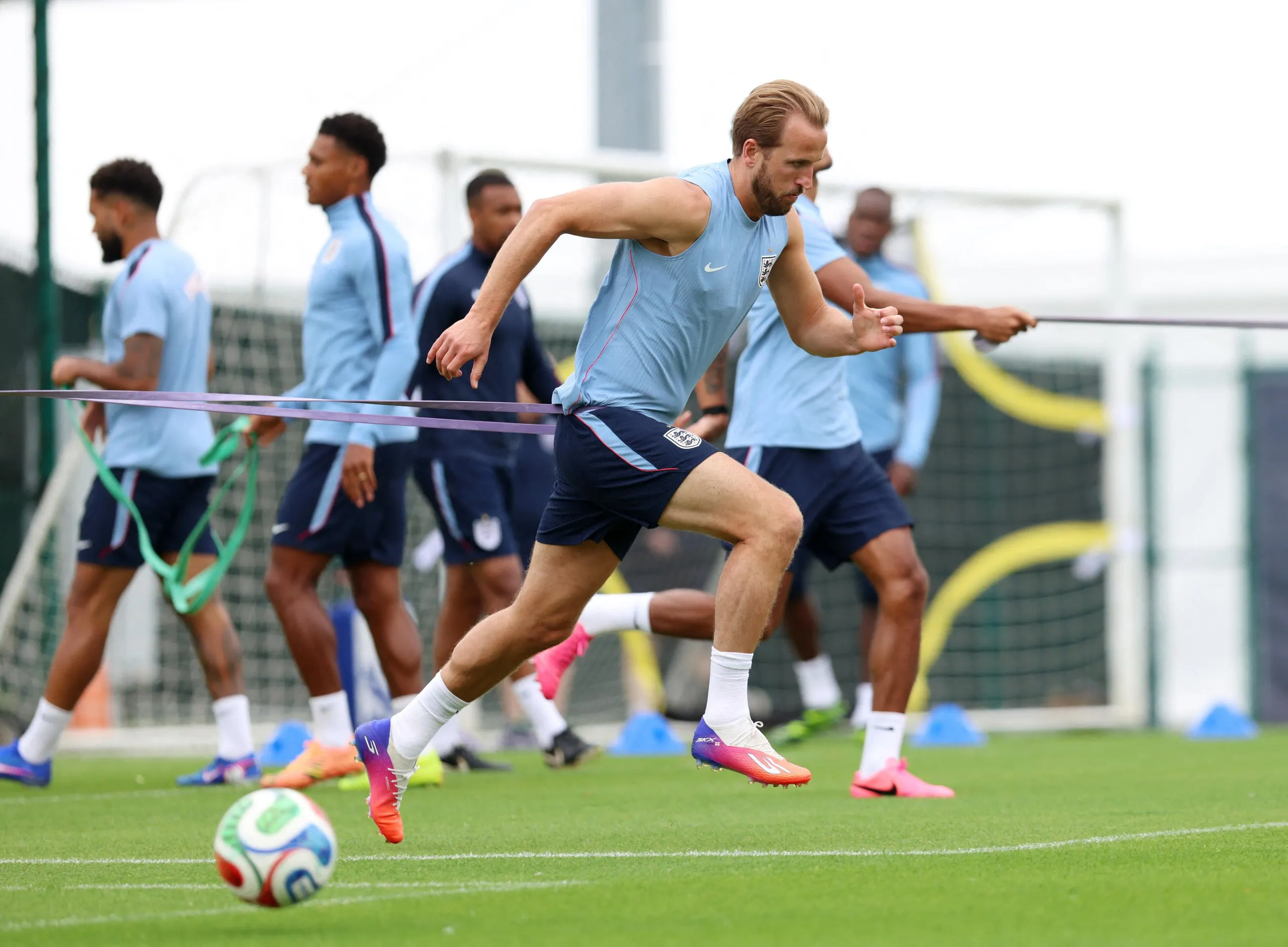
The final aspect in England’s favor is their captain, who has reached a new pinnacle in his career, now a global star engaging with fans in Mexico during press conferences. Here’s an intriguing statistic about Kane: he requires 19 goals to achieve an impressive milestone of one hundred for England. He has netted nineteen times in his last twenty-one appearances. At this trajectory, he could reach this landmark at the Euros two years from now. Surrounding Kane with supportive runners, rather than competing creative talents, provides additional clarity.
There are countless pitfalls at a World Cup. Yet, England appears poised to generate intrigue here. Who knows, perhaps the controlled surges of Packetball may, contrary to the term’s connotation, prove to be a clever and sustainable strategy.