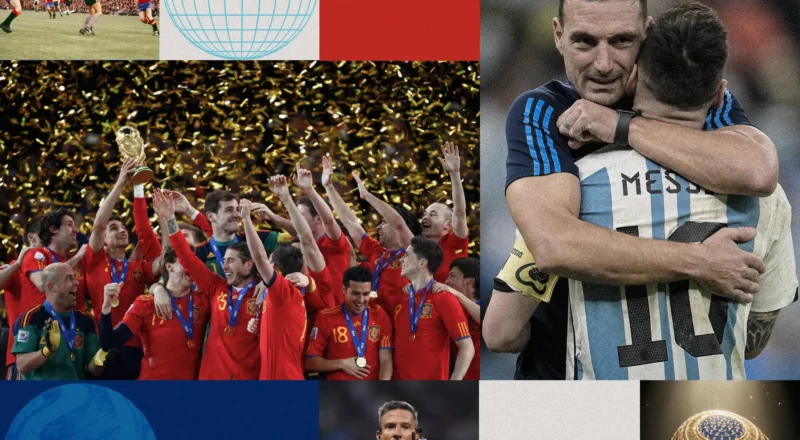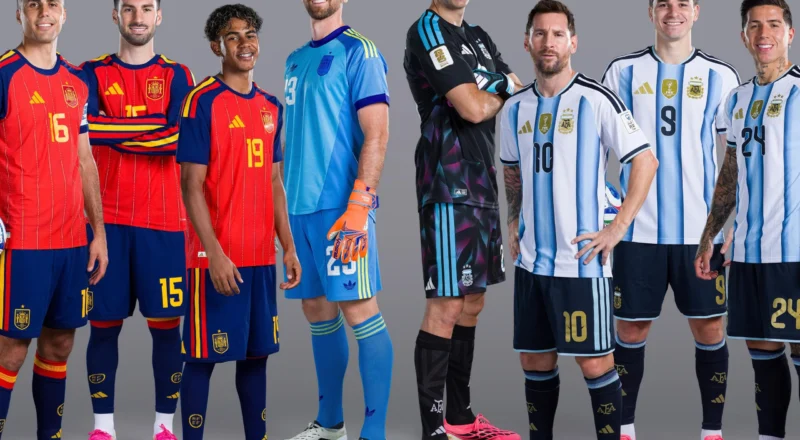


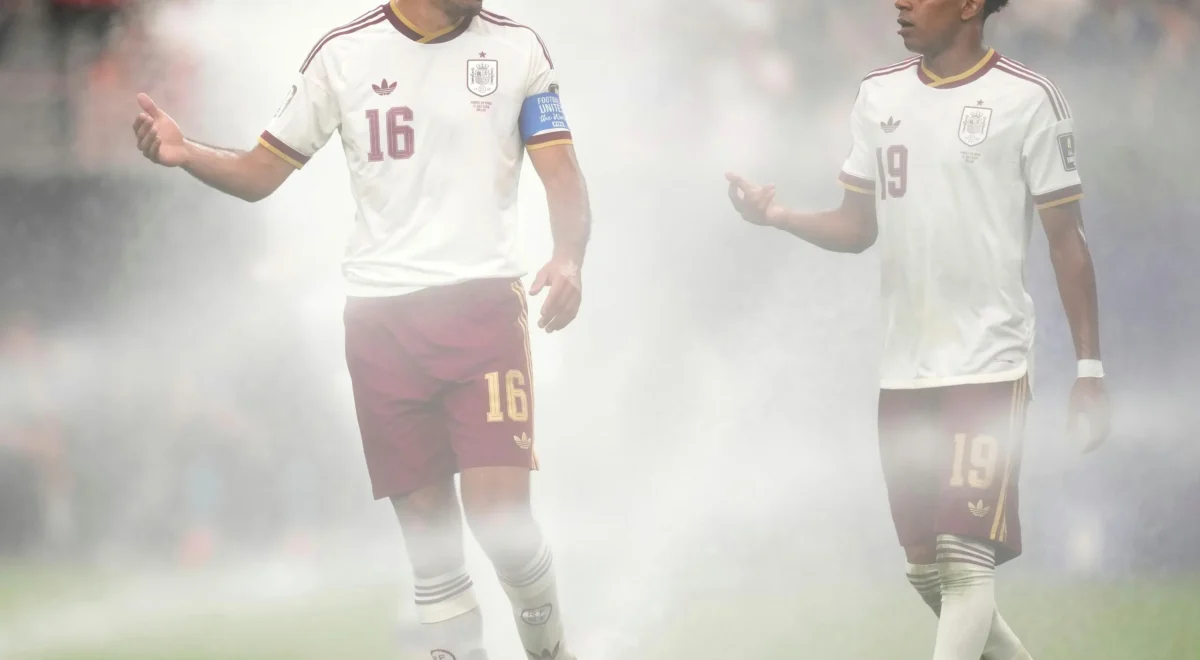
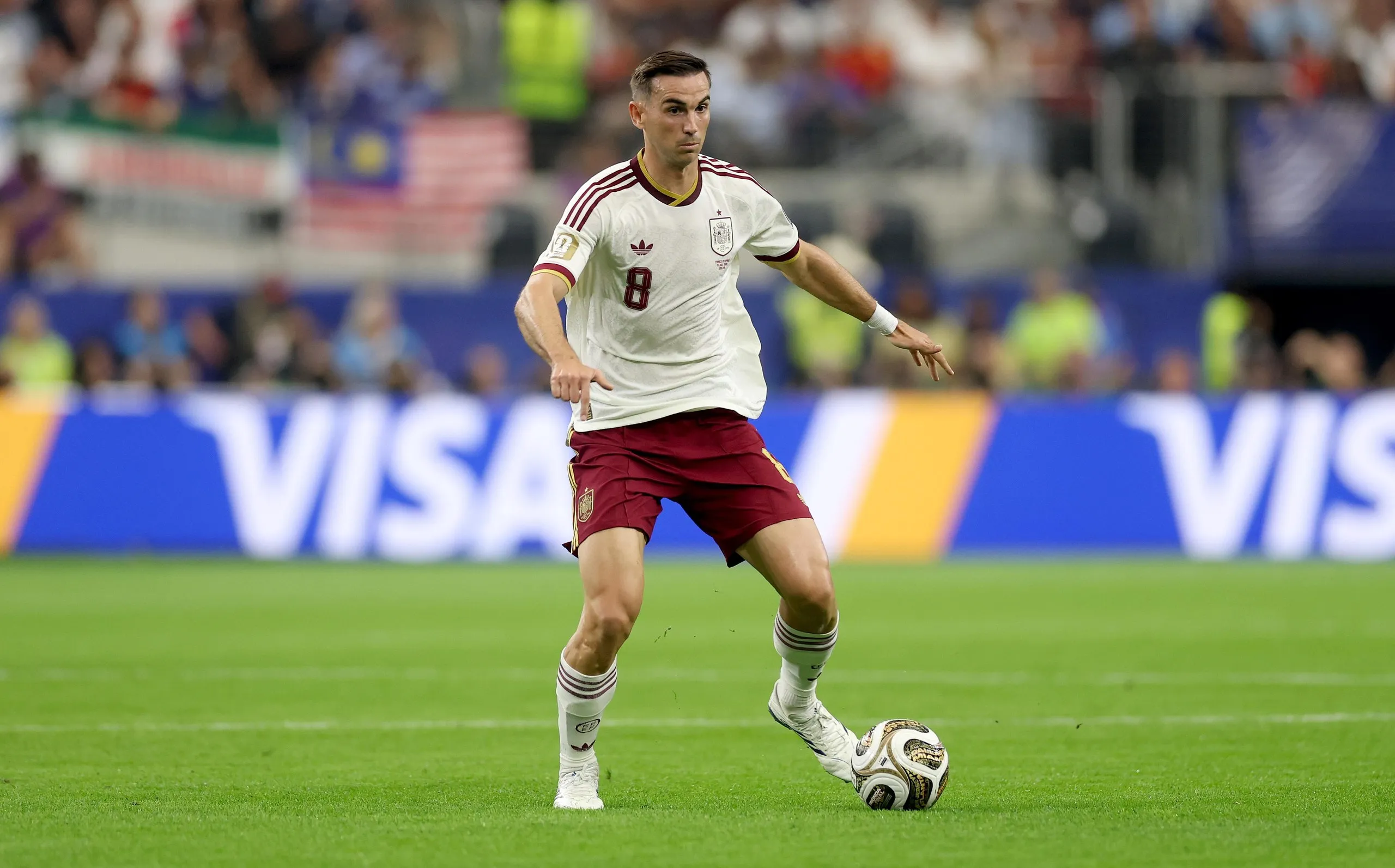
In English football, the focus often leans too heavily on individual players, but the essence of the game lies in teamwork. Spain’s commanding performance against France in the semi-finals exemplified this collective approach, characterized by their acute awareness of space, timing, and foundational principles. This cohesion is what makes them an outstanding team, and I believe it will carry them to victory in the World Cup final on Sunday.
It’s not solely about players like Rodri, Lamine Yamal, or Pedri; it’s the entire midfield unit that matters. Spain’s ability to create positional and numerical advantages is deeply rooted in their youth development programs, allowing them to master the dynamics of time and space on the pitch. Their culture was evident against France, where they consistently established moments of four-versus-two superiority in crucial areas.
As the final approaches, many may highlight Rodri’s prowess as the world’s best in his position. While his technical, tactical, and psychological abilities are exceptional, they are not the foundation of Spain’s success. Recall the Euro 2024 final, where Rodri had to exit at halftime. Martín Zubimendi stepped in, and Spain maintained their grip on the game, a testament to the systemic methodology they have cultivated over the years, independent of any single player or the constant change of coaches.
How does this system work? In Spain, every player, regardless of gender, is nurtured within a framework that instills a shared belief and methodology, developing key principles that enable them to perform at the highest level. Their approach begins with a standard 4-3-3 structure during possession, which remains consistent across all age groups. However, they also exhibit flexibility, adapting their positioning as needed. For instance, in 2024, they utilized Álvaro Morata as a traditional No. 9 and, more recently, Mikel Oyarzabal as a false 9, demonstrating their versatility.
This World Cup showcases a blend of talents including Rodri, Fabián Ruiz, Dani Olmo, and Oyarzabal, focusing less on fixed roles and more on their innate ability to occupy space at opportune moments. Their constant rotations and positional exchanges create tactical advantages, as they collaborate to ensure they always have one more player in critical areas. When an extra player isn’t feasible, they strategize around creating positional advantages through their rotations.
This philosophy traces back to Johan Cruyff’s early influence at Barcelona, and Spanish national teams have perfected it, outshining other nations in both men’s and women’s football. Their success is reflected in a record nine Under-17 Euros titles, appearances in the last three Under-19 European finals, and a joint-record five Under-21 Euros victories. In the women’s realm, they hold an impressive eight Under-19 women’s Euros titles, seven of which were won since 2017, including five consecutively. Additionally, Spanish law mandates that athletes must accept national team call-ups across all age groups, a practice not universally adopted elsewhere. This commitment to youth national teams is critical for fostering players’ understanding of their roles in high-pressure environments.
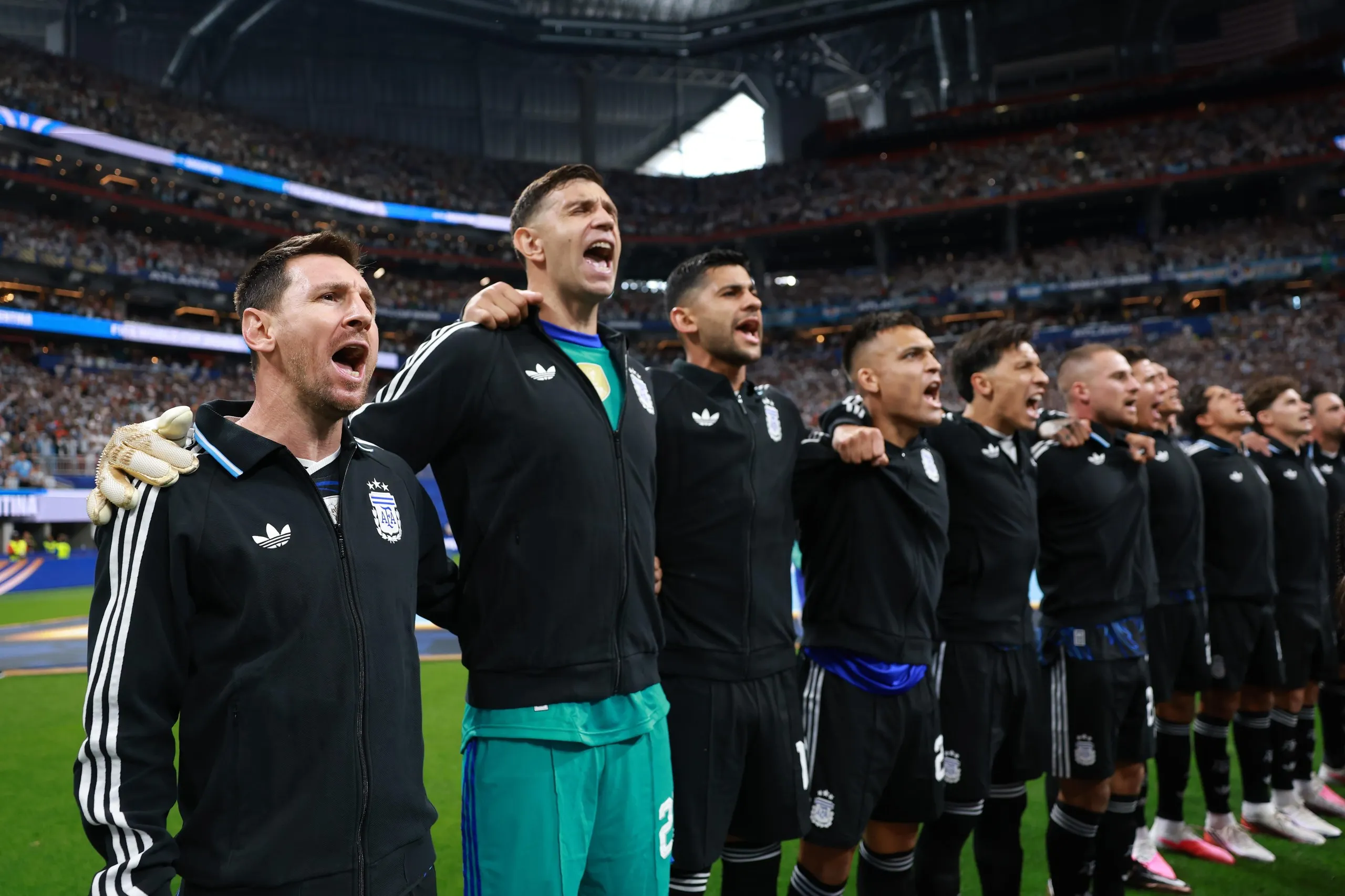
Argentina also embodies a strong collective ethos, albeit in a different manner. Sports psychologist Daniel Abrahams recently commented on their spirited rendition of the national anthem, describing them as “How can we create a positional advantage with rotation?” unafraid to bend the rules. Their passion, camaraderie, and fierce determination foster a strong sense of unity, eliminating room for anxiety.
Achieving such a collective mindset is no easy task. The intensity of their commitment, the sense of brotherhood, and the connections forged with fans create an unparalleled sporting environment. Their coach emphasizes their resilience in the face of adversity, and this national character defines their approach to international competition. They are the warriors of football, never conceding defeat, even when not dominating possession, and they will battle until the final whistle.
Spain skillfully transitions the ball from one side of the pitch to the other, shifting midfielders to create and exploit desired zones. Attempting to match Spain man-for-man is a futile strategy; they are adept at withstanding pressure and have evolved their game. They are not hesitant to adopt a direct approach, launching long passes into space. Their adaptability makes them the leading team globally. Before the tournament began, I identified them as my favorites for the title, and I stand by that assertion.
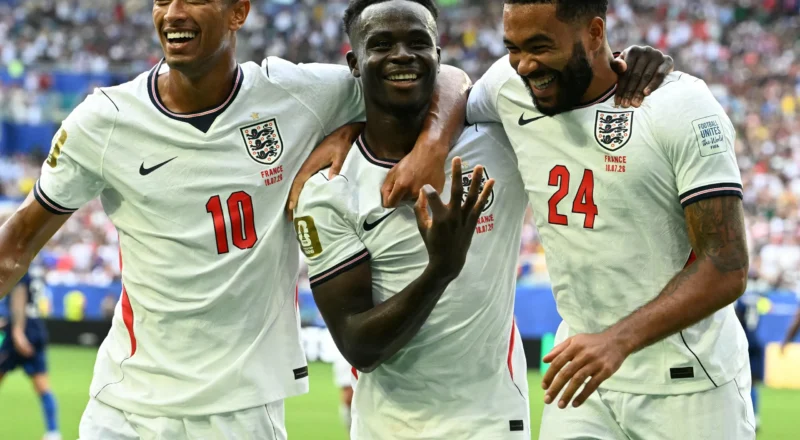
For England, watching the final unfold will likely be a painful experience. The question looms: why can’t we break through? Is it rooted in our social and cultural fabric? I believe it stems from the mental aspect of the game. At the elite level, training the mind is as crucial as training the body to ensure emotions do not hinder performance under pressure. We must question why Argentina excels in critical moments while England falls short.
This issue transcends tactics or substitutions. Following a semi-final defeat, we often fall into shortsighted and emotional discussions. Long-term, we must examine what remains unaddressed within our national psyche that prevents us from advancing. Every stakeholder—players, coaches, fans, media, and clubs—must contribute to this reflection.
Argentina has never wavered in their belief against England; they unite as a formidable force, refraining from seeking blame or placing fault. Our instinct is to assign blame or exalt individual players. We must embrace the notion that victories and defeats are collective experiences.
That is precisely why Argentina and Spain find themselves in the final. Both nations possess an extraordinary understanding of their identities and are the most cohesive teams in this tournament.
- Spain
- Argentina
- World Cup 2026
- World Cup
- comment