

The unfortunate reality is that in just a few weeks, the events of Scotland’s World Cup campaign will likely fade from memory. The intensely tribal nature of football in Scotland means that the onset of a new domestic season will bring about a flurry of emotions, including frustration and anger, which will dominate the discourse for months. Some might argue that it’s best to forget about Scotland’s World Cup participation altogether, viewing it as a necessary turning point in their sporting journey.
Recent weeks have highlighted the psychological, social, and commercial gains for Scotland. The tournament has not only won the hearts of many in the country, but the Tartan Army has also made a positive impression across the United States.
Scots, known for their self-deprecating humor, have reason to feel proud of their football supporters, who have acted as excellent ambassadors for their nation.
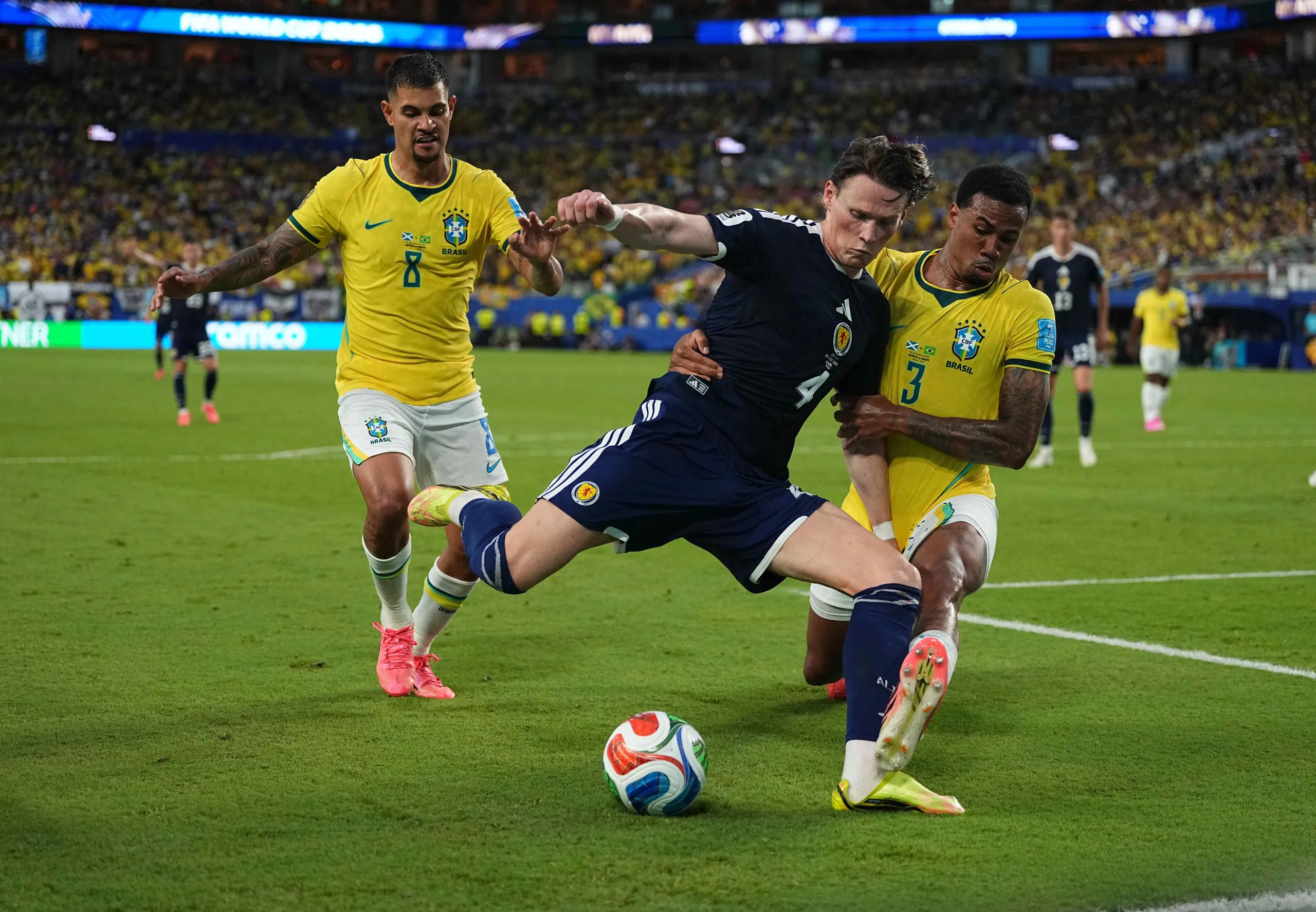
This brings us to the central paradox of this World Cup: while the Scottish fans have been outstanding, the team’s performance has been underwhelming. They were ineffective against Haiti, overly cautious against Morocco, and utterly disorganized in their match with Brazil.
Currently, Scotland finds itself in a state of limbo, lingering in North Carolina with a faint hope of advancing to the knockout stage. However, even those within the squad seem to acknowledge that their contribution to this tournament warrants nothing less than an early return home. The concept of maintaining possession has appeared foreign to the Scottish players.
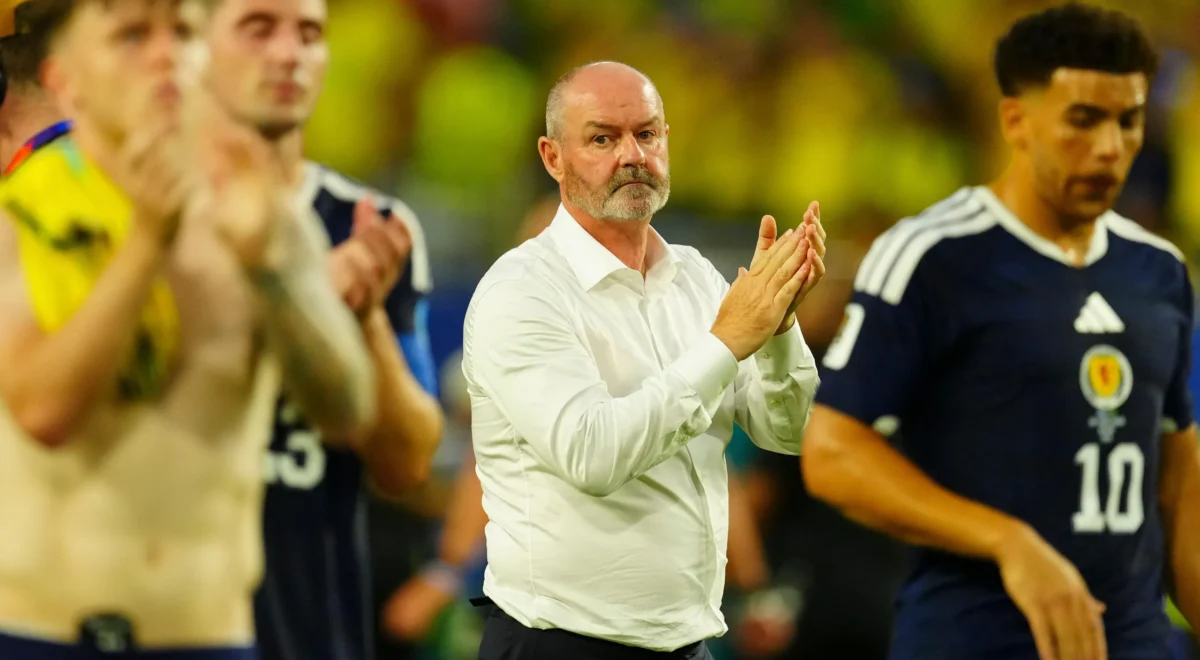
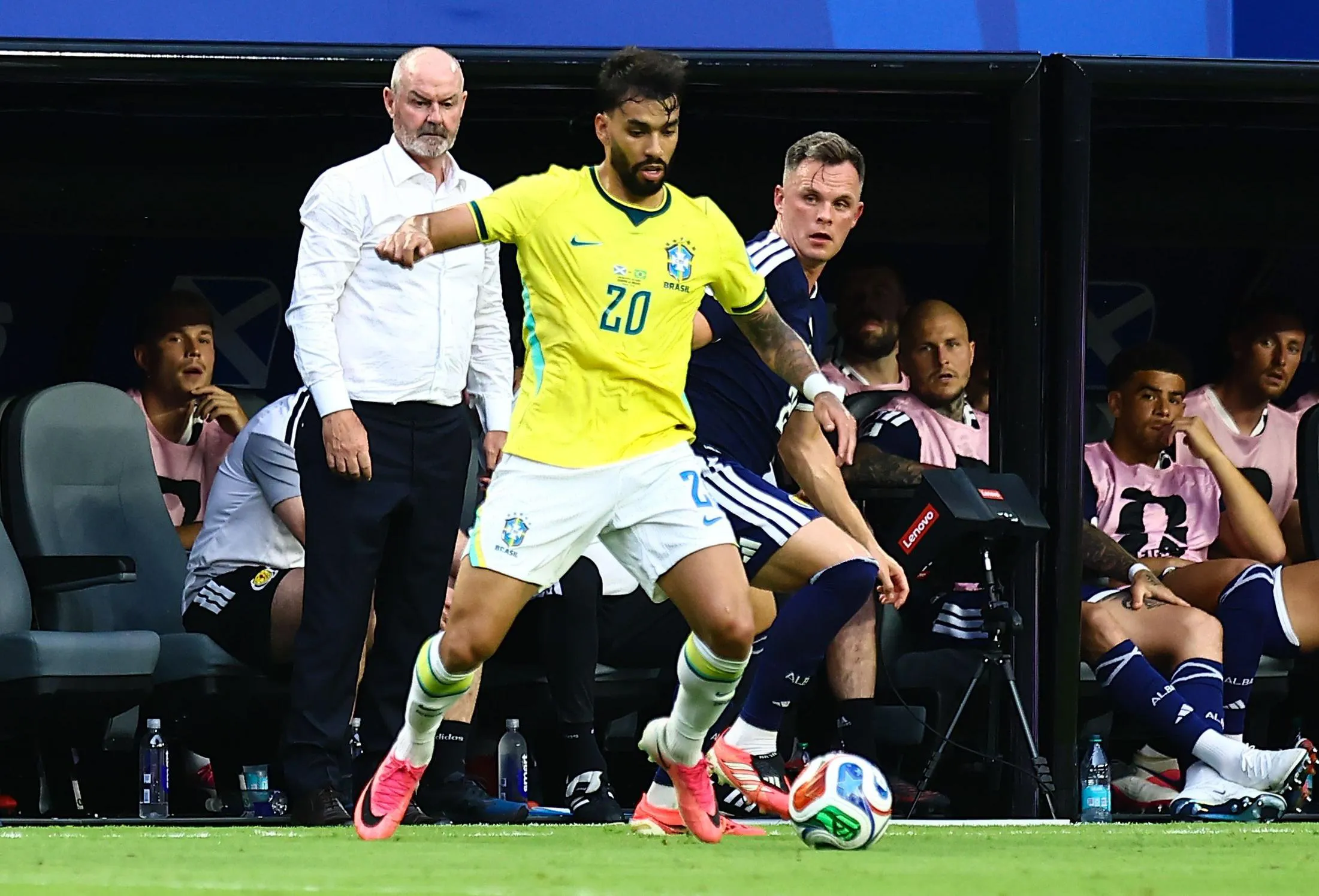
Criticism has largely been directed at manager Steve Clarke. A vocal minority has never been fond of him, and an increasing number of fans believe he has overstayed his tenure since taking charge in 2019. In an extraordinary move, the Scottish FA awarded Clarke a four-year contract extension before the World Cup even commenced, a decision that seemed ill-timed. He had arrived in the US with high hopes, which is hardly surprising.
Scott McTominay’s performances have been lackluster, yet he has not faced inquiries into his form, perhaps due to his noticeable absence from routine media engagements. Similarly, John McGinn has struggled to replicate his club form at Aston Villa on the international stage once more.
This situation cannot be entirely blamed on Clarke. With some understanding, one might suggest that the disparity in quality from club-level teammates poses significant challenges for both players.
Clarke must also confront pressing issues. The fact that the team managed only a single goal against Haiti in their opening match was always going to be precarious. The unexpected decision to deploy Kieran Tierney as a left midfielder against Morocco failed to yield results. Moreover, choosing Lawrence Shankland, who is not known for his speed, as the lone striker in the sweltering Miami heat against Brazil was questionable.
That said, even a player of Bart Simpson’s caliber could have succeeded in that role, given the lack of opportunities created. Clarke’s dismissive demeanor during broadcast interviews does not help his cause.
Scotland’s players, who enjoy top-tier amenities and are supported by a substantial staff, have participated in three consecutive tournaments under Clarke, yet their output has been minimal. With only four goals scored across nine games, one must wonder whether the SFA considered accountability before offering another contract.
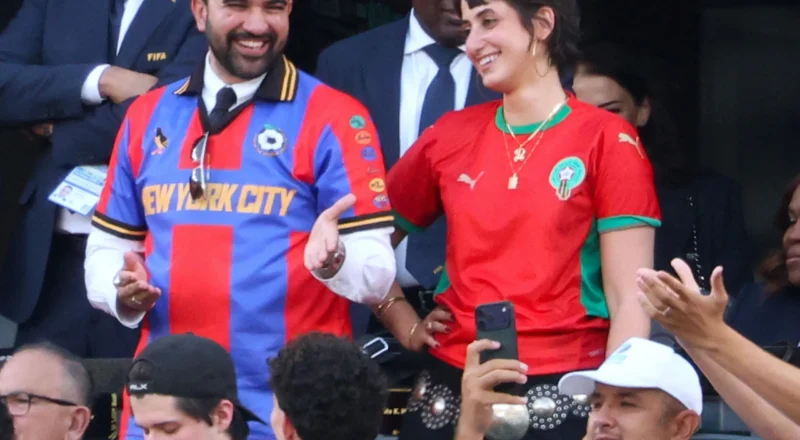
Accountability must extend beyond the team itself. The SFA’s leadership prefers to be visible only when it benefits their image. For instance, president Mike Mulraney was seen seated next to Gianni Infantino as Brazil dismantled Scotland. Given his position on FIFA’s finance committee, it is unlikely that he would criticize the exorbitant ticket prices. Furthermore, Mulraney’s chief executive, Ian Maxwell, was observed socializing with the players in Glasgow on the night they secured their World Cup qualification.
After Scotland was eliminated from Euro 2024, Mulraney, Maxwell, and Clarke disappeared from public view. This must not repeat itself. Now is a crucial moment for leadership. Scotland is facing a crisis in its national sport, a situation that the governing body must address.
During a post-match press conference following the Brazil game, Clarke’s voice sometimes trembled as he identified the core issue: “When you see the physicality, the power and the technique [of others] you can see that we have to try to do something,” he stated, acknowledging that Scottish players are struggling to compete at this level.
There are players who are either lacking pace or technical ability, and Clarke is aware of the harsh realities involved.
Solutions must be sought, and radical changes may be necessary. A significant challenge is that certain clubs in Scotland prioritize their interests over the development of local talent. The SFA should firmly communicate to these clubs, backed by evidence, that immediate change and collective action are required. Should they resist this call, national embarrassment may follow.
Implementing homegrown quotas, providing incentives for clubs to field young Scottish players, halting the absurd approval process for foreign players seeking work permits, and reviewing the summer fixture schedule are all potential solutions that should not be overlooked. These measures are essential, regardless of whether Scotland manages to progress to the last 32.
Part of Clarke’s responsibilities upon signing his new contract included the introduction of new talent. His current squad is aging and has reached its peak by qualifying for the World Cup. A similar lengthy wait for the next World Cup could easily occur if Scottish football does not pursue substantial reform. Other nations have surpassed Scotland in terms of development.
- Scotland
- World Cup 2026
- World Cup
- comment