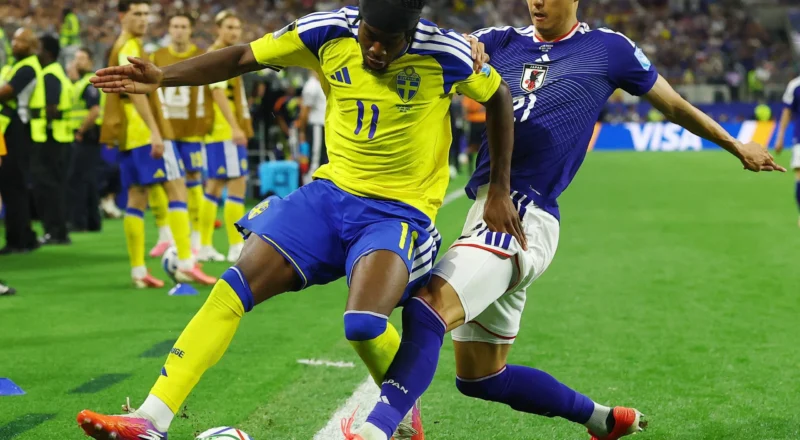


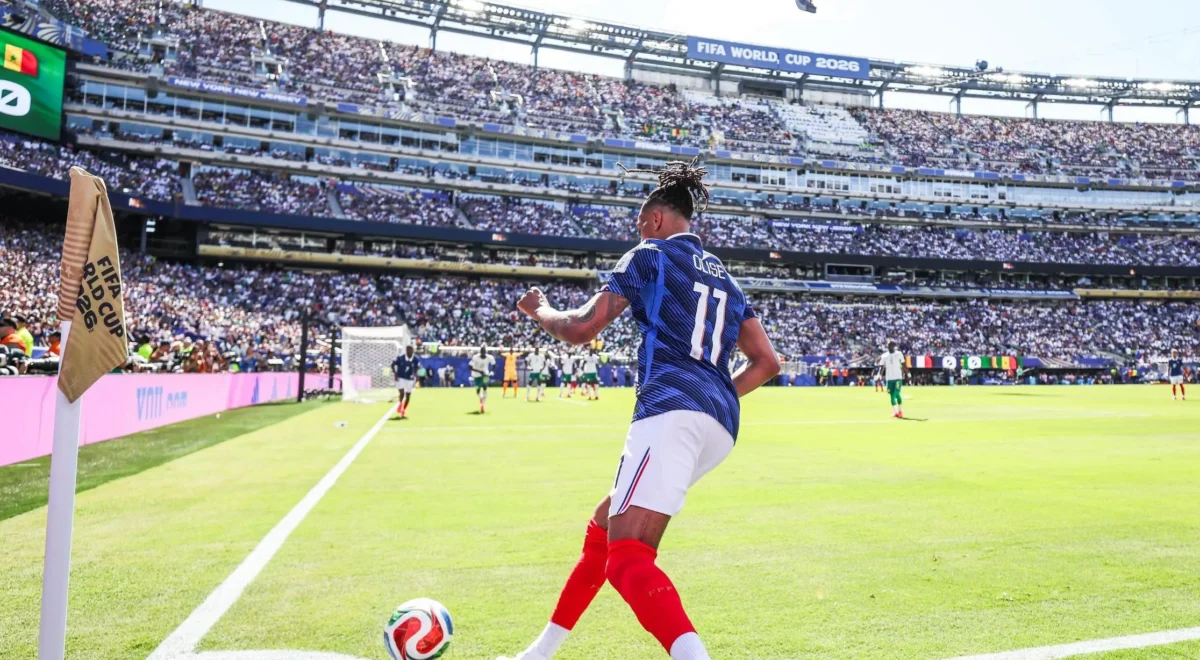
Michael Olise stands out as perhaps the finest creative talent in the world today. Last season, he notched an impressive 26 assists while playing for Bayern Munich. His transition into a more central position was pivotal in turning France’s match against Senegal from a lackluster encounter into a remarkable victory.
Having developed the confidence he showcased at Crystal Palace, Olise has evolved at Bayern into a player of remarkable elegance. Within a squad brimming with talent, he is the standout figure who could lead France to World Cup glory. However, he occupies a unique position within this team.
Born in White City, west London, and raised with a passion for cricket—his father was British-Nigerian and his mother French-Algerian—Olise is an unusual presence. Furthermore, like his former Palace colleague Eberechi Eze, he dedicates much of his leisure time to chess. What distinguishes him from his teammates is his ability to play with both joy and freedom. He has yet to fully succumb to Didier Deschamps’s tactical demands or become jaded by fame, making him a critical figure in the historical narrative of French football.
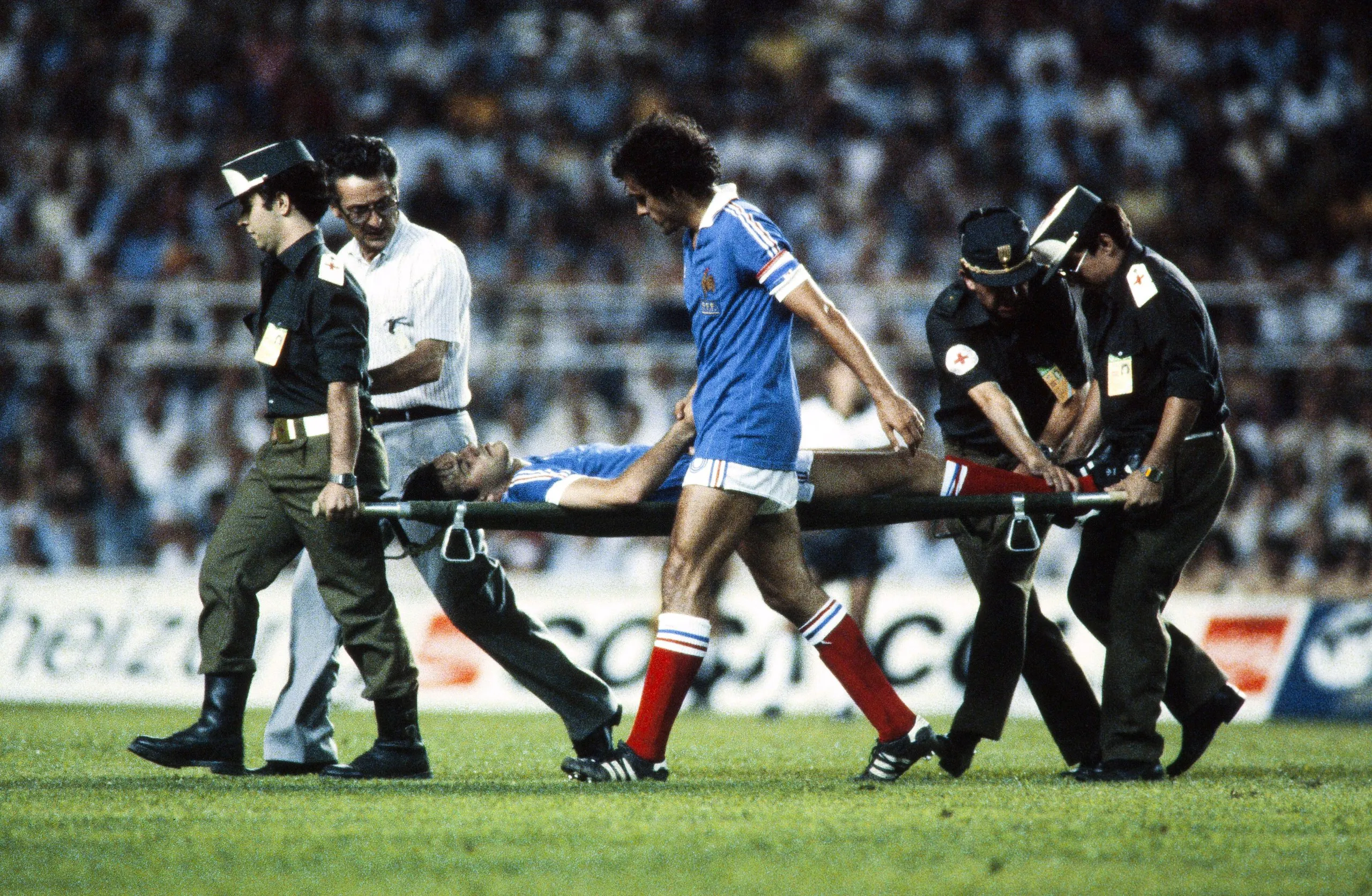
During the 1982 World Cup, France was celebrated for their carré magique, which consisted of Michel Platini, Jean Tigana, Alain Giresse, and Bernard Genghini. Although they only utilized this midfield quartet in the semi-final against West Germany, their performance in Seville became legendary.
Despite the heartbreaking penalty shootout loss after leading 3-1 in extra time—an agonizing match where Patrick Battiston was rendered unconscious by Toni Schumacher—France played with flair, embodying the essence of French football. Two years later, as they claimed the European Championship, Genghini was replaced by the more defensive, yet still stylish, Luis Fernández, but the spirit of offensive play remained. French football was synonymous with la gloire.
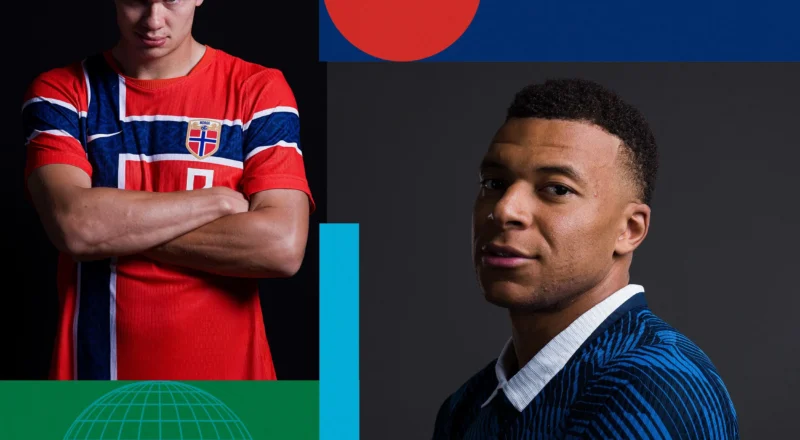
This current French squad boasts players who could achieve similar greatness. One can easily envision future pundits reminiscing about the attacking talents of Ousmane Dembélé, Kylian Mbappé, Desiré Doué, and Olise. These four represent the pinnacle of the French academy system, complemented by Olise’s unique journey from Hayes & Yeading to Reading, alongside stints in the academies of Arsenal, Chelsea, and Manchester City. A team featuring such attacking prowess would be a nightmare for any defense.
Yet, France has not been invincible. They managed only a 2-2 draw against Iceland during qualifying, failing to exhibit their characteristic élan. Although they reached the semi-finals of the last European Championship, they did so without scoring a single goal from open play. Nations often fluctuate along a performance spectrum, and what defines them is the significance of that spectrum.
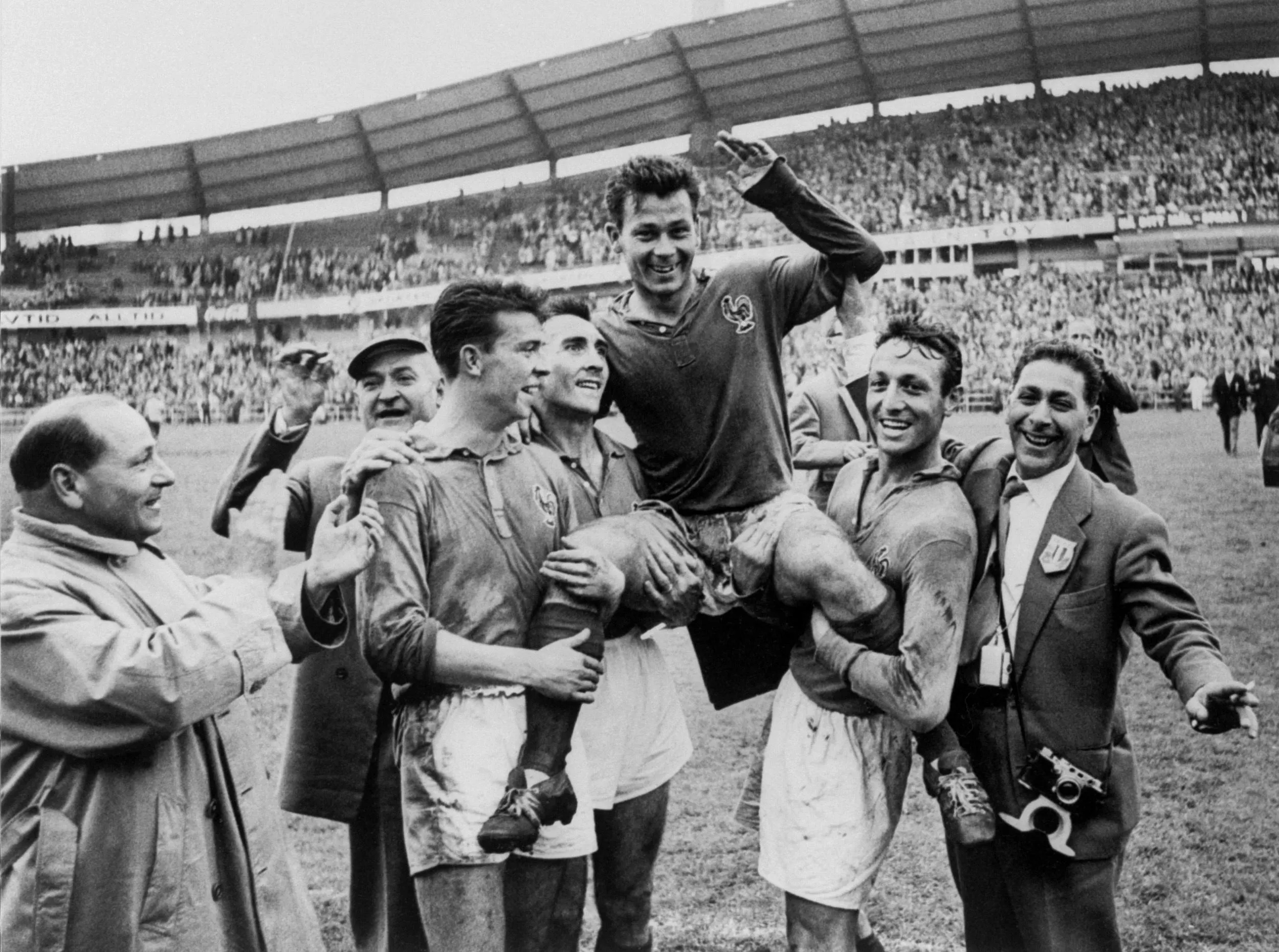
The 1958 French side, which advanced to the World Cup semi-finals—featuring Just Fontaine, Raymond Kopa, Roger Piantoni, among others—was built on offensive brilliance. However, by 1969, after their successors missed qualification for the 1962 and 1970 World Cups and exited in the group stage in 1966, a shift occurred.
Georges Boulogne took the helm during this time, echoing the contemporary economic discourse by proclaiming the need for “football labeur” and asserting that the game should cease being “une activité ludique.” However, he was unsuccessful, and France did not qualify for the 1974 finals. The former Ajax coach, Stefan Kovacs, initiated a return to a more progressive style, but it was Michel Hidalgo, who took charge before the 1978 World Cup, that truly revitalized French football’s identity.
Hidalgo led France to victory in the 1984 European Championship, but it was the events in Seville that defined an era. This was further emphasized in 1986 when, after a stunning quarter-final victory over Brazil in Guadalajara, they once again fell to West Germany in the semi-finals, solidifying their reputation as glorious losers.
Yet, for many fans, this was acceptable. What was sport for, if not for la gloire? In the 1960s, faced with two exceptional cyclists—Jacques Anquetil, known for his control in races, and the flamboyant Raymond Poulidor, famed for his daring climbs—France preferred Poulidor. As philosopher Raymond Aron stated in the documentary series Le siècle des intellectuels, the country was more interested in excellence than mere victory.
However, not everyone shared this sentiment. When Gérard Houllier became the national technical director for football in 1988, he revamped the academy system. Although his tenure as national coach ended in disappointment, failing to qualify for the 1994 World Cup—thanks to David Ginola’s infamous cross in the final moments against Bulgaria—he laid the groundwork for future successes.
Aimé Jacquet succeeded him, guiding a team that, despite being criticized for their dull play, reached the Euro 96 semi-finals. L’Équipe criticized him heavily, but Jacquet remained steadfast. The 1998 squad was filled with creative talents—Youri Djorkaeff, Zinedine Zidane, Thierry Henry, Robert Pires, David Trezeguet, and Christophe Dugarry—but they played conservatively. Nonetheless, they lifted the World Cup, and the French public found pleasure in the boring victories more than in the thrilling defeats.
Deschamps, Jacquet’s captain, absorbed this lesson. For twelve years, he has seemingly orchestrated an absurd experiment: how dreary could one make a team of the greatest attacking players in history? This approach secured a World Cup, but after a lackluster 1-0 victory over Belgium in the 2018 semi-finals, France found themselves likened to Anquetil, as Eden Hazard remarked he would prefer to lose than win in such a manner.
Recent forgettable tournament performances have led to a rising sentiment in France that Deschamps is stifling the team’s potential. Since the last European Championship, Dembélé has claimed the Ballon d’Or, Doué was named man of the match in the Champions League final, and Mbappé continues to shine, having been the top scorer in La Liga last season. However, the player currently generating the most excitement, the forward tasked with reviving la gloire for France, is Olise.