

As the 2026 Formula 1 pre-season testing unfolds in Bahrain, teams are accumulating valuable insights into the performance dynamics of their vehicles ahead of the racing season. However, significant questions linger regarding the functioning of crucial aspects of the sport and how these intricacies will be effectively conveyed to fans, casual observers, and television audiences.
Despite comprehensive briefings, drivers continue to navigate the intricate requirements of the power units, which now feature a nearly equal distribution of electrical and internal combustion engine output. This necessitates a constant cycle of battery discharge and recharge within a single lap. Additionally, uncertainties abound regarding the best strategies for managing this cycle throughout a race, whether drivers can maintain full throttle during qualifying, and how to optimize race starts given the increased turbo lag.
A key insight emerging is that while drivers will have an enhanced role in influencing car performance through their decisions during the lap, software algorithms will ultimately dictate the most effective points for energy deployment and recovery. Consequently, drivers may find themselves primarily following cues, making it challenging for fans to appreciate the nuances of their skill.
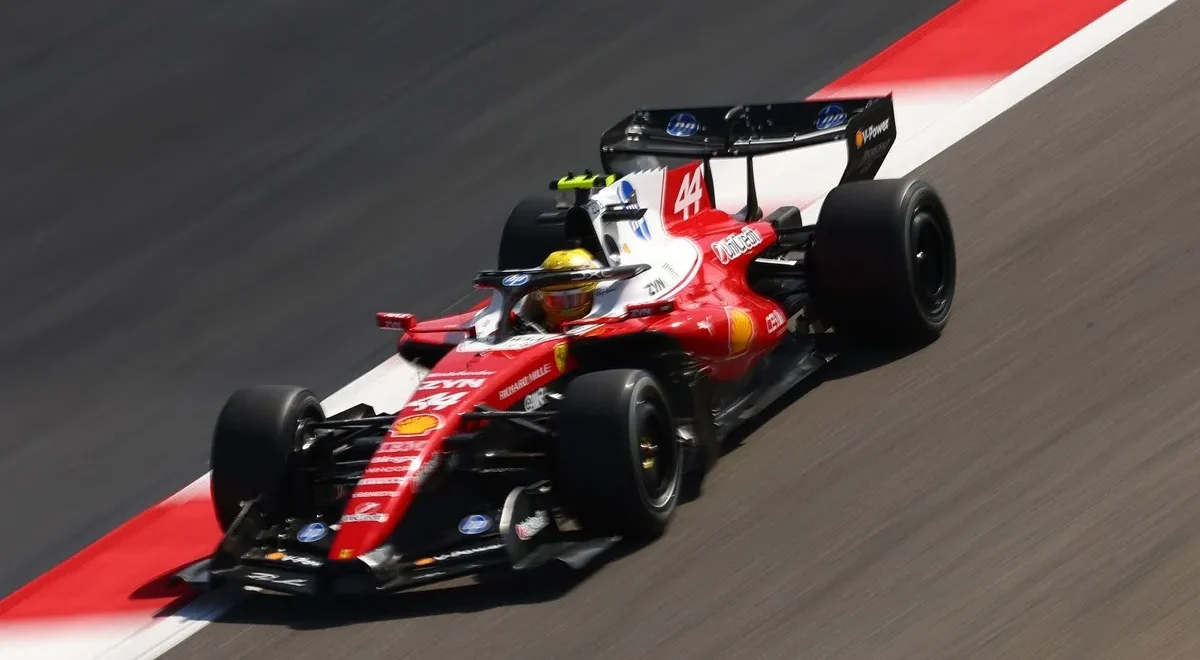
“None of the fans will understand it, I think,” Lewis Hamilton shared with reporters following his initial morning of testing with Ferrari’s new SF-26 in Bahrain. “It’s so complex; it’s ridiculously complex. I had seven meetings one day, and they guided us through the details. I don’t know; it’s as if we need a degree to fully comprehend it all.”
Hamilton further noted, “In terms of managing it, it’s relatively straightforward, I would say. However, during the race, it might vary, as you can observe. There exists a system that learns from your driving style once you complete a lap. If, for instance, you lock up and veer off track, the distance impacts that algorithm. We’re all striving to grasp it and understand the nuances, but everyone is in the same situation.”
This learning process was evident during the first day of testing in Bahrain, with teams shifting their focus towards performance after a five-day shakedown session in Barcelona. Distinct approaches emerged among teams and drivers regarding various corners, with significant variations observed even from the same driver in identical cars as they assessed the impacts of braking, lift-and-coast techniques, and operating at higher revs in lower gears to harness power from the electric motors.
However, these strategies come at a cost, often compromising stability as cars experience a reduction in downforce, particularly at the rear. Hamilton explained, “The low gears we are forced to use stem from our inability to recover sufficient entry power—the car simply cannot manage it. Consequently, we must rev the engines to very high levels, sometimes dropping to second and first gear in certain areas to reclaim that additional power.”
He also reflected on the differences observed in Barcelona, noting, “For instance, we experienced around 600 meters of lift-and-coast during a qualifying run, which is not typically the case. Here in Bahrain, we can’t employ that strategy due to the braking zones, which complicates matters as the transitions between gear ratios are quite steep. Moreover, the low downforce adds to the challenge. There’s simply a lot of sliding happening.”