

Footballing clichés often linger, but Germany has evolved. While they may no longer be the relentless, methodical conquerors of yesteryears, they have demonstrated their ability to secure thrilling victories in the dying moments of matches.
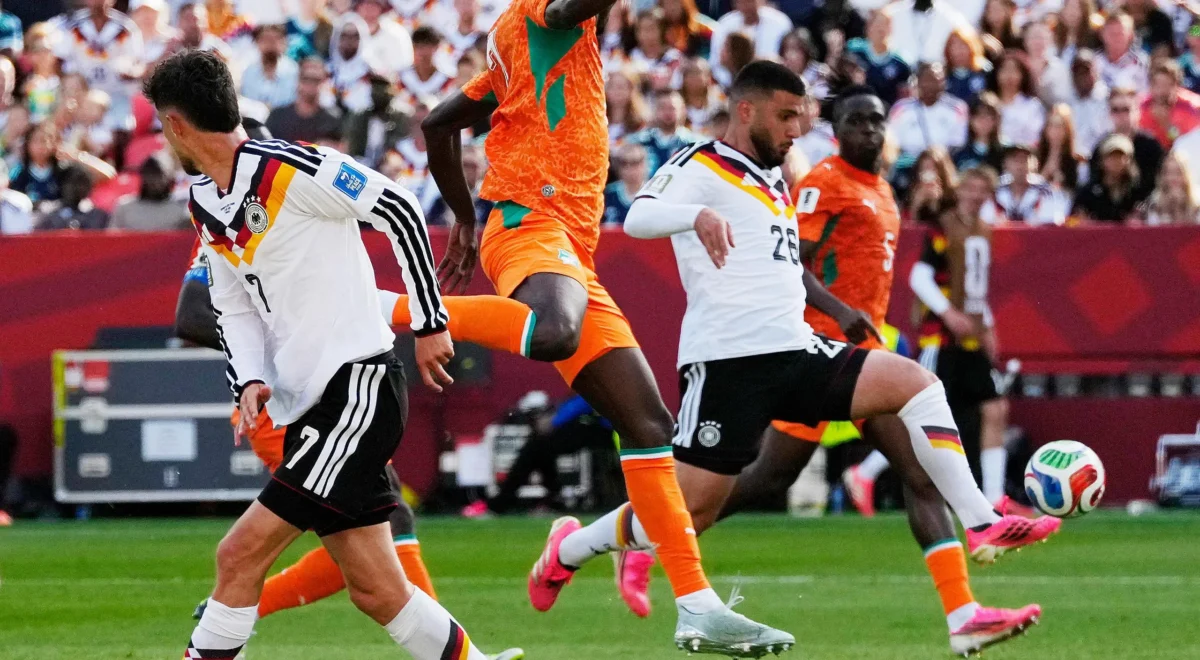
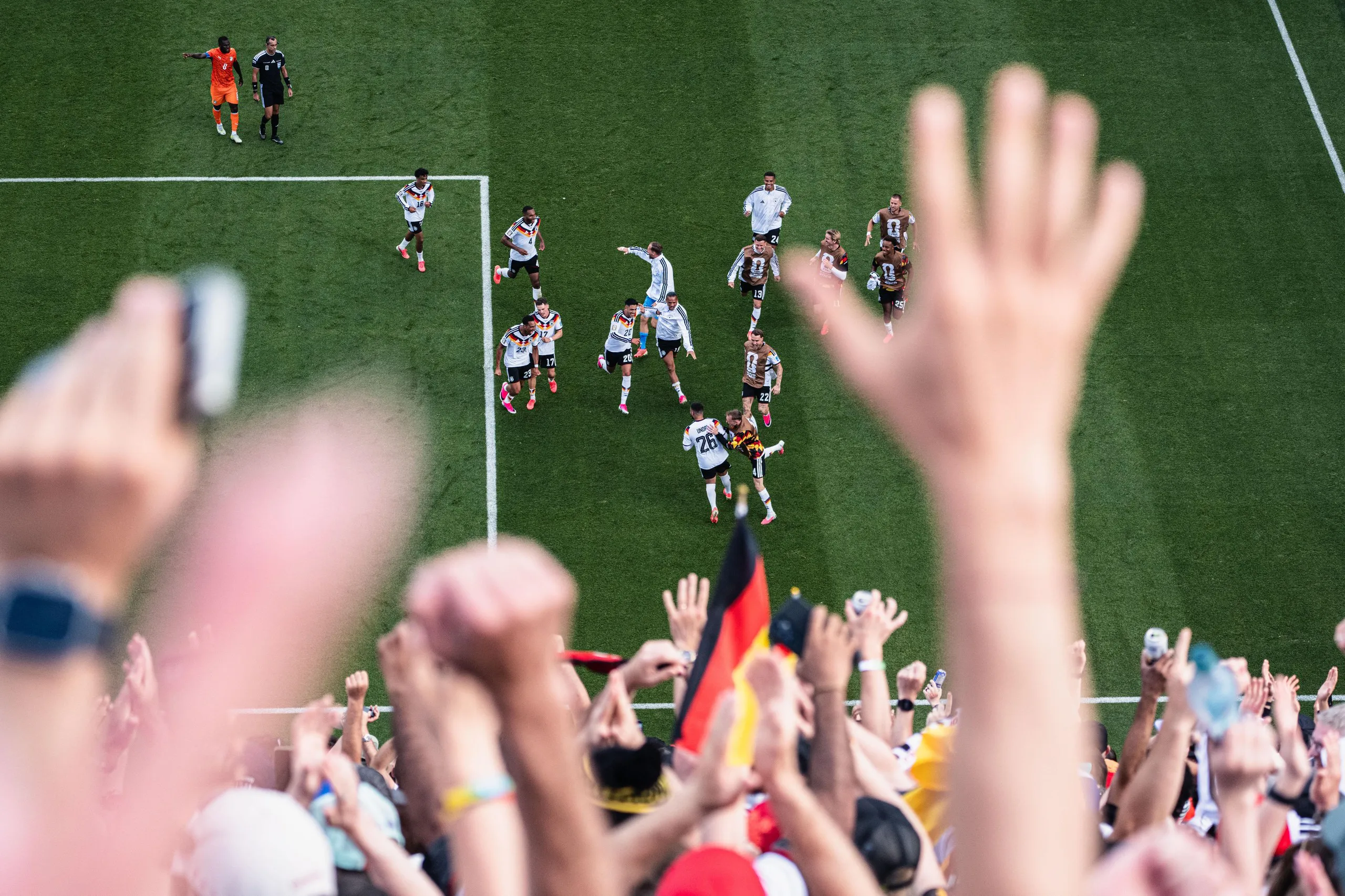
Following a dramatic comeback, Germany has reached the World Cup knockout stages for the first time in 12 years. In a thrilling match on Saturday, Côte d’Ivoire initially took the lead with Franck Kessié scoring in the 30th minute. However, Deniz Undav turned the tide with an equalizer in the 68th minute, followed by a decisive goal in the 94th minute.
This win brought the four-time champions to six points in the group, though the youthful Ivorian team proved to be a more formidable opponent than Curaçao, whom Germany had defeated 7-1 just six days prior. “I’m very happy for the whole team because every player who came into the match was important,” commented Germany’s manager, Julian Nagelsmann. “During the second half we were a lot more active and took more risks because we really wanted to win.”
Before 2018, Germany had never faced elimination in the group stage of the World Cup. They hold the record for the most semi-final appearances, totaling 13, closely followed by Brazil with 11. Yet, they faced early exits in the past two tournaments, in Russia and Qatar.
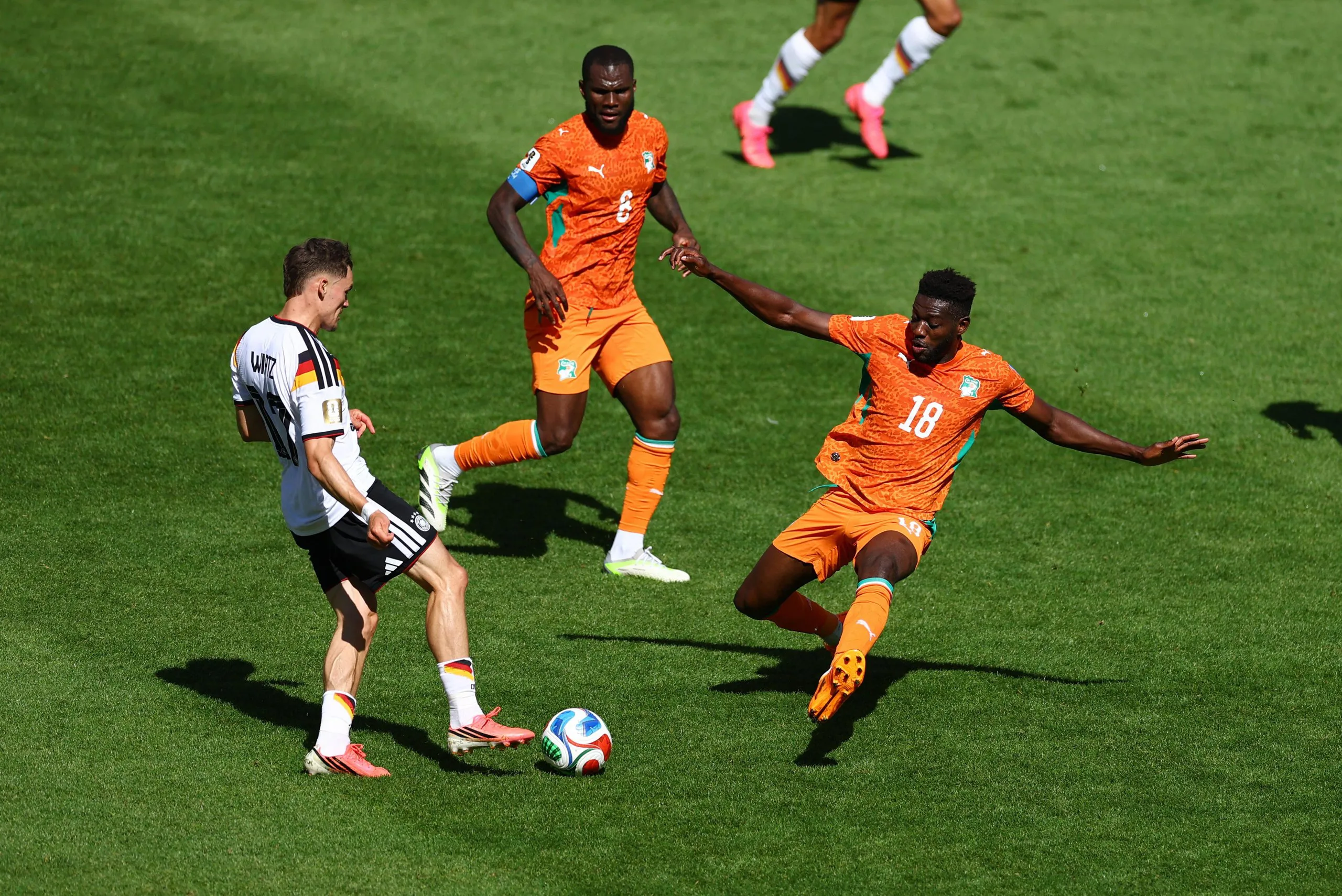
With the tournament now expanded to 48 teams, and 32 advancing to the knockout rounds, it seemed unlikely that Germany would falter again. However, concerns surrounding this iteration of the team remained. Questions loomed over the lack of a standout striker, the form of Jamal Musiala and Florian Wirtz, injuries to key players like Serge Gnabry and Lennart Karl, and the return of 40-year-old Manuel Neuer, who had been coaxed out of nearly two years of international retirement to address the goalkeeping situation. Additionally, Nagelsmann has yet to silence critics of his leadership, having previously faced scrutiny at Bayern Munich.
There was also apprehension regarding Germany’s failure to produce a game-changing player capable of dominating matches and leading the team to victory. Furthermore, the general apathy among German fans toward this team and the tournament was palpable.
Despite these issues, an unchanged German lineup relished the opportunity to put seven past an opponent in their previous match. They almost struck early again when Kai Havertz attempted a shot just 15 seconds into the game, but it soared over the bar. Joshua Kimmich delivered a cross to Havertz, who had another chance with a header, only to be denied by a spectacular save from Yahia Fofana. Musiala also found space at the edge of the box but curled his shot wide.
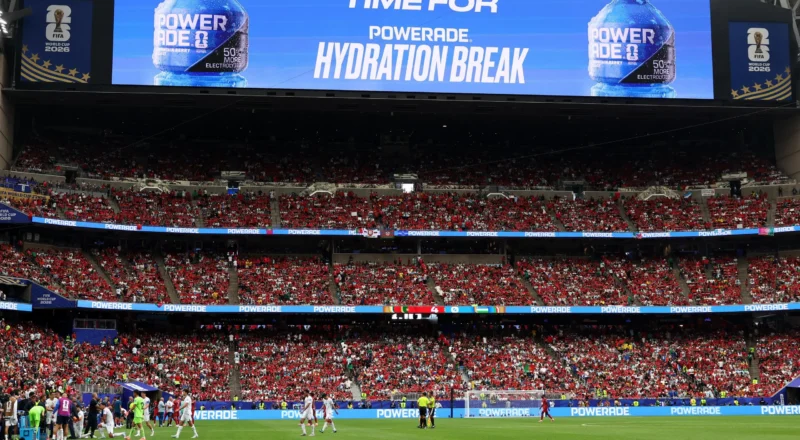
The Paraguayan referee Juan Gabriel Benítez deemed it inappropriate to pause for hydration, which led to jeers from the crowd during a drinks break shortly thereafter. The pleasant afternoon weather was ideal for soccer, and spectators felt that no special measures were necessary for player welfare.
The break shifted the match’s momentum. In the 30th minute, Yan Diomande, the emerging Ivorian talent, received the ball on the left flank. He had been active throughout the match, but this time, he managed to evade Kimmich and delivered a low cross to Amad Diallo. Although Diallo struggled to control the ball, Kessié was perfectly positioned to capitalize on the rebound and score.
Germany, along with their estimated 12,000 supporters, appeared stunned after conceding. However, they were revitalized when a second Ivorian goal was disallowed in the 39th minute due to Musiala’s foul on Odilon Kossounou. Following that, Havertz netted a goal, but Côte d’Ivoire escaped further damage as they countered with ten Germans pressing high up the pitch.
To combat the Ivorian threat, Nagelsmann made a triple substitution in the 60th minute, injecting energy into the German squad. “There’s some frustration after this defeat,” he expressed. “But with the frustration, there is also a lot of pride in my players and how we played against one of the big favourites for this tournament. I think this defeat will serve us well for the rest of this tournament.”
The breakthrough came when substitute Nadiem Amiri set up Undav, who volleyed the ball into the net from close range. From that point on, Germany dominated the match as Côte d’Ivoire’s players seemed to lose their earlier vigor.
In a chaotic final stretch, Côte d’Ivoire nearly snatched a late equalizer during a breakaway, but Simon Adingra hesitated with the ball. At the other end, Brown and Amiri were thwarted by Fofana before Undav, assisted by Nmecha, turned and fired in the winning goal.
“There’s some frustration after this defeat,” Faé remarked. “But with the frustration, there is also a lot of pride in my players and how we played against one of the big favorites for this tournament. I think this defeat will serve us well for the rest of this tournament.” Côte d’Ivoire will face Curaçao on Thursday, aiming for their first advancement past the group stage in their history.
Germany, meanwhile, maintains its reputation as a “Turniermannschaft,” a team that excells in tournament settings. It’s fitting, then, that they have reached the knockout stage of this tournament for the first time since their 2014 victory.