

This article is part of the 2026 World Cup Experts’ Network, a collaboration involving top media organizations from the 48 countries that qualified. Leading up to the tournament kick-off on June 11, previews from three nations will be featured daily.
The Strategy
The qualifiers proved relatively straightforward for the Vatreni, or the Blazers, with Czechia posing the only significant threat in their group, managing to secure a draw against them. Coach Zlatko Dalic utilized some of these matches to experiment and expand his roster. When Croatia clinched the top spot by defeating the Faroe Islands last November, he remarked, “I will never try to play with three at the back again.”
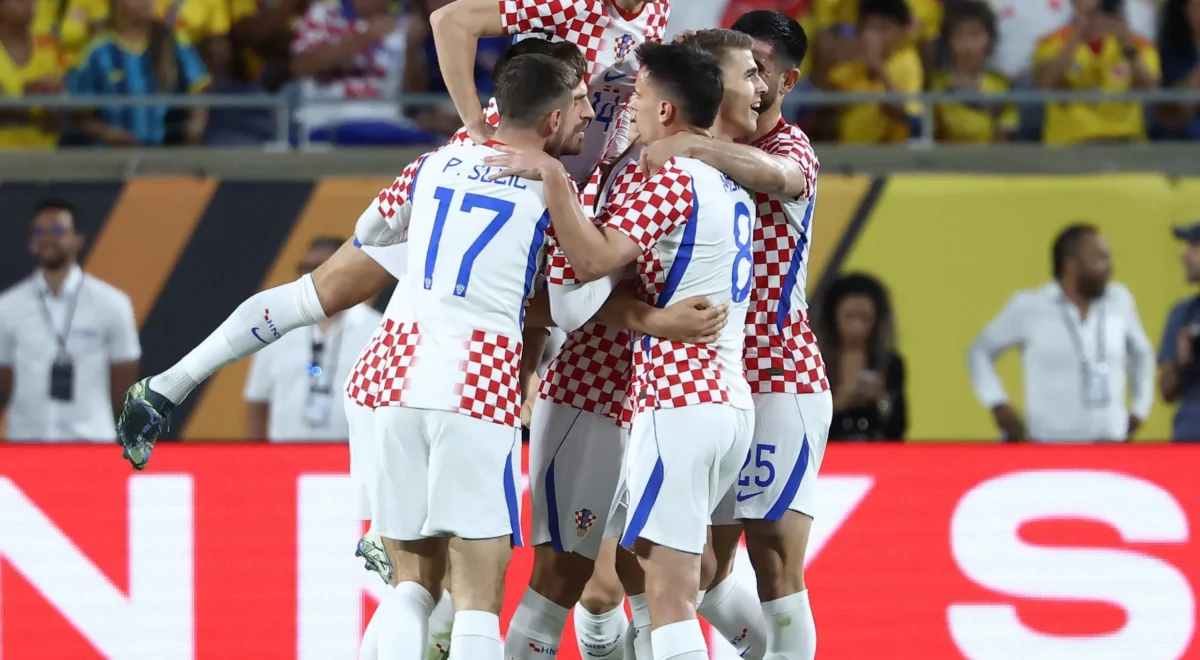
However, by March, during friendly matches against Colombia (2-1 victory) and Brazil (1-3 loss), he reconsidered and employed the three-back formation with varied success.
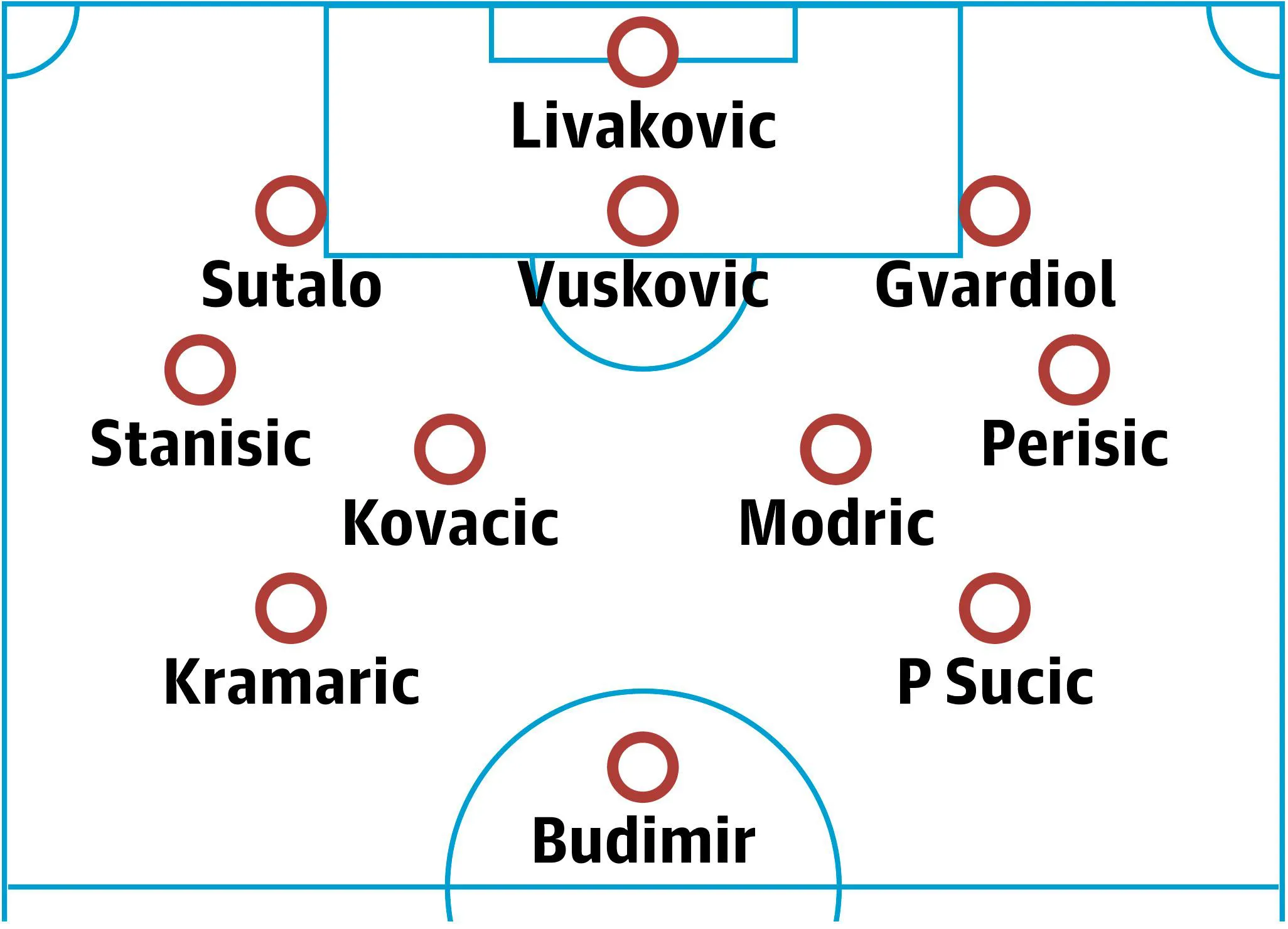
This formation is likely to be a fallback option for the World Cup. The team heavily relies on Josko Gvardiol and Mateo Kovacic, and with both Manchester City players returning from injury, Dalic seems inclined to stick with a back four—either in a 4-3-3 or 4-2-3-1 setup, which has been a hallmark of his tenure.
As one of the older squads at the tournament, Croatia features many players in their 30s, including captain Luka Modric, who is now 40. This wealth of experience brings a winning mentality but also raises concerns.
Questions linger about whether veterans like Modric, Kovacic (32), Ivan Perisic (37), and Andrej Kramaric (turning 35) can still perform at their peak. Meanwhile, the readiness of less experienced players to step up is pivotal. Croatia has a history of exceeding expectations, and their achievements in the last two World Cups have set the bar remarkably high. Nevertheless, they are determined to make a significant impact one last time.
The Coach
Zlatko Dalic’s nearly decade-long tenure is a remarkable feat in a country known for its swift coaching changes. His accomplishments have made him a respected figure, almost untouchable in his role. However, discussions around his contract’s expiry after the World Cup can evoke sensitivity. “Leave me in peace to do my job,” he retorted when questioned about his future. “I’m not going to sign an extension if anyone is forcing me to decide now.” This will be his third World Cup as head coach, following a silver medal finish in Russia and a bronze in Qatar.
Key Player
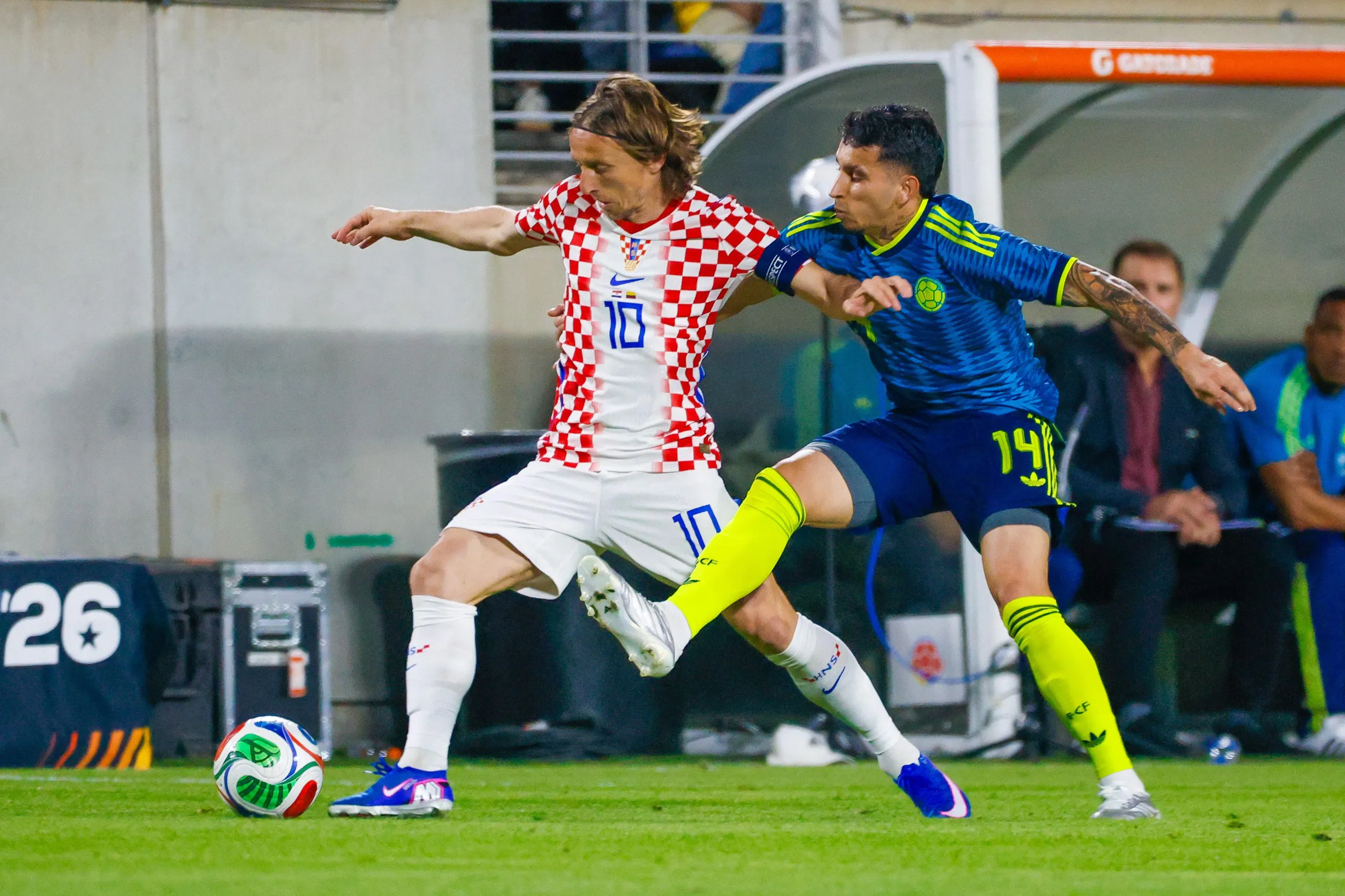
Luka Modric has been the driving force for Croatia since his full international debut two decades ago. Despite a new generation of players surrounding him, he remains the focal point of the team. Although he may not match the form he exhibited when winning the Ballon d’Or and Champions League titles with Real Madrid, his influence is still palpable on the pitch. Since joining AC Milan in 2025, he has been their standout player and recently netted his 29th international goal in a warm-up match against Slovenia, with prospects of exceeding 200 caps in North America.
Player to Watch
Luka Vuskovic is an emerging talent—a ball-playing, scoring centre-back who excels in aerial duels. At just 19 years old, the Tottenham defender, who spent last season on loan at Hamburg in the Bundesliga, has already established himself as a crucial part of Zlatko Dalic’s plans. His potential to shine on the grand stage is evident, and many are eager to see how he performs.
Unsung Contributor
Mateo Kovacic has often played in Modric’s shadow throughout his career, seldom recognized as a key figure for the national team. His true value becomes clear only in his absence; when present, he facilitates Modric’s freedom and enhances the team’s playing dynamics. Dalic understands Kovacic’s critical role, which influences tactical decisions, including formation changes. If Kovacic is not performing well, Croatia may shift from their typical 4-3-3 to a 4-2-3-1 or even a three-back setup.
Expected Starting Lineup
Fan Expectations
Croatia has faced its share of challenges with fan behavior leading to various sanctions. While the team is guaranteed strong support, fans venturing to North America are expected to engage in celebratory activities, dressing up and singing, rather than causing disruptions. At least, that is the hope.
Political Landscape
The adage of “not mixing sport with politics” remains a firm stance in Croatia, often invoked when convenient for those in power. The nation’s politicians have kept their views on the Trump administration subdued, so no significant opinions or sentiments from within the team camp are anticipated. Though fans may voice concerns over ticket prices and other matters, Croatia is unlikely to stir controversy during the tournament.