

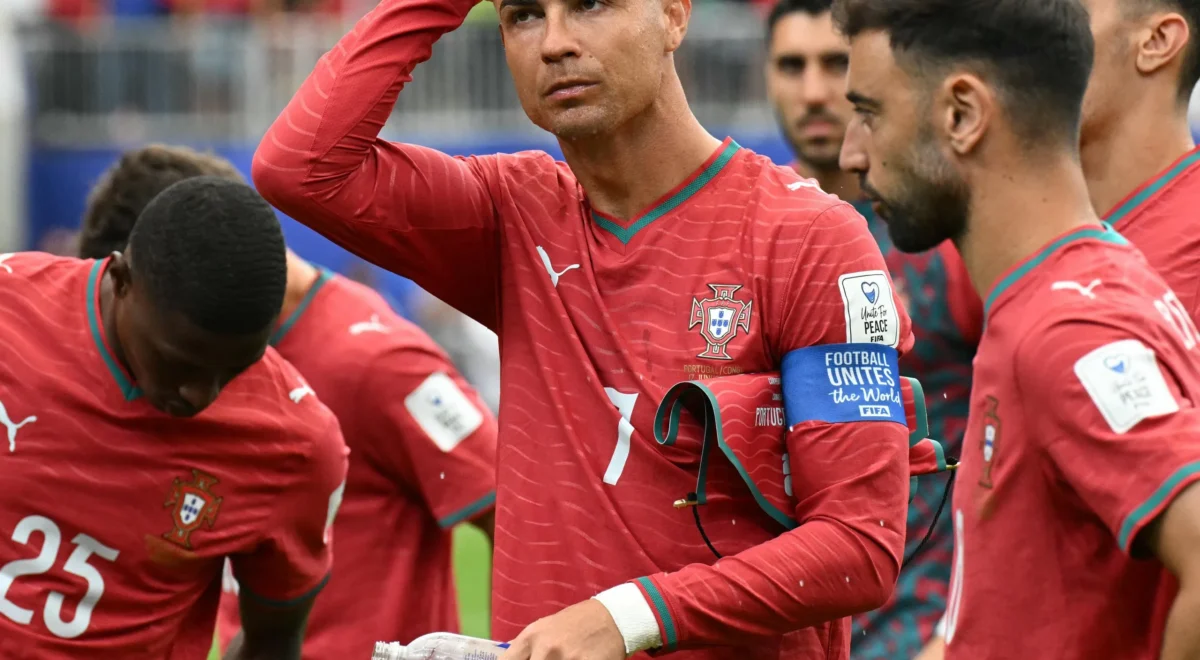
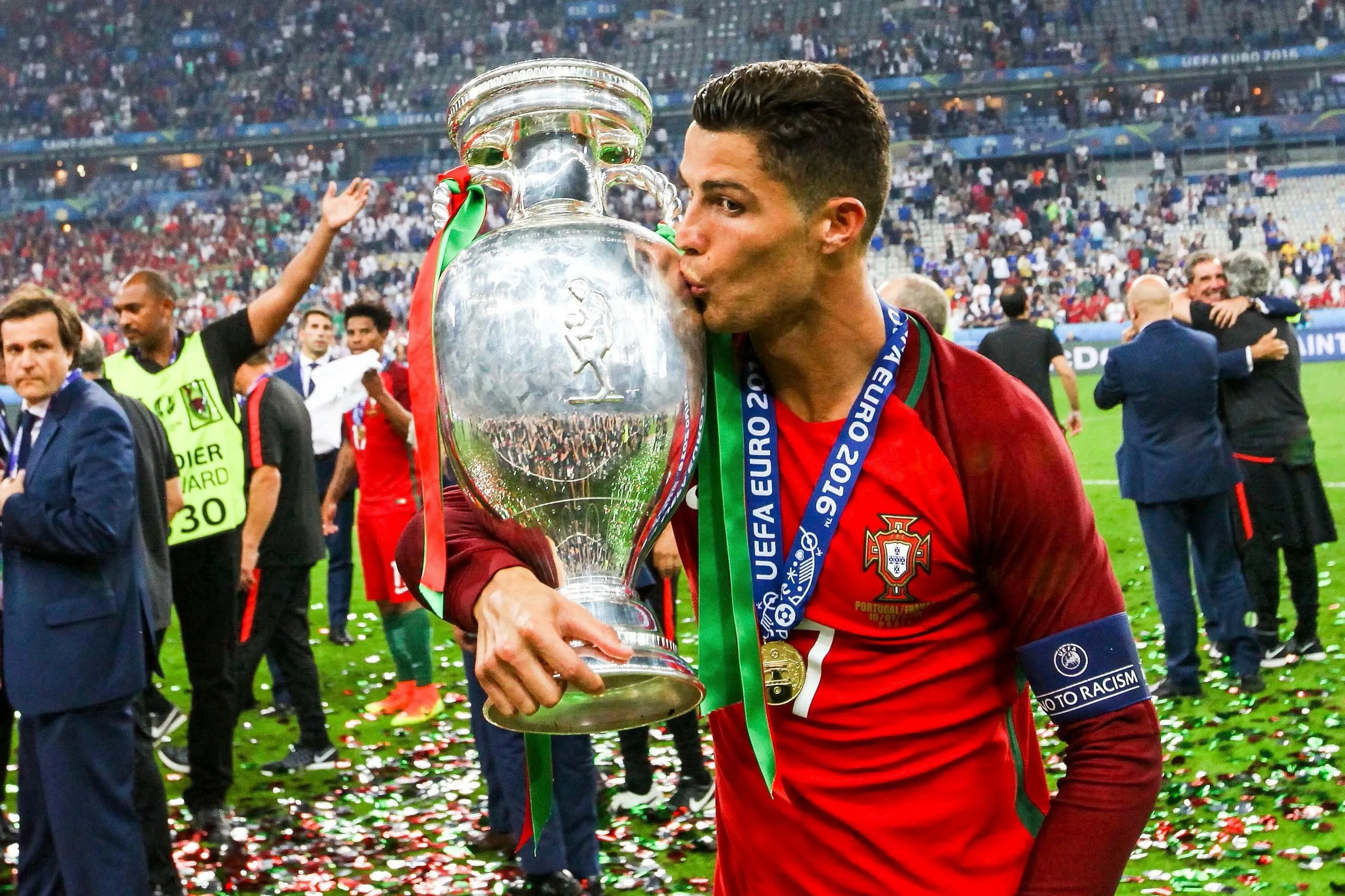
At 41, Cristiano Ronaldo’s challenge isn’t merely his age; it’s the uncomfortable truth that few are willing to share with him. In Portugal, the once unwavering support for the football legend is beginning to wane.
Ronaldo is no longer fit to be a starter for the national team. What once would have been deemed a heretical statement is now an evident reality, albeit one that the national team manager, Roberto Martínez, and his staff seem to overlook.
Beyond the shock of Portugal’s draw against the Democratic Republic of the Congo (DRC)—a team that has never scored a point in World Cup history—Ronaldo’s future has become the focal point of discussion throughout the country. Whether on public transport, in parks, or during shopping outings, the debate is inescapable. It has intensified before the tournament and is now deafening.
Before delving into Ronaldo’s performance, it’s essential to acknowledge his impact. As a Portuguese citizen, avid football supporter, and journalist, I feel a sense of gratitude towards him. Traveling to any part of the world, mentioning my nationality often prompts immediate recognition of his name. People ask about my opinion of him, recount memorable goals he scored against their favorite teams, and share where they were when they witnessed his brilliance on the field.
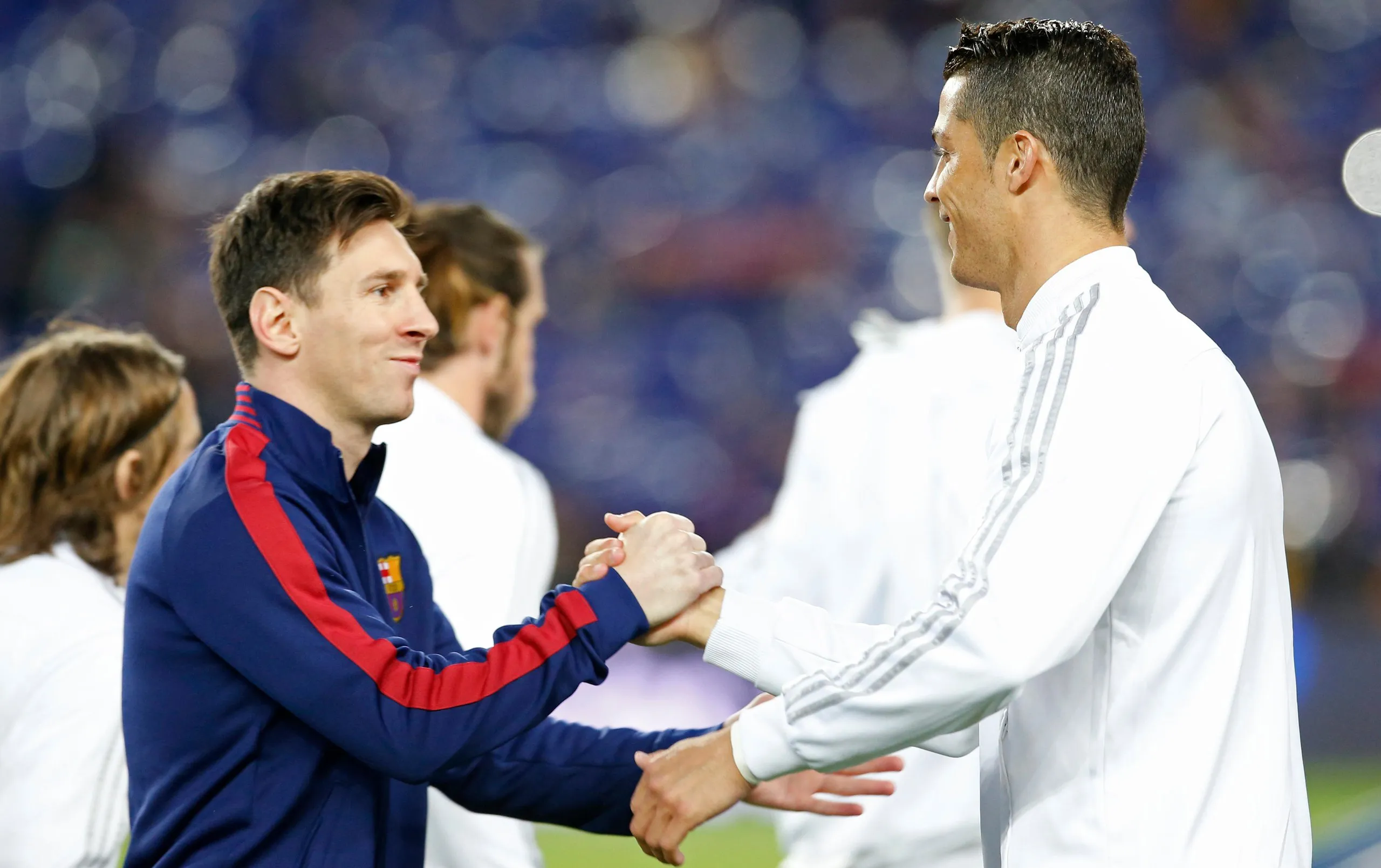
During the height of his rivalry with Lionel Messi, choosing the Argentinian over Ronaldo felt nearly unpatriotic, leading to heated family debates with differing opinions. Few athletes have done more to elevate their nation’s image, and Ronaldo has been a prominent figure in this regard since the rise of social media.
However, his legacy is now at risk. It remains difficult to comprehend why Martínez persists in starting Ronaldo and, perplexingly, allowing him to play the full 90 minutes. In the recent match against the DRC, Ronaldo touched the ball just 25 times, the lowest of any player who completed the game for Portugal. He failed to threaten the opposition’s goal or impose any significant challenge on the DRC’s defense.
After the match, DRC midfielder Ngal’ayel Mukau expressed a sentiment that underscores this shift.
“We know that he isn’t the same as before. He is a little bit older now. But still, he is one of the greatest to play the game. We have much respect for him.”
Can one imagine an opponent making such a remark about Ronaldo back in 2016? Today, this reflects a reality that many are now acknowledging. Portugal boasts one of the world’s strongest squads, featuring talents like Vitinha, Bruno Fernandes, and João Neves. They no longer require Ronaldo as a starter.
So, who bears the responsibility for this situation? Ronaldo himself is among the least to blame. It is natural for any footballer, regardless of age, to aspire to play as much as they can—especially someone with his relentless competitive spirit, which has enabled him to excel in various leagues worldwide.
What is more surprising is Martínez’s reluctance to address the issue, and the apparent unwillingness of those in Ronaldo’s inner circle to confront him with the reality: if he truly wishes to support the team, he should consider discussing a reduced role with the coach.
Players of Ronaldo’s stature have an obligation to recognize when they are no longer contributing at their previous level. By continuing to occupy a space that he can no longer justify based on performance, he risks hindering Portugal’s progress and tarnishing the image he has meticulously crafted throughout his career.
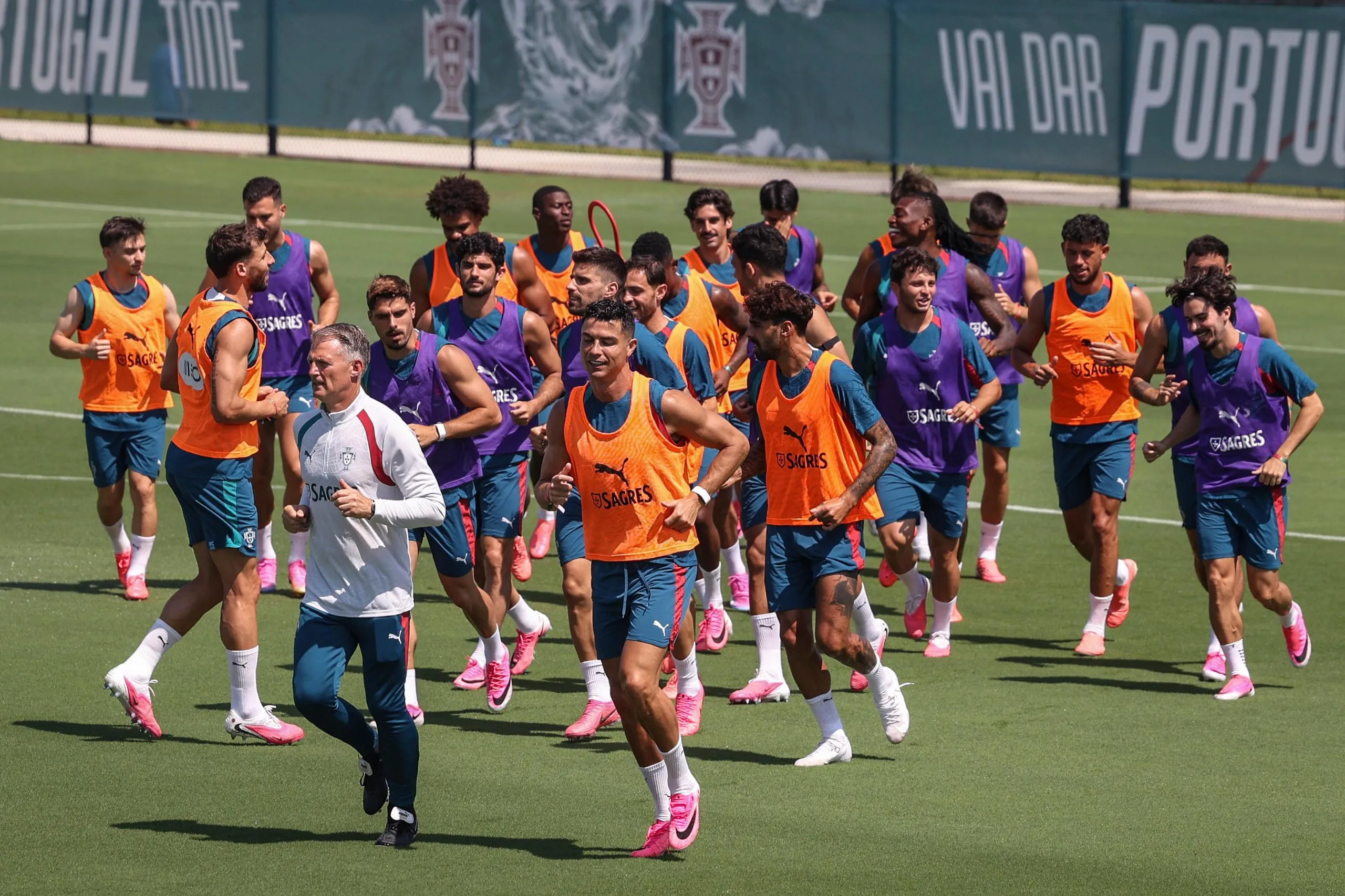
Should Ronaldo be included in Portugal’s World Cup squad? Certainly. His experience remains invaluable, both on and off the pitch. He has the ability to mentor younger players during high-pressure situations, provide leadership from the sidelines, and serve as a source of inspiration. Ignoring his commercial value for the tournament and the Portuguese football federation would be naïve, and there may be instances where his presence off the bench could prove beneficial.
The most poignant aspect of this narrative is that the greatest player in Portuguese football history stands on the brink of seriously damaging his legacy. How will history remember him? As the boy from modest beginnings who left Madeira at a young age, ventured to Lisbon alone, and conquered world football? Or as the aging superstar who attempted to defy time but ultimately became a diminished version of himself?
Ronaldo no longer tracks back during defensive plays. He lacks the dynamism and relentless drive that once defined his game. These observations, once privately acknowledged but seldom voiced, have now become impossible to ignore.
Fernando Santos recognized this during the 2022 World Cup in Qatar, when he made the bold choice to exclude Ronaldo from the starting lineup. For the first time, the notion that Ronaldo was untouchable within the national team was challenged. After Santos’s departure, a reset occurred, and Ronaldo returned as a guaranteed starter.
Will this criticism spur Ronaldo to elevate his performance? Absolutely. Can he still disprove his critics? Realistically, no. Would I like to see him enjoy a dignified farewell on the grandest stage of football? There is nothing I desire more.