

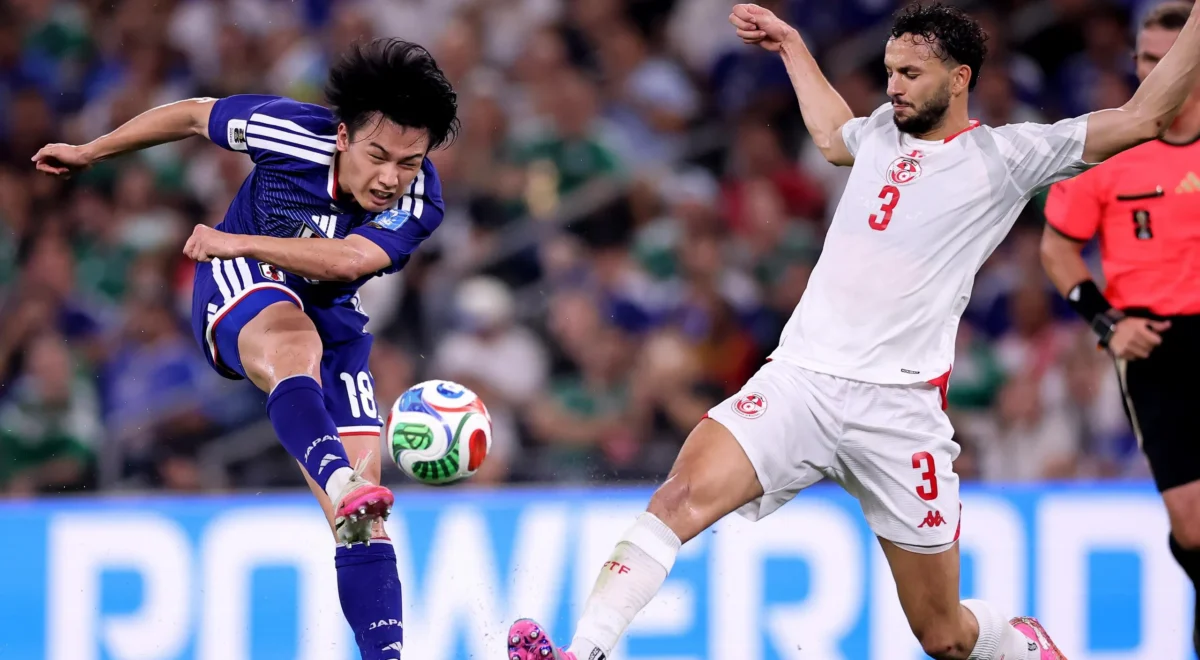
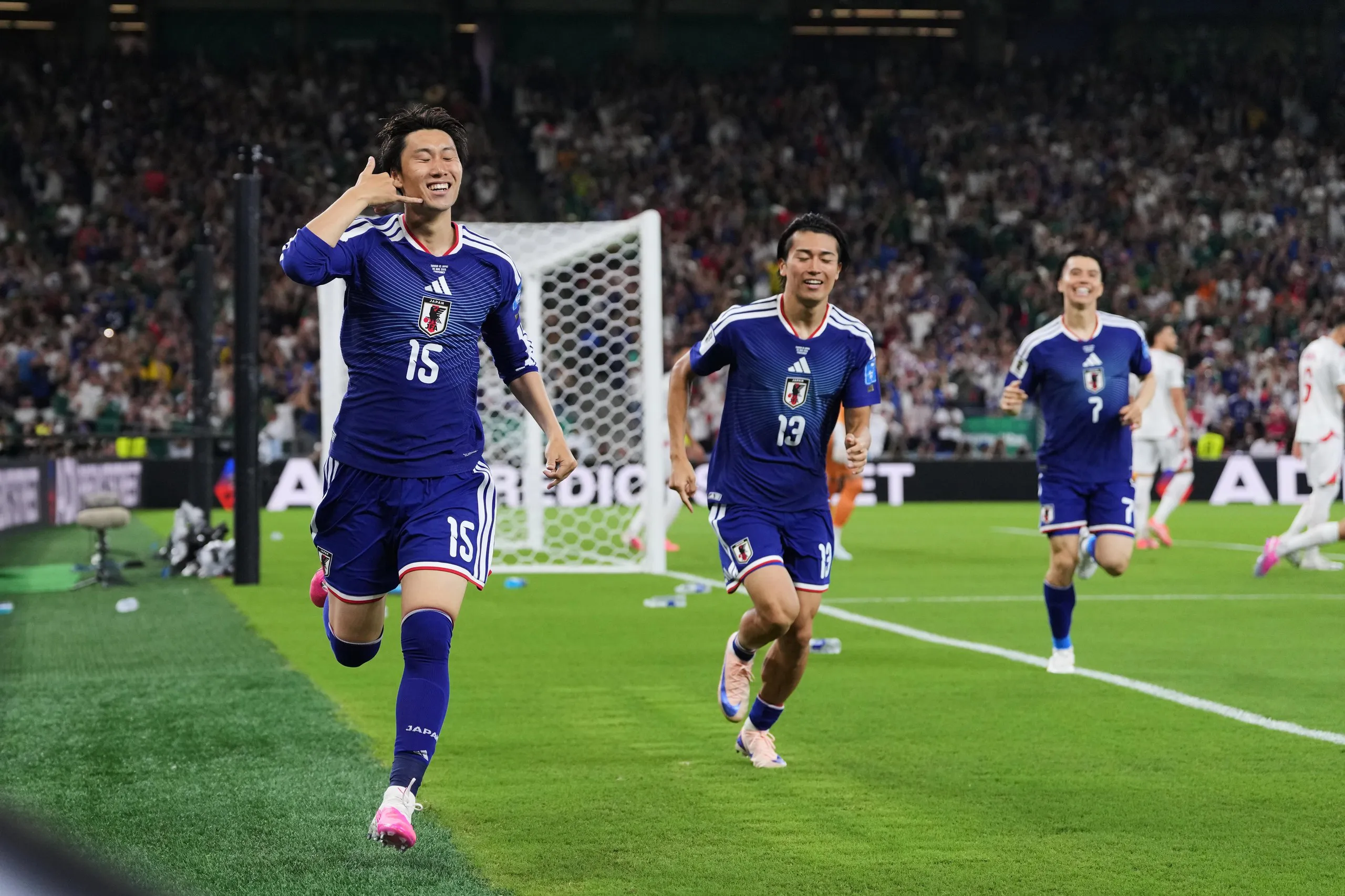
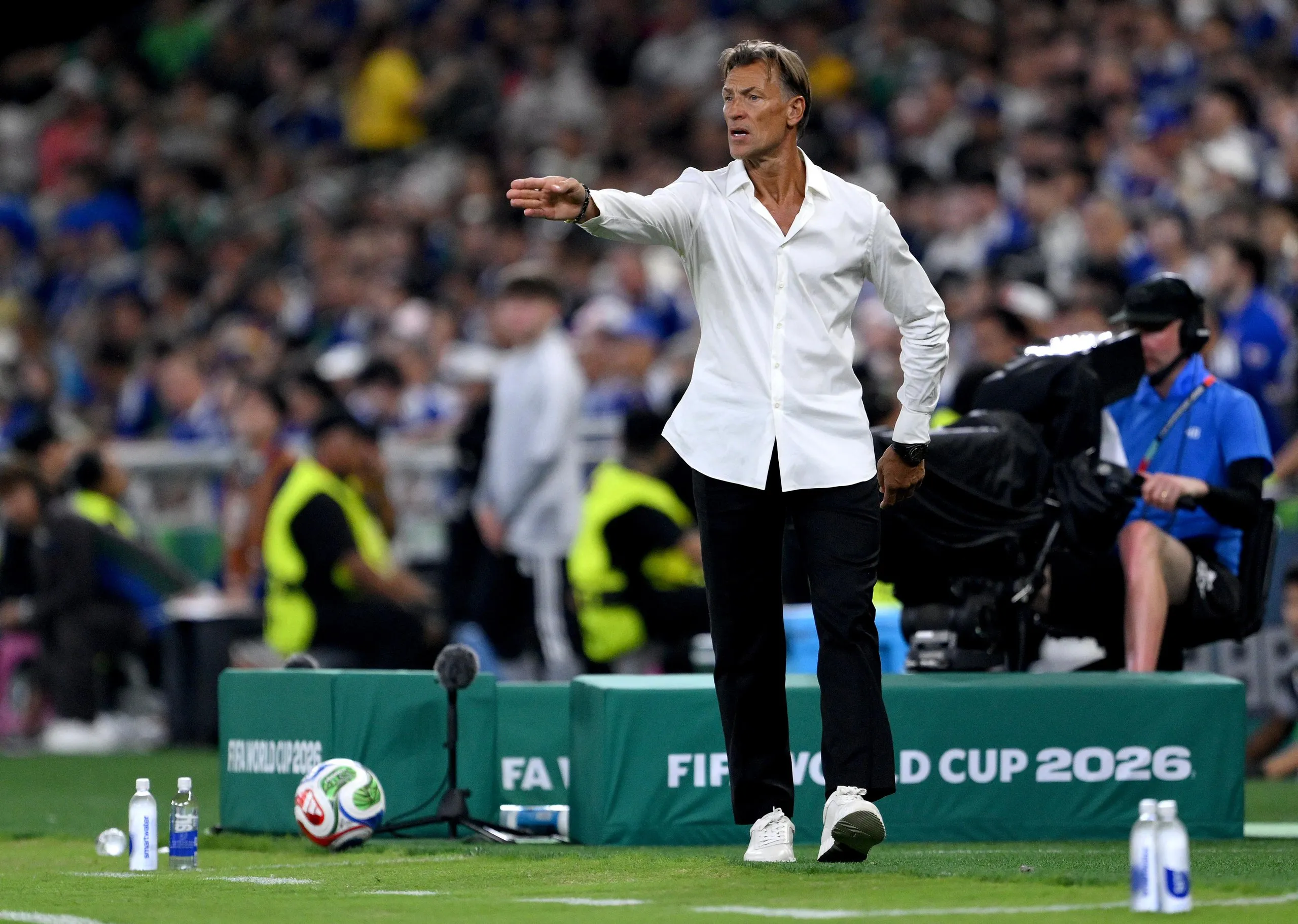
Tunisia’s managerial changes did little to rectify their ongoing struggles on the pitch. Following a heavy 5-1 loss to Sweden, the team parted ways with Sabri Lamouchi and appointed Hervé Renard as their seventh coach since the qualifying rounds commenced. However, the team’s lack of defensive confidence persisted, and they were convincingly defeated by a Japan side energized by Ayase Ueda, who scored twice while demonstrating remarkable skill and creativity.
Renard had only a brief three days to work with his squad. Although he previously won the Africa Cup of Nations with Zambia in 2012 and made history by leading two different teams to victory in the tournament, he is not, as he has candidly stated, “We were hoping for a better reaction, a better performance,”
His attempts to establish a foothold in French football with clubs like Sochaux and Lille, as well as the France women’s national team, have not yielded success. At 57 years old, Renard appears to have accepted that his focus is now on developing teams in Africa and the Middle East, rather than competing at the highest levels in European football. He still dons his signature white shirt, but the fortune it once seemed to bring has faded. Nonetheless, the current situation cannot realistically be attributed solely to him; he is merely the well-paid figure tasked with explaining Tunisia’s early exit from the World Cup.
Ultimately, Renard’s demeanor conveyed resignation. “Unfortunately the score was heavy, but this reflects the difference between the teams. Today we were lacking good defensive organisation. In the first 20 minutes of the second half we were more rigorous but this was not enough.” he remarked. “The players didn’t get too caught up in the opponent and were able to fully show what we wanted to do,”
This match marked a significant milestone, being the 1,000th game in World Cup history. What commenced in the chilly climate of Montevideo with simultaneous fixtures featuring France vs. Mexico and the USA vs. Belgium has evolved, 96 years later, to a sweltering Monterrey, showcasing the largest victory ever achieved by an Asian team in the tournament.
Just a day prior to the match, a severe and prolonged thunderstorm caused flooding in the stadium area, transforming the main access road into a torrent. Fortunately, on matchday, the only remnants of that chaos were patches of mud on the concrete and asphalt.
Tunisia’s issues were glaringly apparent. Renard opted to maintain a similar formation to Lamouchi’s with only three alterations, most notably swapping Aymen Dahmen in goal for Mouhib Chamakh, who had contributed to Sweden’s early goals last week. However, the familiar lineup yielded a similarly disappointing outcome; Tunisia was never truly competitive.
“The players didn’t get too caught up in the opponent and were able to fully show what we wanted to do,” expressed a pleased Hajime Moriyasu, Japan’s coach. Japan almost earned a penalty just 70 seconds into the match when Ueda was fouled by Ellyes Skhiri, but referee Istvan Kovacs’s failure to award it, along with the video assistant referee’s lack of intervention, was puzzling.
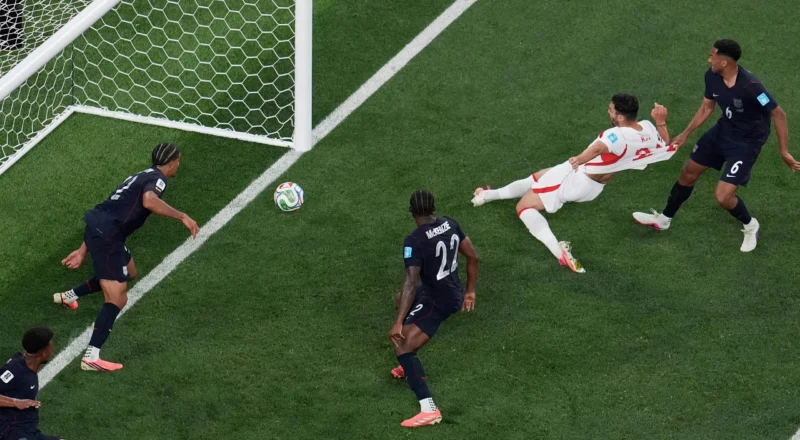
Despite this, Japan took the lead within four minutes. A well-executed play drew Tunisia’s defense out of position, creating space for Keito Nakamura on the left side. The wingback delivered a low cross into a crowded penalty area, and the ball deflected off the heel of an unaware Daichi Kamada into the net. Renard was left aghast at the edge of his technical area.
Moriyasu actually made one additional substitution compared to Renard following his team’s impressive 2-2 draw with the Netherlands. While Takefusa Kubo was sidelined due to injury, the other three changes were tactical—decisions that paid off. Having played mostly without the ball in their last match, Japan unleashed a series of attacks, and only a last-ditch tackle from Dylan Bronn and a remarkable save from Dahmen, who denied Takehiro Tomiyasu’s deflected shot from crossing the line, kept Japan from extending their lead in the first ten minutes.
The second goal was inevitable and arrived in the 31st minute. Ueda found himself inexplicably unmarked, turned away from Junya Ito’s run, and sent a shot through Montassar Talbi’s legs into the bottom corner of the net. Renard’s expression shifted to one of frustration.
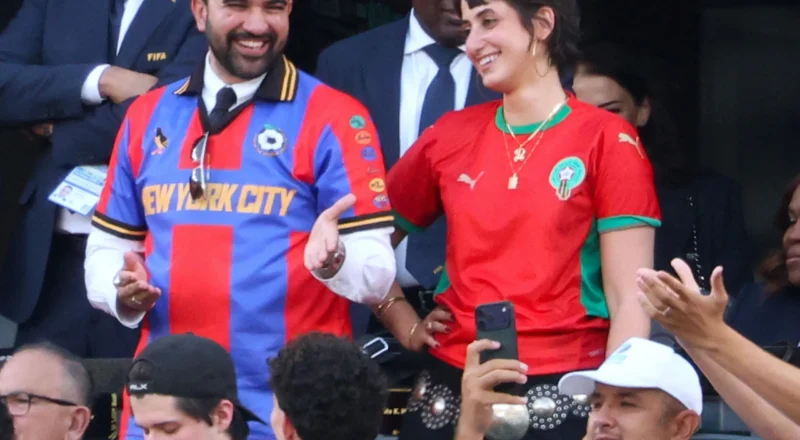
While Renard can take some credit for tightening the team’s structure after halftime, it was too late to change the outcome. Observing from the VIP box was Hisako, widow of Norihito, grandson of Emperor Taishō, who had previously visited South Korea with her husband shortly before the 2002 World Cup—marking the first visit by the imperial family since World War II. What she witnessed was a well-organized Japanese team that spent the second half managing their energy against a much weaker opponent.
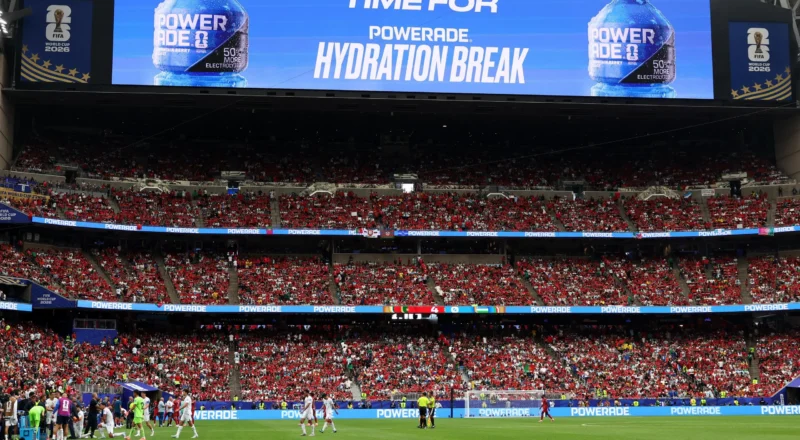
Ueda assisted Ito for a third goal in the 69th minute, with the latter played onside by Mohamed Amine Ben Hmida, who was several yards behind the rest of the defense. Renard, incredulous, reviewed the replay on an iPad, remaining silent for much of the following drinks break as he stared vacantly into space. Ueda’s deft header brought Japan’s tally to four, leaving Renard looking utterly defeated.
He likely never envisioned that the Tunisia role would be a long-term engagement, but given recent events, Renard might be fortunate to remain in charge for the team’s final group match against the Netherlands on Thursday.