

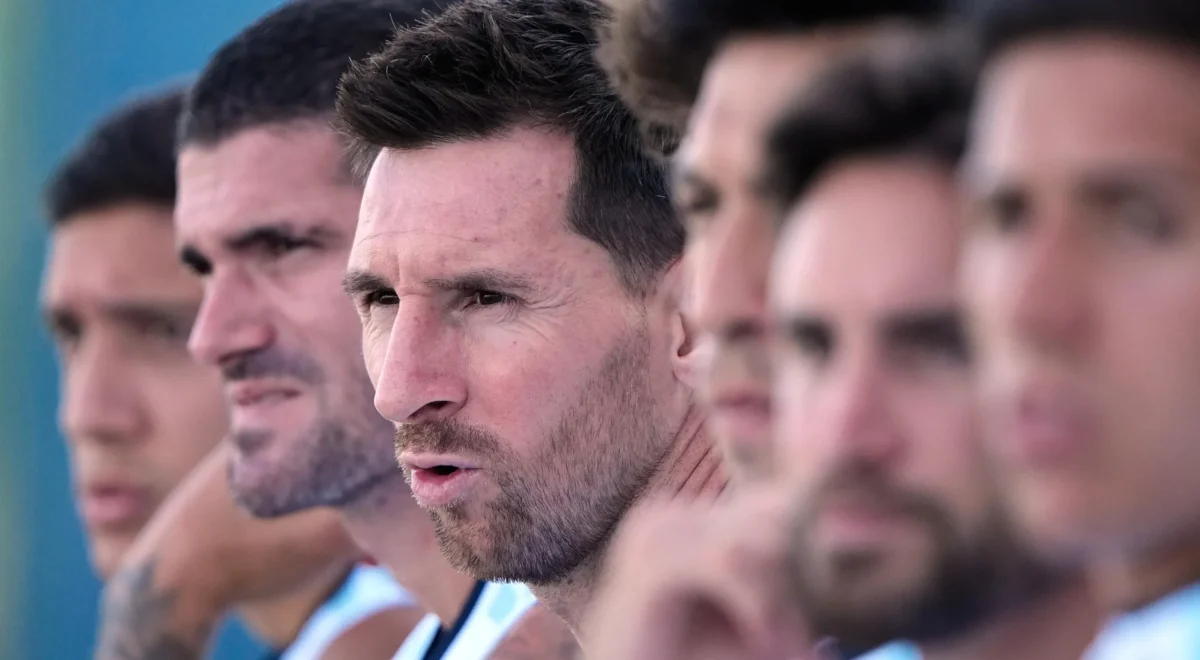
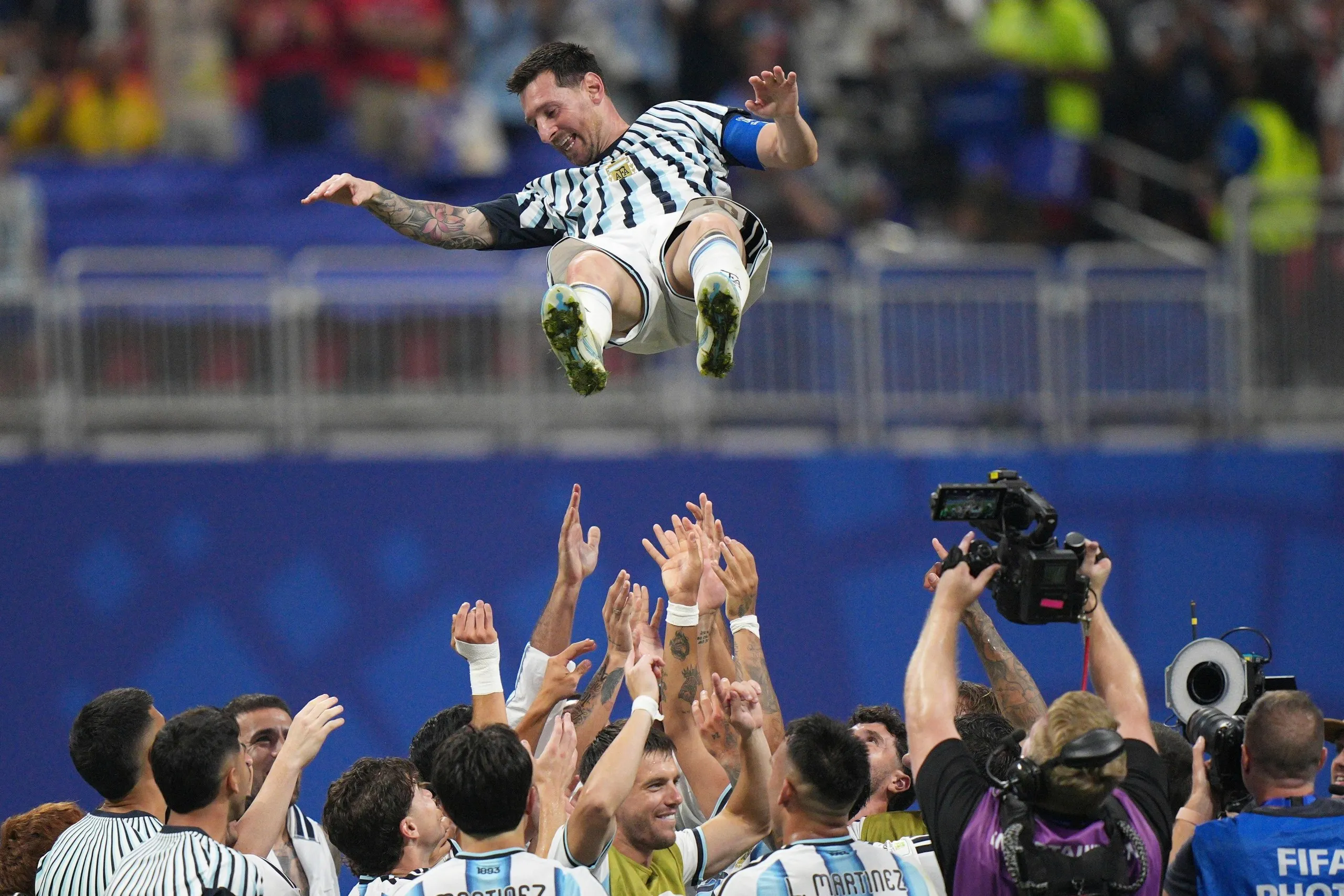
One of the pivotal moments in this World Cup occurred when Lionel Messi, visibly emotional, roamed the pitch in Atlanta with tears streaming down his face. Just moments before, Argentina found themselves trailing Egypt by two goals and on the verge of elimination in the round of 16. After missing a penalty, Messi was poised to shoulder the blame. However, he conjured his trademark magic, leading a remarkable comeback with three goals in just over ten minutes, propelling the Albiceleste into the quarter-finals.
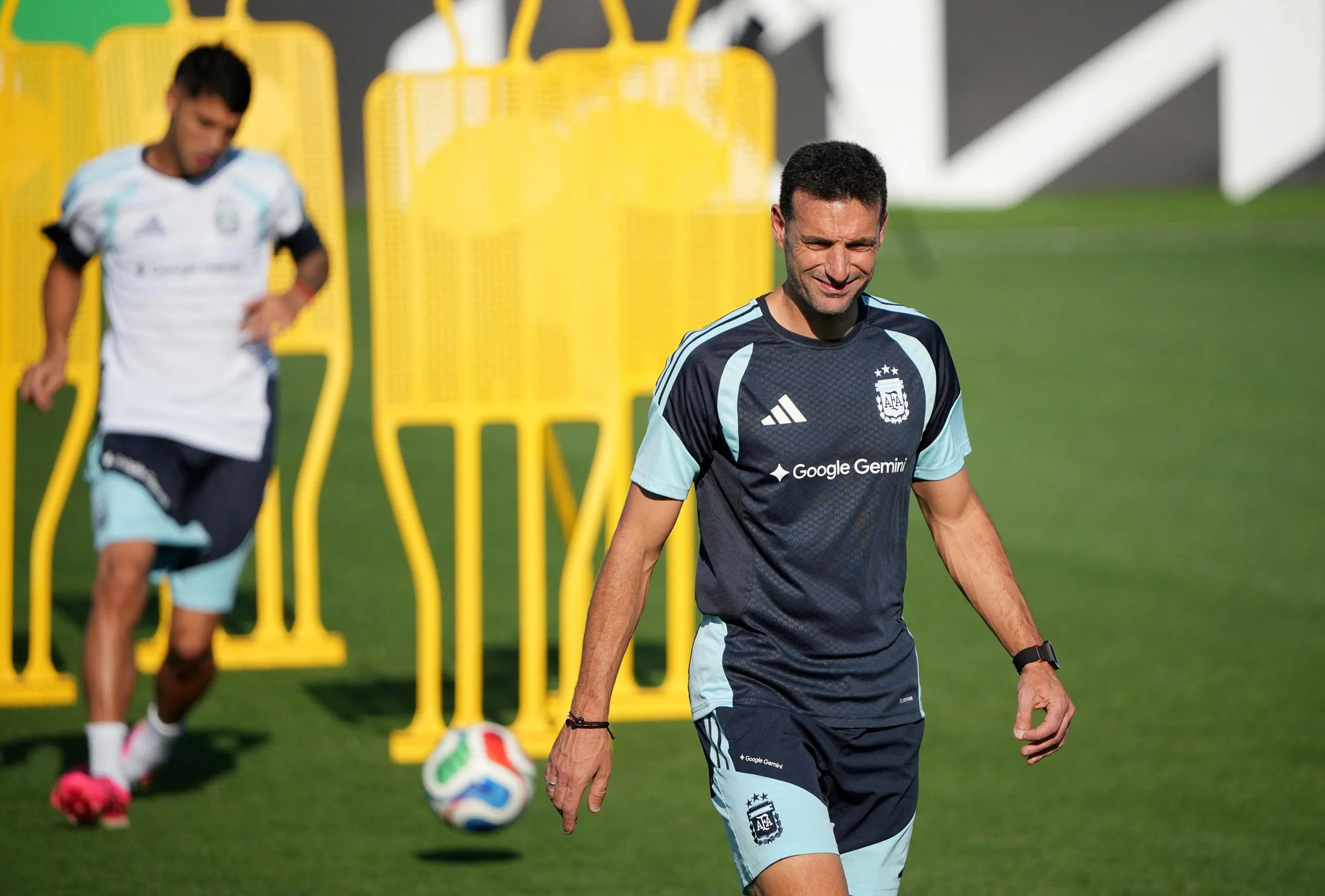
Messi’s tears were echoed by those of his teammates and head coach, Lionel Scaloni, who struggled to contain his emotions during a post-match interview. Scaloni revealed that his players jokingly refer to him as el llorón, or the crybaby. “I can’t even look at you,” he told a reporter, clearly affected. “I’m sorry. I’m obviously very emotional. What a group of players, brother. I’m sorry. That’s it, I have to go.”
No other team in this World Cup has delivered a wider range of emotions than the defending champions. Argentina began their campaign strongly, cruising through the group stage effortlessly, with Messi, now 39, enjoying what is arguably his finest World Cup. In the opening match, he scored a hat-trick, equaling the tournament’s joint-goalscoring record, which he continues to extend.
While Messi’s performances have been nothing short of spectacular, Argentina has stumbled in recent games. The near loss against Egypt was nothing compared to their last-32 match against Cape Verde in Miami, where only late-game heroics prevented what could have been one of the greatest upsets in professional sports history. These alarming performances have sparked renewed scrutiny regarding the capabilities of this Argentine team.
Scaloni is highly regarded in Argentina for breaking a 28-year trophy drought, leading the team to their third World Cup title and two Copa América championships. This success has fostered a dynamic where the media covering the team have posed fewer questions than usual, having witnessed primarily victories. However, this World Cup has seen a shift, resulting in Scaloni frequently clashing with the press over straightforward inquiries.
In both of Argentina’s tightly contested knockout matches, Scaloni has claimed his team was always in control, a statement that seems almost absurd to casual observers. Cape Verde matched Argentina at times, and Egypt outperformed them during various stretches. This pattern is not new; in 2022, Argentina lost leads on four occasions, including twice in the final against France. While this dynamic may make for compelling narratives, it does little to instill confidence, especially before facing a well-organized and disciplined Switzerland team. If Argentina were to lose a lead, recovering it could prove significantly more challenging.
Off-the-field events have not aided Argentina’s cause. Their match against Egypt was steeped in controversy, with allegations from Egypt’s head coach claiming the game was rigged. Meanwhile, the Argentine Football Association (AFA) is reportedly under investigation by the FBI for supposed mishandling of its commercial agreements in the United States. The federation has denied any wrongdoing, and Tomas Regalado, an AFA ambassador in North America, stated last week, “Investigative measures alone do not determine responsibility or guilt.”
In the stadium, however, these issues have largely been overlooked. Aside from the host nations, Argentina enjoys the most robust support at the tournament, with fans passionately following the team, bringing the banderazo to every game. This spectacle is a sight to behold, as a vibrant crowd sings, jumps, and dances in unison, propelling their team forward.
This fervor is evident whether Argentina is comfortably ahead or, more commonly, fighting to stay in the tournament. The team and Scaloni have heavily relied on their supporters. After narrowly escaping against Egypt, Scaloni remarked that they had made it difficult for their fans throughout the tournament.
Scaloni has also faced criticism for his tactical decisions and squad rotations, particularly as he has continued to rely on an older core of players. Then there’s Messi. While it might be tempting to label him an ageless wonder, he certainly appeared battered after the match against Cape Verde, taking the podium for post-match comments with a noticeable bruise on his forehead. Moments later, he remarked on the same players who “Football is this, not just tactics and strategies,” asking for his jersey.
Against Switzerland, Argentina will require not just Messi but a more robust performance overall. They must maintain a high level of play for extended periods, as relying solely on emotional momentum may not suffice, a tendency they have exhibited at times this summer. Nevertheless, many fans adore the chaotic spirit of this Argentine squad, and perhaps Scaloni shares in that affection.
“Those things are important, no doubt, but if we hadn’t had the heart we had, we would’ve been out.” he expressed, his voice laced with emotion after the Egypt match. “Those things are important, no doubt, but if we hadn’t had the heart we had, we would’ve been out.”
- World Cup 2026
- Argentina
- World Cup
- Lionel Messi
- features