

England supporters should brace themselves for a tense encounter on Saturday night, as the World Cup quarter-final against Norway is set to be a battle that may stretch the full 120 minutes. Expectations should be tempered; this match is unlikely to unfold at a rapid pace.
Norway poses a significant threat with Erling Haaland in their ranks. England’s key tactical objective must be to limit Haaland’s opportunities, as even a single chance for him can result in a goal. His clinical finishing means England must exert considerable effort to restrict his service.
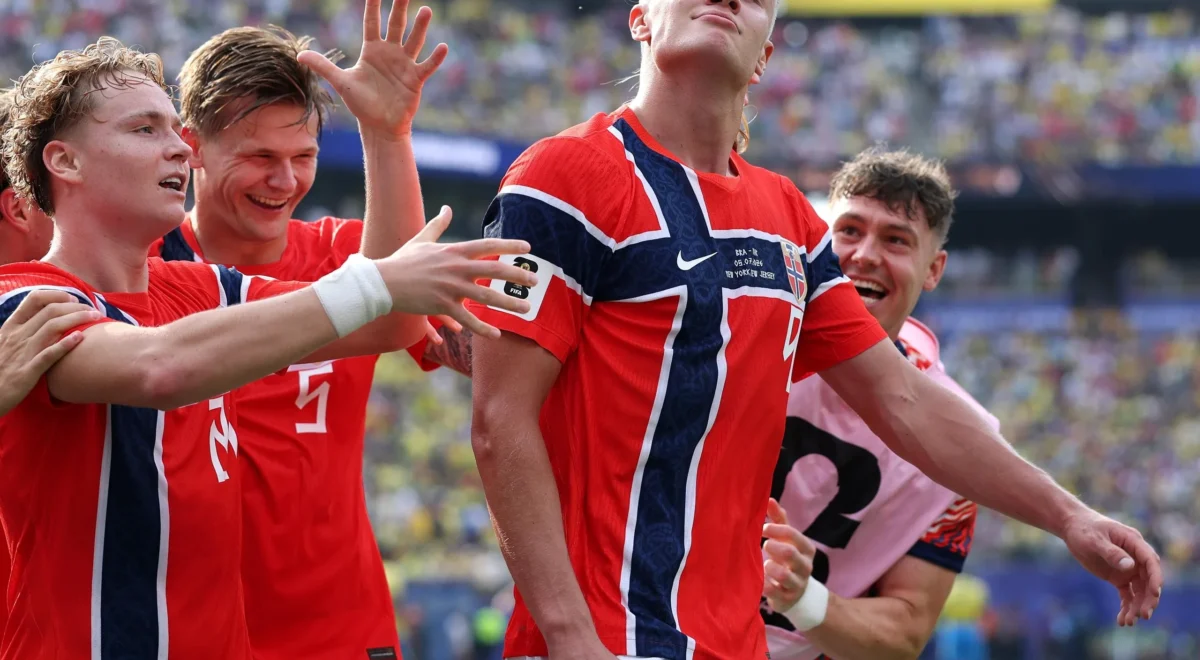
Norway’s attacking strategy is multifaceted. Their patient buildup was on full display during their round of 16 victory over Brazil, where they maintained control and effectively utilized their wingers, especially on the left. Ståle Solbakken’s long-term coaching tenure of six and a half years has clearly paid dividends.
When Haaland moves within the penalty area, he presents defenders with a dilemma, making it impossible to keep track of both him and the ball. This tactical awareness is indicative of his prowess as a striker.
His ability to exploit space is remarkable; he is not only powerful and adept in the air but also quick enough to evade defenders. The question arises whether England will deploy Dan Burn to face him directly, which could be a pivotal one-on-one matchup.
Haaland’s capability to maneuver for early crosses into the box is notable, as he can effectively position himself behind defenders to score. His finishing arsenal is diverse, thriving particularly on quick strikes or powerful shots amidst defensive traffic.
Currently, Haaland appears to be in high spirits, enjoying the tournament and playing with confidence, which could spell trouble for England.
Norway is a cohesive unit that understands its strengths. England must focus on cutting off service and complicating matters for Haaland’s teammates who are tasked with creating scoring opportunities.
To achieve this, England must reduce the number of corners they concede and obstruct those slip passes that could involve Haaland near the box. Midfielders and full-backs need to apply considerable pressure to stifle crosses. This approach is essential for the team’s overall strategy. Fortunately, England’s defensive line boasts impressive speed, with all defenders being physically capable.
Antonio Nusa, positioned on Norway’s left, is in excellent form, while Alexander Sørloth, who played in their win over Brazil, functions more as a center-forward. Oscar Bobb has also made a significant impact off the bench. This highlights that Norway is not solely reliant on Haaland, as their strength lies in teamwork.
Martin Ødegaard has consistently showcased his abilities throughout the tournament, skillfully connecting play from midfield to the attack. The Arsenal midfielder is adept at finding space and linking up effectively.
Norway deserves recognition for their structured buildup play and fluid midfield, which enables them to incorporate a flexible player who can join the attack dynamically, creating numerical advantages that may challenge England. Their wingers possess the dribbling skills necessary to create issues, and England must remain vigilant against midfielders crashing the box.
This dynamic implies that England’s full-backs must fulfill their defensive roles while also collaborating with midfielders to close off spaces and prevent incisive plays. Norway utilizes two high No. 8s, and Thomas Tuchel will likely emphasize the importance of making it difficult for them to receive the ball.
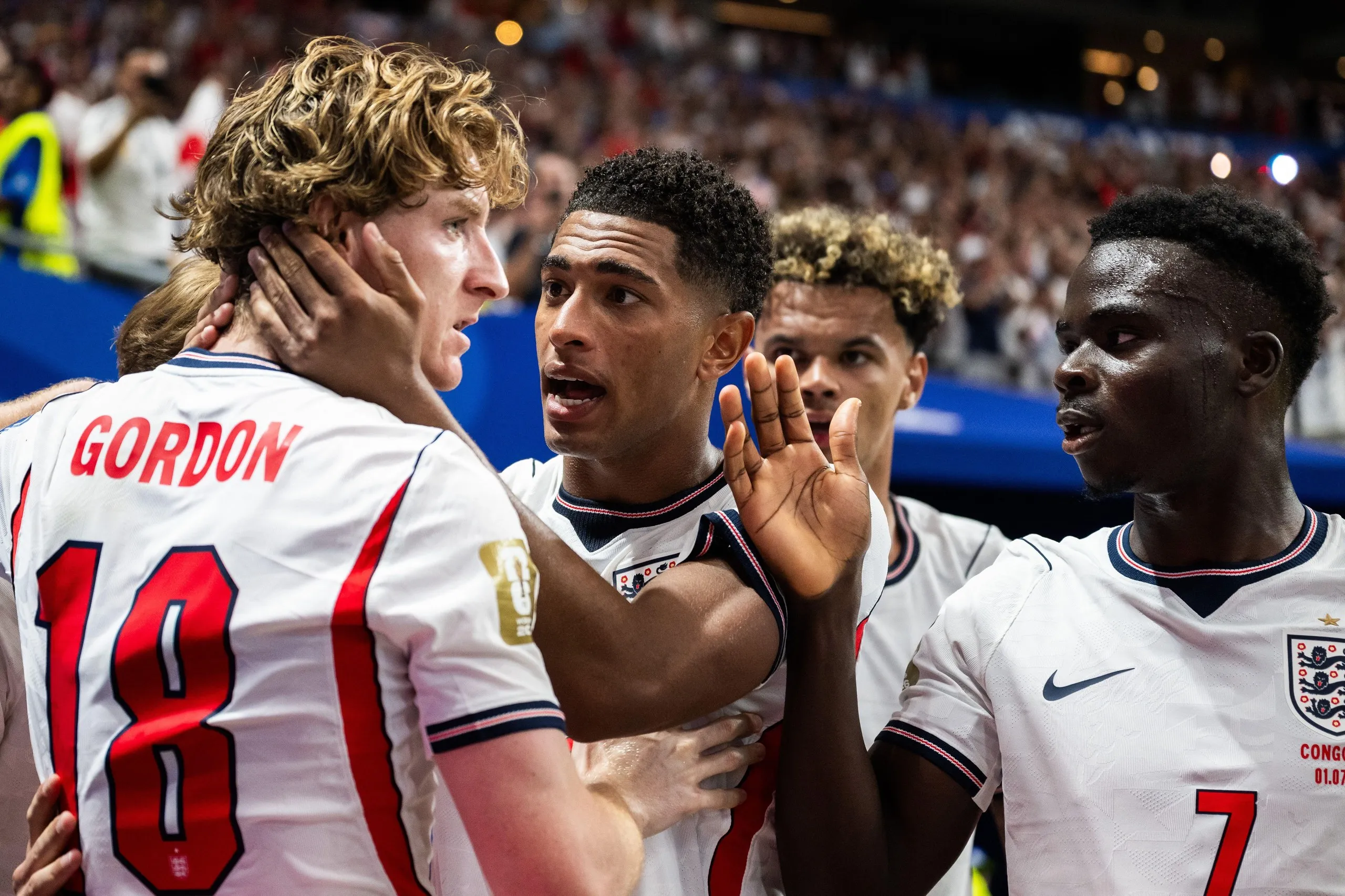
However, this setup grants England significant transition opportunities on either side of their lone pivot in midfield, which could play into Jude Bellingham’s strengths, who has been exceptional. I expect England to generate numerous chances, especially with Bellingham and Harry Kane performing at a high level. I also hope to see Anthony Gordon and Bukayo Saka, who have shown great promise, build on their performances against Mexico. England’s threat during transitions, particularly with Bellingham making runs into the box, could be substantial.
For viewers at home, this match will feel markedly different from the iconic victory against Mexico. The oppressive Miami heat will be a significant factor, likely slowing both teams down, as they adapt their style to cope with the conditions. This environment will undoubtedly influence the game’s rhythm. When Norway controls the ball, they may opt to slow down the pace.
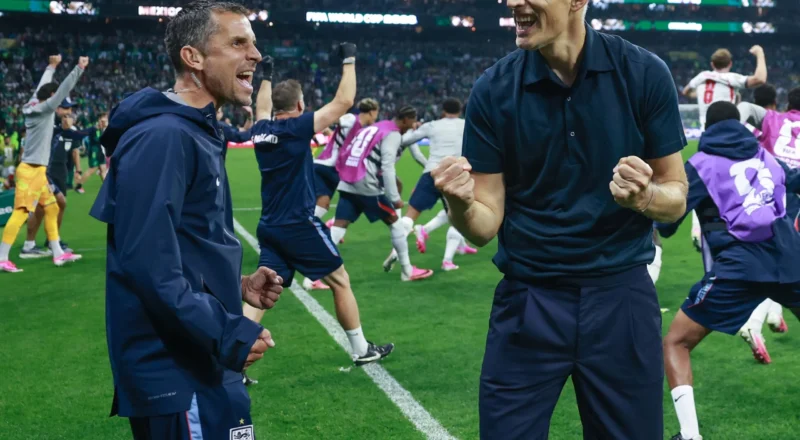
England’s 3-2 victory at the Azteca Stadium demonstrated their resilience. The team displayed remarkable character in overcoming a setback after going down to ten men and still managing to score a third goal. Looking at the individual talent in an 11-vs-11 matchup on Saturday, England appears to have the edge, but every match in a World Cup presents its own challenges.
Nonetheless, England seems well-prepared to advance with their blend of experience from past tournaments and their ability to handle adversity. This opportunity is significant, especially following the confidence boost from their win against Mexico. The crucial task ahead is to manage the adrenaline rush and find their rhythm in the challenging Miami heat.
- World Cup 2026
- Erling Haaland
- Norway
- England
- World Cup
- comment