

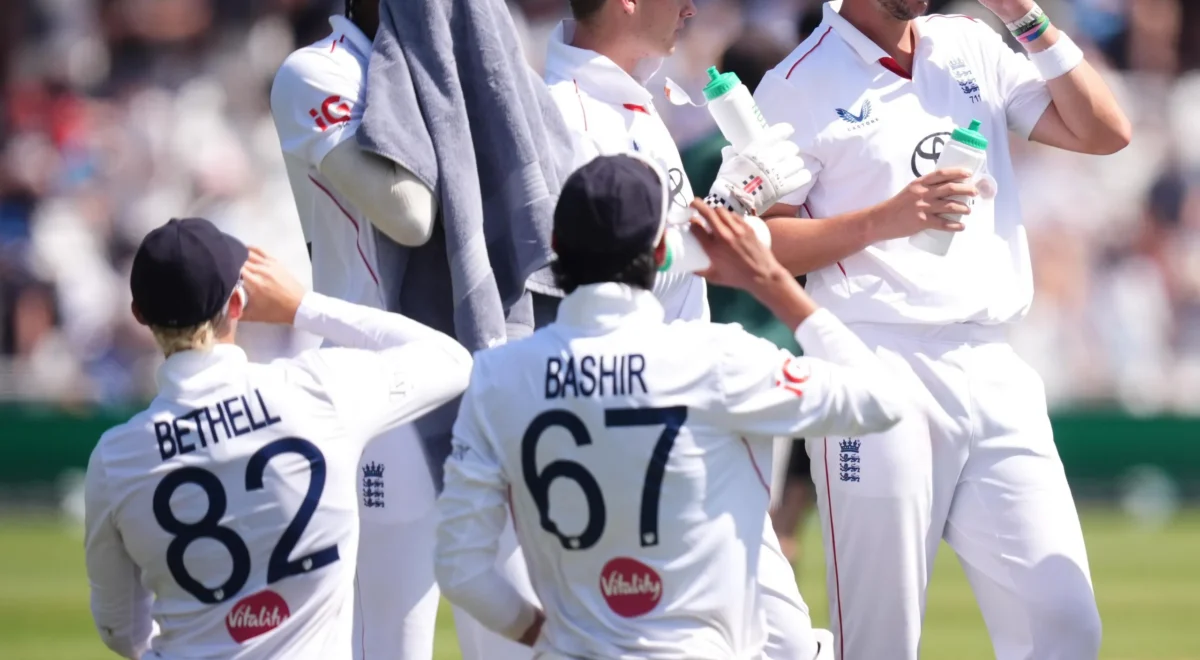
Extreme heat sharply highlights the difference between elite athletes and the general populace. While many of us are avoiding outdoor plans due to sweltering conditions, professional sports figures are sweating profusely yet pushing through intense physical challenges, such as sprinting while heavily padded and helmeted.
As someone who typically avoids physical exertion, I find myself in awe of their resilience. This past week, I’ve focused on how to cope with the heat, and if necessary, doing things half-heartedly due to sleepless nights. My friends and I share tips on staying cool, like placing frozen bottles of water in front of fans, and recount our public transport journeys as if we’ve faced significant struggles.
With cycling to work now seemingly hazardous—thanks to the Met Office warnings—I’ve largely remained indoors, observing athletes compete while questioning if we share the same human experience.
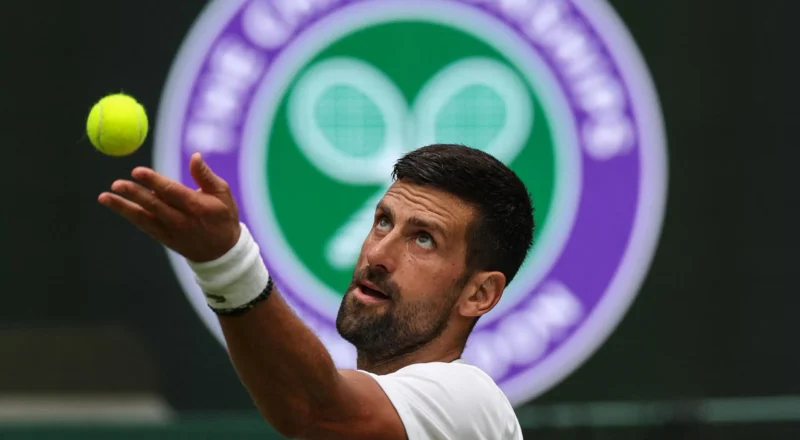
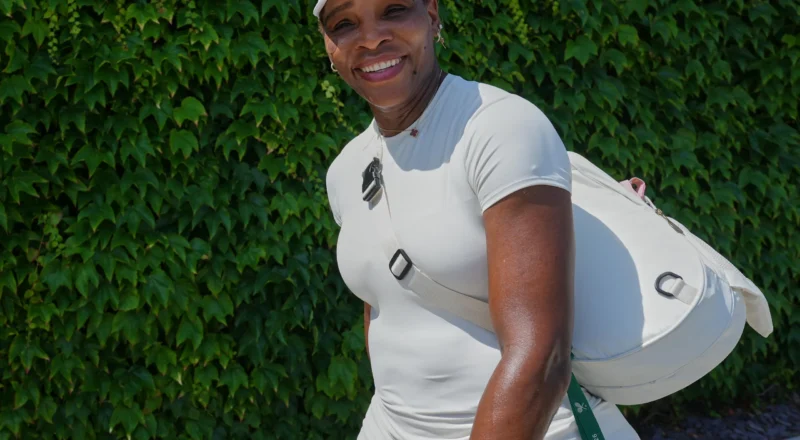
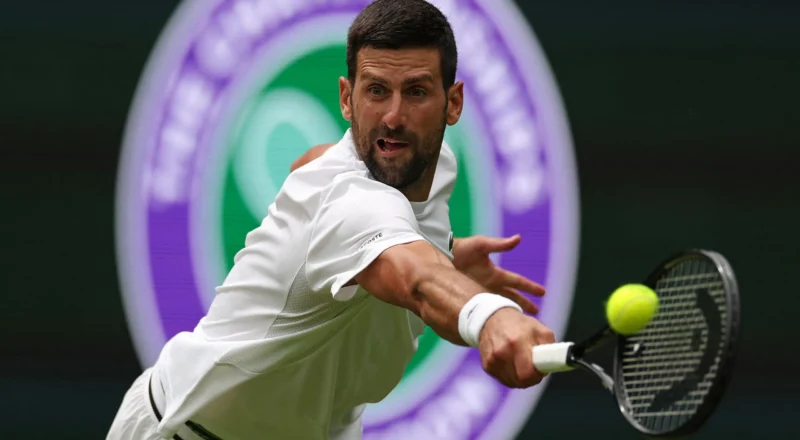
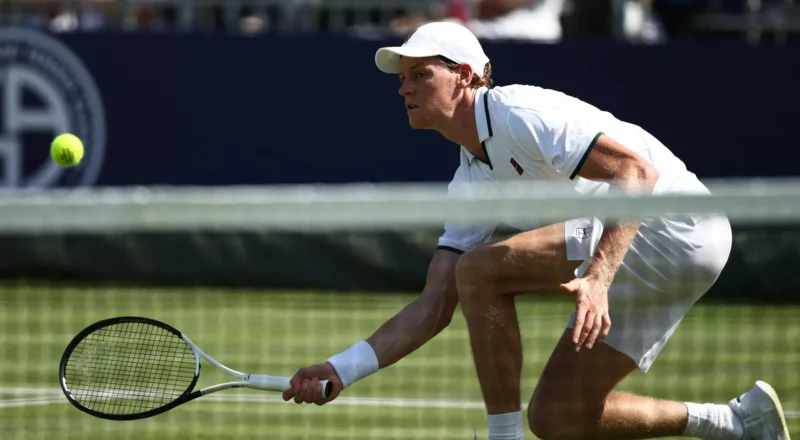
Watching the tennis at Eastbourne, I was struck by how composed the players appeared, sipping sports drinks and monitoring their heart rates under the shade of umbrellas. They seemed far more comfortable than I did while lounging on my couch, lamenting the absence of air-conditioning.
Jack Draper commented on his first-round win, noting the current conditions felt mild compared to the oppressive humidity experienced during the North American circuit in late summer.
“apparently putting a frozen bottle of water in front of it helps”
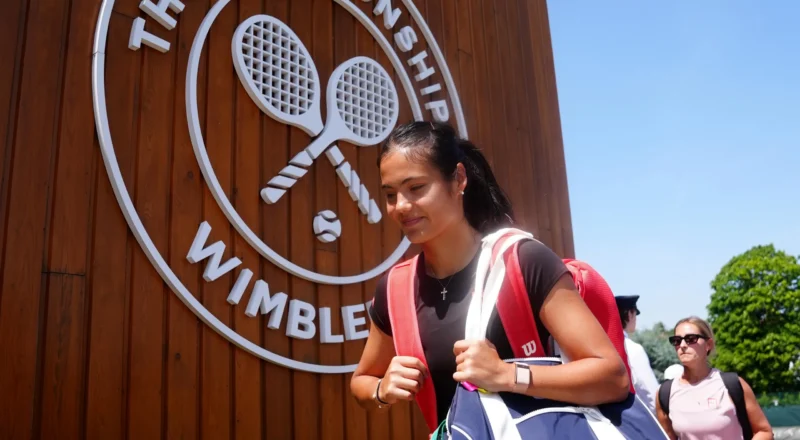
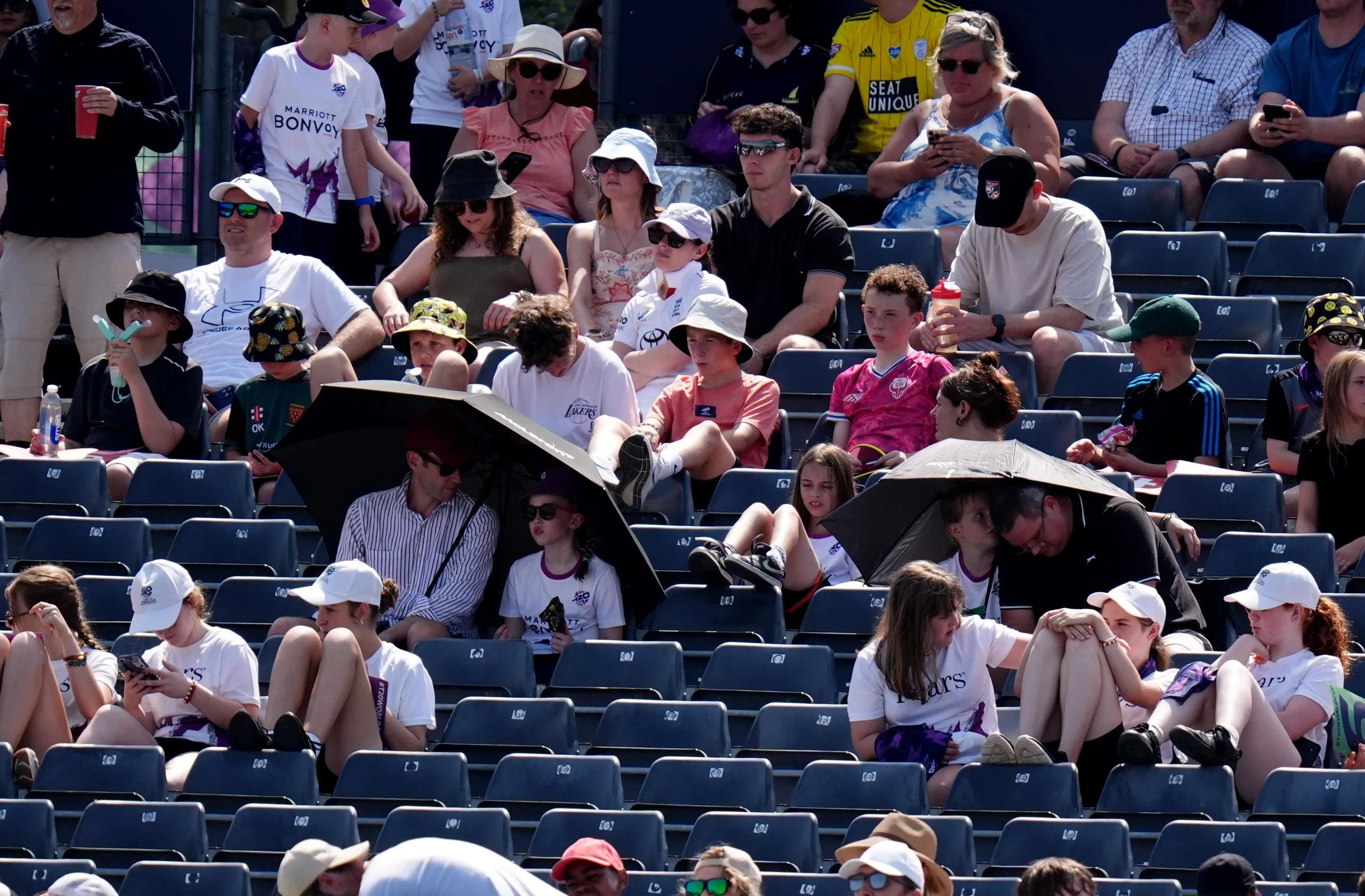
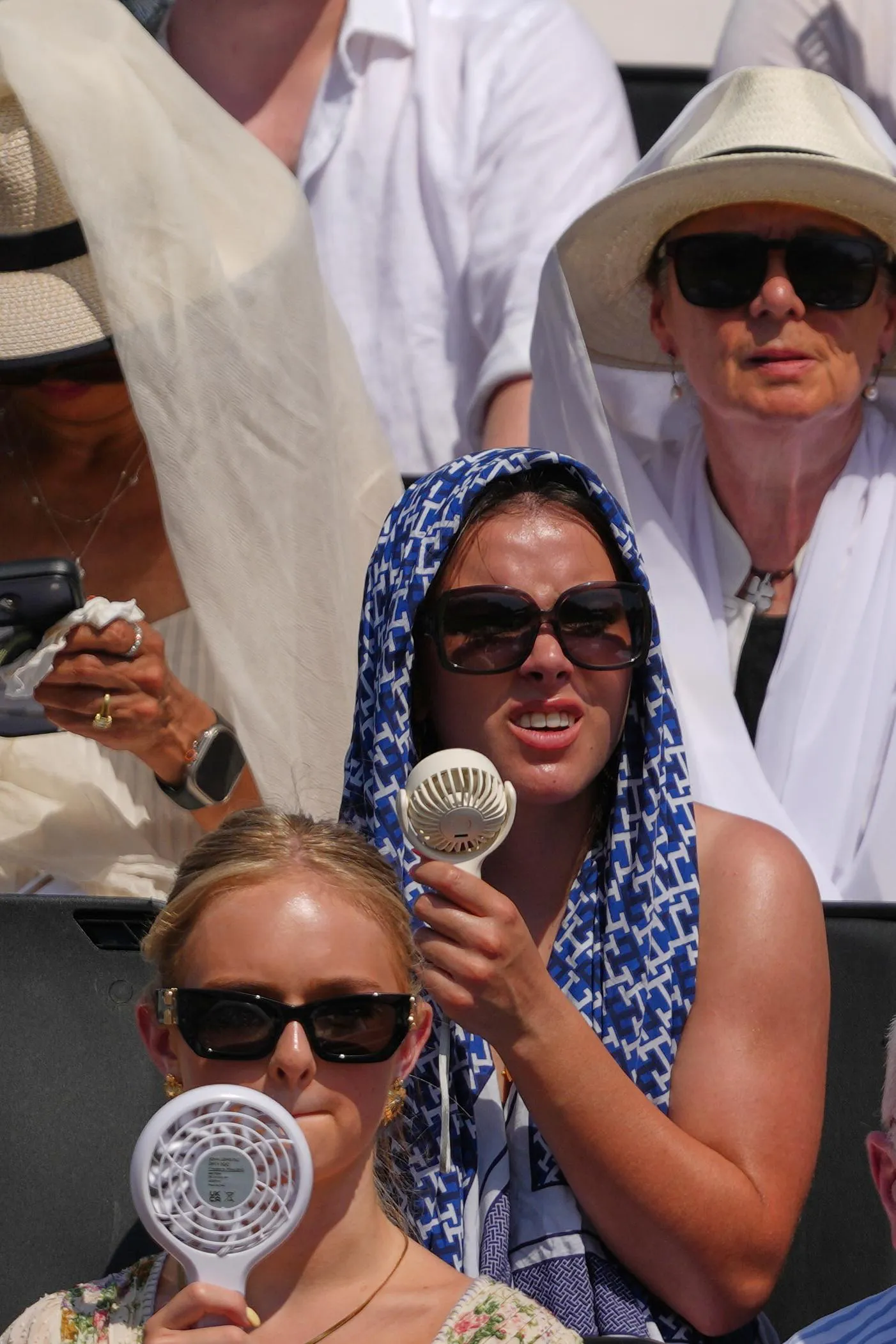
Draper’s observation raises the question: has this week marked a shift in British sports culture toward accepting extreme heat? Despite the red alerts, crowds have not shied away from attending events, whether at Eastbourne or Roehampton for Wimbledon qualifiers. Television coverage captures the dedicated fans, showcasing long queues for ice cream and spectators using handheld fans. Many attendees are adopting Wimbledon’s tradition of draping towels around their necks under caps, leading to a visual reminiscent of the French Foreign Legion.
Switching to the cricket at Bristol, the women’s T20 World Cup double-header is underway with temperatures reaching 31C. Although around 2,000 children are absent due to school closures, the 3,500 spectators present enjoy special arrangements, including sprinklers for children and a cool room in the pavilion, which has seen frequent use—just as Gilbert Jessop would have wanted. The preventative measures are effective, with St John Ambulance reporting only five medical visits throughout the day.
Sports fans are known for their resilience, typically braving the cold weather. Consider John Motson reporting from Adams Park amid snowstorms or county cricket enthusiasts bundled up in blankets during early-season matches. Now, enduring the heat may become the new badge of honor. Rather than rain halting play, this week has seen Dan Evans exit the court for over an hour during his final appearance at SW19 due to a power outage affecting the electronic line calling system.
Throughout this week, there have been moments where accepting this new normal seemed inevitable. On Tuesday evening, the moon illuminated warm streets, where patrons, instead of heading to pubs for the England vs. Ghana match, opted to gather outside to catch glimpses through windows, seeking a refreshing breeze. The atmosphere felt distinctly European, with pints turning into aperitivos, making the late-night World Cup matches feel entirely appropriate. If this is the future, one might consider how soon we can embrace siestas or extend pub hours.
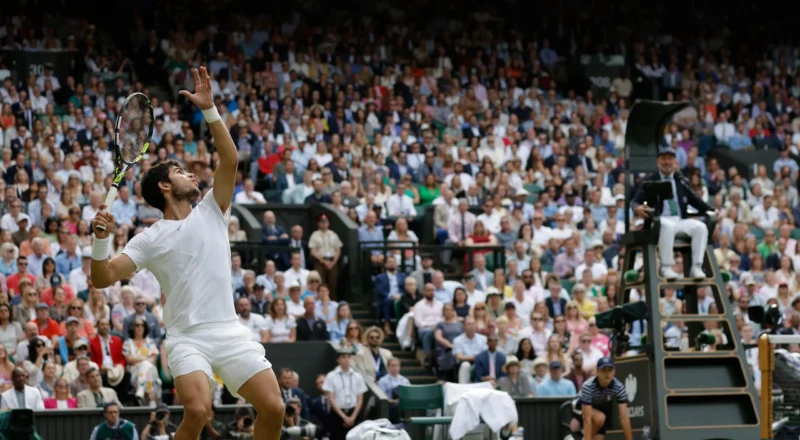
The All England Club has learned from last year’s experience, when Wimbledon commenced and concluded under amber weather warnings, with Carlos Alcaraz pausing his match to assist a spectator who collapsed from the heat. Adjustments have been implemented for the qualifiers this week, including additional water stations and a newly established “It makes me laugh a little bit when in the UK we talk about weather warnings … when it’s just hot, it’s usually pretty manageable.” for shade and shelter. Michelle Dite, the operations director, emphasized the importance of preparing and behaving responsibly in these conditions: “We’re providing an environment where people are very safe. We just ask them to take personal responsibility.”
The heatwave is expected to subside by the time the main tournament kicks off next week, with temperatures forecasted to reach 27C—what tabloids might once have termed a ‘SCORCHER’—now appearing relatively mild. Yet, as Dite remarks, confronting extreme heat has become “business as usual.”
This acceptance of heat as a regular occurrence may be the most challenging aspect. Sports fans embody a curious mix of optimism and fatalism: we often envision unrealistic happy endings for ourselves and our teams while subconsciously recognizing that disappointment is a part of life. This sentiment could reflect humanity’s broader response to the climate crisis.