

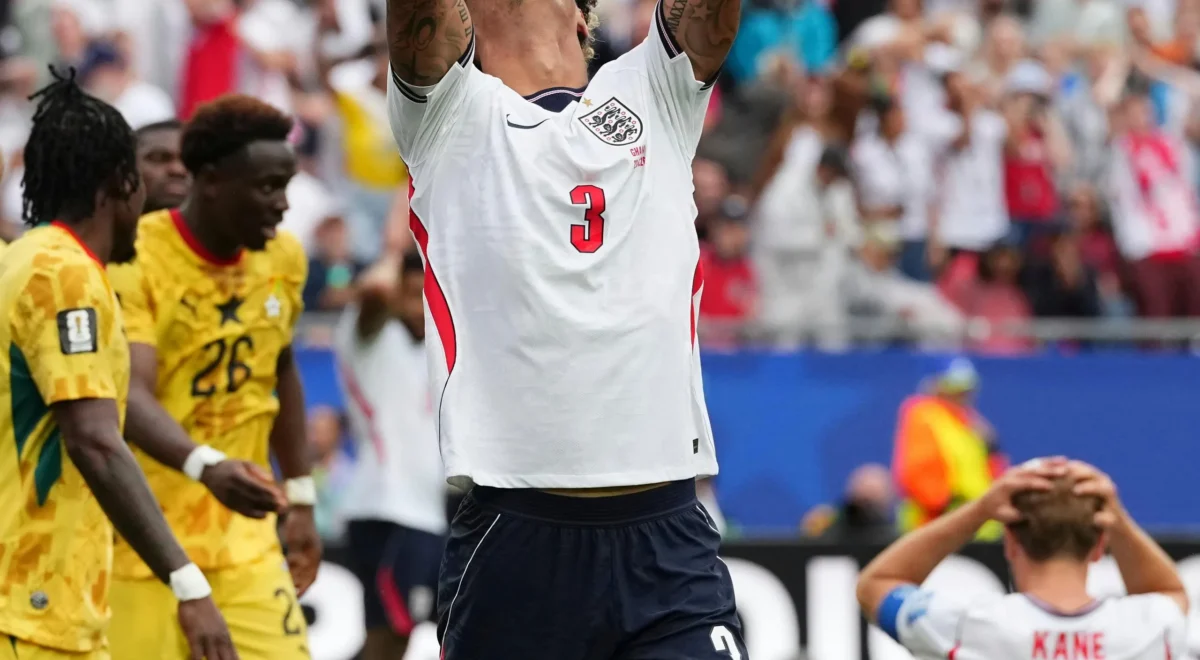
At times, England’s performance evoked memories of their goalless draw against the USA in the 2022 World Cup, or the lackluster stalemate with Denmark in Frankfurt two years prior. Thomas Tuchel, observing from the sidelines, grew increasingly concerned that the passive tendencies from Gareth Southgate’s tenure had yet to be eradicated from this squad. As the match progressed, it became apparent that Tuchel was becoming more agitated, witnessing England’s familiar struggle in their second match of the tournament.
Against a resolute Ghana team, England appeared predictable and stagnant for extended periods. The Ghanaian side, employing a strategy reminiscent of pure Queiroz-ball, earned their point through a disciplined display. There was no fiery halftime address from Anthony Barry, nor a dynamic second-half resurgence this time around. Following their fluid attacking display against Croatia the previous week, this match felt all too familiar—anxious and constrained. England struggled to create opportunities until a late surge, leaving one to ponder how the crowd’s reaction might have differed had Southgate been overseeing the team from the technical area at Boston Stadium.
Despite the lackluster display, it is premature for England to panic. They remain in a strong position within Group L, with a place in the knockout stage almost assured after accumulating four points from two matches. This match highlighted little regarding their potential against top-tier opponents. Ghana’s approach was clear; they parked ten players behind the ball, forming an effective yellow wall and compelling England to play at their pace.
Initially, England appeared to have control, with a statistic showing they had completed 95% of their passes just 12 minutes in. Ghana’s defense seemed to be positioned almost within their six-yard box. Did they even venture beyond their half in the first 45 minutes? Their lack of urgency suggested they were content to absorb pressure. Ghana’s manager, Carlos Queiroz, known for his ability to disrupt the flow of play, was visibly frustrated whenever a decision went against his team or when an England player escaped without a booking.
This setup posed a significant challenge for England. The starting wingers, Anthony Gordon and Noni Madueke, frequently cut inside, resulting in dead ends. Jude Bellingham became visibly frustrated, hurried his passes, and his performance warranted his substitution by Morgan Rogers with just 16 minutes remaining.
In such situations, it’s easy to ponder missteps. Would Cole Palmer have made a difference? Was Tuchel mistaken to overlook Phil Foden? And why was Djed Spence selected over a more traditional full-back like Trent Alexander-Arnold, who possesses a keen eye for a pass?
It is tempting to conclude that England’s struggles stemmed from a deep-seated reluctance to utilize their most creative players. Many observers will argue that a greater level of ingenuity was essential, especially with Ghana limiting space between the lines and stifling Harry Kane’s contributions. Some may miss a player like Palmer, who had an average season at Chelsea, while others lament the lack of Foden’s playmaking in the No 10 role. Tuchel may also face criticism for not including Adam Wharton, who is known for delivering incisive passes from a deeper position.
However, the reality is that neither Foden nor Palmer demonstrated sufficient form at their clubs to warrant inclusion in this squad. Tuchel has made his intentions clear, prioritizing intensity and clarity in each role. Moreover, he has integrated inventive players into the team. Bellingham was effective against Croatia, while Rogers and Eberechi Eze, both strong options in the No 10 position, were also utilized. Few forwards can match Kane’s passing range.
This performance, therefore, reflected structural issues rather than individual shortcomings for England. Taken aback by Ghana’s defensive depth, they struggled to adapt. England needed sharper passing, varied angles, and improved off-the-ball movement. At halftime, John Stones approached Marc Guéhi to emphasize the need for quicker distribution from the back. Tuchel’s frustration became evident as he gestured animatedly from the sidelines. Elliot Anderson initially thrived in midfield but soon reverted to safe passes. Declan Rice’s set pieces were subpar, and opting for Spence over Nico O’Reilly at left-back limited England’s width and attacking verve. There was a collective lack of creativity, and past experience suggests that one individual alone would not have resolved these issues.
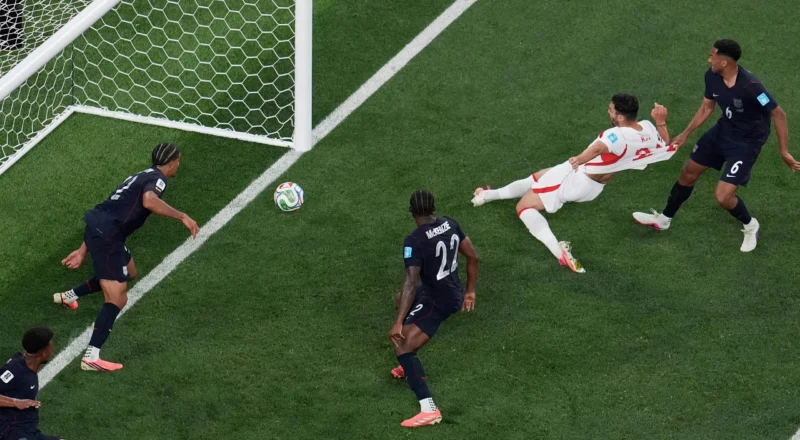
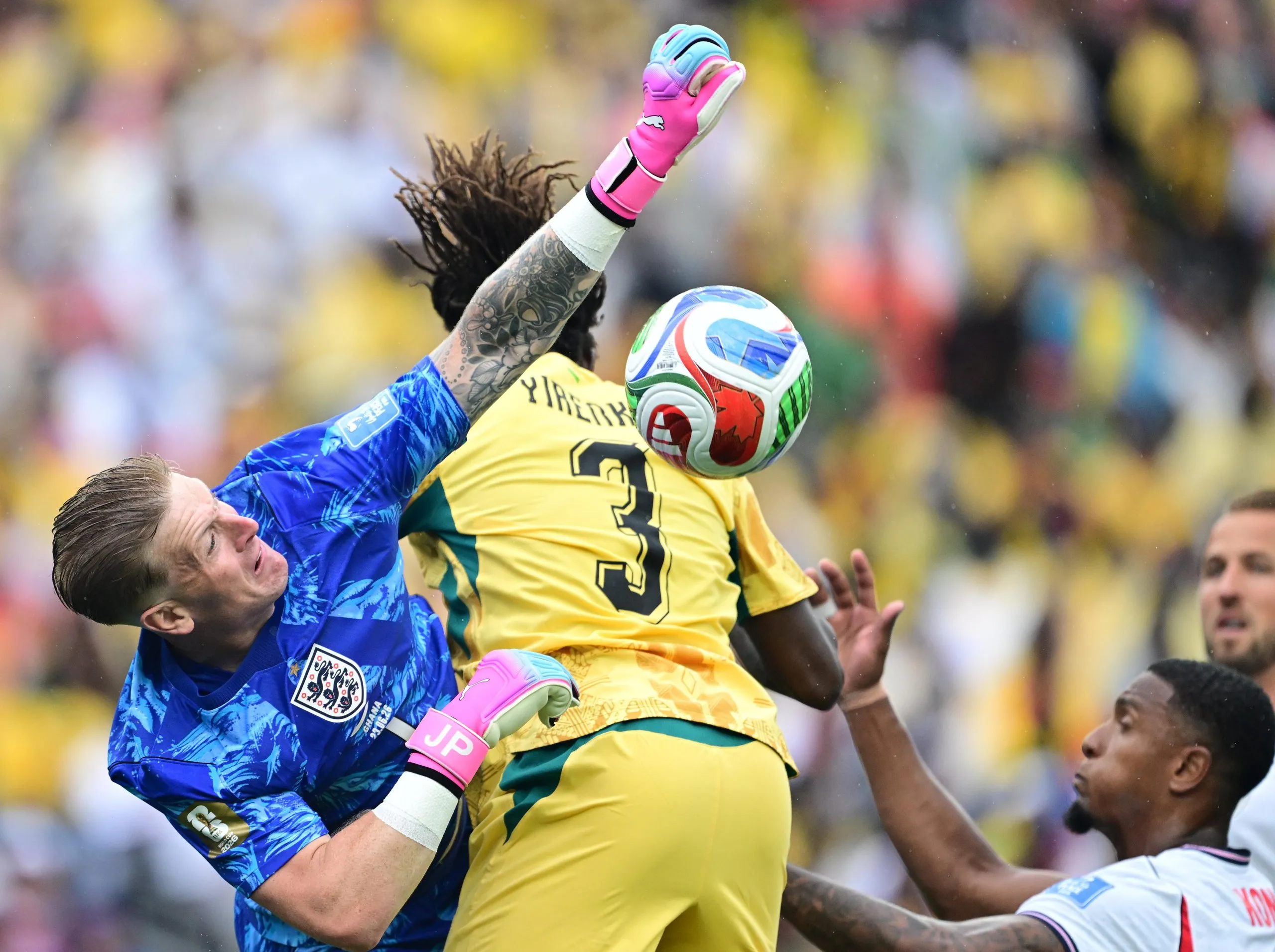
Ultimately, matches like this can occur when the tournament format removes the stakes during the group phase. For England, the pressing concern is still the need to win their group, which may prevent them from resting key players against Panama on Saturday. However, their inability to break through a resolute defense tells us little about their capabilities when afforded space against stronger opponents. The more pressing worry is that the back four appeared fragile in the second half. Jordan Pickford had a few jittery moments, and Ghana managed to penetrate England’s defense, which could have resulted in goals. Stronger teams like France and Spain would likely have capitalized on such openings.
- World Cup 2026
- England
- Ghana football team
- Thomas Tuchel
- World Cup
- analysis