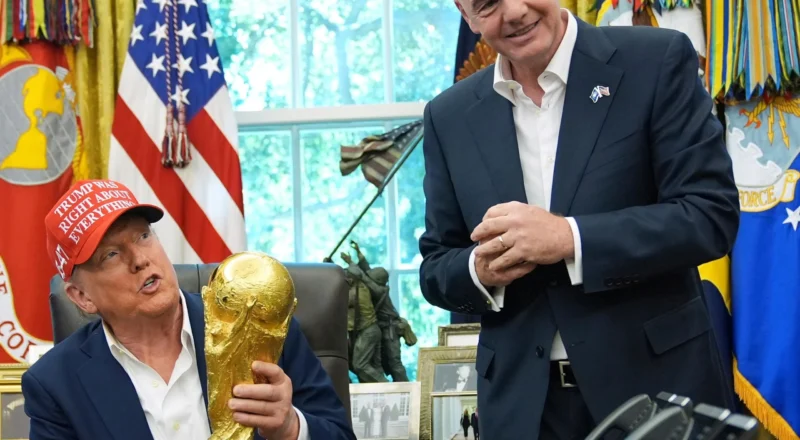


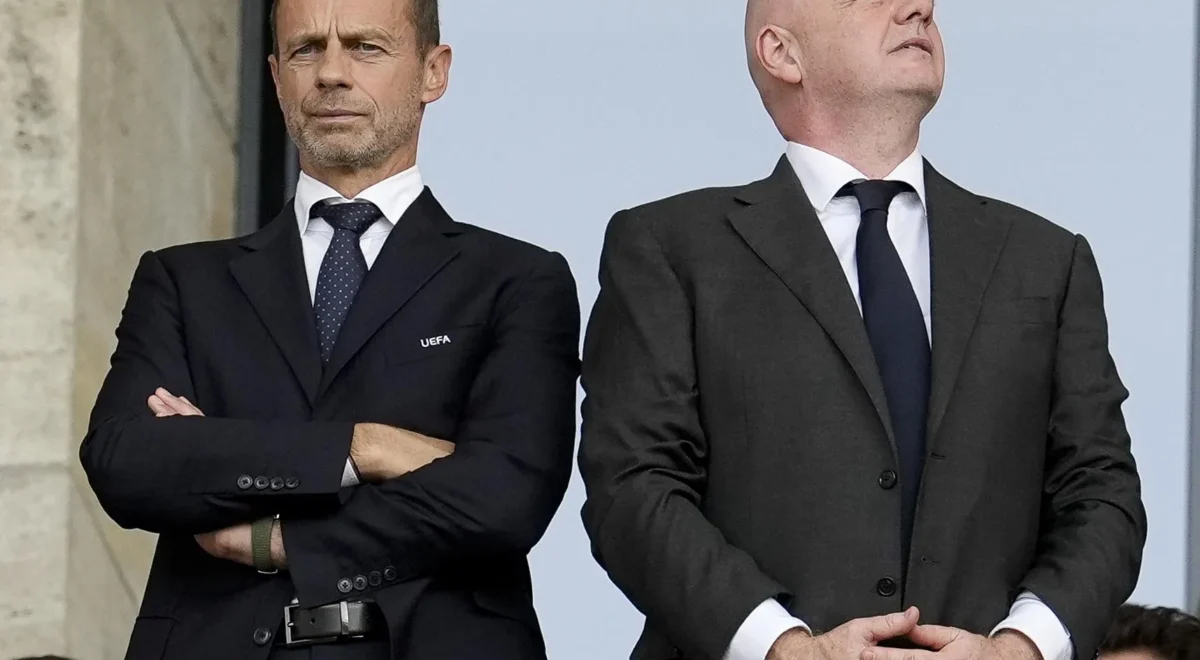
Among the notable figures missing from this World Cup, Uefa president Aleksander Ceferin stands out, much like Donald Trump. However, both have recently made headlines with their unexpected comments.
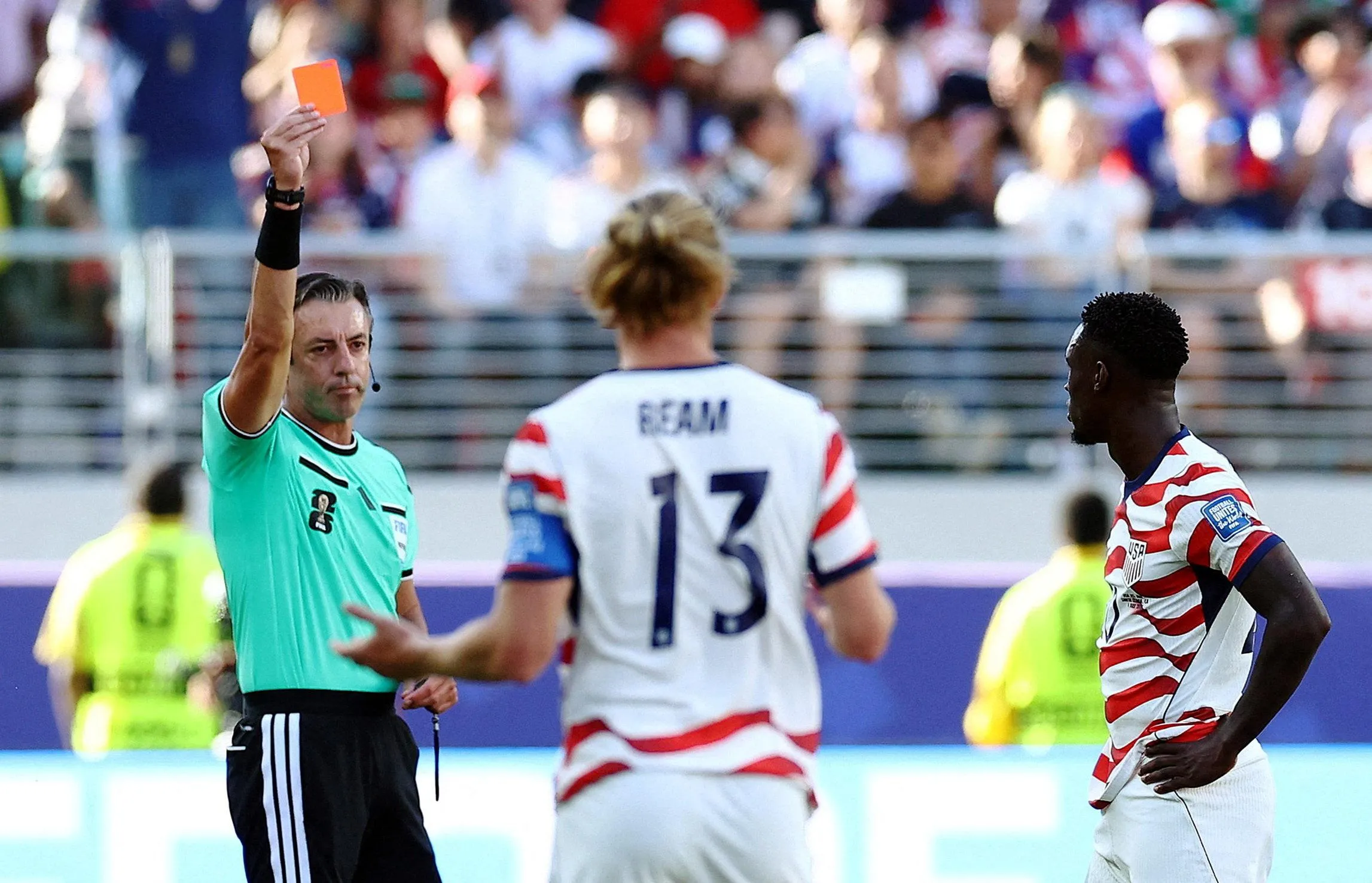
Uefa’s condemnation of Fifa for lifting the suspension of USA striker Folarin Balogun for the last-16 match against Belgium has put European football in direct opposition to the global governing body. This bold stance, described as crossing “incomprehensible and unjustifiable” by Uefa, could significantly alter the dynamics of international football.
Ceferin, much like Trump and Fifa president Gianni Infantino, is an active participant in football discourse, indicating he was fully aware of Uefa’s intentions. The friction between Uefa and Fifa has escalated since Infantino’s 2018 proposal for an expanded Club World Cup, which saw its first iteration in the U.S. last year. Much of the ongoing discord stems from Fifa’s ambition to increase the Club World Cup from 32 to 48 teams by 2029.
Uefa generates nearly €5 billion (£4.27 billion) annually from the Champions League, a number expected to grow by 20% next year, while Fifa seeks a share of the lucrative club revenues since the majority of its four-year earnings of $14 billion (£10.5 billion) come from the World Cup.
A recent display of discontent occurred in May 2025 at Fifa Congress in Paraguay, where Ceferin and other European representatives walked out in protest over Infantino’s tardiness, as he was meeting with various world leaders, including Trump and Saudi Arabia’s crown prince. Although a temporary truce followed, insiders suggest this was due to both Infantino and Ceferin eyeing re-election next year, agreeing to minimize conflicts.
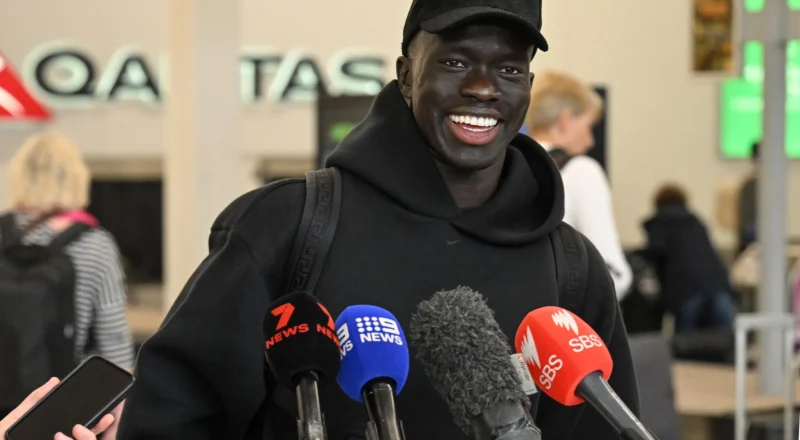
Uefa has also sought to gain political leverage from Fifa’s unpopular management of the World Cup by announcing affordable ticket prices for Euro 2028 and declaring it will not implement hydration breaks. Additionally, Uefa appointed Somali referee Omar Artan to oversee the Super Cup after he was barred from the World Cup by the U.S. Department of Homeland Security. However, the fragile peace was shattered when Fifa unexpectedly reinstated Balogun, prompting Uefa to argue that this action undermines “the integrity of the game” and “the credibility of the competition”
While the ongoing dispute contains significant personal and political elements, Uefa officials express genuine astonishment at the operational methods of Fifa from their headquarters in Nyon. Uefa is characterized by its structured and bureaucratic processes, contrasting sharply with Fifa’s seemingly ad-hoc policy decisions, such as using article 27 of its disciplinary code to clear Balogun and Cristiano Ronaldo last year.
Following their sharp critique, Uefa officials engaged in crisis discussions throughout the day. Indications of their disdain for Fifa were further highlighted by the limited number of Uefa representatives present at the World Cup. Despite a shared propensity for international travel and mutual interests, Ceferin and Infantino are seldom seen together. Ceferin skipped this year’s Fifa Congress in Vancouver after the earlier fallout in Paraguay, while Infantino made a brief appearance at the European Football Clubs’ AGM in Rome last year, coincidentally when Ceferin was absent.
Uefa’s next actions regarding Balogun remain uncertain and will largely depend on the outcome of Belgium’s appeal against Fifa’s ruling. Sources from the Royal Belgian Football Association (RBFA) have indicated they do not anticipate another reversal, prompting them to consider legal avenues, including potential action against Fifa at the Court of Arbitration for Sport (CAS) in Lausanne following the tournament.
Uefa might support Belgian legal efforts, which could be advantageous given its familiarity with Swiss law, potentially complicating matters for Fifa in other contexts.
Despite many of Europe’s top clubs and, by extension, the EFC supporting the expanded Club World Cup for financial gain, Ceferin remains personally opposed. He fears that a 48-team format would further solidify the dominance of elite clubs and threaten the significance of the Champions League. With Fifa set to initiate discussions with six continental confederations, domestic leagues, and player unions regarding the global calendar post-2030, there are numerous critical issues where Uefa may challenge Fifa’s plans.
The looming decision regarding the date of the 2034 World Cup in Saudi Arabia presents an opportunity for Uefa to exert influence. A coordinated protest involving European national associations, domestic leagues, and player unions could provide leverage in negotiations with Fifa. However, with Trump and Prince Mohammed seemingly backing Fifa, the struggle may not be equitable.
- World Cup 2026
- World Cup
- Fifa
- Uefa
- Football politics
- US sports
- USA
- analysis