

“Enn-JOYYY this unforrrgGEDDABLE Fifa Worrrld Cup … expPERRIENCE!!”
the oddly earnest American-accented public address announced, with 40 minutes still remaining before the delayed kickoff in Mexico City.
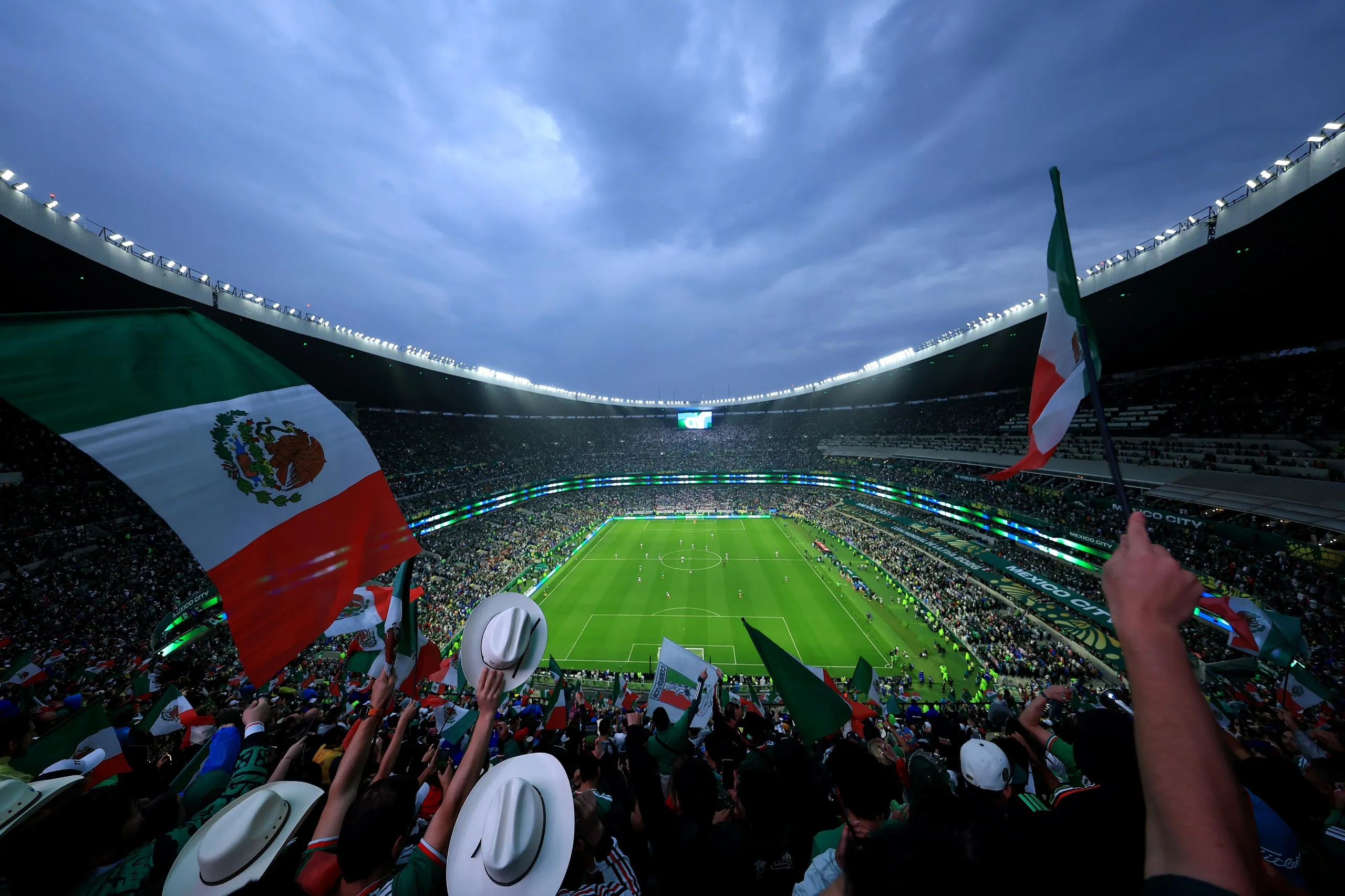
Looking out over the fog-laden cliffs of the Estadio Azteca, soaked to the core by incessant rain, and pulsating with the deafening cheers of the crowd, the term ‘enjoy’ hardly captured the sensory overload.
England not only faced a formidable opponent but also the weight of the occasion. The prevailing advice is to avoid letting the event overshadow the game, yet playing in the Azteca against Mexico is a unique challenge. The only way to avoid the occasion is to abstain from playing altogether.
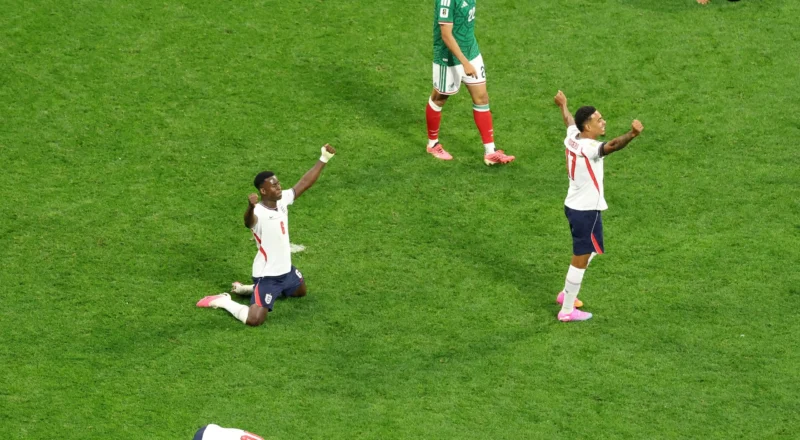
This match became a night of extraordinary tension, a visceral experience that engaged the mind, body, and spirit. England triumphed not just over the Mexican national team during the 90 minutes and the seemingly endless added time, but also against the weight of history and the specter of past defeats.
Reduced to 10 players and confronted by the fervent Azteca crowd, England’s players plunged into a deep, surreal mental state. The intensity of this knockout match at times felt like witnessing Colonel Kurtz engage in an extreme death-match.
As a result of this victory, England will head to Miami for a Saturday clash with Norway, seeking a spot in the World Cup semi-finals. This match marks their most significant overseas knockout win in World Cup history.
Facing the host nation in their own daunting arena, England held their ground for nearly 50 minutes with a man down. They briefly lost control of the match twice but managed to cling to their lead, culminating in a moment where Jordan Henderson found himself hospitalized following an exuberant celebration.
On this day, logic seemed to vanish, and time behaved erratically—clocks turned slowly, then quickly, came to a halt, and even appeared to run backward. Most notably, during the last 20 minutes, the atmosphere shifted from a sporting event to something resembling a surreal dream.
At this point, Raúl Jiménez converted a penalty, narrowing England’s lead to 3-2 after Jarell Quansah’s red card. How would they manage the remaining 20 minutes of play with no breath left to spare as Mexico pressed England back into their defensive zone?
This day exemplified how football can feel like a vast abstraction, outstripping conventional team dynamics and strategies. Even in quieter moments, Mexico City buzzes with energy, resembling a vibrant rebel metropolis constantly under construction.
It was one of those quieter times. From early morning, football was alive, with the roads surrounding the Ángel de la Independencia filled with horns, drums, and festive chaos as fans donned green shirts, already filling the streets.
The atmosphere was relaxed yet charged, hinting at a colossal event unfolding, like an emotional storm ready to break.
By midday, the city was struck by a storm reminiscent of Nosferatu, with brilliant lightning illuminating the skies and thunder rumbling through the buildings. Heavy rainfall transformed the area into a network of flowing water, raising concerns about whether England was prepared for the cold, wet conditions.
The Azteca, though renovated, maintains its striking brutalist architecture, with its robust walkways and futuristic design. Even the kickoff delay felt monumental, akin to having to reclimb Everest just to reach the starting line.
Nevertheless, the noise remained unceasing, peaking during the pre-match rendition of Wonderwall, which was met with a chorus of boos. Clearly, a number of Blur fans were present.
The anthems, the vibrant green and white jerseys, and even the over-the-top FIFA pageantry took on a certain grandeur. At that moment, football seemed to create its own isolated universe, where nothing else could intrude.
As the match progressed into the final 10 minutes, England gasped for air, leading 3-2 but grappling with the impending threat of defeat. Time rarely favors teams in football. How had it only just reached the 80-minute mark? Thomas Tuchel was fully engaged, tirelessly analyzing the game as it unfolded.
He brought on Dan Burn, Djed Spence, and John Stones, forming a five-man defensive line as Mexico pressed forward without piercing through England’s defense, reminiscent of a gentle swarm of dandelion seeds.
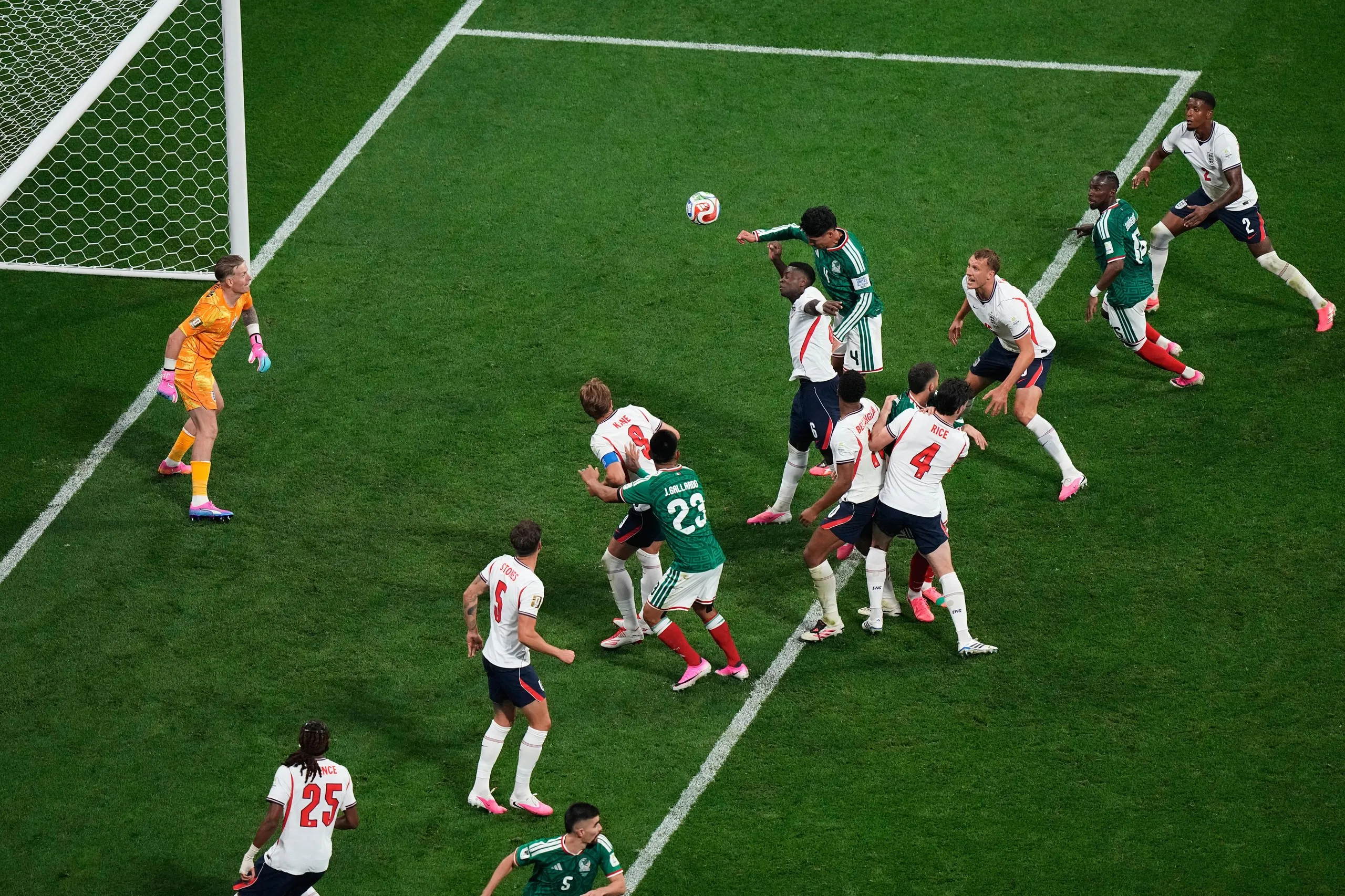
All the England players were immersed in the experience, engaging in close battles and tight angles, striving to remain upright amidst the chaos, where every tick of the clock felt monumental.
However, England were also contending with the significance of the occasion. Mexico had kicked off unbeaten in 10 World Cup matches on this ground, making the Azteca synonymous with the World Cup itself. It’s not just its record of 24 games played, but also the mythical status it holds in the sport’s history. It embodies unforgettable moments, like El Diego’s iconic performances and the joy of 1970’s Brazil.
What memories did England carry into this match? El Diego, the brilliance, and Peter Shilton’s frantic attempts to ward off disaster. That was also four decades ago, highlighting how time can stretch and compress.
With 86 minutes gone, the relief of a Mexican offside and a yellow card consumed precious seconds. As the game approached its final moments, the focus shifted entirely to England’s goal. Spence executed a brilliant defensive maneuver, evading two Mexican attackers.
Harry Kane exited the game after exhausting himself on the pitch, and the reality of 11 minutes of added time settled in.
At that point, it was hard to recall that the game had only just begun earlier in the day. Tuchel had opted for a sturdy defense at the outset, introducing Quansah at right-back. England’s first move was a powerful kick from Jordan Pickford into the Mexican area, seemingly a solid strategy against Mexico’s swarm-like approach.
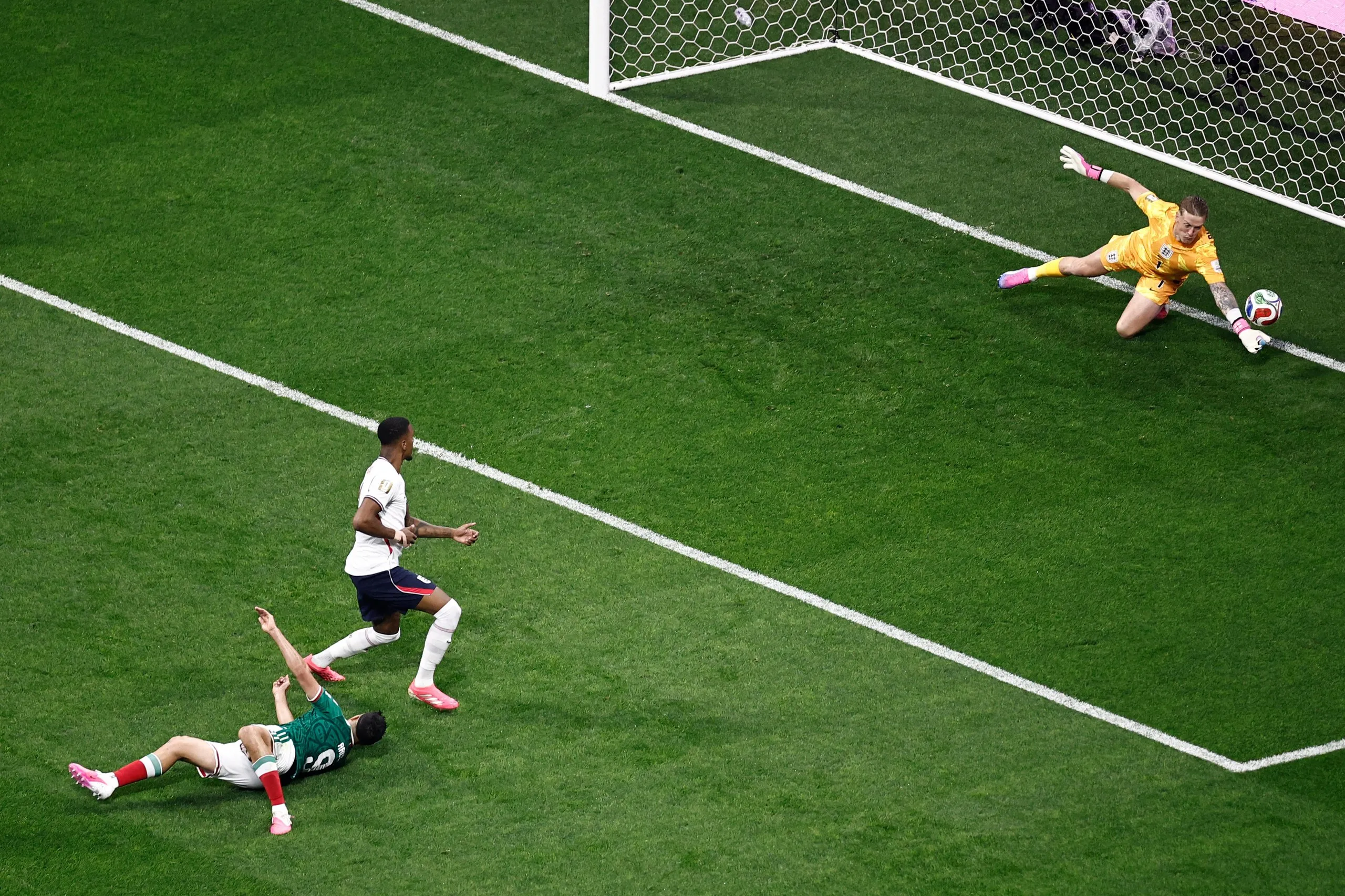
England performed admirably in the first half, initially playing at a measured pace that elicited shouts and whistles from the crowd. Tuchel, dressed in a blue raincoat, was animated on the sidelines as Pickford made a spectacular save from a Jiménez header just 15 minutes in.
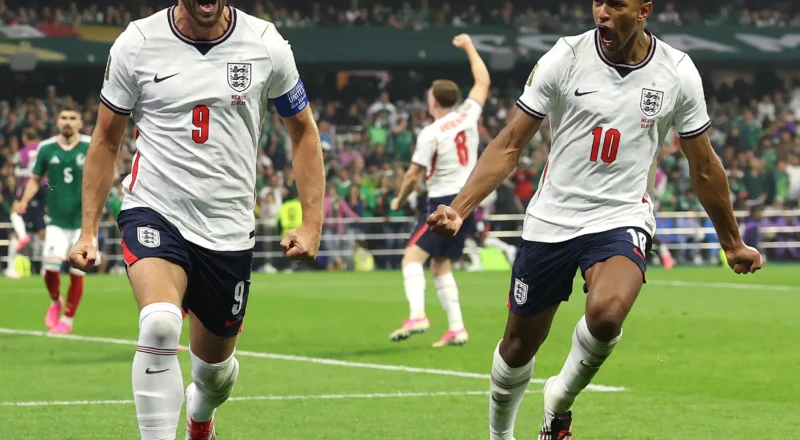
Kane had only two touches in the first 30 minutes. However, on 36 minutes, England found the net as Bukayo Saka made a brilliant run and delivered a cross for Jude Bellingham to head in. Soon after, Bellingham struck again, sliding in to double the lead after a sharp counter-press.
Perhaps a 2-0 advantage proved challenging. England faltered, conceding a goal just before halftime as the stadium erupted. Halftime felt like a much-needed respite. England reemerged strong, maintaining control until Quansah received a well-deserved red card for a reckless tackle in the 53rd minute.
Despite the setback, England scored again, with Kane converting a penalty. The match then entered a tense phase where Mexico began taking desperate shots from awkward angles.
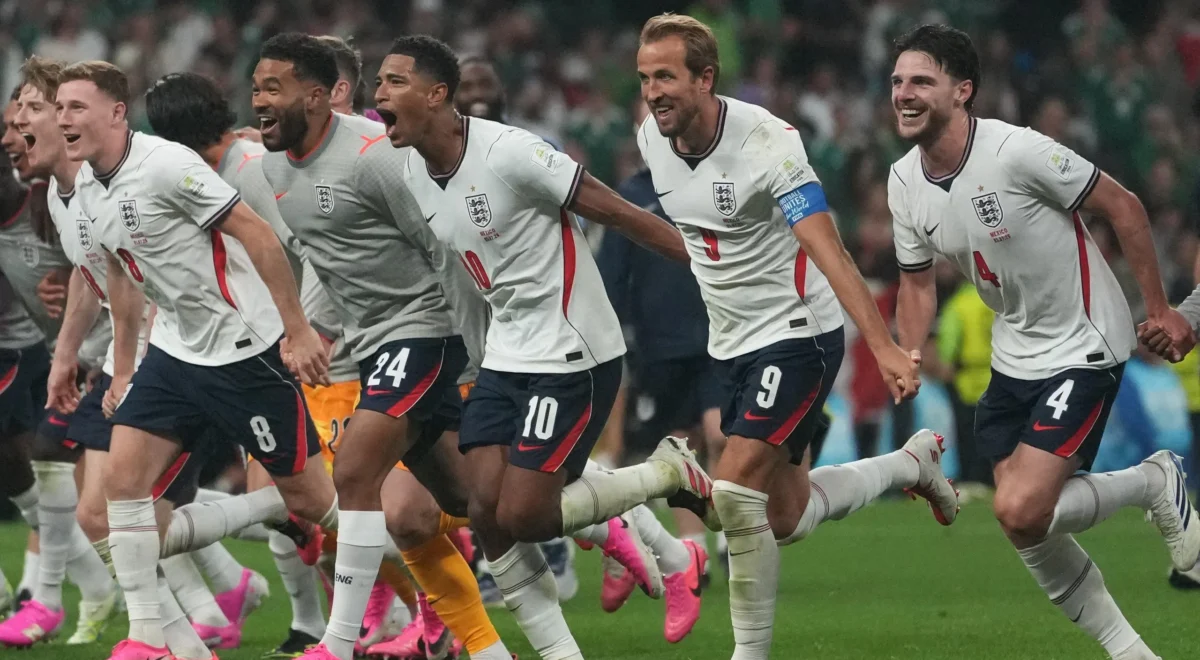
Ultimately, the conclusion of this match marked the end of a significant event, leaving players collapsed in exhaustion. Recovery from this experience will require time. “The players are exhausted to the next level and it is beautiful to see,” Tuchel remarked, with a strange yet joyful smile. He was right; they were utterly spent, and it was indeed beautiful.
- England
- World Cup 2026
- Mexico
- World Cup
- analysis