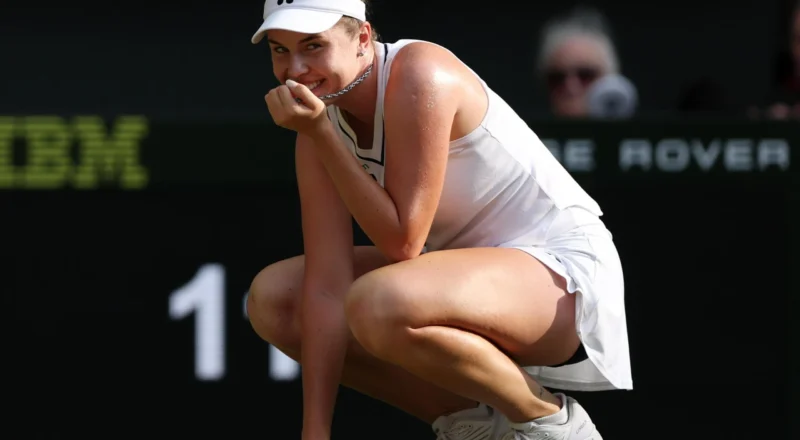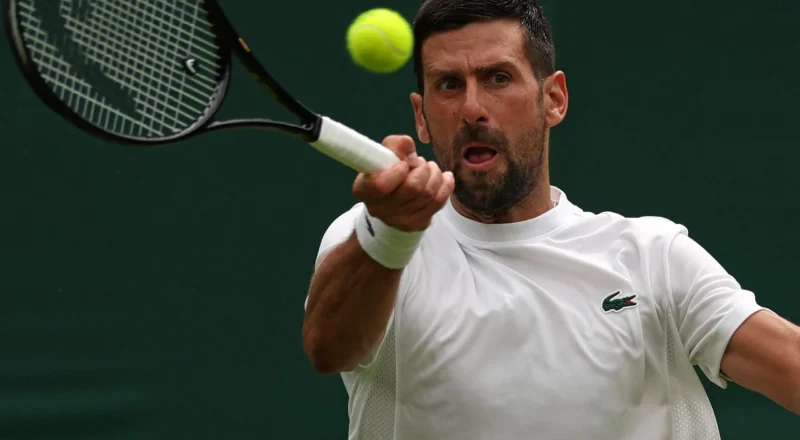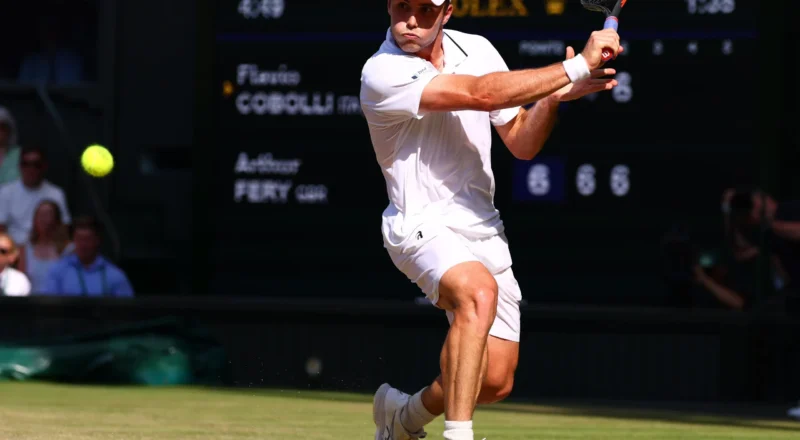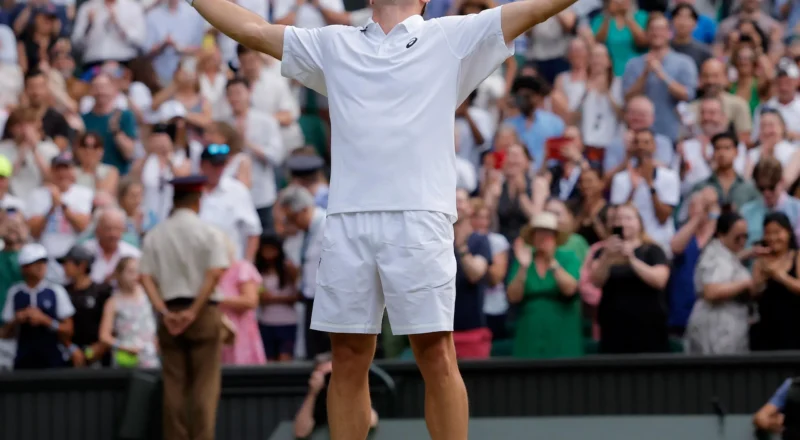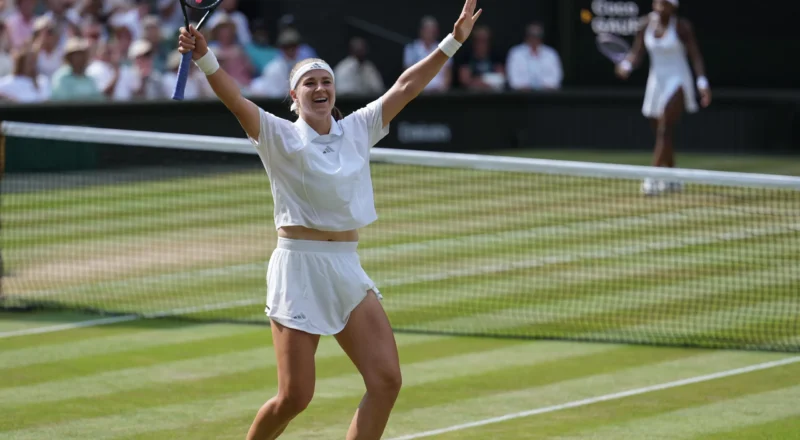


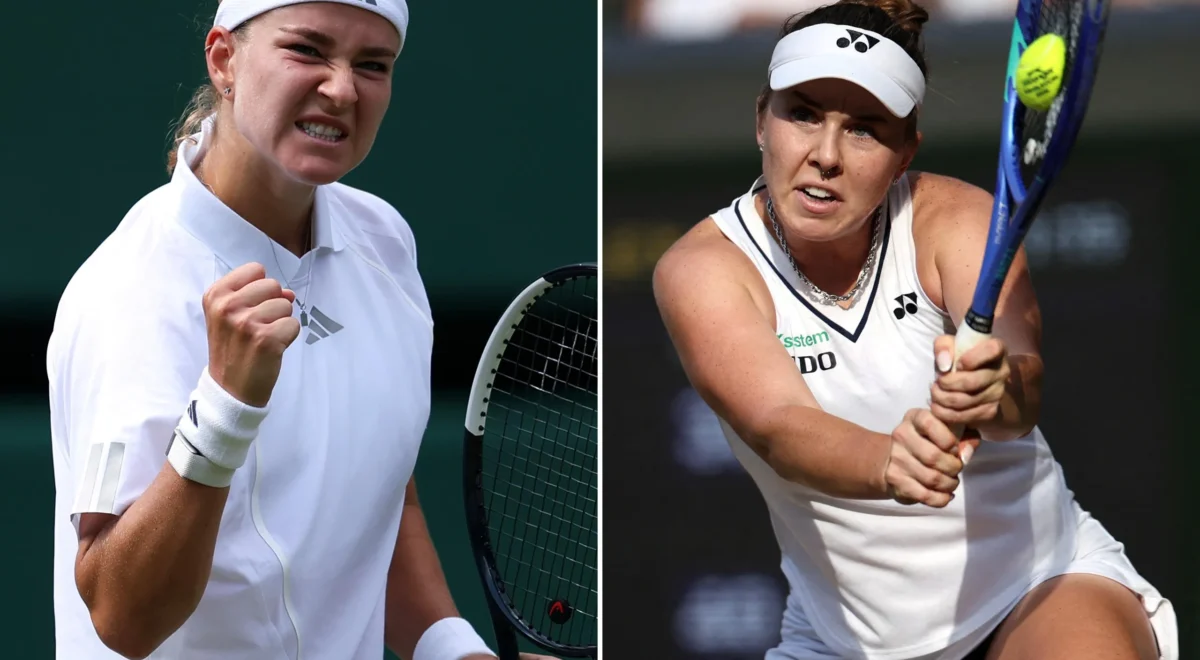
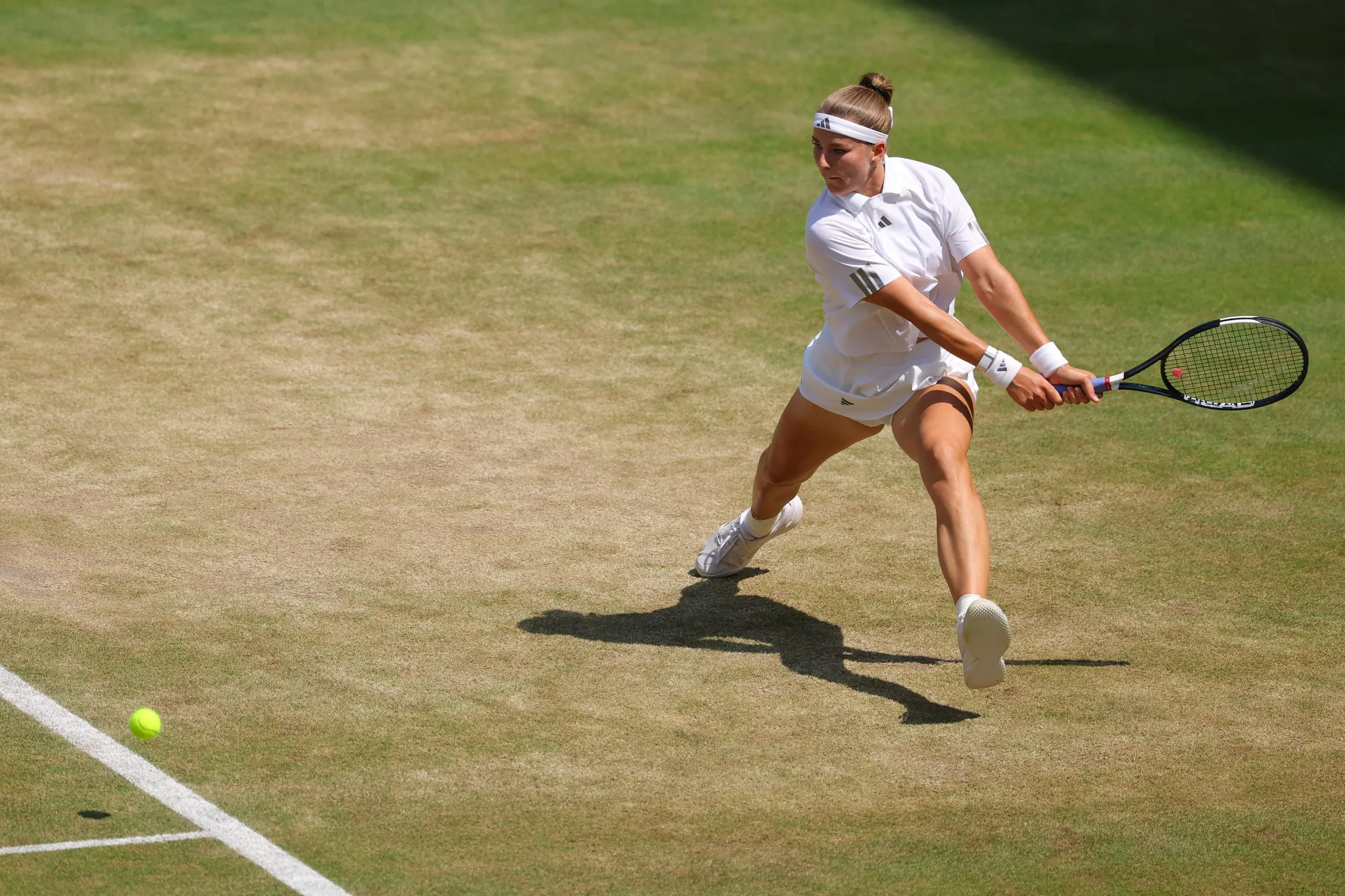
It seems fitting that after one of the most unpredictable women’s singles tournaments ever, two players from the Czech Republic are vying for the sport’s top honor. The upcoming match between Karolina Muchova and Linda Noskova marks the first all-Czech final at Wimbledon, continuing a tradition of Czech excellence on grass courts.
Martina Navratilova, often regarded as the greatest female tennis player, initiated this legacy by claiming her first of nine Wimbledon titles in 1978, while she was a US citizen. Jana Novotna triumphed in 1998, followed by Petra Kvitova, who won in 2011 and 2014. With Marketa Vondrousova taking the title in 2023 and Barbora Krejcikova following in 2024, Saturday’s winner will become the third Czech champion in four years and the sixth overall in the Open Era.
This remarkable lineage has created a steady stream of talent that many nations envy. Muchova is competing in her second Grand Slam final, having previously faced Iga Swiatek at Roland Garros in 2023, while the 21-year-old Noskova is making her debut at this level, seeded No. 9—one spot ahead of Muchova. Both players claimed grass-court titles leading up to Wimbledon.
In terms of experience, Muchova holds a distinct advantage, boasting a game that appears well-suited to grass, despite her somewhat inconsistent history at Wimbledon. She reached the quarter-finals in her first two appearances but was eliminated in the first round for four consecutive years. Various factors, including injuries and fluctuating confidence, contributed to her early exits, but she possesses an impressive skill set that includes a strong serve, agility, power, and an effective slice.
While having numerous options can sometimes complicate matters, this year Muchova has harmonized her game, demonstrating why she draws comparisons to Roger Federer.
“I think there’s been tremendous growth this year. She seems to be keeping the injuries at bay, because that’s been her biggest issue. Then winning two of her three titles this year, her biggest title in Doha, first grass-court title, there seems to be tremendous growth in putting together the pieces of this very talented game. “It’s a beautiful game to watch, but also a lot of times when you have that many choices there’s more to figure out, there is a lot of decision-making.” says former world No. 1 Tracy Austin. “Maybe he’s helping her to make the thinking very clear.”
“We are very creative, I would say, so grass allows us to kind of use any side of tennis, if it’s serve and volley back in the old days, if it’s slices and volleys in this new era,”
Austin highlighted the significant impact of Sven Groeneveld, a veteran coach who joined Muchova’s team at the beginning of 2026.
“We have so many tennis schools in Czechia, even though we’re such a small country. We have so many great coaches that have been working with worldwide greatest players. I really don’t know [why they have produced so many champions]. If I knew, I guess all the other countries would have been doing the same thing.” Austin adds. “Maybe he’s helping her to make the thinking very clear.”
Prior to their semi-finals, Muchova and Noskova had not played on Centre Court, but they trained on the iconic court before their matches, which likely helped alleviate some nerves. Muchova saved a match point to defeat Coco Gauff, while Noskova eliminated Marta Kostyuk. The two players share a strong rapport, having played doubles together during the 2024 Paris Olympics.
Saturday’s final represents a pivotal moment for both competitors; however, Noskova, at just 21 years old, appears less encumbered by pressure and exudes a fearless spirit. She possesses a powerful serve, good movement, and a preference for attacking play, a style that seems to resonate with many Czech players.
“We are very creative, I would say, so grass allows us to kind of use any side of tennis, if it’s serve and volley back in the old days, if it’s slices and volleys in this new era,” Noskova explains.
“We have so many tennis schools in Czechia, even though we’re such a small country. We have so many great coaches that have been working with worldwide greatest players. I really don’t know [why they have produced so many champions]. If I knew, I guess all the other countries would have been doing the same thing.”