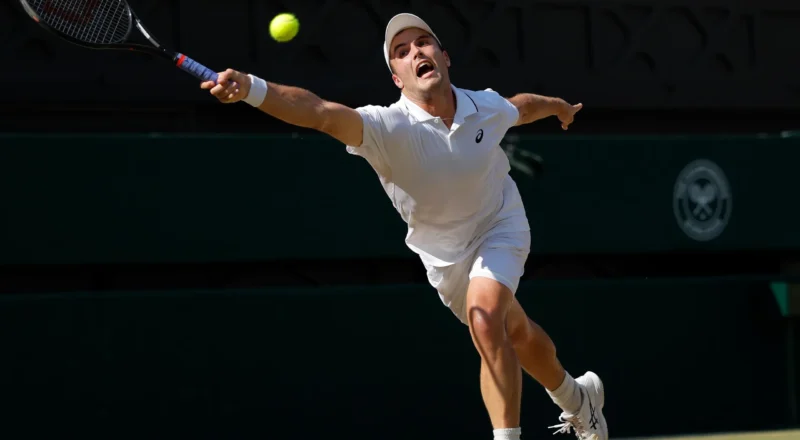


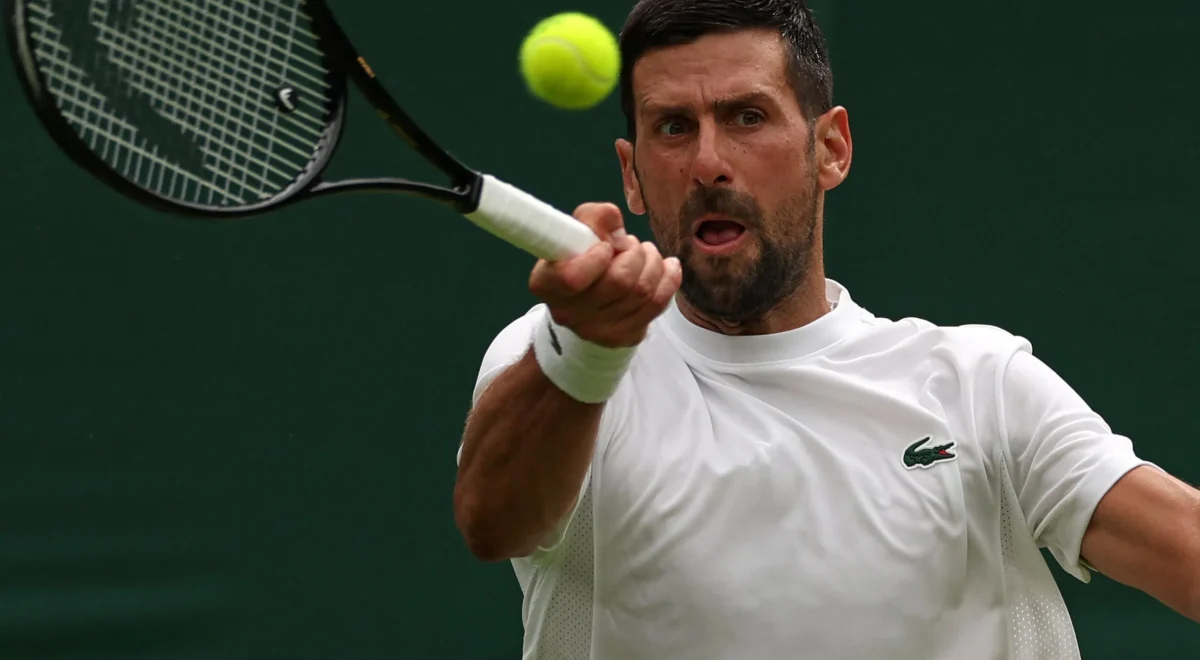
Novak Djokovic has held more press conferences throughout his illustrious career than almost any other tennis player. He understands the routine: following a significant victory, journalists usually inquire about his next match. Djokovic consistently provides an extensive response, highlighting his opponent while skillfully keeping his strategies under wraps.
As the early hours of Wednesday morning approached, following Djokovic’s astonishing five-hour, 15-minute win over Felix Auger-Aliassime, he faced another question about his recovery and upcoming match against Jannik Sinner. For once, his response was brief.
“Let’s see. Let’s see. I have an extra day, which is good … Future will tell.”
While numerous aspects can be analyzed in such a high-stakes encounter between two elite players, the primary concern revolves around Djokovic’s physical recovery after the previous match and the toll the tournament has taken on his body. Despite his age, Djokovic continues to strike the ball with remarkable precision and displays superior movement compared to many younger competitors. However, the challenge remains: he cannot control how well his body recuperates from the grueling demands of grand slam tennis.
In six of his last seven grand slams, Djokovic has advanced to the semi-finals or further, showcasing an impressive feat for a player of his age. Yet, by the end of these tournaments, it was evident that his body had endured significant strain from back-to-back best-of-five set matches. Last year, he lost all six sets in his grand slam semi-finals against both Sinner and Carlos Alcaraz.
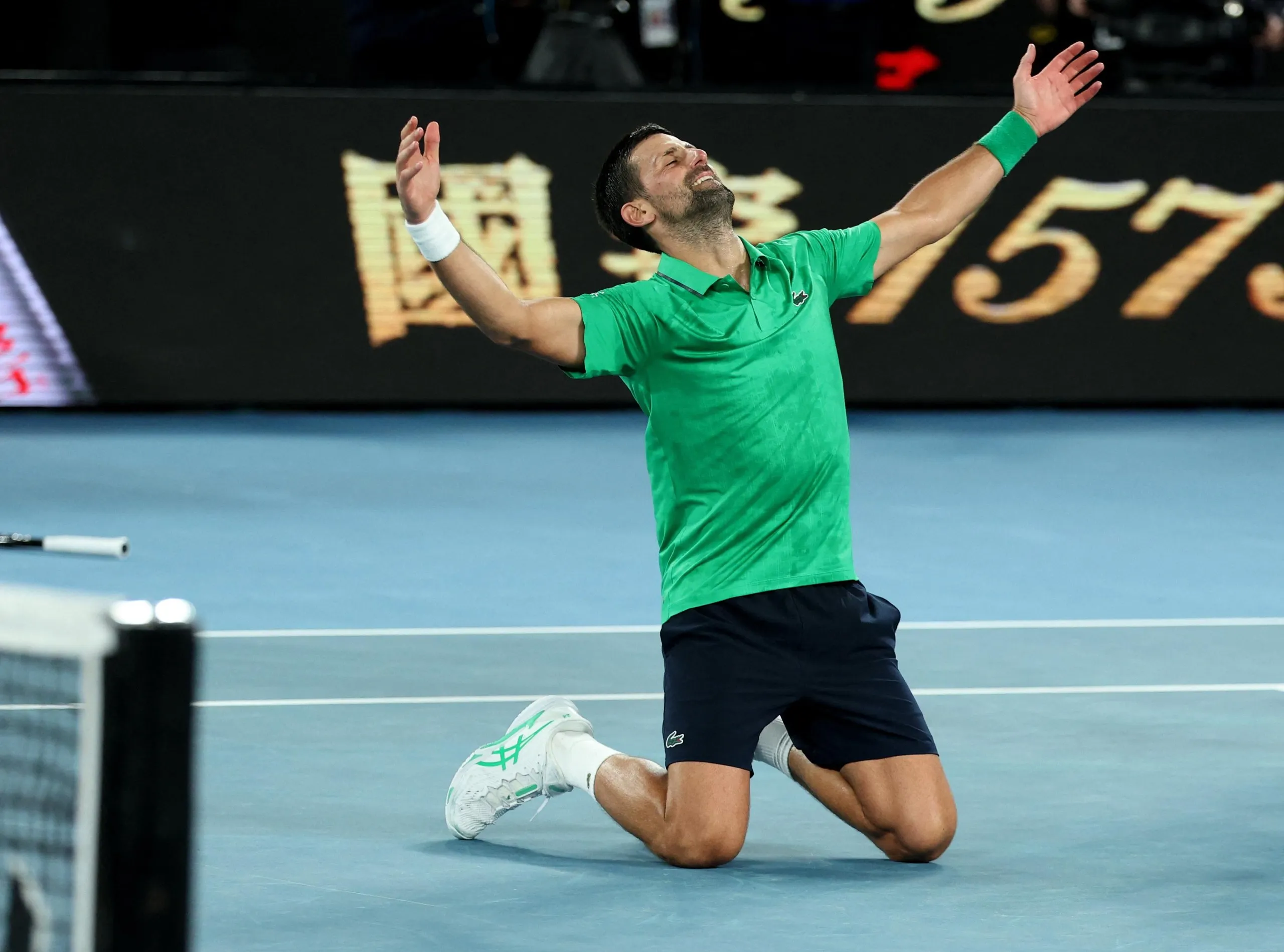
At the start of this year, Djokovic ended his losing streak against Sinner in dramatic fashion, overcoming the Italian after four hours in a five-set thriller to secure a spot in the Australian Open final. This victory stands out as one of Djokovic’s most remarkable achievements, and it was also the last time the two faced each other.
Heading into this tournament, Djokovic’s goal was clear: he remains capable of winning Wimbledon, but efficiency and energy conservation are paramount. Despite his dominant second-round victory over Stefanos Tsitsipas, which was his only straight-sets win in the tournament thus far, he has struggled to maintain that energy. A silver lining from the match against Auger-Aliassime was Djokovic’s physical strength throughout the contest, as he showed no significant signs of discomfort.
If he is in good health, the match against Sinner promises to be extremely competitive. Djokovic has often pointed out their similarities, noting their shared drive to control the baseline and strike the ball early. Both players are exceptional returners who have developed into top-tier servers, relying on their agility and sliding techniques across all surfaces to maintain their positioning. The key differences lie in Sinner’s ability to generate greater pace with his groundstrokes, while Djokovic excels in speed and adaptability with more varied shot selection.
Djokovic’s remarkable serving performance was instrumental in his win over Sinner in Australia, where his powerful forehand helped him seize critical points, and he remarkably saved 16 of 18 break points during that match. To overcome Sinner again, Djokovic will need to replicate that level of excellence, drawing on a lifetime of experience to perform at his best.
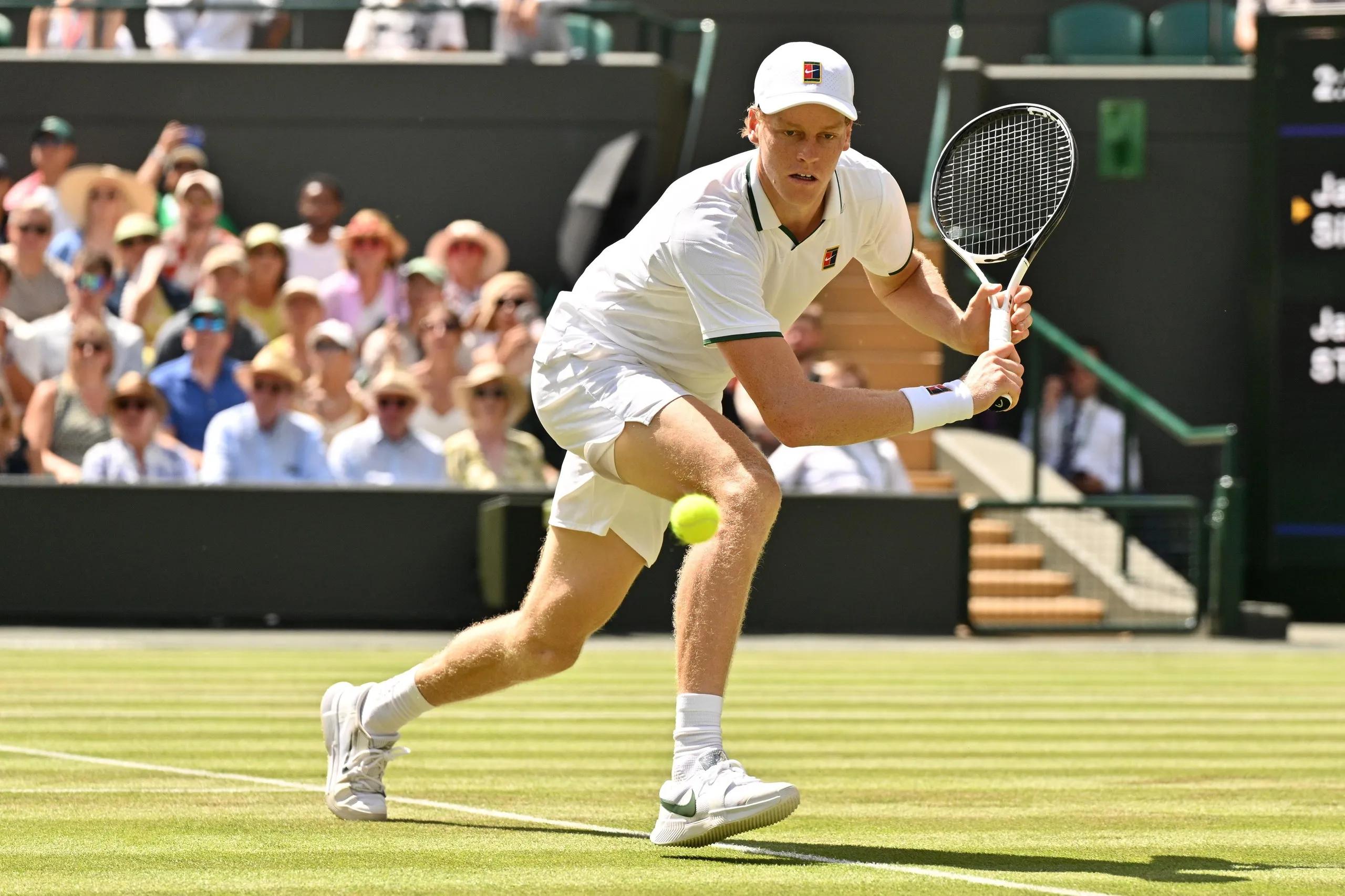
As the match approaches, attention will focus on Djokovic’s physical state in the early exchanges, but Sinner also has his own challenges to address. The world No. 1 is known for his resilience, and after his distressing collapse against Juan Manuel Cerúndolo in the French Open second round, he has rebounded with five consecutive wins. Sinner began this tournament—his sole grass-court event this year—by narrowly defeating Miomir Kecmanovic in five sets, but he has since gone on to win four rounds without dropping a set. His serving has reached new heights, highlighted by a career-best 31 aces against Kecmanovic, and he has continued to serve impressively throughout the tournament.
Nevertheless, Sinner’s forehand has appeared inconsistent, leaving some uncertainty about his current form and mental readiness. He has yet to face a seeded player in this tournament, and most of his opponents have posed little threat. The sight of Djokovic, one of the greatest players in history, across the net will undoubtedly test Sinner’s readiness for a shot at his second Wimbledon title.