

Strolling through Miami’s Little Buenos Aires, one can easily find locals eager to share their encounters with Lionel Messi.
A bakery staff member recalls Messi’s visit, highlighting how the Inter Miami and Argentina captain relished the medialunas. Meanwhile, a barista at a nearby coffee shop recounts a moment when Messi was spotted in traffic, smiling from behind the wheel of a luxurious SUV, occasionally considering a fan’s request for an autograph.
There are also those who assert they’ve crossed paths with the Argentine icon at Publix, the local grocery chain. Initially, such claims might seem exaggerated until a selfie emerges, capturing Messi beaming alongside a fan in the cereal aisle—proof that these encounters are indeed real.
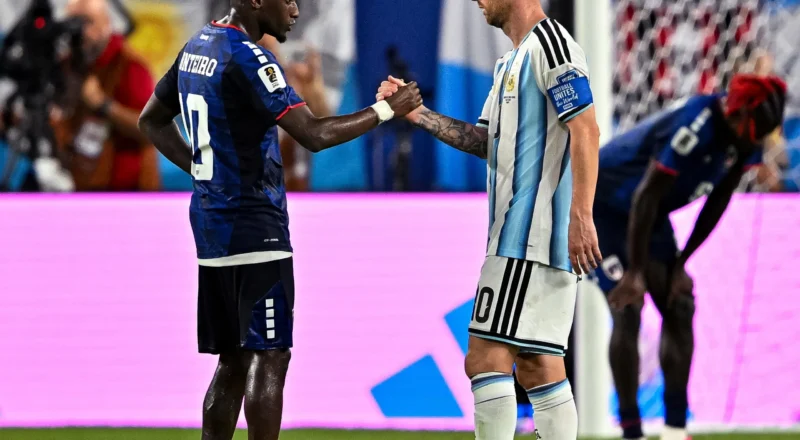
Three years after his surprising shift to Major League Soccer, Messi’s dual identity as a Miami local and a revered figure in Argentina will converge on Friday night as Argentina competes against Cape Verde at Hard Rock Stadium. This match marks a significant homecoming for Messi, who arrived in the glitzy city in 2023 as just another megastar but has since been embraced as a beloved figure—perhaps the most comfortable he has felt since his time in Barcelona.
“For us this is just a chance to celebrate him,” states 27-year-old Thiago Gomez in Spanish, proudly identifying himself as an Inter Miami season ticket holder. “It’s nice to have him here [every day] but it is something different entirely to see him play for the national team … you get the sense that he loves playing for Miami but he’s clearly possessed right now with Argentina, with the World Cup, with all of it.”
The announcement of Messi’s transfer to Inter Miami was astonishing. Considered arguably the greatest football player of all time and one of the most recognizable faces globally, his move was driven more by a desire for family life and privacy than solely football. After enduring two challenging years at PSG, which strained his family, Inter Miami offered him a chance to continue his career while prioritizing his loved ones and stepping slightly out of the global glare.
In making this choice, he joined a distinguished group of footballers who sought solace from the relentless public eye in the United States, including Pelé, George Best, Johan Cruyff, Thierry Henry, and David Beckham. While some found moments of anonymity—like Henry, who occasionally rode the train to matches—complete privacy was never feasible for Messi. His global adoration, especially within Miami’s substantial South and Central American community, ensured that he would always attract attention.
Initially, his life was characterized by intense media scrutiny and fans eagerly waiting outside Inter Miami’s training center for a glimpse of the superstar. On the road, the frenzy escalated as supporters would follow the team bus to the stadium or wait at hotels. Sightings of Messi became a popular pastime as fans tracked him to restaurants, NBA games, and upscale shopping venues.
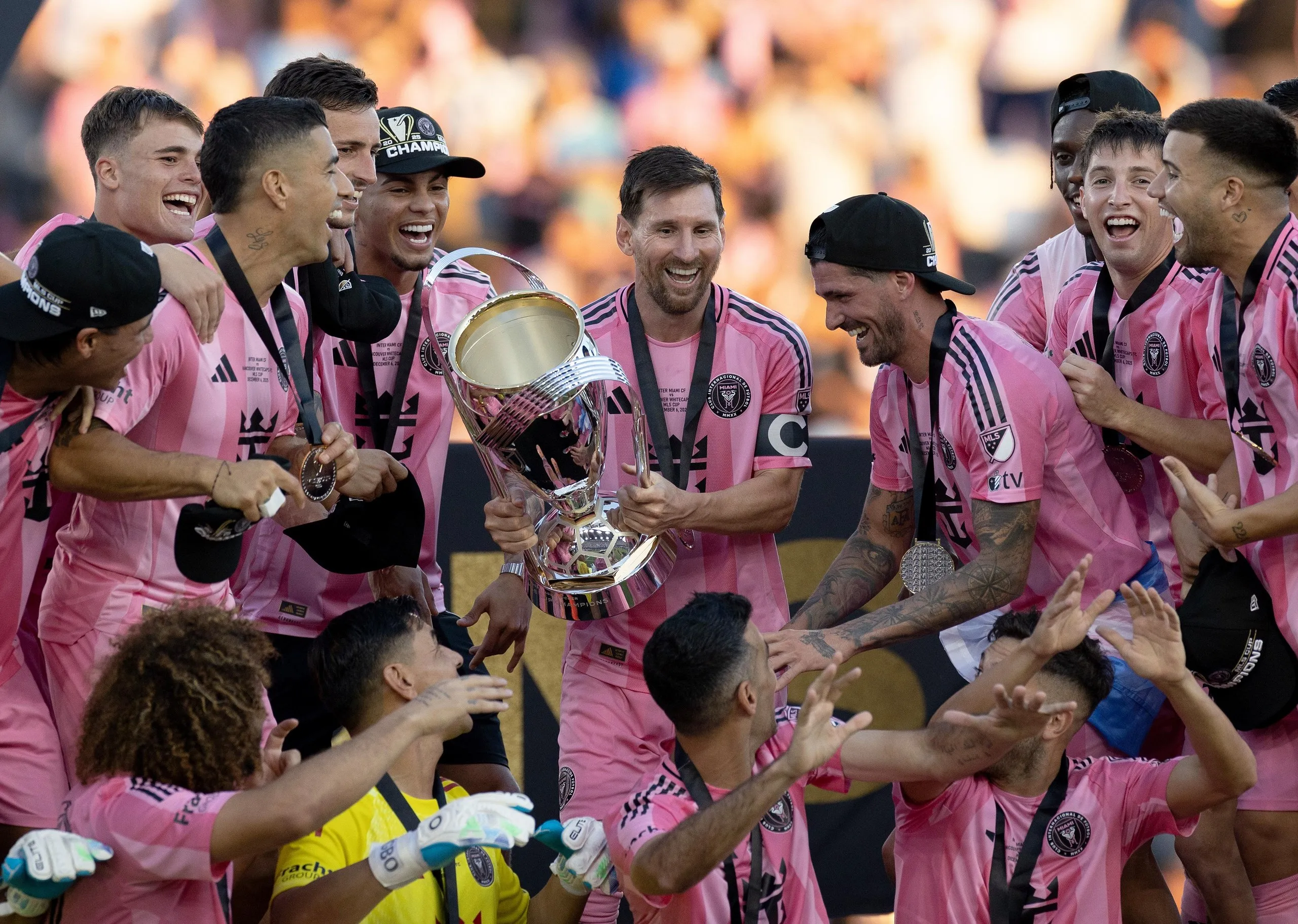
However, by 2026, that relentless pursuit has significantly diminished. Although a few fans—mainly children—still seek him out, Messi’s life in Miami has largely settled into a routine. Over the past three years, he has led the city to a championship and expressed his appreciation for the warm reception he has received. While Miami may never rival Barcelona, where he is a cherished figure, or Argentina, where he is idolized, the city has undeniably claimed a significant part of Messi’s heart.
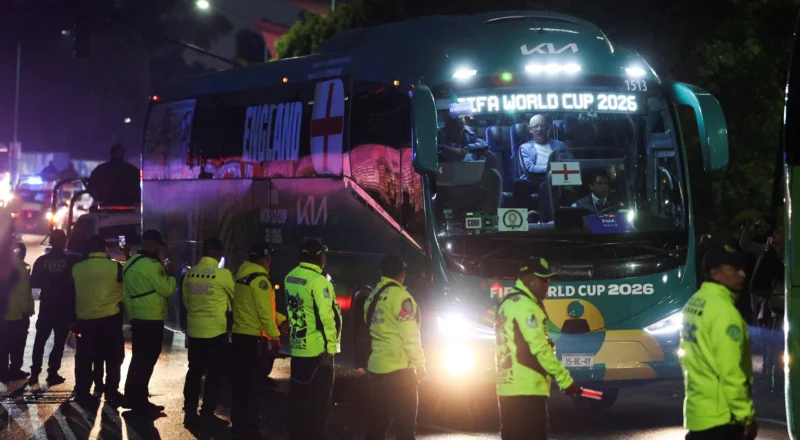
Inter Miami, a club well-versed in marketing, has made its iconic pink colors a familiar sight in the city, with countless fans donning Messi jerseys daily. On Wednesday evening, those vibrant hues were augmented by a wave of blue and white as Messi’s Argentina arrived in Miami, accompanied by a legion of supporters. The defending champions have outshined all other teams in the tournament, aside from the three host nations, transforming stadiums in Kansas City and Dallas into vibrant celebrations.
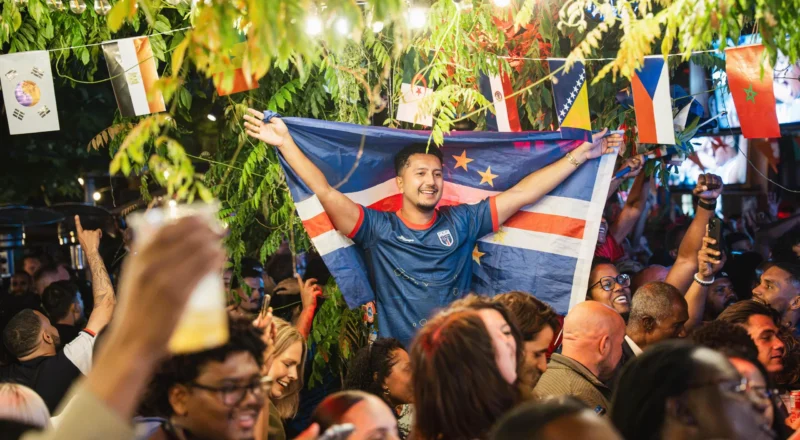
On Thursday, Buenos Aires Bakery & Cafe buzzed with locals and visitors decked out in the albiceleste. Nestled within the four-block stretch known as Little Buenos Aires, just off A1A in North Beach, the café played cumbia and Argentine rock music as fans discussed their team’s prospects for the upcoming match. Many locals yearned to attend the game but settled for enjoying the atmosphere at the bakery, which charged a $20 cover and required a minimum spend of $15—quite different from its usual policy where patrons linger over a single coffee and newspaper.
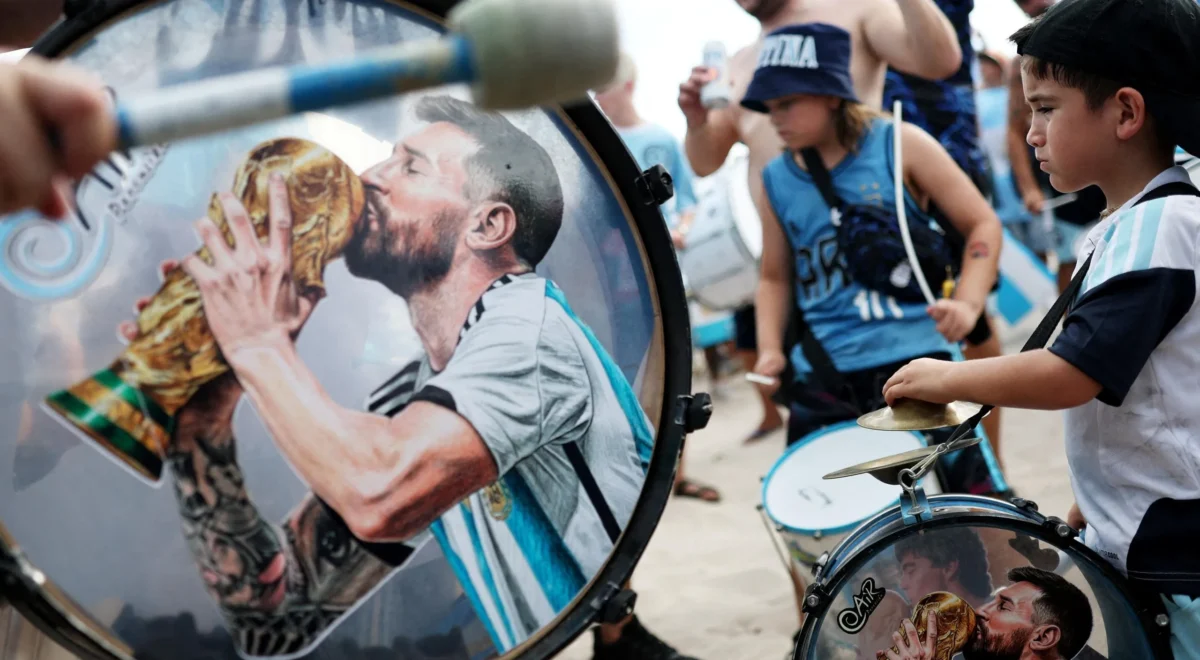
Five miles down Collins Avenue in South Beach, another crowd of Argentina supporters gathered outside Baires, a renowned Argentine steakhouse. While no fan of the national team needs encouragement to express their admiration for Messi, a group of locals, fueled by several bottles of wine, wandered over from the Argentine banderazo—a large pre-match gathering of supporters.
The day has been long yet celebratory, with conversations revolving around Messi’s remarkable performances in the group stage—six goals in three matches, making him the tournament’s leading scorer and securing the all-time record for World Cup goals.
Fans in Miami will have numerous opportunities to see Messi in action. Earlier this year, he signed a contract extension that could keep him with the team until the end of the 2028 season.
This week presents a rare opportunity for fans to witness the greatest player in football history compete in a World Cup match in his adopted city, a moment that every Argentine supporter in Miami seems to cherish deeply.
- Argentina
- Lionel Messi
- World Cup 2026
- World Cup
- Inter Miami
- features