

The qualifying process for the Daytona 500 stands out as a distinct element within the NASCAR Cup Series, offering a blend of excitement and unpredictability. This event not only determines the coveted pole position but also reveals which drivers will secure their spots in the race.
Unlike the Indianapolis 500’s Bump Day and Fast 12, NASCAR employs the Duels at Daytona to finalize the lineup. On the Thursday preceding the race, four competitors will be eliminated from contention, marking the end of their aspirations to participate in NASCAR’s premier event. Curious about how this all unfolds? Let us break it down for you.
Who is Guaranteed a Spot
All 36 chartered teams intending to compete full-time in the upcoming season are assured a place in the Daytona 500. This arrangement leaves four positions available for open entries, which will be fiercely contested over the next two days.
The 41st Provisional Spot
A relatively new rule, the Open Exemption Provisional (OEP), allows a distinguished driver to secure a place in the race. This regulation, which has seen revisions since its inception a little over a year ago, was utilized last year by four-time Indianapolis 500 champion Helio Castroneves. This year, seven-time NASCAR Cup Series champion Jimmie Johnson will benefit from this rule, adding an additional 41st position to the grid without displacing any other competitors.
Open entries refer to part-time, non-chartered vehicles that lack guaranteed starting positions. This year, eight of these entries, excluding Johnson, will vie for the remaining four spots in the Daytona 500.
Qualifying Format Explained
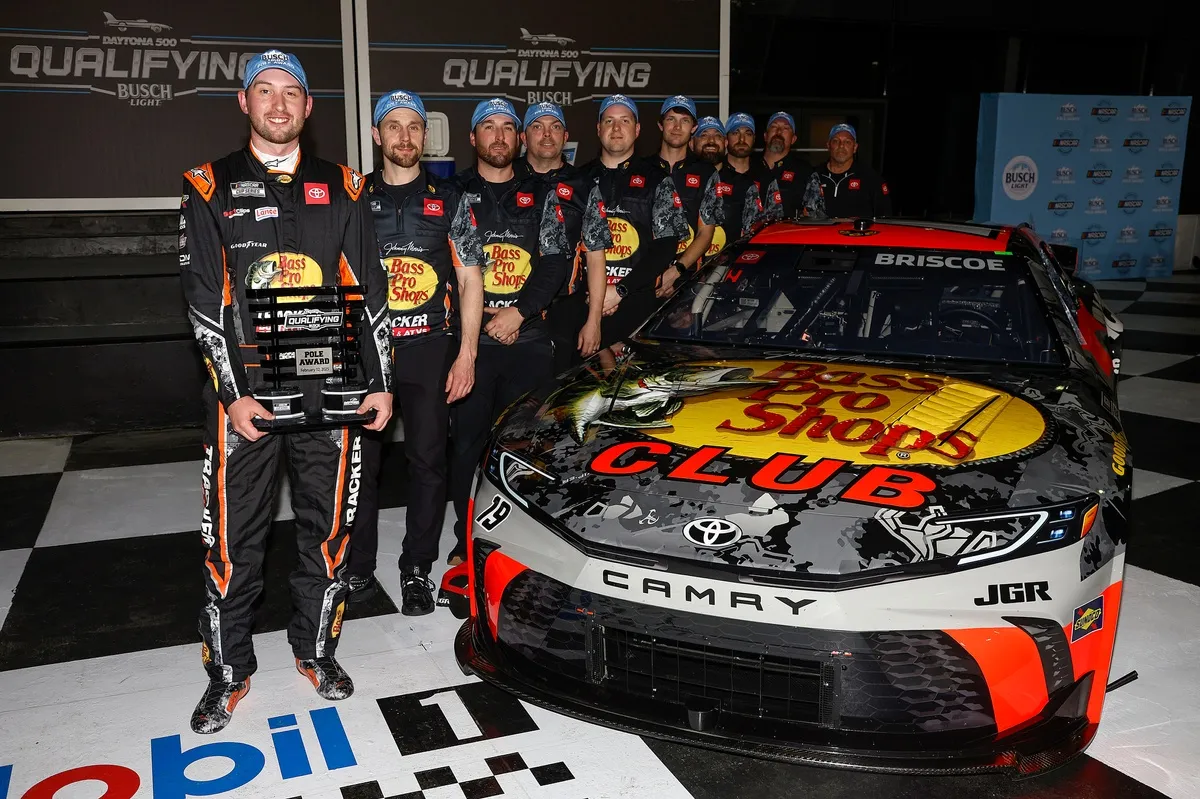
On Wednesday, the qualifying session unfolds in a straightforward manner. Each car will individually complete a single flying lap around the iconic 2.5-mile superspeedway. The ten fastest drivers from the initial round will then advance to a second round, where they will compete for the pole position.
The front row will be determined by the results of the time trials, while the remaining qualifying spots will set the stage for the upcoming Duel races.
Two Fastest Open Entries
Additionally, the two swiftest open entries from Wednesday’s time trials will automatically secure their places in the race. Therefore, achieving maximum speed during these single-lap trials is crucial for the eight competitors still seeking a spot.
The Duel Qualifying Races
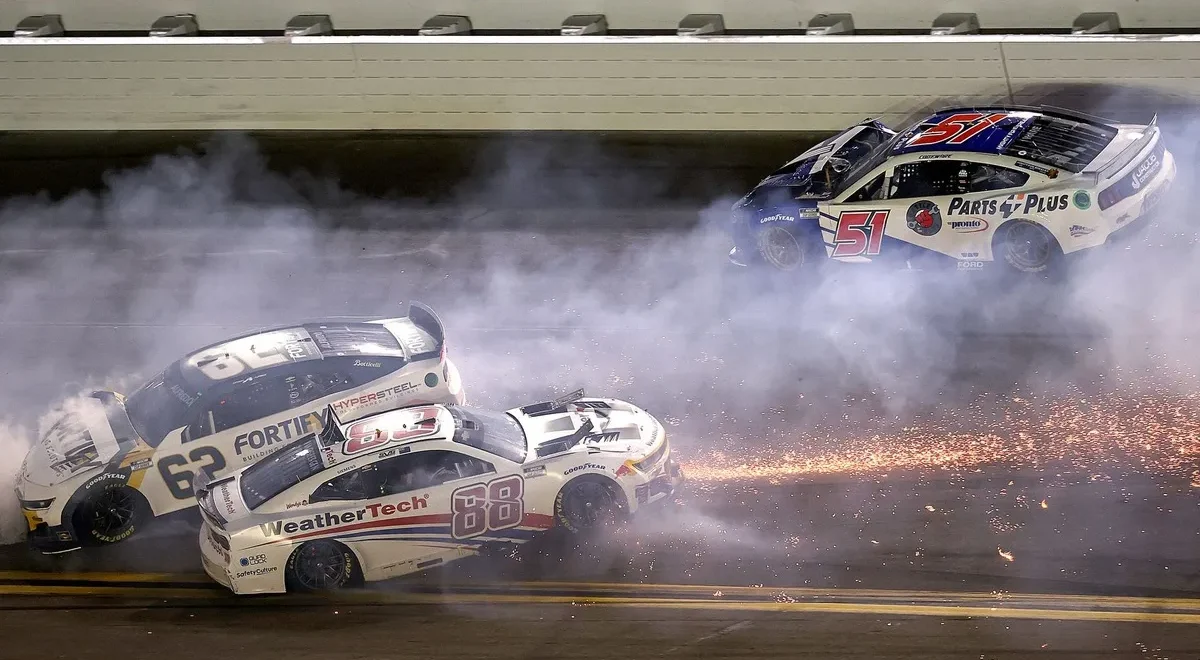
Chartered teams have two primary objectives during the Duel races: to finish as high as possible for a better starting position and to earn valuable points while keeping their cars intact. These high-stakes, 60-lap races, covering 150 miles, often result in accidents, adding an element of risk to the competition.
The top ten finishers in each Duel race will receive points equivalent to those awarded at the end of stages throughout the season, with the winner earning ten points and a decreasing scale down to one point for the tenth place. As the first points of the 2026 season, these points hold even greater significance with the return of The Chase.
Duel Race Significance
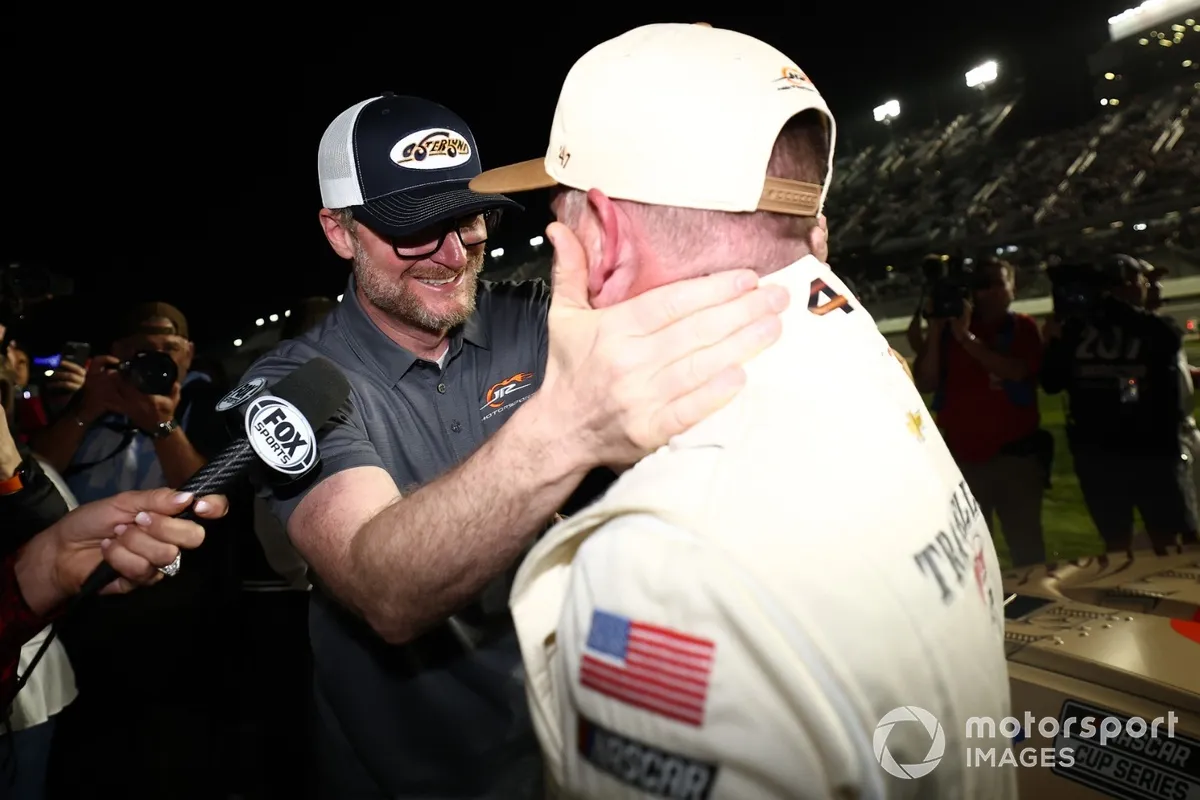
Winning a Duel race guarantees a driver a position on the second row of the Daytona 500 grid. The finishing order of Duel #1 determines the inside row (P3), while Duel #2 sets the outside row (P4). It’s important to note that the front row is predetermined by the Wednesday qualifiers, regardless of their Duel finishes unless they encounter a mishap requiring a backup car.
Last Chance for Open Entries
For many competitors, the Duel races represent their final opportunity to earn a place in the race. The open entries will be divided between the two Duel races, with the top-finishing open driver from each Duel securing a spot in the Daytona 500.
This year, NASCAR has implemented a noteworthy change: previously, drivers who qualified could still race their way in, allowing the next-best qualifier to benefit from their time. This adjustment simplifies the process; now, those unable to achieve qualifying speeds must outpace their fellow open entries in the on-track competition.
The Importance of Qualifying for Locked-In Drivers
For the fortunate drivers already guaranteed a place in the race, the significance of qualifying for the Daytona 500 is somewhat diminished compared to other events. However, strategic considerations such as pit stall selection and the ability to navigate in and out of one’s stall efficiently can prove crucial on race day.
Starting near the front of the grid can also facilitate a smoother race, particularly for those aiming to accumulate points in the opening stage.
Ultimately, the path to victory in the Daytona 500 is open to drivers from all positions on the grid. The last time a pole-sitter won this prestigious race was in 2000 with Dale Jarrett. In contrast, last year’s champion William Byron started from fifth, while he also claimed victory from the 18th position in 2024. Furthermore, Ricky Stenhouse Jr. emerged victorious in the 2023 season opener, coming from 31st place.