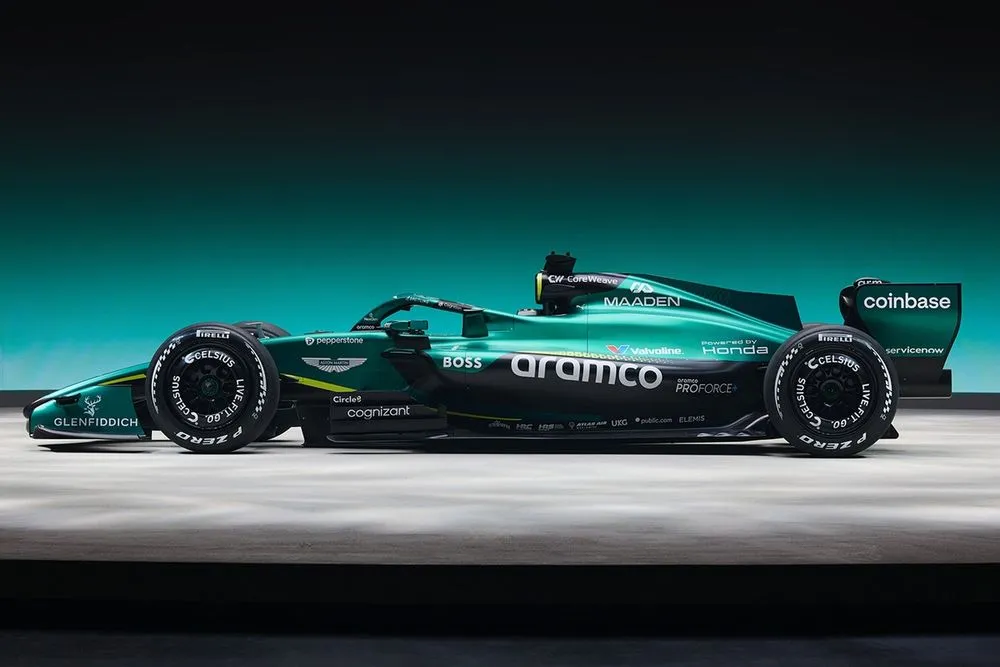


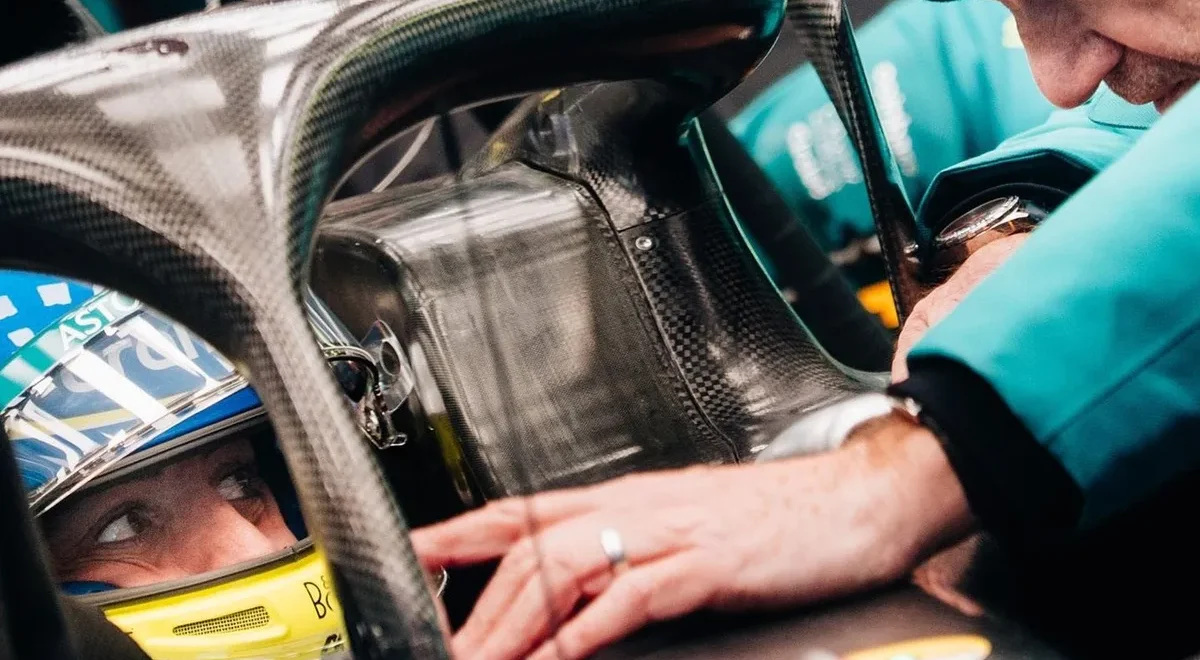
As the 2026 season approaches, it promises to be pivotal for every competitor in Formula 1, particularly for two-time world champion Fernando Alonso, who is eager for another opportunity with a competitive vehicle. The comprehensive revision of technical regulations could theoretically benefit drivers, although it also raises concerns, especially among those who cherish traditional racing.
Will Formula 1 shift towards becoming more of a strategic battle than ever before? Moreover, are practices like downshifting on straightaways and easing off during qualifying starting to feel unnatural for the racers?
“I believe each set of regulations has its unique characteristics, necessitating various driving techniques for different cars and rules. This current set seems particularly drastic in that respect,” Alonso stated in response to inquiries.
He continued, “Some aspects of energy management and the driving adjustments needed to optimize energy consumption throughout the lap, including during qualifying, can be somewhat frustrating for drivers. The desire is to race at full throttle, yet it appears one must engage in more strategic thinking than before.”
However, Alonso has already amassed valuable insights from participating in other racing series, preparing him for a potential shift towards a management-focused race format—more so than in past seasons. “In IndyCar, the main strategy revolves around fuel conservation for about 75% of the race. In the WEC, controlling energy and navigating traffic with hybrid systems was paramount. Ultimately, it boils down to racing,” he noted.
Reflecting on his journey from his debut at the 2001 Australian Grand Prix, Alonso expressed skepticism that the sport could ever revert to its earlier glory days. “I don’t think we’ll return to the late 90s or early 2000s, when cars were lighter and faster, and the engine sounds were part of what defined Formula 1’s essence,” he remarked. “We’re evolving into a different version of F1. Whether this is an improvement or not is debatable, but it is certainly a change.”
Alonso conveyed that the V10 era, from a driver’s perspective, was far more satisfying than the current trajectory of the sport. “There was a greater sense of excitement in the past, but we must market this to the younger generation. It’s not accurate to claim that today’s cars are inferior; however, no one would argue that the past driving experience was less thrilling than what we have now. Older vehicles undoubtedly provided more adrenaline and a stronger connection to driving at the edge of performance.”
“Even when we switch to go-karts, which offer the purest form of motorsport, it’s exhilarating to push the limits of physics, rather than focusing on efficiency or a robotic driving style to maximize performance. While there are some engaging elements in the current setup, I would prefer to drive without excessive systems interfering with my driving style or cornering approach. The need to overanalyze while driving can detract from the joy of being behind the wheel,” he added.
Alonso also believes that F1’s situation is not an isolated case; he observes similar transformations in other sports. “This trend seems to reflect broader changes occurring across various domains over the last few decades, not just in motorsport. I suspect similar shifts are visible in sports like football and basketball. Twenty years ago, a single player could have a magical moment and clinch a win, whereas now, structure and strategy dominate performance in these games. The inspiration from individual brilliance appears diminished in this era.”