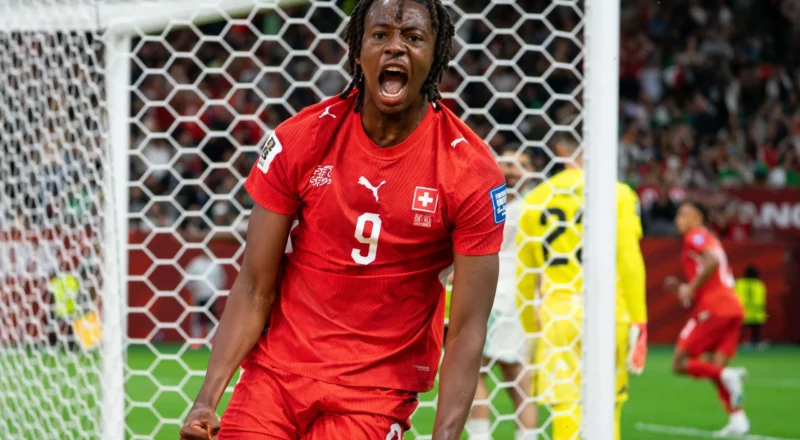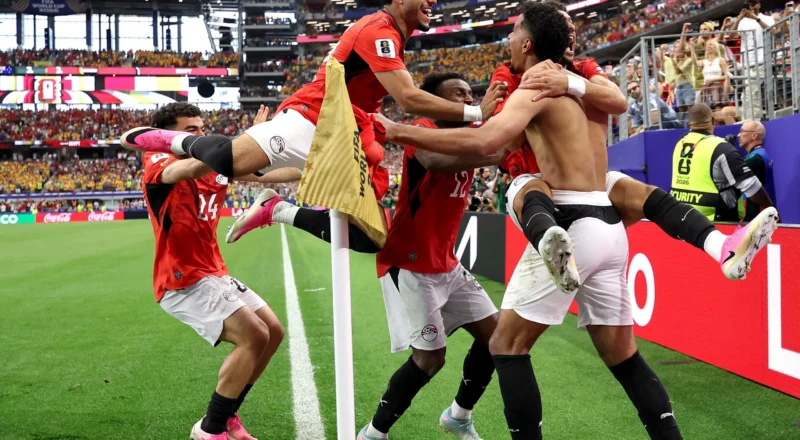


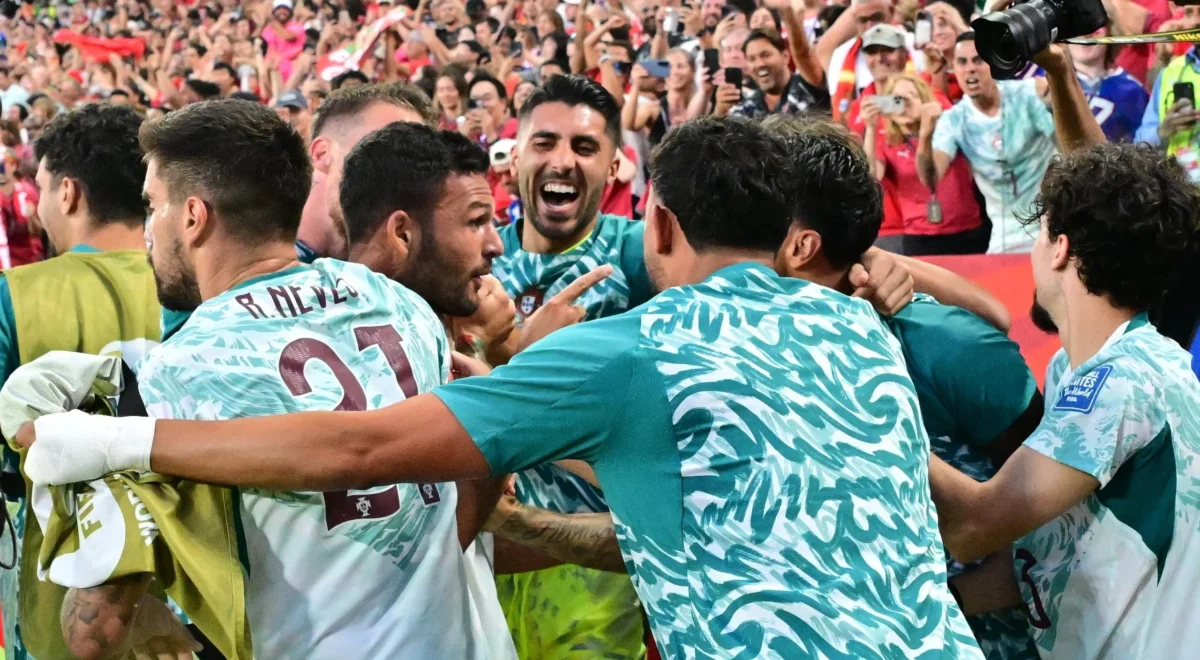
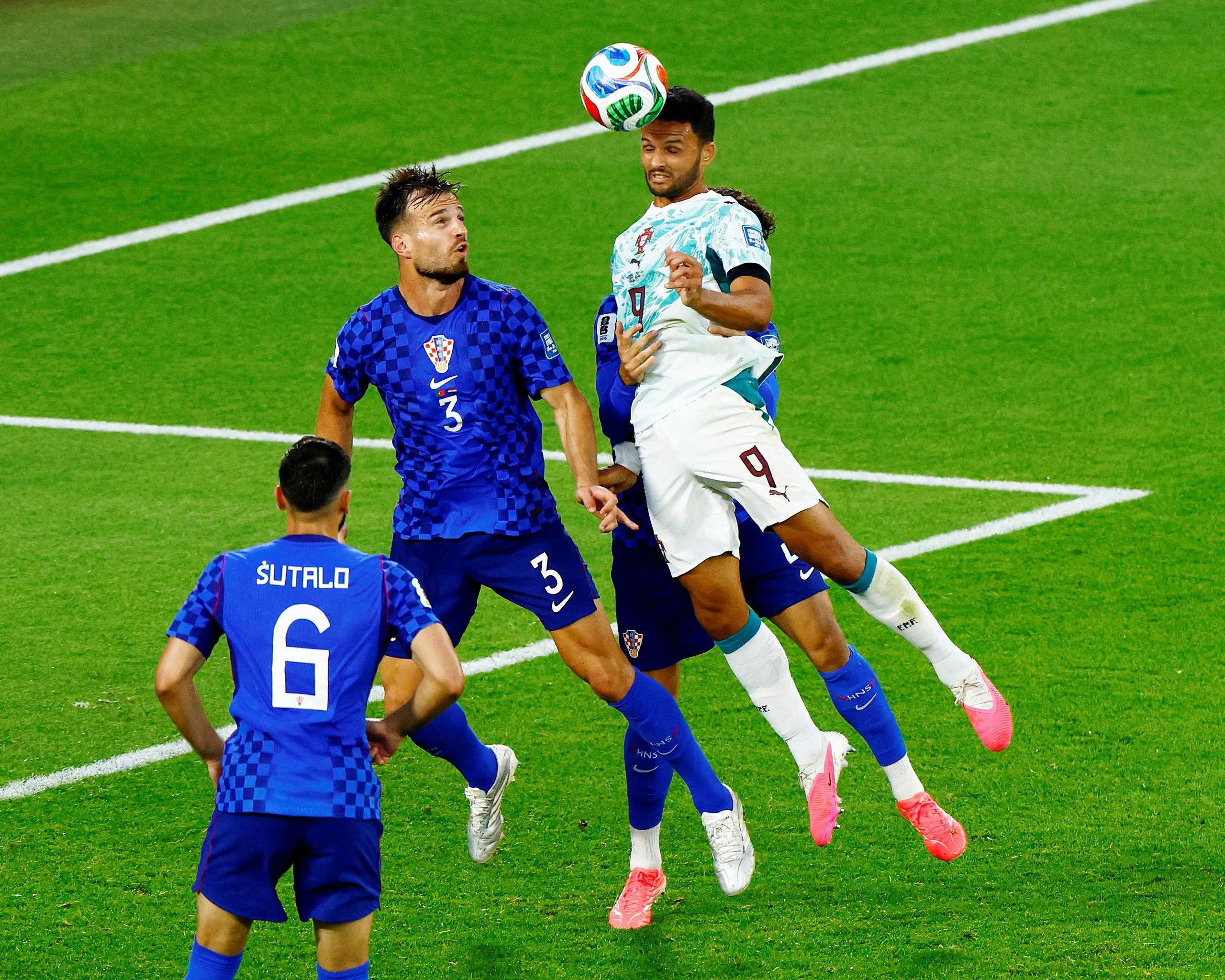
Rafael Leão fell to his knees as Gonçalo Ramos flicked his cross into the net, securing Portugal’s advancement to the World Cup’s last 16. Leão’s face displayed not joy but relief at the moment.
While this match was anticipated as a final showcase for two football legends, Luka Modric, at 40, departed what is likely his last World Cup. Cristiano Ronaldo, on the other hand, continues to play, scoring and even being substituted in a match filled with action. However, this encounter was about more than just these two stars, who were not the primary influencers on the pitch, despite Ronaldo being controversially named the player of the match. Rather, it was a classic World Cup showdown between veteran teams, with the momentum shifting back and forth. The match was packed with incidents, including four disallowed goals, a record for the World Cup, one of which denied Croatia a late equalizer.
Following a hot day in Toronto, the evening brought a refreshing coolness, and the stadium buzzed with energy. Portugal largely controlled the first half, and they should have taken the lead before halftime. Their first opportunity arose just eight minutes in when Leão charged down the left, delivering a low cutback to Bruno Fernandes, whose initial shot was expertly saved by Dominik Livakovic, and the second was blocked by the scrambling defense.
Pedro Neto was the most dangerous player for Portugal during the opening half. Dominating his matchup with Ivan Perisic, who played as Croatia’s full-back, Neto created ample opportunities to send in a series of enticing crosses, yet none resulted in a goal. Livakovic misjudged one cross, but Ronaldo was unable to capitalize. A subsequent cross half an hour into the match saw both Ronaldo and Fernandes stretching for the ball at the far post, but they were just a fraction late.
Croatia was satisfied with how the first half unfolded; although they faced considerable pressure, they showed resilience. They stood firm against Portugal’s relentless attacks, were solid in midfield, and executed a strategy to exploit weaknesses in Portugal’s defense, particularly targeting João Cancelo with Martin Baturina while delivering crosses for the imposing Ante Budimir. This approach was somewhat hindered by Rúben Dias, who often brought Budimir to the ground during quiet moments.
At halftime, Zlatko Dalic replaced Budimir with the equally formidable Igor Matanovic, and the dynamics shifted immediately. Croatia seized control, while Portugal’s intensity noticeably dropped. Just eight minutes into the second half, Croatia took the lead from the same area where Portugal had previously troubled them. This time, it was Josip Stanisic delivering a cross from the right, evading all defenders until Perisic, lurking at the back post, controlled the ball and sent it low past Diogo Costa.
Following this goal, Croatia launched a brief offensive. Petar Sucic found Matanovic in the box, but the striker’s shot was ruled offside just before it went in. In the 59th minute, Sucic made a strong run into the box from the left and fired a potent shot that Costa managed to block with his legs.
In the midst of these events, Leão struck a powerful shot from 25 yards that hit the crossbar, and Ronaldo had a goal disallowed for offside, leaving Portugal still in contention. Livakovic then made an error, taking too long on a backpass which resulted in a corner kick for Portugal. The corner was cleared, but the Portugal bench was animated, calling for a video assistant referee review, a plea echoed by the crowd.
The VAR check ensued, leading the Norwegian referee Espen Eskås to review the monitor. It was determined that Nikola Vlasic had wrapped an arm around Veiga during the cross, which was deemed a penalty offense.
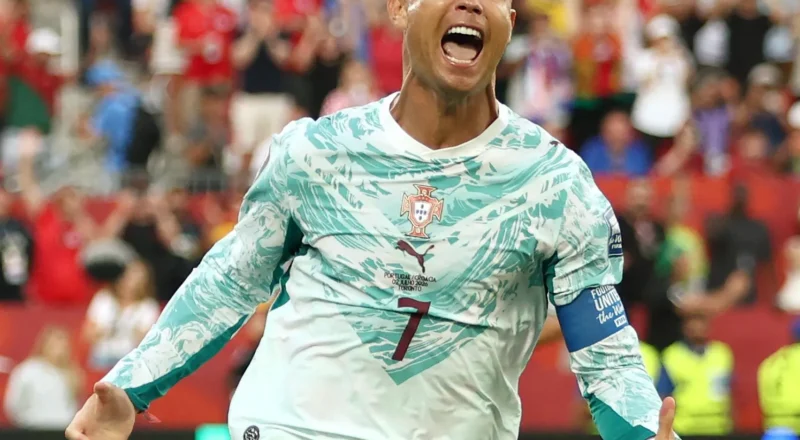
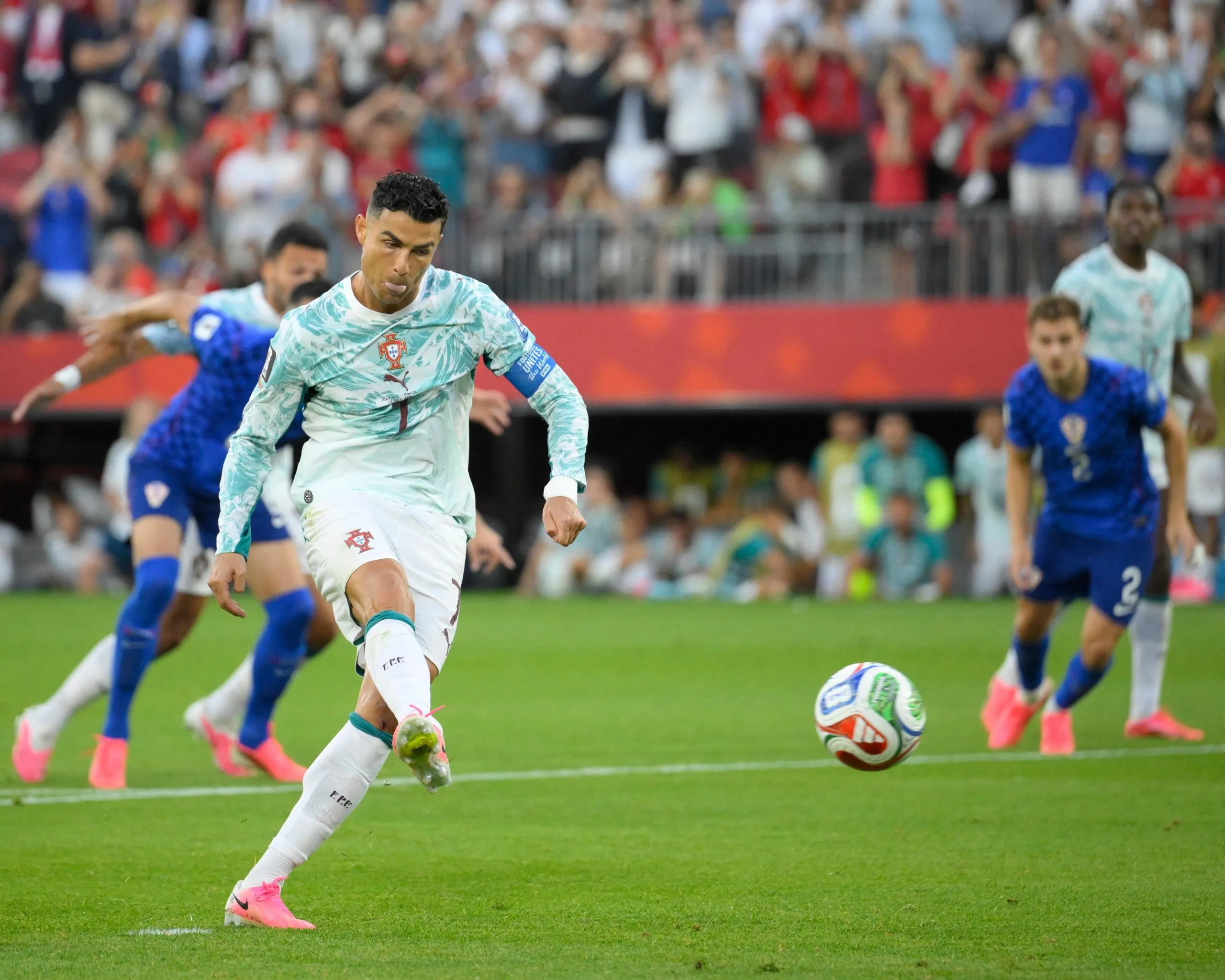
What unfolded next was the moment many fans, particularly Toronto’s Portuguese community, had anticipated. Ronaldo remained on the periphery until the penalty was confirmed, then confidently approached the spot. After performing his customary rituals, he struck the ball, sending Livakovic the wrong way and scoring. He celebrated in front of the roaring crowd, who responded with his signature chant of “siuuuuuu.”
Portugal had equalized, but the match’s dynamics had not changed significantly. Croatia continued to dominate and came close to scoring again multiple times after the hydration break. Mateo Kovacic attempted two long-range shots, both saved. Matanovic had a clever shot at the near post, which was also well defended. Sucic’s goal was again ruled out for offside. Meanwhile, Ronaldo was substituted for Rúben Neves, a notable decision that reflected Roberto Martínez’s assessment of the match’s flow.
This substitution proved effective. Portugal managed to tighten their defense against counterattacks and regained control of possession in the closing stages. The play frequently went through Leão, almost as if the team was urging him to deliver a decisive moment. He did, and the subsequent celebrations led the referee to add three extra minutes to the stoppage time. Croatia managed to score again during this extended period, but for the fourth time, Josko Gvardiol’s goal was disallowed for offside by VAR. An outpouring of plastic bottles rained onto the pitch in protest, but it had no bearing on the result.
- World Cup 2026
- Portugal
- Croatia
- World Cup
- Cristiano Ronaldo
- Video assistant referees (VARs)
- match reports