

Competing in a World Cup is a monumental experience; being part of the national team requires a complete dedication to the schedule, which includes the hotel, training facilities, and stadiums—essentially every aspect revolves around the matches.
Having experienced this routine during the 2022 World Cup, I came to understand the immense commitment the tournament demands. In this 2026 edition, however, as I continue to recover from my injury, I’m witnessing a different facet of the World Cup: one filled with reunions and numerous events taking place across various cities and countries, fostering conversations and memorable encounters.
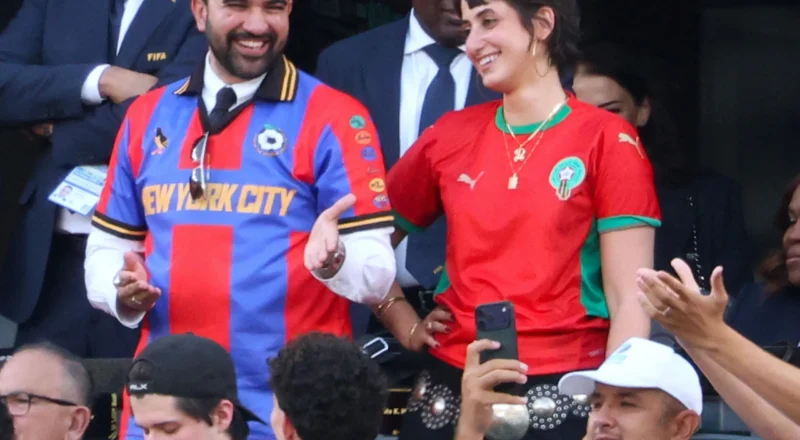
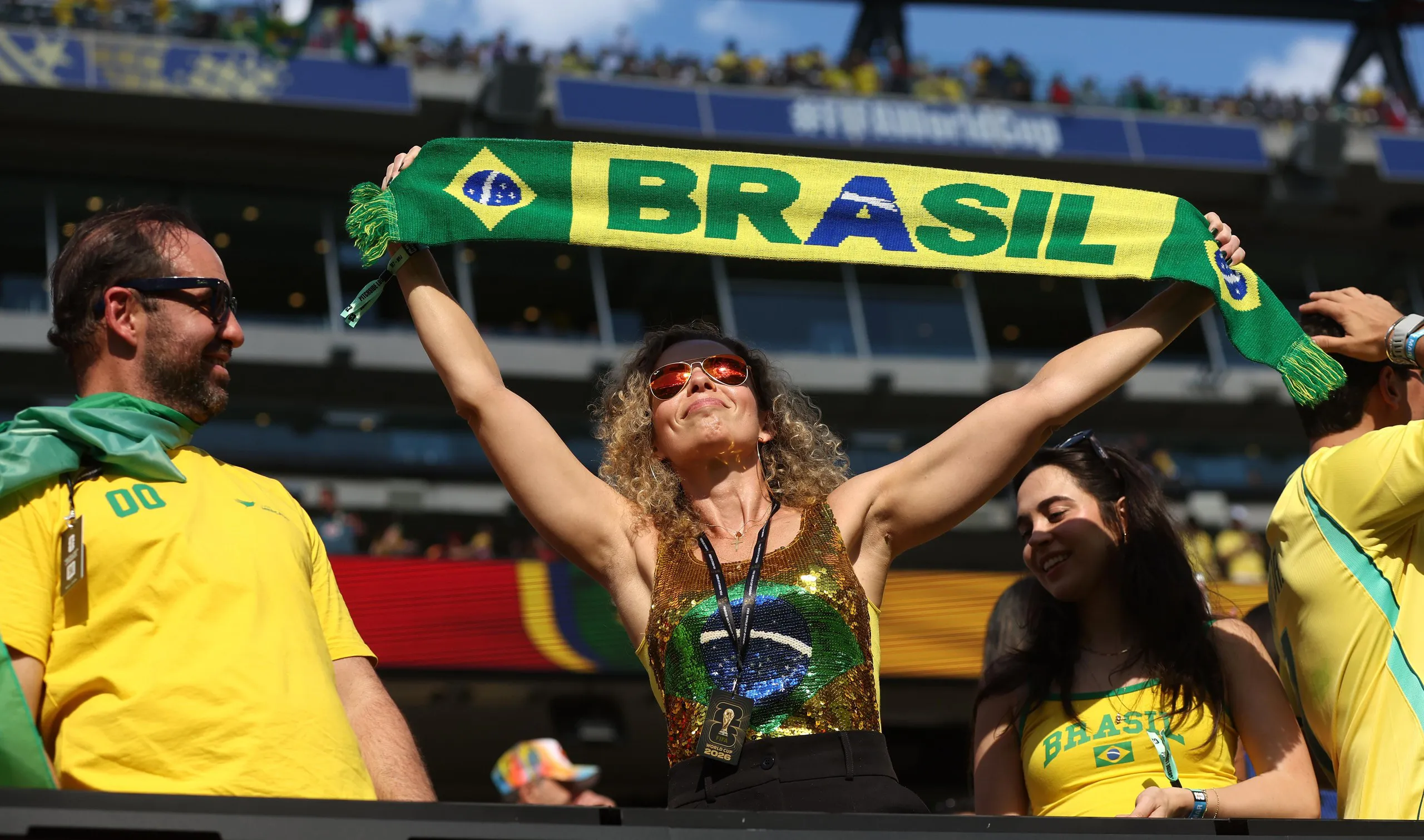
During two afternoons spent in New York, I encountered true legends, icons, and friends I have met through football. These were invaluable moments where I could listen, exchange ideas, and draw inspiration from stars like Marcelo, Kaká, Paul Pogba, and Zinedine Zidane. What began as a scheduled event for a shared sponsor transformed into a friendly chat among different generations united by their love for football. We stood among the fans, five representatives from Brazil and France, welcomed by hundreds of supporters from around the world, all hoping for a brief interaction, whether it be a photo or a wave. Indeed, I also have my idols; I managed to get an autographed shirt from Zidane, my former coach and a giant in the sport’s history.
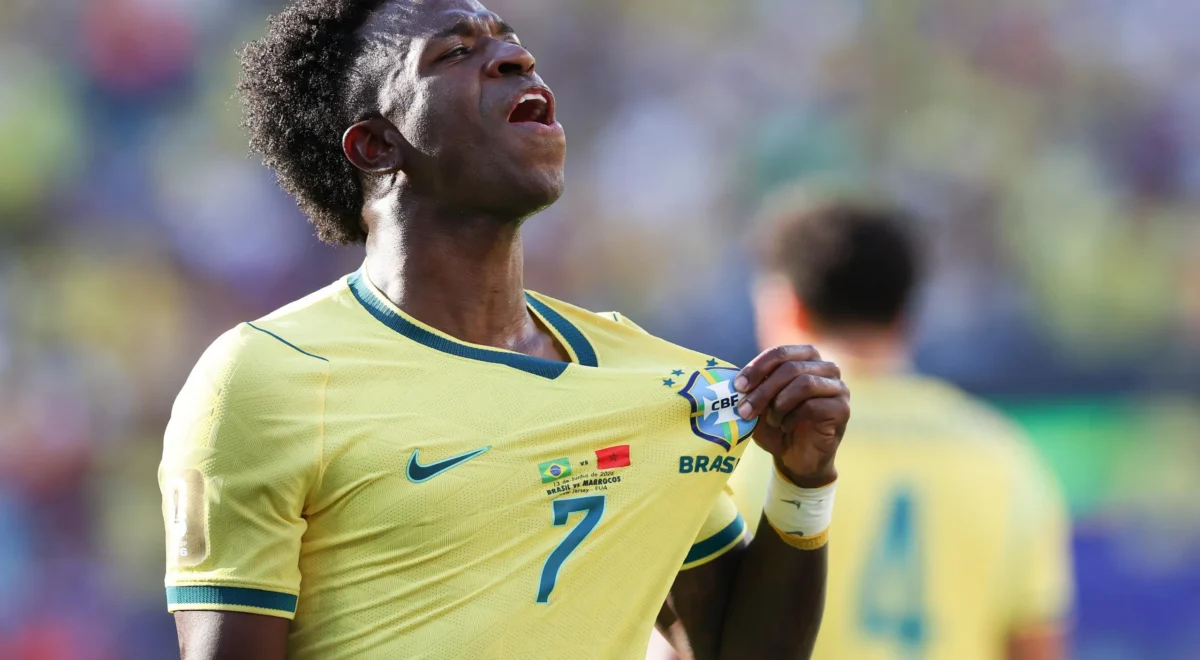
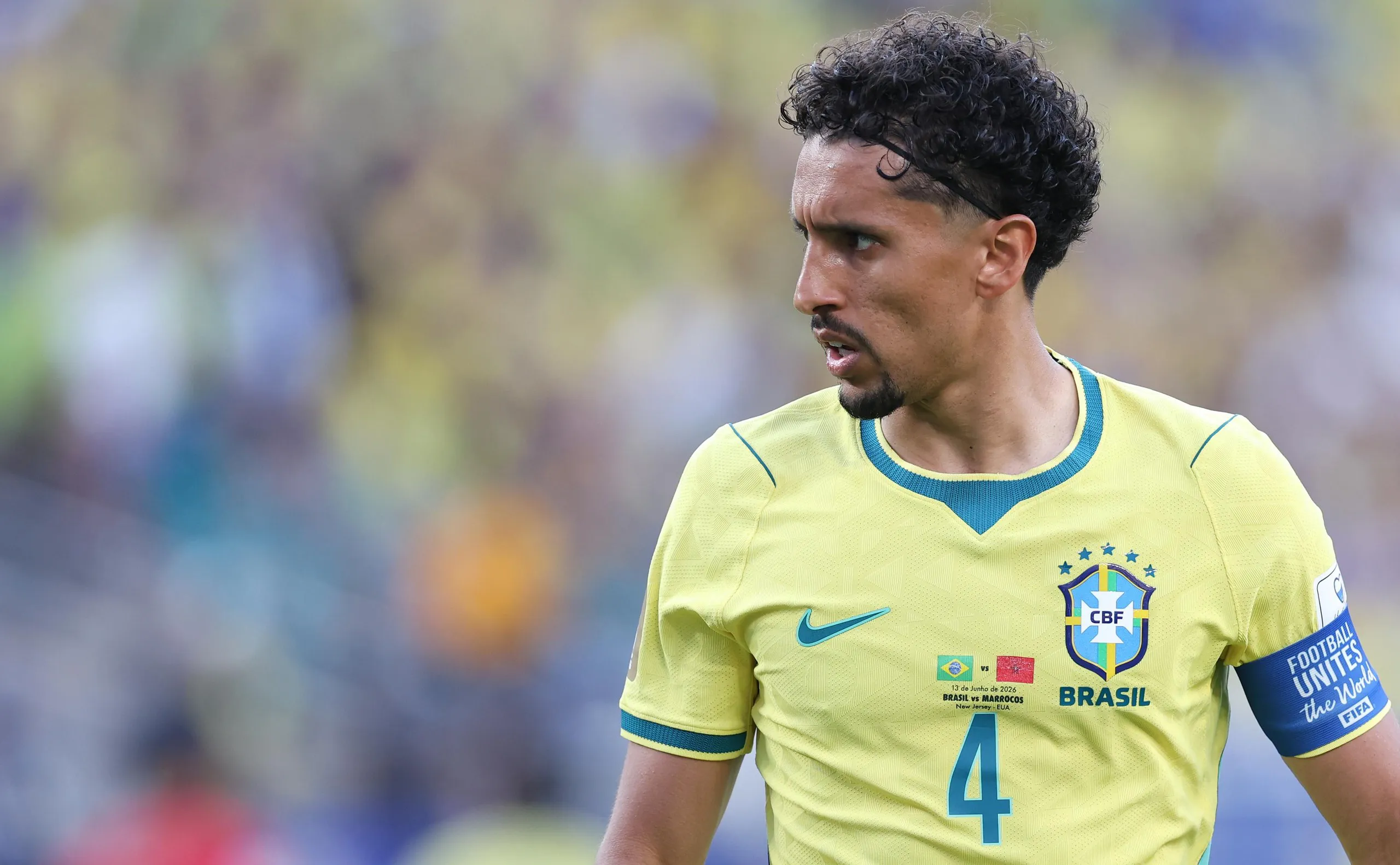
As we shared the space at the event near the Brooklyn Bridge, we discussed our past experiences, the exhilarating atmosphere that permeates the World Cup, and, naturally, the matches that had already unfolded. Everyone anticipates the best from the Brazilian national team, and in football, achieving “the best” equates to victory. However, it’s essential to remember that the opening draw against Morocco marked just the beginning; Brazil found itself trailing in that game, and securing a draw was crucial for the journey ahead.
The World Cup presents unique challenges that no other competition can match. Circumstances are in constant flux, and almost nothing is guaranteed. If the first match doesn’t go as expected, it doesn’t imply that the subsequent ones will follow suit. Similarly, a significant victory does not ensure an easier next match or consistent performance levels.
This tournament resembles a sprint-paced marathon, with stages that feel distinct, allowing for transformation throughout the journey. There are eight critical matches on the path to the title, and during the group stage, not every setback signifies elimination. A single team can exhibit various forms across the tournament, making the World Cup an unparalleled event.
When stepping onto the pitch for a World Cup match, our focus is singular: to deliver our best performance. We prepare extensively to arrive in optimal physical, technical, tactical, and mental condition. Each player is dedicated to representing the team and their country to the fullest.
Before and after the matches, opponents are colleagues and friends. However, once the whistle blows, every player concentrates on their role, striving to help the Seleção advance. While the outcome remains unpredictable, commitment and the right mentality ensure that nothing is left on the pitch.
Wearing the Brazil jersey comes with significant pressure, yet it also instills a positive sense of responsibility. This pressure exists because of the legacy of our football, the titles we’ve achieved, and our esteemed position in the sport. The sentiments of the fans often depend on the results, which is understandable in a nation accustomed to frequent victories.
As players, it’s important to recognize that a wave of criticism is not the end of the world, just as a flood of praise doesn’t guarantee success. It’s vital to differentiate between facts and well-rounded analysis from comments driven by raw emotion and frustration.
Players are not immune to the commentary circulating on social media. I advocate for employing a filter—a method of distinguishing what is relevant and deserves attention from what is merely hurtful and entirely disconnected from reality.
A World Cup player’s daily routine demands significant time and dedication. Nevertheless, players are also human beings who interact—whether online or in person—with friends, family, colleagues, and fellow athletes. As a result, social media commentary can easily reach them through various channels. Among these messages, there may be those intended to cause distress or anxiety. A football player is a human being who can be impacted by these images, videos, or comments—just like anyone else. Most players do not actively seek out these comments and typically have support teams to manage the filtering process.
However, the volume of interactions means some inevitably reach us. Ultimately, our focus needs to remain on performing well on the pitch. It is our responsibility to ensure that our on-field performance communicates the loudest.
- World Cup 2026
- Brazil
- World Cup
- comment