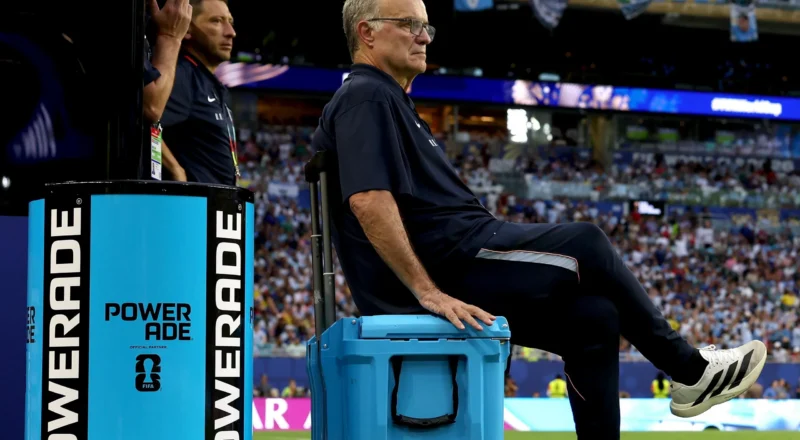


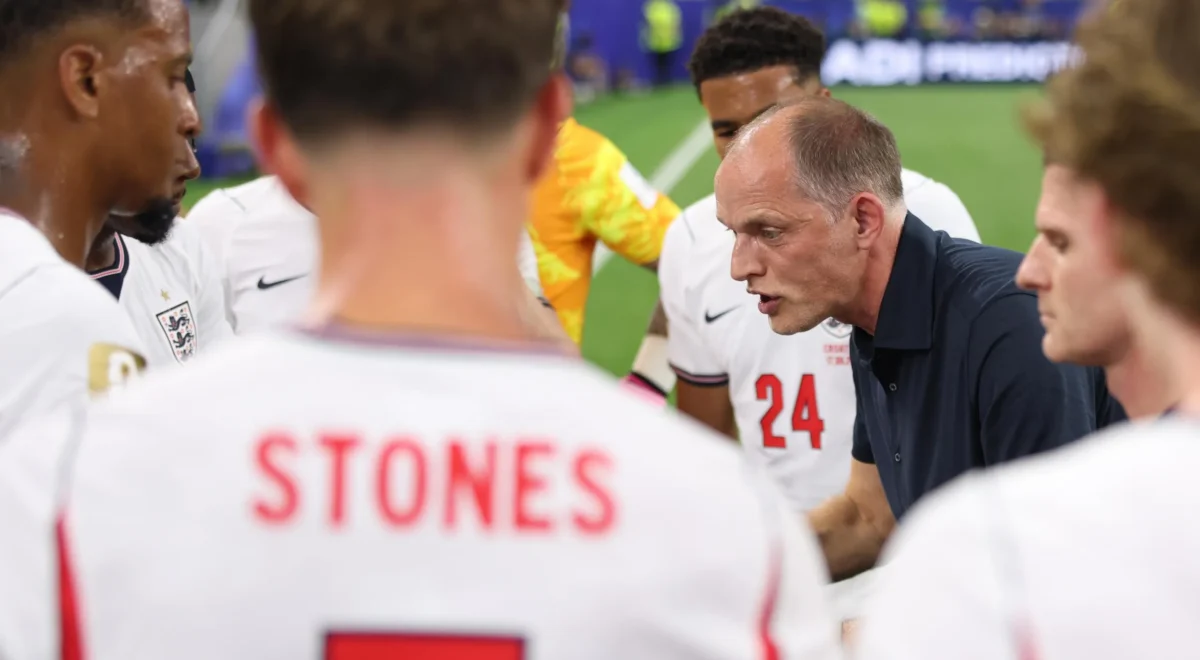
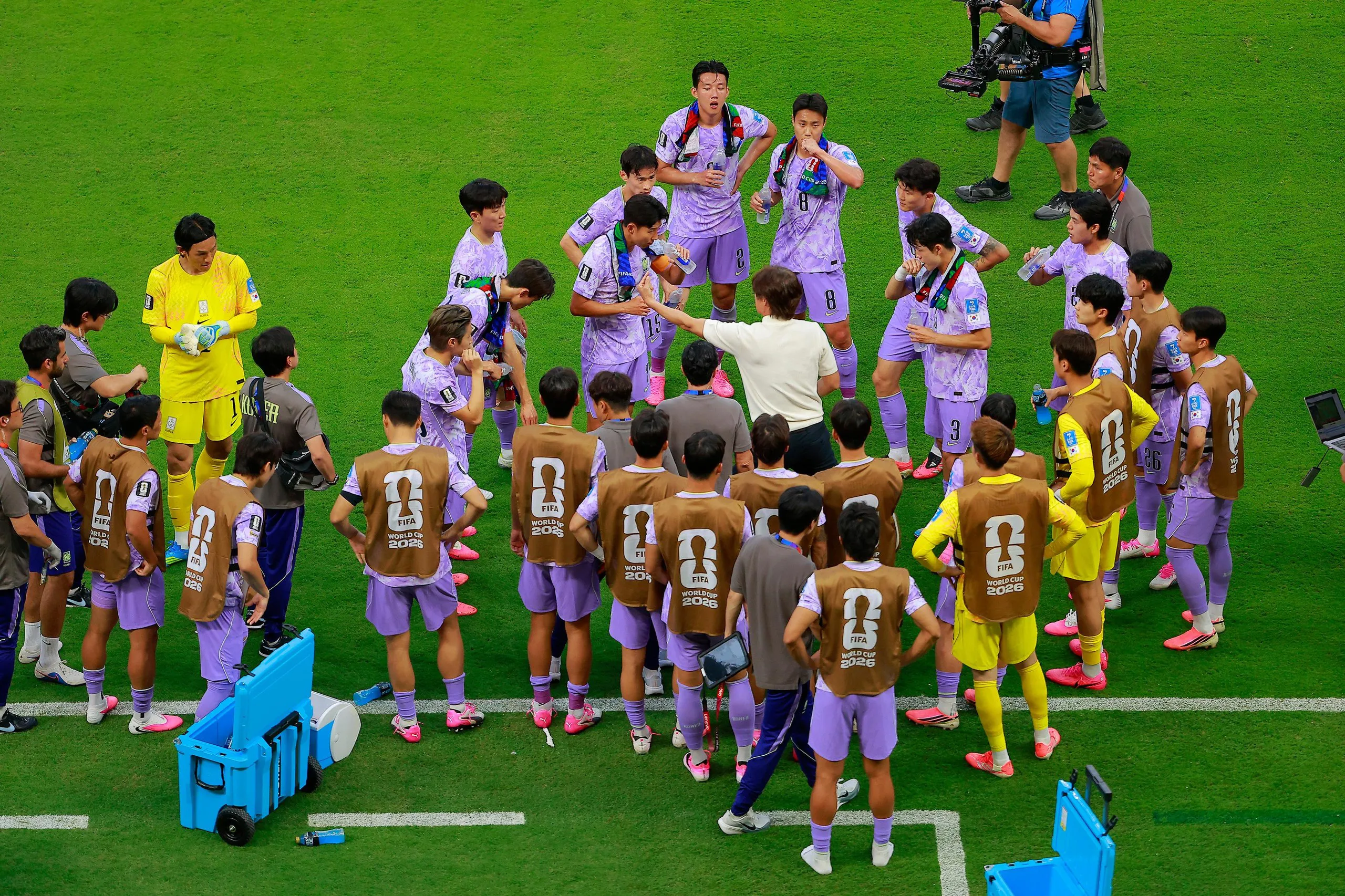
In American sports like the NFL and NBA, head coaches can significantly influence the game’s momentum during timeouts. Conversely, soccer players often need to navigate challenges independently without such interruptions.
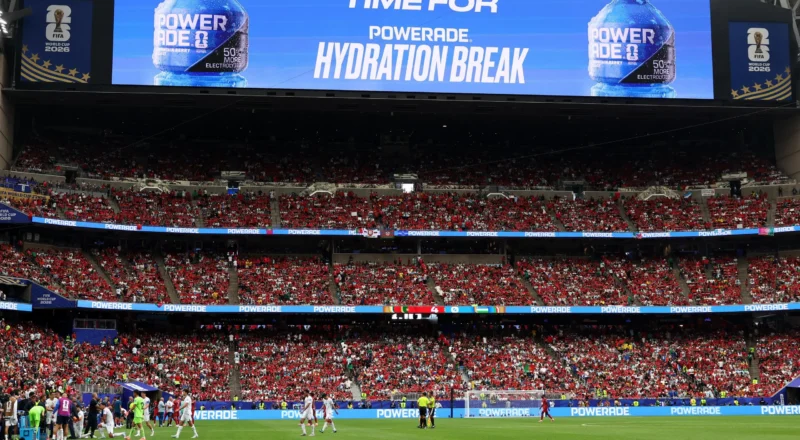
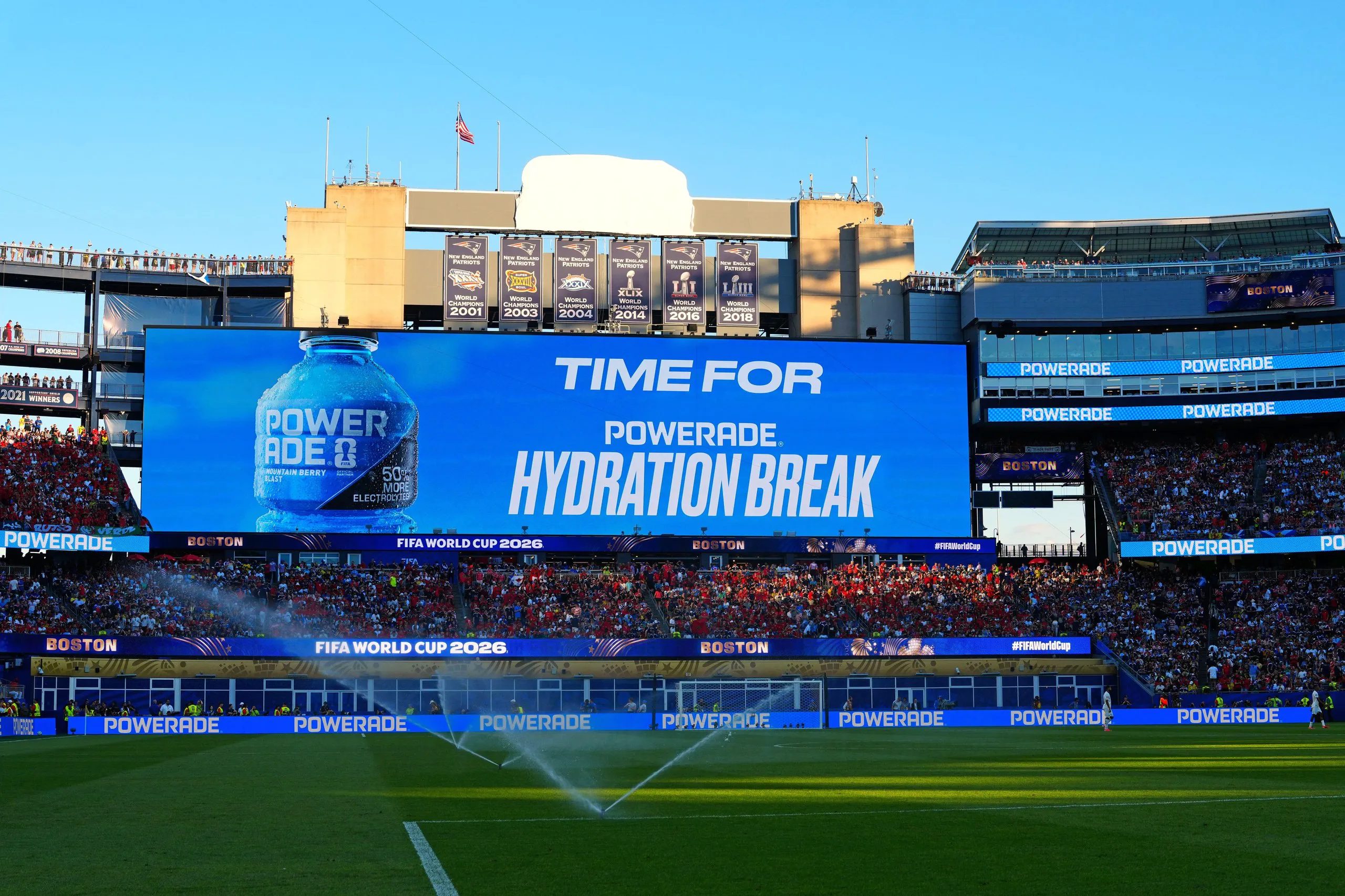
While I am not particularly fond of the hydration breaks introduced during this World Cup, their impact on coaching strategies is intriguing. The momentum shifts observed post-break imply that these pauses allow coaches to make tactical adjustments that can benefit their teams.
Transforming the game into segments feels like an inevitable trend, and I hope this doesn’t become a permanent fixture. I am not a fan of it, but I recognize the necessity of such breaks for health reasons, especially in hot conditions. From FIFA’s perspective, limiting drink breaks to certain locations could be seen as providing an unfair advantage, which is why they are implemented universally. It’s a matter of consistency—either you have VAR everywhere or you don’t.
The decision to have hydration breaks at every venue makes sense for fairness. This setup undeniably assists coaches. Ronald Koeman, coach of the Netherlands, remarked, “We’ll only have VAR in some of the stadiums, not all.” It’s clear that all coaches will find ways to leverage these breaks.
I share Arsène Wenger’s desire to see more continuous play. Quicker goal kicks and throw-ins can help maintain game flow, and I appreciate some of the new regulations aimed at increasing active playtime. Currently, the average ball-in-play time has decreased by around 40 seconds from last year, registering at 57 minutes and 22 seconds. However, if we exclude the time spent on hydration breaks, the percentage of ball-in-play has actually improved.
Viewers at home often have varying levels of familiarity with the game. While some are well-versed, others may only tune in during the World Cup, so I strive to present information in an accessible way.
The efficiency of VAR has also been notable this tournament; decisions are being made swiftly, avoiding the disruptions we have seen in previous tournaments. Changes that address critical moments, such as mistaken identities or corner decisions, have been positively received.
Moreover, the new regulations limiting teams from sharing tactical information while a goalkeeper is being treated are a positive shift, even if information can still reach players from a distance. There’s ongoing work needed in these areas to enhance the game, but overall, there have been strides in the right direction.
The most significant modification compared to 2022 is the expansion from 32 to 48 teams. This increase often raises concerns about quality dilution, yet the opposite seems true. Nations like Cape Verde and DR Congo have performed admirably, demonstrating that opportunities foster competition, which is essential for development and improvement. This is beneficial for the sport’s global growth.
I was particularly impressed with Cape Verde’s performance in their draw against Spain. Their bravery, both defensively and offensively, was striking. As Ange Postecoglou noted on ITV, Cape Verde exhibited an active approach rather than a passive one. They consistently sought possession, pushed forward, and created scoring opportunities. Even when chances were limited, their coaching was evident, and their goalkeeper stood out with a heroic performance.
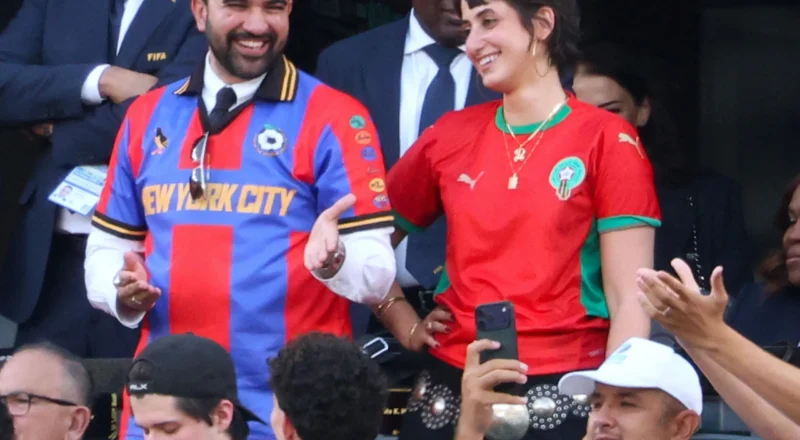
The outstanding quality of the stadiums and the enthusiastic fan presence have contributed to an extraordinary atmosphere. The sense of unity that only the World Cup can bring is palpable, especially in cities like New York, where jerseys from various teams are proudly worn. Unlike in 1994, you no longer have to ask to have the match put on; the games are already being broadcast everywhere.
The current environment better supports the growth of soccer in the U.S. compared to 1994, and this excitement is increasingly noticeable. While one might expect a strong football culture only in traditional nations, witnessing this enthusiasm across the United States has been a truly remarkable experience.
- World Cup 2026
- World Cup
- Emma Hayes
- comment