

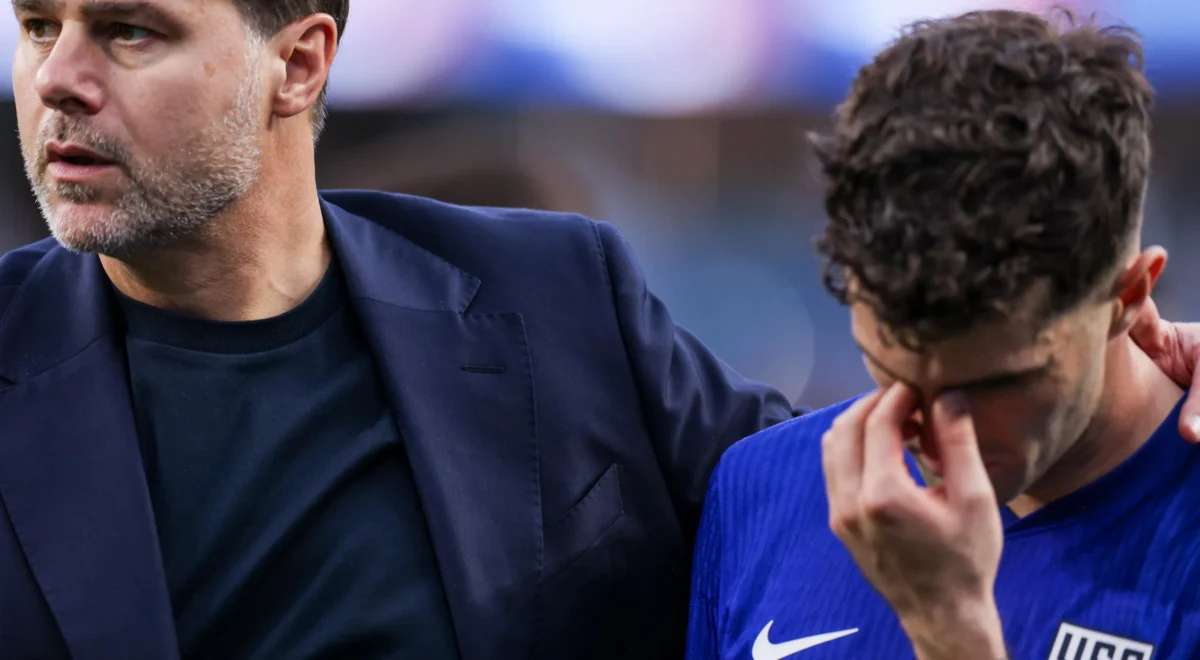
For Mauricio Pochettino, emotions surged as he watched his US team fall to Mexico in the final of the 2025 Gold Cup, a match that not only crowned a regional champion but also intensified the rivalry between the two nations. Tears brimmed in his eyes, a testament to his sadness and empathy for players who had just battled fiercely in front of a hostile audience in Houston.
This crowd, fervently supporting their rivals, starkly contrasted with Pochettino’s prior experiences in soccer, where such scenes would have seemed unfathomable. It served as a humbling reminder of the hurdles his team must overcome as they gear up for an impending World Cup, illustrating the challenges they face within the framework of American sports culture.
“Being honest, maybe we didn’t feel or see [how] difficult the process [would be] … We were so naive,” Pochettino remarked. “We misjudged the situation. It was worse than we really believed. … When we arrived here, we received a big bang, punch, and we were knocked out for a while. We said: ‘What the fuck?’”
The “You remember the game, Panama? It was the Mexican people [in the stands] because they played after us.” he alluded to came months before the Gold Cup setback, marking the start of a sequence of challenges that have ultimately shaped the direction of this US team. Despite these obstacles, these experiences have driven them forward, resulting in promising performances at the 2026 World Cup, where they have rapidly established themselves as one of the standout teams.
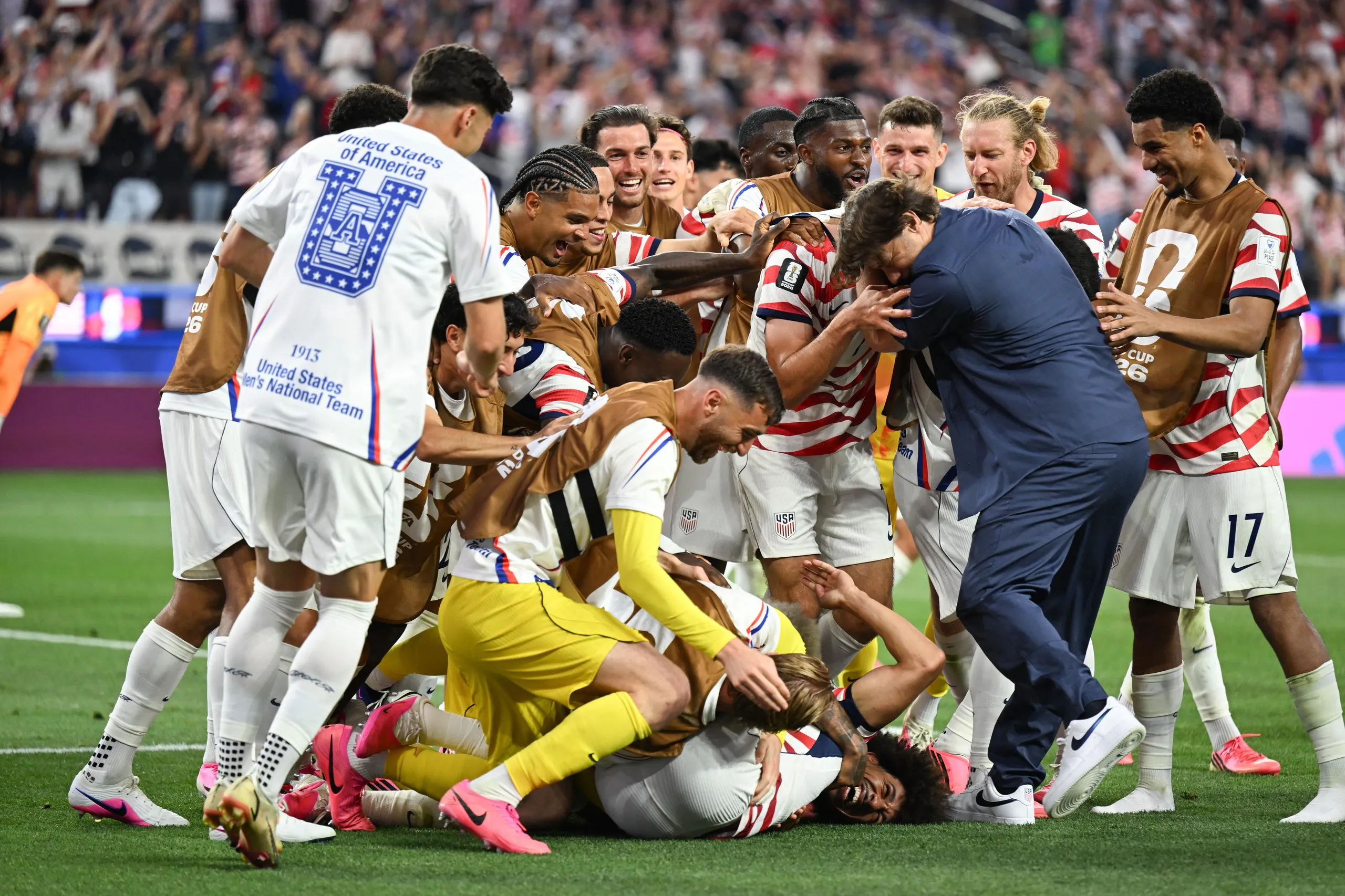
With two victories and an impressive 6-1 aggregate score, the US has claimed the top spot in their group, which may allow them to play a World Cup match without the burden of pressure. The backing from home supporters has been tremendous, with both players and Pochettino attributing this enthusiasm as a crucial factor in their achievements.
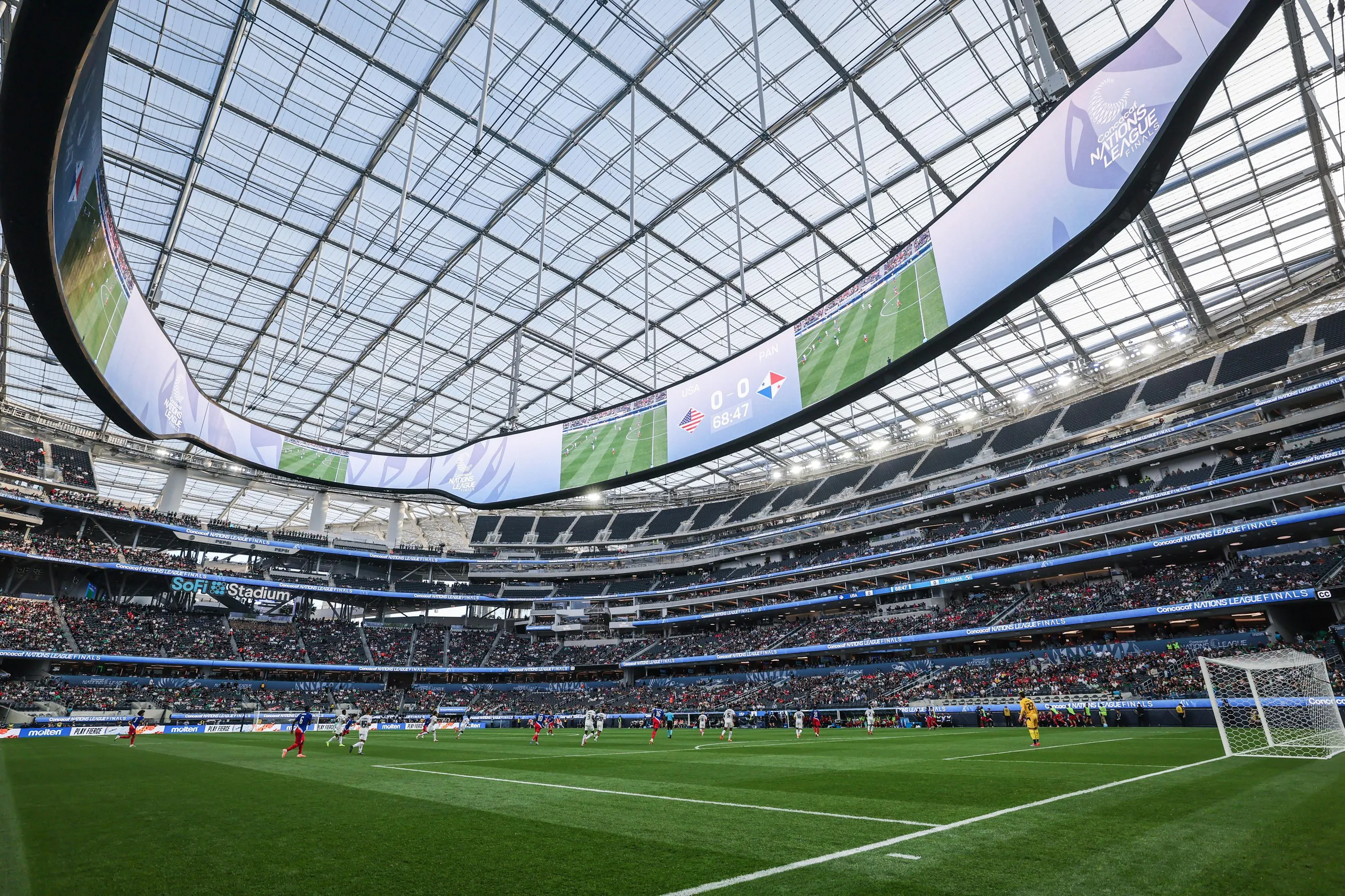
In March 2025, the US was anticipated to easily progress past Panama in the Concacaf Nations League semi-final before facing either Mexico or Canada in the final. Having previously triumphed in the competition three times since its inception, the team was confident, yet they were ultimately let down.
Confronting a passionate and well-structured Panama, the US struggled to generate meaningful threats. Their difficulties were compounded by a lack of crowd support, as the stands were largely vacant, which was a stark contrast to what they had expected. “That was [a] good crash, no?” Pochettino recalled. “And it was good to see. … When people say, ‘Yeah, but you have bad results.’ Yeah, yeah: bad results. No worries. We know what we are going to do. When we detect all the problems, we go for the solution. And we knew that the solution would arrive.”
Traditionally, the US has maintained a strong record against Panama, with a 17-4-2 tally as of mid-2021. However, Panama seized on a momentary lapse in US concentration to secure a victory, marking their fourth win in the last six matches.
“Keep improving, but please don’t change,” Pochettino commented. “We were in Columbus watching Ohio State against Texas,”
Pochettino pinpointed a crucial issue: the team’s culture had become complacent. When Christian Pulisic requested to miss the Gold Cup to prepare for upcoming friendlies, Pochettino insisted on having a unified squad from the start of camp throughout the tournament, mirroring his approach for the World Cup roster.
This decision ignited a back-and-forth between Pochettino and Pulisic, with lackluster performances in the friendlies adding to the pressure. Pochettino’s message was unmistakable: commit fully or watch from the sidelines.
The Gold Cup also highlighted emerging talents who would later become vital to the squad. Malik Tillman emerged as a prominent playmaker, while Matt Freese excelled in goal, even outperforming the renowned Keylor Navas in a shootout. Alex Freeman rose as an essential young player, and Sebastian Berhalter found his niche in Pochettino’s midfield.
Pochettino also adapted his approach. International tournaments resemble club football more than the sporadic nature of friendlies, enabling him to work closely with a consistent squad. This facilitated a more effective refinement of his tactics and enhancement of the players’ skills.
Even as he battled back tears following the Gold Cup defeat, Pochettino praised his players for their resilience, which he deemed vital for realizing their World Cup aspirations.
“There were 70,000 fans there. And my question was, you know, why not? If the fans are very passionate, why not with us, with soccer? Because if [the support is] with us, they will be and show the same passion. It’s massive. It’s so powerful for the player.” he urged his team in the locker room, reflecting on the daunting atmosphere they faced.
“I feel like we’ve always bought in,” he said, referring to a college football game from August 30, 2025. “but I really feel like the March camp that we had was really important. … I think we really gave, you know, two really good teams in Europe a really strong game.”
A new mantra emerged: “Belgium and Portugal have, in the top 100 players, [a] few or some players in that top 100. I think we don’t have [any].” This philosophy coincided with a transformation in playing style. With Pulisic and other key players returning in September, Pochettino introduced a dynamic formation designed to unsettle opponents through swift movement and strategic ball distribution.
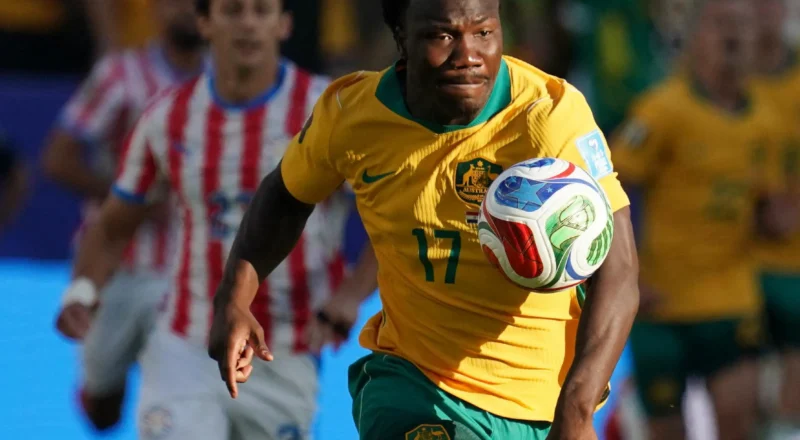
The results were clear: the team achieved a 2-0 victory over Japan in September, followed by a draw with Ecuador and a win against Australia in October. The November window saw them triumph over Paraguay and dominate Uruguay with a 5-1 victory, concluding 2025 on a high note.
However, the team encountered another hard lesson in March, facing two defeats that left them questioning their capabilities. The defense faltered against formidable opponents, and Pulisic endured a goal drought, even starting a match at center-forward against Portugal with minimal impact.
“That is good for us. It’s going to measure our level.” Chris Richards stated. “It’s not going to be figured out overnight, it’s not going to be figured out in one camp, or sometimes in six months, or 12 months, maybe not as fast as everybody wanted to,”
Pochettino remained hopeful, yet acknowledged the challenge ahead.
“I think we’re showcasing that it’s a process.”
Despite the prevailing sense of pessimism, Pochettino remained resolute. This was the reality USMNT fans had come to expect: a team capable of remarkable performances yet vulnerable to disappointing setbacks. Would the decision to schedule friendlies against Senegal and Germany before the World Cup prove to be unwise?
“No,” Pochettino replied. “That is good for us. It’s going to measure our level.”
A narrow 3-2 victory over Senegal and a subsequent 2-1 loss to Germany suggested that his team was finding its rhythm just in time. The momentum continued with a commanding 4-1 victory over Paraguay and a 2-0 win against Australia, leading to a final match against Turkey, where the US had already secured top position in Group D.
Only four teams in this World Cup won their groups after just two games, with Argentina and Germany among them, alongside Mexico, known for its fervent support. Pochettino’s US team is now part of this elite group.
“It’s not going to be figured out overnight, it’s not going to be figured out in one camp, or sometimes in six months, or 12 months, maybe not as fast as everybody wanted to,” defender Mark McKenzie noted. “I think we’re showcasing that it’s a process.”
- USA
- US sports
- World Cup 2026
- World Cup
- Mauricio Pochettino
- features