

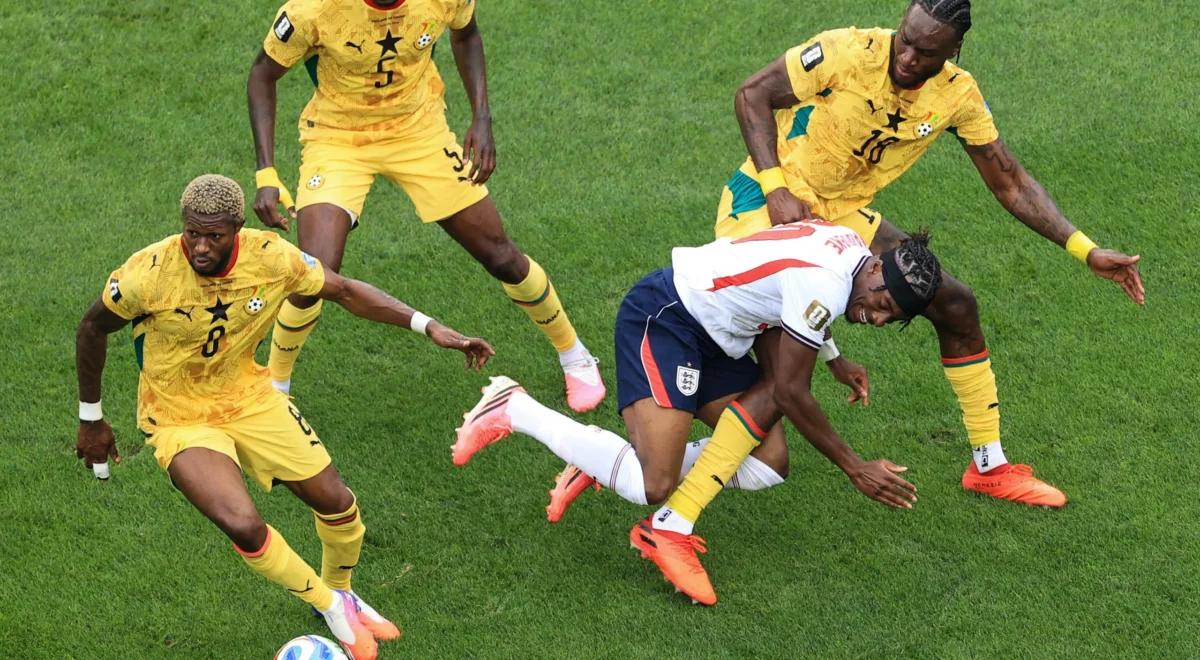
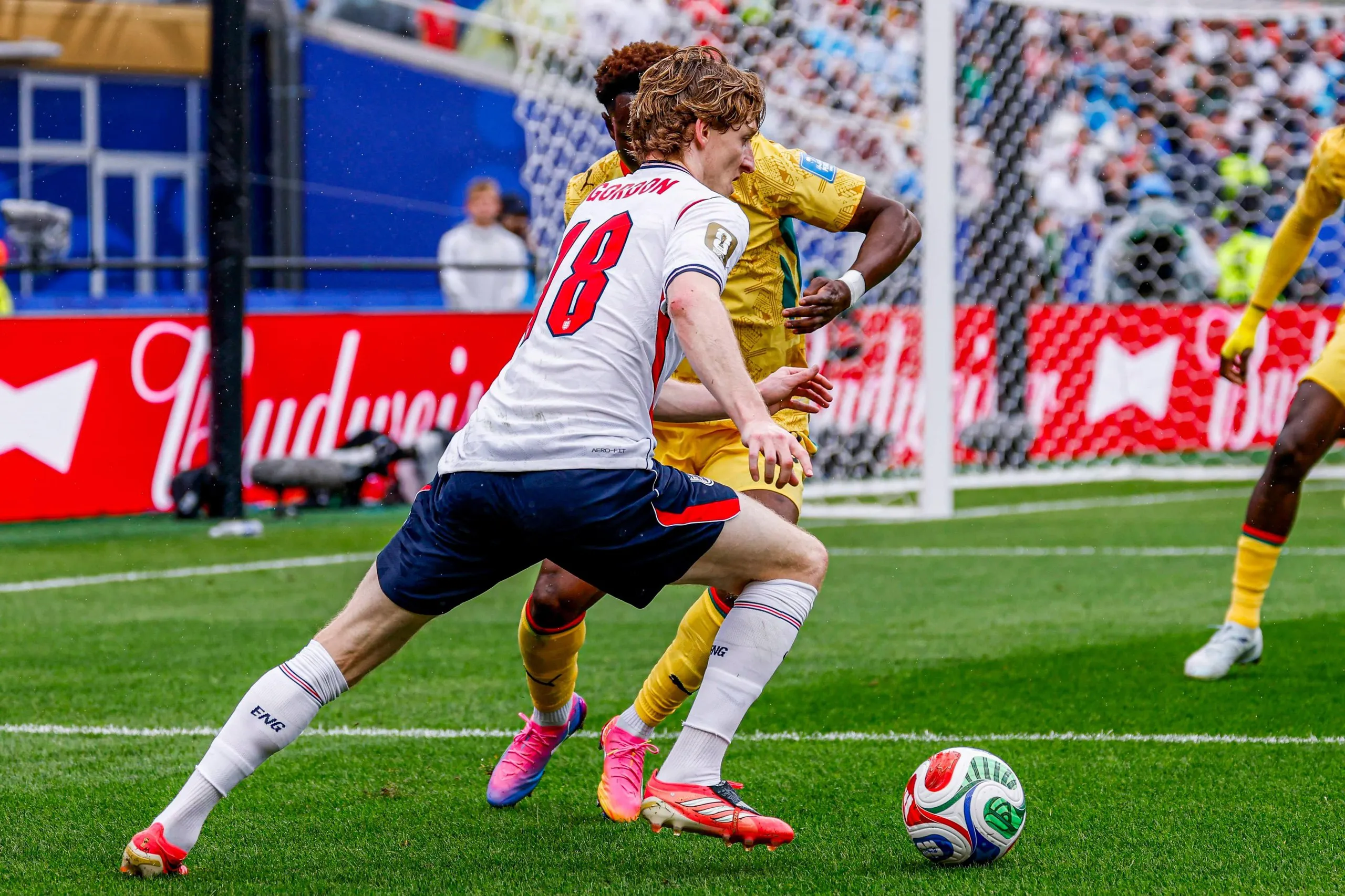
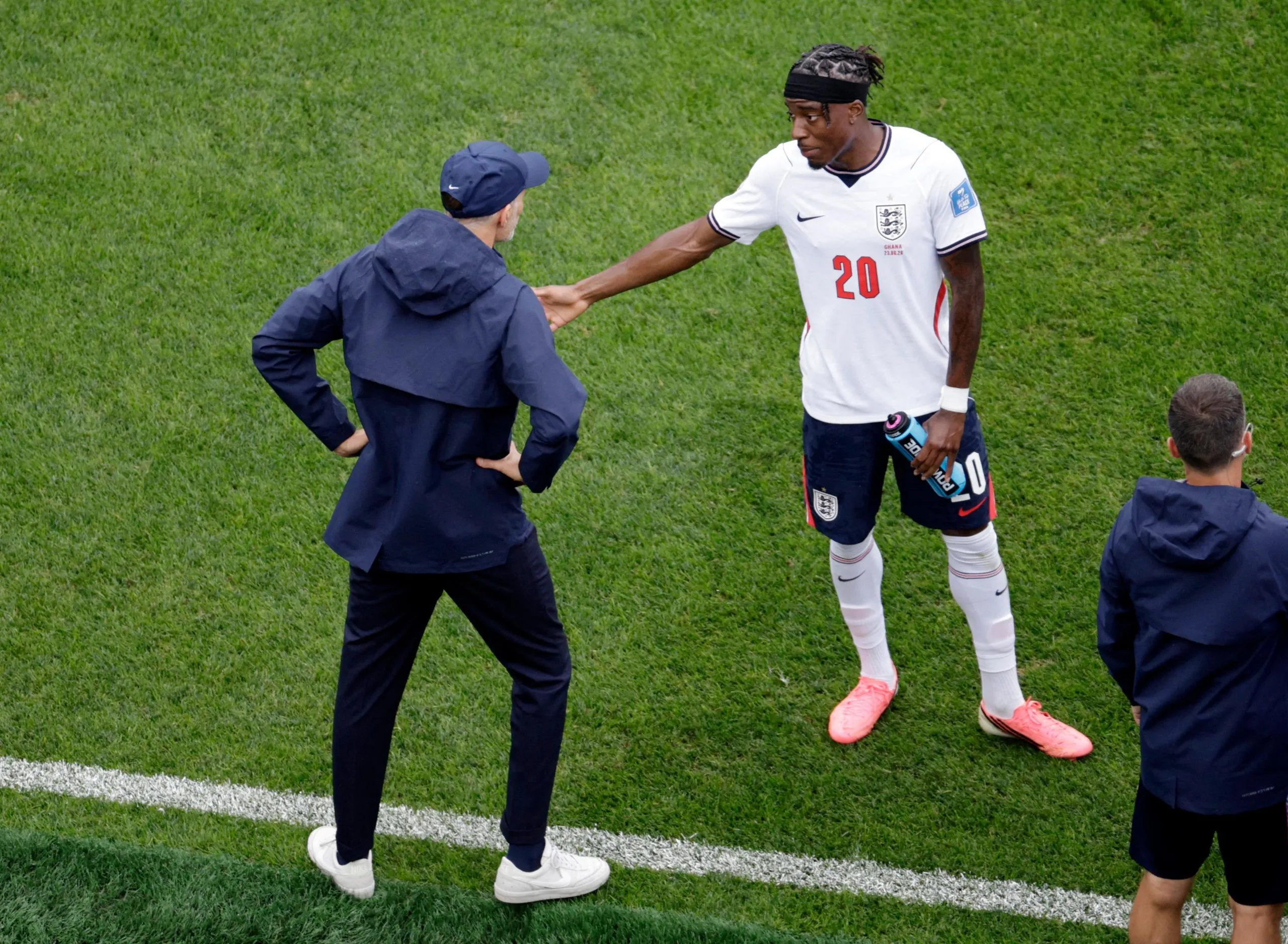
Following an exhilarating first half, England faced a sobering reality in their match against Ghana. The vibrant energy that had surged through the team faded as the game wore on. What started as a promising display of creativity ended up feeling like a draining experience, leaving fans disheartened.
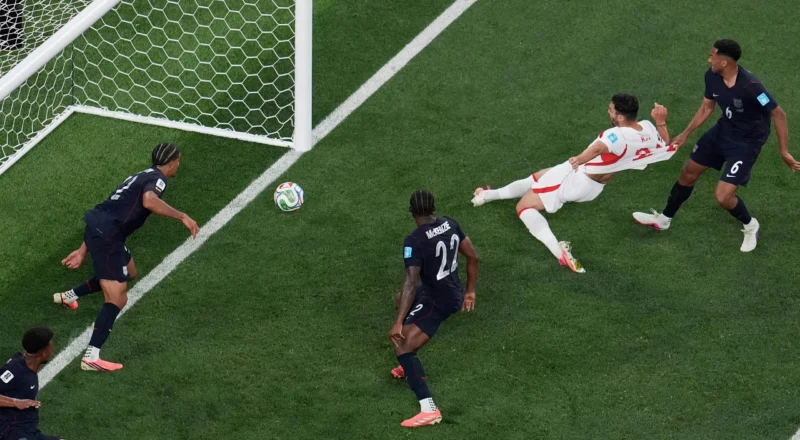
As the clock ticked down to 86 minutes, England finally found a glimmer of opportunity. A patch of open space emerged amidst Ghana’s tightly packed defense. Reece James delivered a precise right-footed cross to Nico O’Reilly, whose header struck the crossbar. The ball fell to Harry Kane, who had a clear shot at the goal. For a moment, it seemed as if time stood still.
Kane, envisioning his childhood dreams of scoring in such an iconic stadium, sent his shot soaring well over the bar, the ball bouncing away into the distance. The game ended in a 0-0 stalemate, a result that, while not devastating, highlighted the limitations of England’s attacking options. Ghana, under the tactical direction of Carlos Queiroz, executed a suffocating defensive strategy that stifled England’s forwards.
Despite an energetic start, where England dominated possession and appeared to be in control, the team struggled to maintain that momentum. Initially, they showcased some creativity, but as the match progressed, their attacking threat diminished. Questions arise about the effectiveness of wingers Anthony Gordon and Noni Madueke, who seemed to lack versatility and adaptability in their play.
While England boasts a wealth of talent, the two wingers combined have only four goals in 34 appearances for the national team. This raises concerns about their selection; neither player made a compelling case for inclusion in the squad. Speculation about other players not present, such as Cole Palmer and Phil Foden, may linger, but their absence did not alter the fact that those on the pitch failed to deliver.
Creativity in football is not solely derived from individual brilliance; it thrives on teamwork and fluid movement. For England to succeed, they must enhance their attacking approach, bringing more dynamism and unpredictability to their game. Winning teams often find ways to surprise their opponents.
The atmosphere in Foxborough was damp and chilly, reminiscent of a quaint New England setting. England fans, adorned in shorts and ponchos, proudly displayed their banners, representing various cities from across the nation.
The stadium, home to the New England Patriots, boasts an open-air design that feels expansive and inviting. It created a striking backdrop for the match, with its unique architectural features contributing to a festive pre-game atmosphere.
England started strong, maintaining possession for the initial three minutes, but soon fell into a predictable pattern. Madueke’s reluctance to utilize his right foot led to missed opportunities, as he often retreated instead of pushing forward into space. Questions arise as to why a player of his caliber would refrain from attempting to cross the ball.
By the 14-minute mark, England had dominated possession with 86% and completed 138 passes compared to Ghana’s 13. Ghana’s defensive setup resembled a thick, impenetrable wall, frustrating England at every turn. Their approach stifled England’s forwards, as the inverted wingers struggled to find the necessary space to operate effectively.
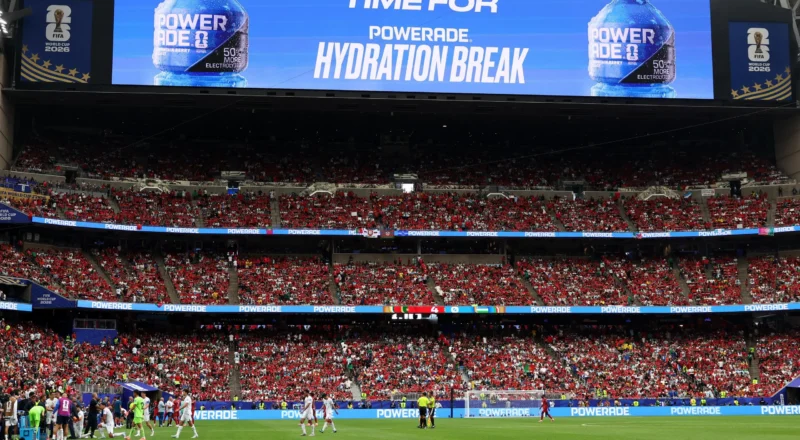
The first half, marred by two hydration breaks, was devoid of excitement, with Ghana adopting a passive style of play. England, however, failed to capitalize on this passivity, lacking the necessary urgency to break through.
As the game progressed, Tuchel brought on Bukayo Saka, an obvious upgrade to England’s attack. Despite the draw, England must learn from this match and identify strategies to enhance their performance in future games. They have gained valuable insights into what needs improvement as they prepare for the challenges ahead.
- England
- World Cup 2026
- World Cup
- analysis