

Kai Havertz recalls the whirlwind of emotions he experienced in Budapest just over three weeks ago. Arsenal’s defeat in the Champions League final came in heart-wrenching fashion, yet there was no choice but to lift his spirits. The team was scheduled to embark on a bus tour through Islington for the Premier League trophy parade at 2 PM the next day. Was this really the right moment to bask in the admiration of countless fans?
“To be honest, it was tough,” admits Havertz, whose early goal against Paris Saint-Germain appeared to be a potential match-winner for almost an hour. “After the match, I initially thought we would call the whole thing off. By the next morning, things looked different.”
The vibrant celebration reflected the joy and emotional release associated with the north London parade. “We had a huge season behind us,” Havertz explains. “The club had gone 22 years without a league title so that had to be celebrated properly with the fans. I have to say I’ve never experienced anything like it. So many people on the streets, so many supporting us. It ranks among my top three experiences as a professional.” Now, he faces the exciting prospect of adding to that list.
Havertz is currently at Germany’s World Cup training base in Winston, North Carolina, where a sense of optimism is palpable. For one, Germany has shed the burden of previous failures, having already secured top spot in Group E after disappointing group stage exits in 2018 and 2022.
In the latter of those exits, Havertz scored twice against Costa Rica despite the team still being eliminated. “Qatar was anything but successful for us as a team and for me personally,” he reflects. “There’s a different energy in our squad now. I was quickly convinced that things would go better this year. We knew we had a duty not to fail early on again. We are Germany. But now the tournament is really just beginning.”
No one is throwing celebrations at the Graylyn Estate, the impressive castle-like venue where Julian Nagelsmann’s team is stationed, following a dominant win over the lower-ranked Curaçao and a late victory against Côte d’Ivoire. However, Germany managed a remarkable 42 shots across those two matches, and Havertz believes the joy of playing has returned. “We radiate a real joy in playing,” he states. “We move a lot, play offensively and create scoring chances. And we bounce back after conceding goals.”
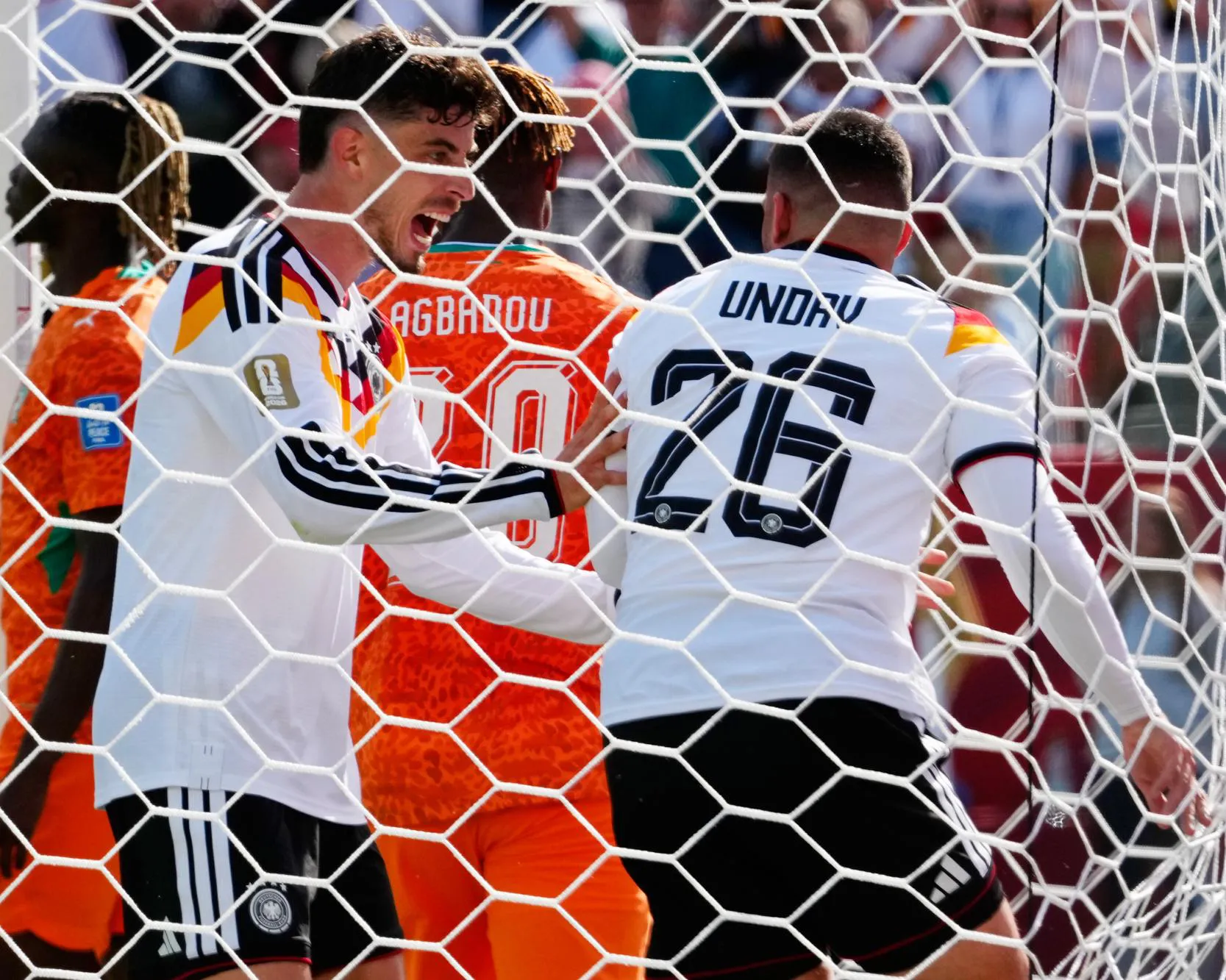
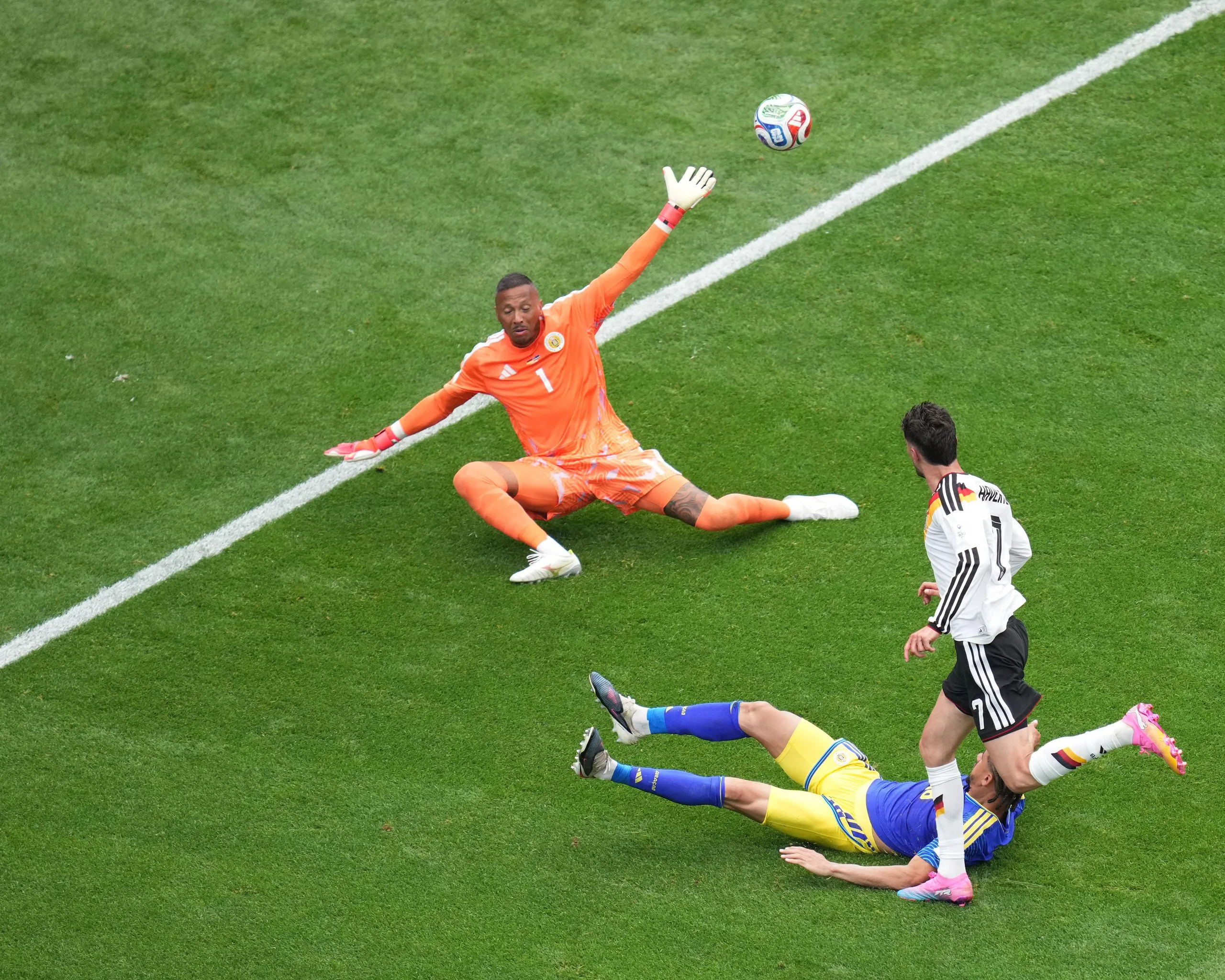
Havertz scored two goals against Curaçao: one from the penalty spot and another with a deft late finish, maintaining a strong scoring rate with the national team. The 27-year-old has netted 24 goals in 60 appearances and has solidified his role as Nagelsmann’s first-choice center-forward, even though substitute Deniz Undav’s brace turned the Côte d’Ivoire match around. Some have called for Undav to start against Ecuador on Thursday, reflecting a common theme in Havertz’s career: his talents often go unnoticed back home.
“Probably because I don’t play in the Bundesliga,” he observes. “It was the same at times with Toni Kroos and Ilkay Gündogan, who were abroad for years. It is often said about me: ‘Havertz didn’t score again, he’s useless!’. And when I do score, they say: “Well, he’s supposed to, it’s about time!”
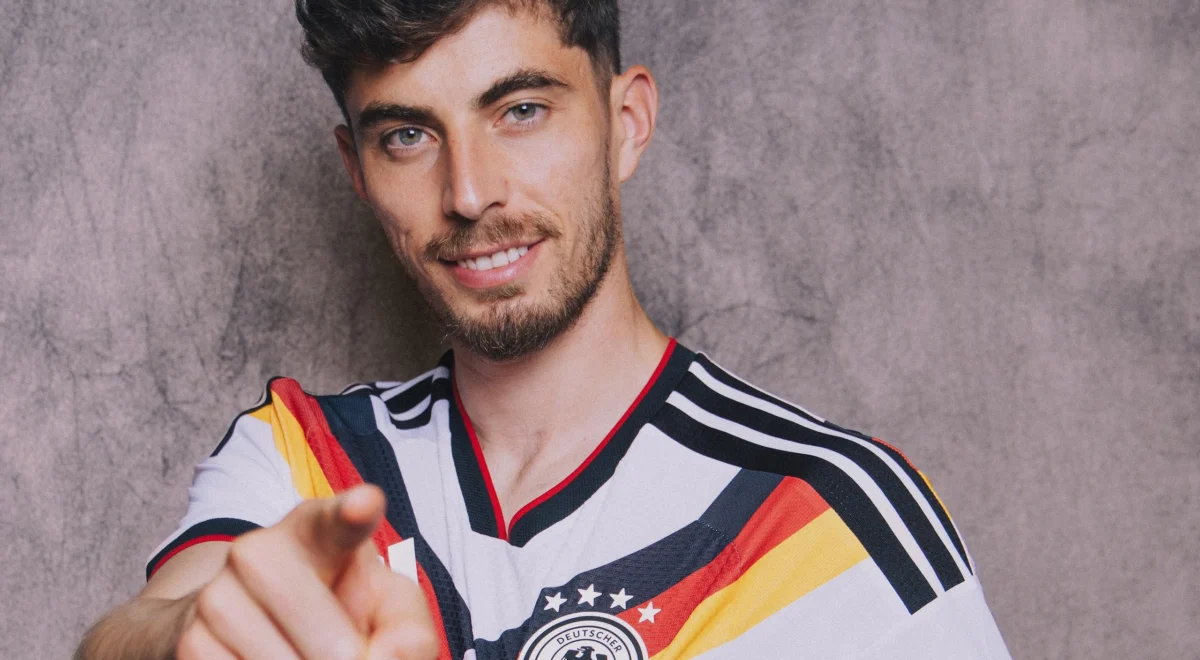
Havertz’s style tends toward the unconventional. He is a distinctive player, combining movement, tactical insight, and timing, with a quiet ruthlessness that contrasts with more bombastic styles. “Defenders should never know where I am, where I’m going, what I’m planning, or where I’ll be at any given moment,” he shares during an interview arranged in collaboration with Die Zeit. “That’s the worst for them. I try to be like a ghost to defenders.”
His selflessness makes him a coach’s dream. Mikel Arteta, in particular, often praises Havertz. “I can’t just wait around in the penalty area, I need to be involved,” he explains. “I also make runs which I know sometimes look pointless, but I’m creating space for the players coming up behind me.”
Havertz’s versatility has been a significant asset throughout his career. He began as a winger and primarily played in midfield until Peter Bosz utilized him as a forward at Bayer Leverkusen. There was even a friendly match in 2023 where Nagelsmann placed him at left-back, showcasing his adaptability when he scored just five minutes in. “If he were to ask me to do it again, I would,” he asserts.
His unpretentious demeanor can sometimes be misunderstood as indifference, but Havertz is simply focused on his responsibilities. “I’m aware of the debates that I’m too laid back or my body language is wrong,” he admits. “That always comes up when I’m not playing well. But I’m not the sort of person who dwells on it too much. It used to be different. I don’t brood on things any more..” However, he acknowledges feeling nerves at times. “I know it doesn’t show from the outside, but I feel it,” he confesses. “Before a Champions League final, or at a World Cup. Or before penalties. I need that tension to stay focused.”
Instinct may be pivotal in securing Germany’s first World Cup title since 2014. This potential cannot be overlooked, despite a buildup filled with uncertainties and the looming challenge of a last-16 clash with France. Havertz is fit after a season that began with knee surgery. “The last year and a half has gone badly for me,” he shares, referring to issues that also included a hamstring injury in 2024-25, making his contributions for Arsenal even more remarkable. The desire to overcome past frustrations is strong.
Havertz was part of the Germany squad that narrowly lost to Spain in the quarter-finals at Euro 2024 amid intense local support. He senses an even more intense atmosphere in North America. “The atmosphere is amazing. I was really excited before the Euros in Germany, too. A World Cup is even bigger. There’s incredible energy in the stadiums.”
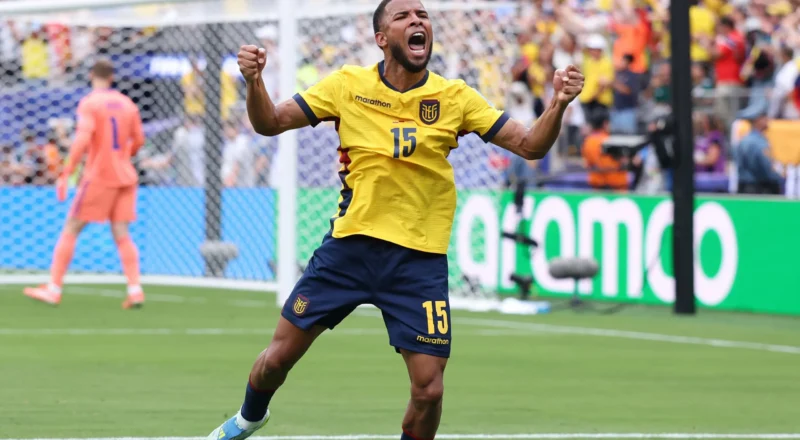
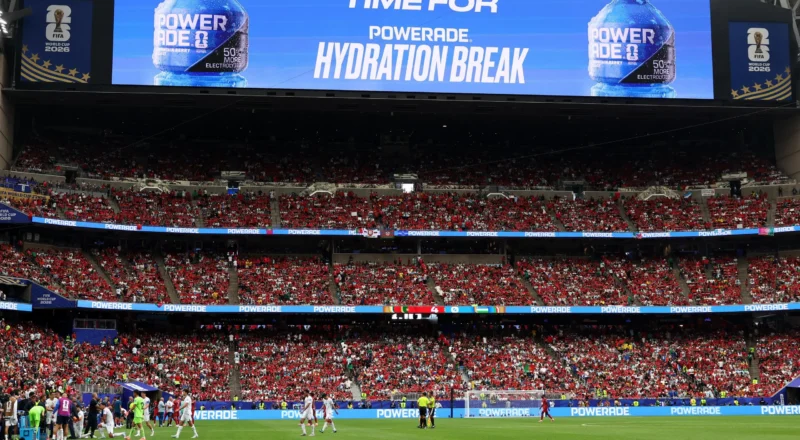
He mentions that he hasn’t yet felt the need for a drink in the 23rd minute of a match, likely because Germany has avoided extreme heat in Toronto and the air-conditioned arena in Houston. He does not favor Fifa’s so-called hydration breaks. “They’re usually annoying, especially when you’ve just had two or three good situations and feel your flow is being interrupted,” he comments. “At 17, you don’t think you need school any more,”
More firmly within his control is the opportunity to influence Germany’s success. When he was 17, preparing for success at Leverkusen, Havertz considered dropping out of school to bypass the Abitur, Germany’s university entrance exam. A club staff member intervened, emphasizing the importance of perseverance. “At that age, you also don’t think about injuries or how things can suddenly take a completely different turn. It was a life lesson for me: seeing things through to the end instead of just quitting.” he reflects. “At that age, you also don’t think about injuries or how things can suddenly take a completely different turn. It was a life lesson for me: seeing things through to the end instead of just quitting.”
Perhaps this also serves as a model for a victorious World Cup journey and a more harmonious celebration afterwards.
- Germany
- World Cup 2026
- World Cup
- interviews