

It was fitting that Lionel Messi was the one to etch his name in history on this day, particularly in Dallas. With a precise left-footed strike, he became the highest goalscorer in World Cup history. Another goal followed shortly, and if he continues at this pace, his tally of 18 could soon feel modest. Messi has netted five goals in just two matches, positioning Argentina to secure the top spot in Group J. As he approaches his 39th birthday this Wednesday, a golden boot would be a remarkable gift for the legendary player.
This historic moment coincided with the 40th anniversary of Diego Maradona’s iconic handball and mesmerizing run against England. Initially, there was doubt when Messi missed an early penalty, a moment that seemed surreal. However, seven minutes before half-time, he dispelled those doubts, marking a significant moment in a city that holds memories of Maradona’s last international match, which ended controversially at USA 94 due to a doping ban.
Despite their usual prowess, Argentina appeared less than convincing against a capable Austria side, which could pose challenges for any opponent in the knockout stages. Argentina’s defense held firm, and the brilliance of their star player was evident.
The match unfolded with the grandeur typical of Argentina’s World Cup encounters. A majority of the crowd was clad in the Albiceleste’s colors, their cheers echoing through the stadium. It was a stunning atmosphere, filled with anticipation; once again, football had managed to create an event that transcended skepticism.
Argentina began the match with a high tempo, surprising their opponents initially. The referee, Amin Mohamed Omar, initially overlooked Lautaro Martínez’s fall in the penalty area after he was challenged by Stefan Posch and Xaver Schlager. However, after reviewing the play with the video assistant referee, Omar awarded the penalty, giving Messi a chance to make his mark early.
The collective gasp that filled the stadium when Messi missed the penalty was palpable. It seemed like a certainty that he would score, yet he shot wide of Alexander Schlager’s left post after a poorly executed short run-up.
Austria seized the moment, looking to exploit Argentina’s momentary confusion. Messi, however, regained his composure, maneuvering through the defense. A crucial save from Schlager prevented a goal after Messi’s clever footwork almost paid off.
The game took on the feel of a competitive match. Ralf Rangnick had urged Austria to deliver their best performance under his management, and they responded, with Marcel Sabitzer’s half-volley requiring a block from Cristian Romero. Yet, Messi soon found his rhythm, setting up Enzo Fernández with a deft pass, and after Schlager denied a shot from Fernández, Alaba blocked Messi’s follow-up attempt.
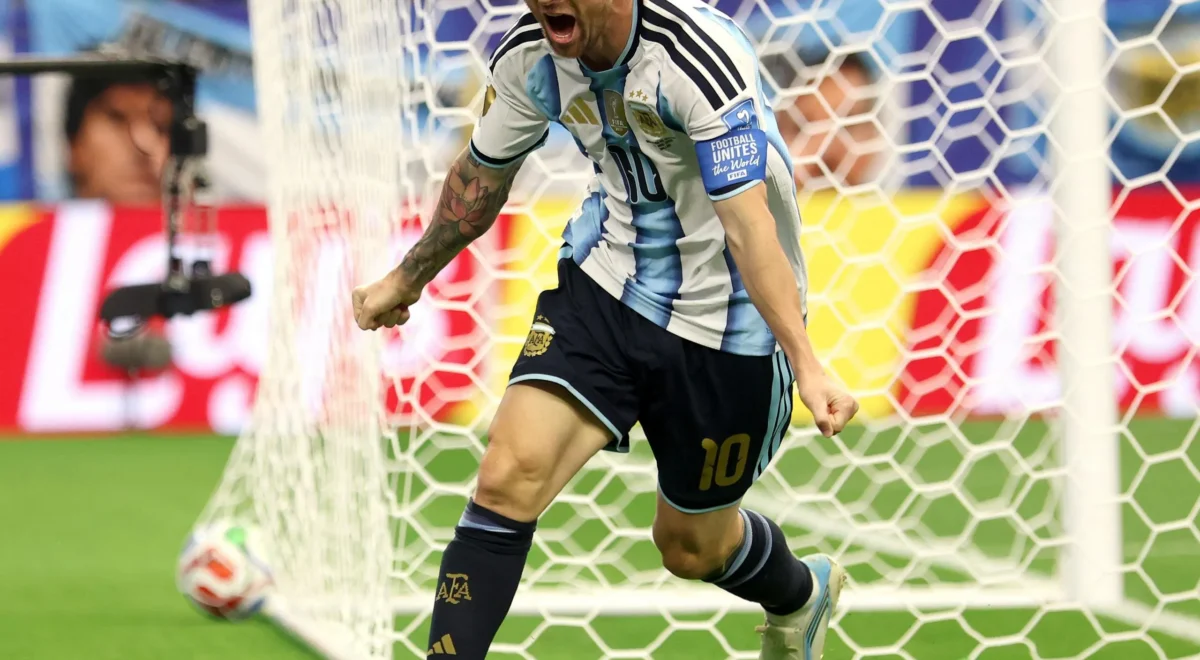
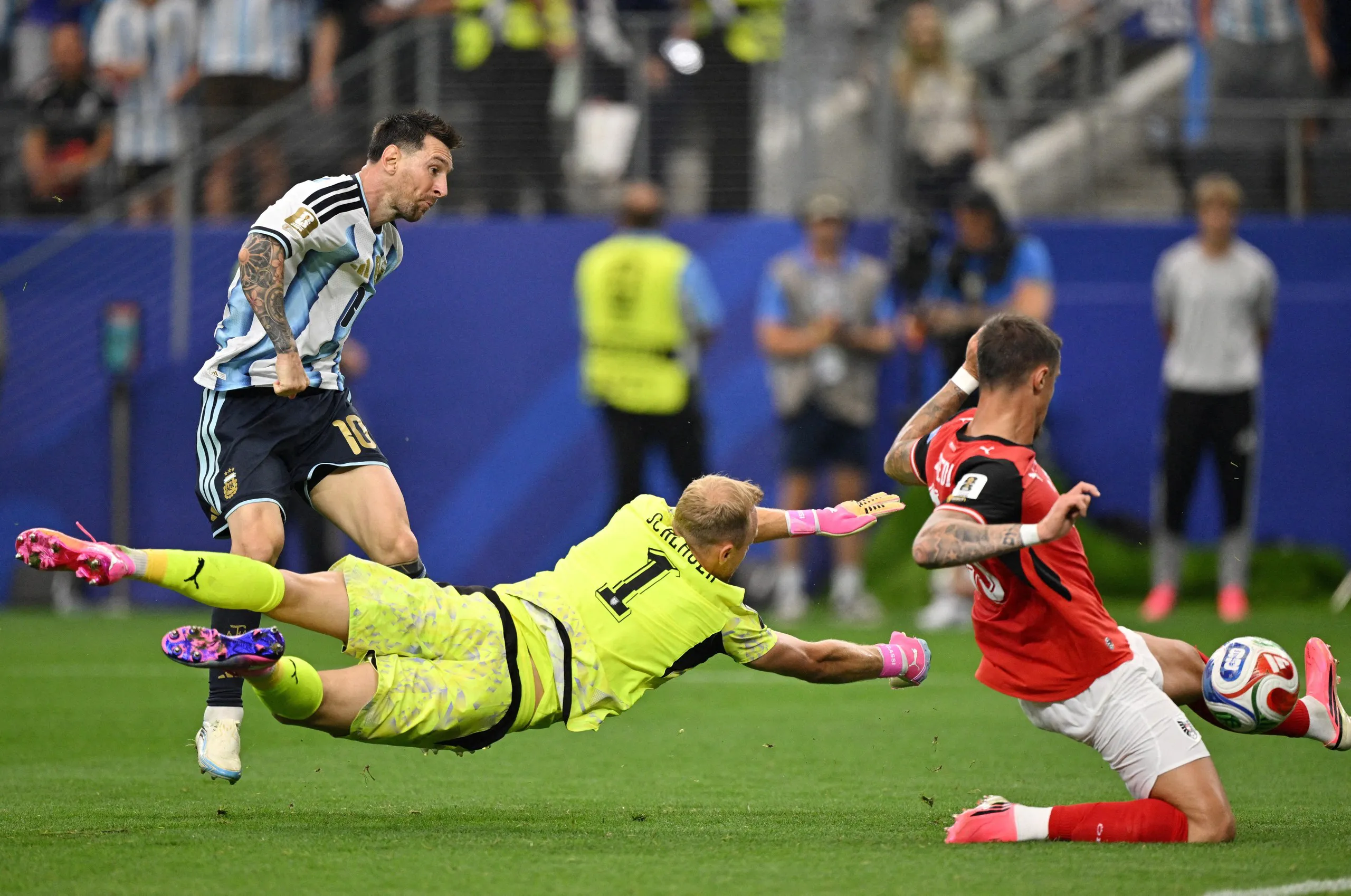
Concerns about Messi’s earlier miss faded as the tempo of the match slowed. But there are few situations he cannot elevate. Thanks to Thiago Almada’s play, he received the ball and, without hesitation, finished with a sweeping shot past Schlager. This was a goal Messi has scored countless times, yet the significance of this one was unmatched. A triumphant roar erupted as he celebrated, fully aware of the historic weight of his achievement.
The remainder of the first half was marred by fouls and interruptions, but Argentina remained unfazed, as their fans fervently supported their idol. However, Austria emerged from halftime with renewed vigor, though their efforts were often lacking in precision. Sabitzer squandered a shooting opportunity while Romano Schmid’s attempt to reach a loose ball resulted in it going out of play.
The Austrian side finally challenged goalkeeper Emiliano Martínez with a well-placed free-kick from Sabitzer, following a foul by Romero on Konrad Laimer. Romero, who had played nearly an hour without a yellow card, was soon substituted for Nicolás Otamendi. Austria continued to show promise in their attacking patterns, raising concerns for the defending champions.
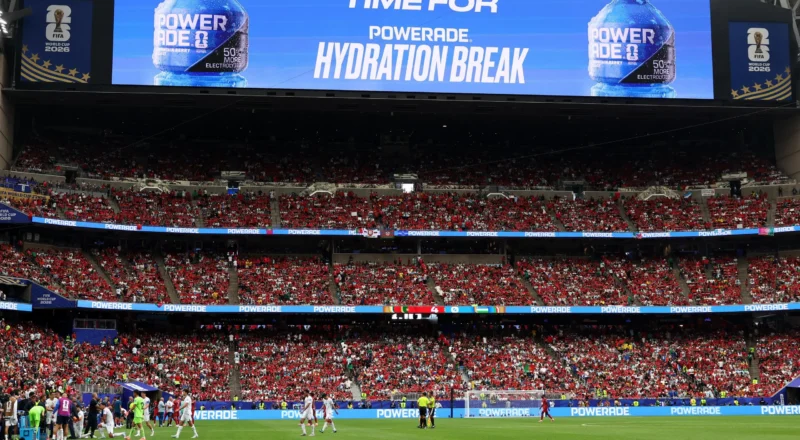
Michael Gregoritsch’s header sailed over the bar shortly before a hydration break, which was met with jeers from the crowd. However, Austria failed to capitalize on their chances, and as the match neared its conclusion, Messi reignited the game after his initial shot was blocked.