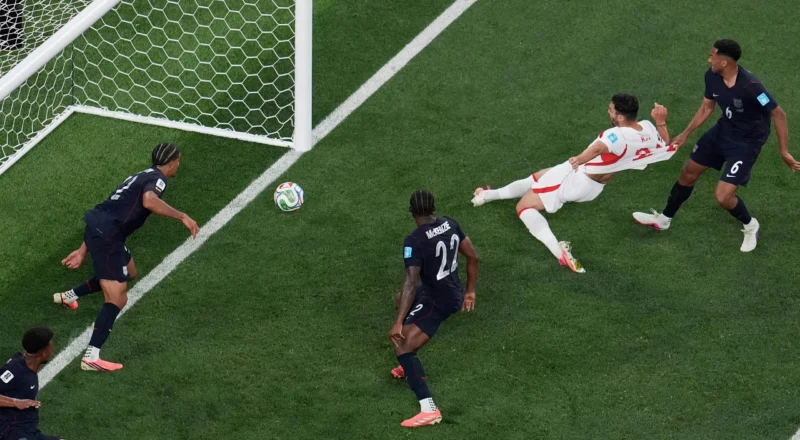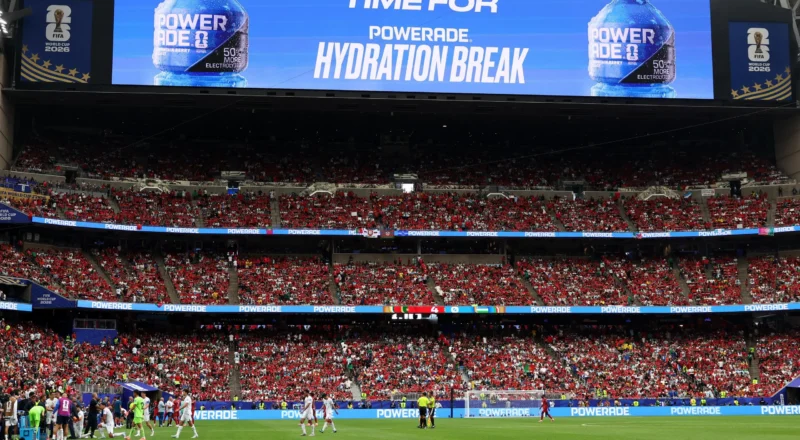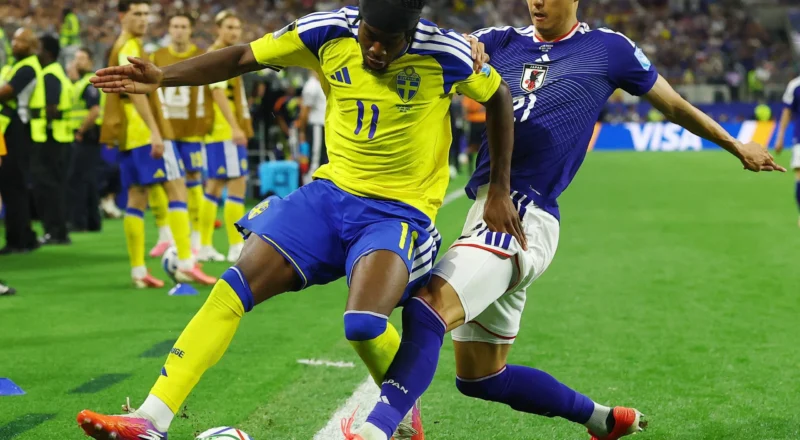


The opening match of the 2026 World Cup experienced a lackluster first half, but the second half transformed into a spectacle of drama. South African midfielder Sphephelo Sithole, who contributed to Mexico’s opening goal, compounded his misjudgment by receiving a red card in the 49th minute for denying a clear scoring opportunity. The situation escalated when Themba Zwane was also sent off, marking South Africa as the 15th team to have two players dismissed in a single World Cup match.
As the match approached its conclusion, Mexico’s César Montes followed suit, receiving a red card in stoppage time. This dismissal mirrored the fate of his manager, Javier Aguirre, who had been sent off while playing for Mexico in the 1986 quarter-final against West Germany.
The encounter between Mexico and South Africa became the seventh World Cup game to feature more than two red cards. Referees have been particularly strict with their card usage in this tournament. Belgium’s Nathan Ngoy was shown a red card during a goalless draw with Iran, bringing the total to eight dismissals — already equaling the sum of the previous two tournaments combined, which had four red cards each in Russia and Qatar.
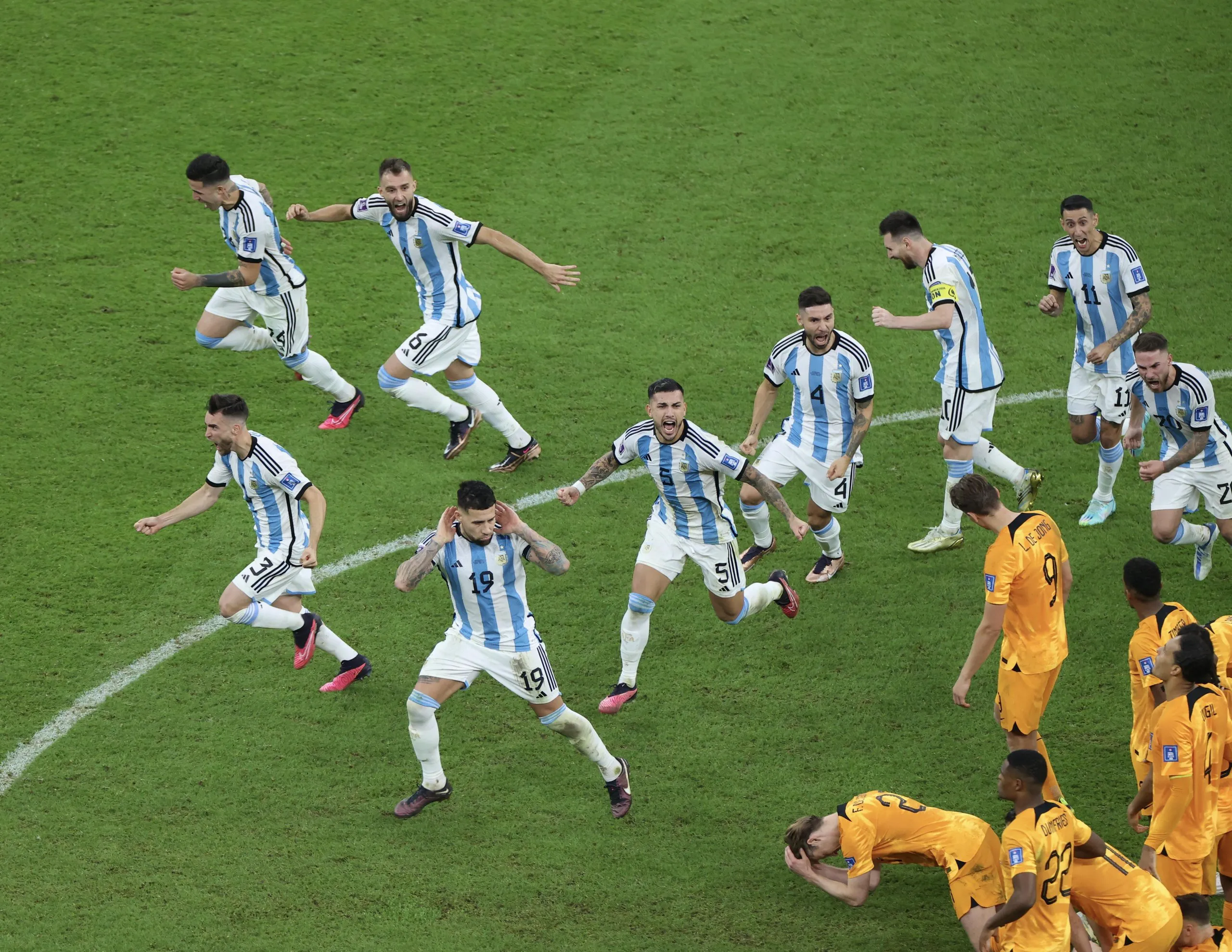
During the 2018 World Cup in Russia, one of the four red cards was issued in a chaotic penalty shootout, where Denzil Dumfries was penalized for taunting Argentina, making him the eighth Dutch player to face red at a World Cup. Given the Netherlands’ reputation for finesse in football, it is surprising that their history is marred by such instances of turmoil and controversy.
The Dutch were also part of the only World Cup match recording four red cards, famously known as the Battle of Nuremberg, during their 1-0 loss to Portugal in 2006. This last-16 clash saw a staggering 16 yellow cards, starting with a robust challenge from Mark van Bommel on Cristiano Ronaldo just two minutes in. The Netherlands seemed to target Ronaldo aggressively, with Khalid Boulahrouz following up with a second yellow against the Portuguese star.
Ronaldo barely survived this onslaught but ultimately did not last until halftime. He exited the pitch in tears following Maniche’s solitary goal, as the match saw sporadic football before descending into chaos. The first red card was issued just before halftime for Costinha’s deliberate handball, which resulted in his second yellow. Any hopes for a calmer second half were quickly dashed; substitute Petit was booked within minutes of entering the game. Remarkably, the total number of red cards could have been higher, as Luís Figo’s head-butt on Van Bommel was deemed worthy of only a yellow.
The Netherlands also set a record during the quarter-final against Argentina in 2022, which featured the highest number of yellow cards issued in a World Cup match, totaling 18—16 to players and two to coaching staff. Argentina emerged victorious in the penalty shootout following a 2-2 draw, with tensions flaring as players celebrated in front of their Dutch counterparts.
In the 2010 World Cup final, the Netherlands employed a rough strategy against a fluid Spain side, leading to 14 yellow cards, eight of which were shown to starting Dutch players. Remarkably, only three Dutch starters, Maarten Stekelenburg, Wesley Sneijder, and Dirk Kuyt, avoided bookings.
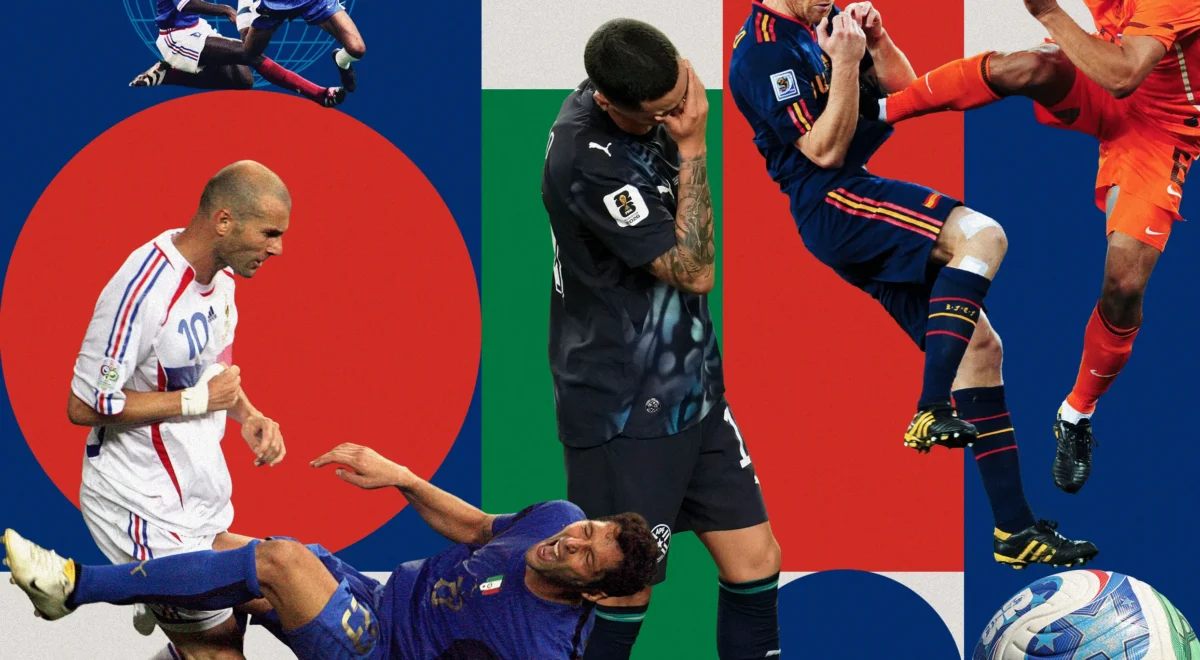
If anything, the officiating was perceived as too lenient. John Heitinga received a red card for two bookable offences, while referee Howard Webb chose not to expel Nigel de Jong for a tackle that involved planting his studs on Xabi Alonso’s chest. In retrospect, Webb acknowledged this decision as an error, stating, “One of the things I would change is the colour of the card for De Jong’s tackle,”
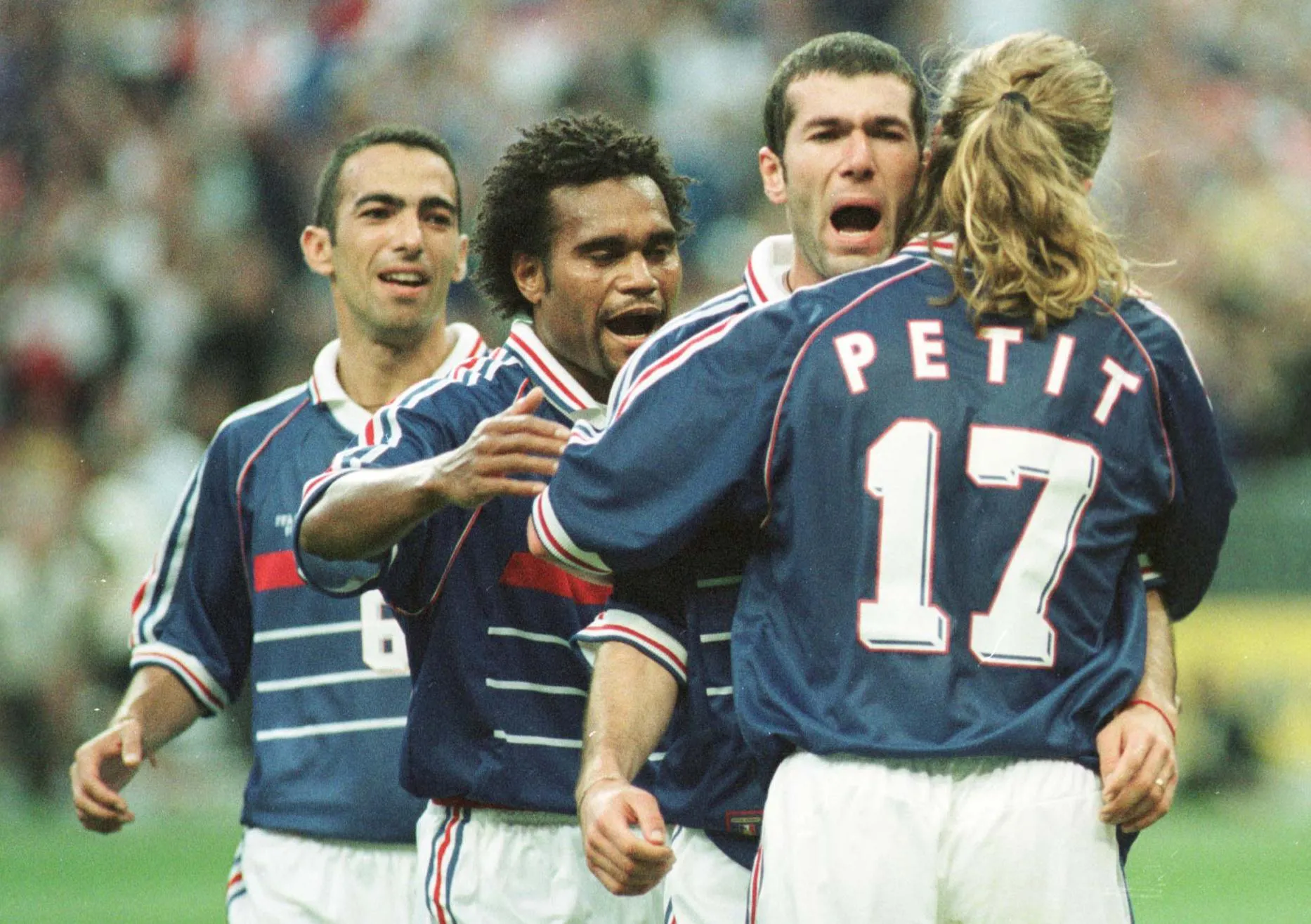
Heitinga remains the last player sent off in a World Cup final and is the fifth player overall to face such a fate. It wasn’t until the 1990 final that a player was dismissed, as Argentina’s Pedro Monzón received a red card just 20 minutes after coming on as a substitute, soon followed by Gustavo Dezotti. In the 1998 final, Marcel Desailly was sent off for a second yellow after a foul on Cafu; however, France triumphed with a 3-0 victory over Brazil in Paris.
Zinedine Zidane, who scored twice in that final, had a stellar year, later winning the Ballon d’Or. Earlier in the tournament, during a 4-0 rout, Zidane was sent off for stamping on a Saudi player. His World Cup history includes another dismissal eight years later when he head-butted Italian defender Marco Materazzi in the final, marking an unfortunate ending to the career of one of football’s most talented players. Zidane is not alone in this distinction; Cameroon’s Rigobert Song was similarly sent off in both the 1994 and 1998 World Cups.
The first ejection in World Cup history occurred on the second day of the inaugural tournament in 1930, where Peru’s captain, Plácido Galindo, was dismissed during a match against Romania. The encounter was marred by violence, prompting police intervention to restore order.
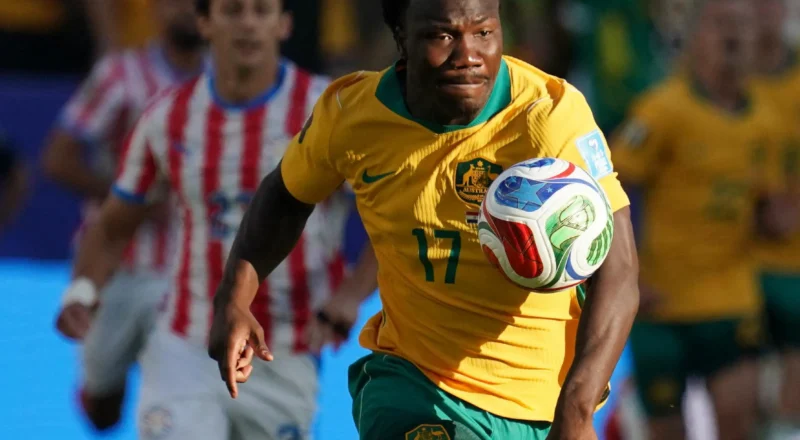
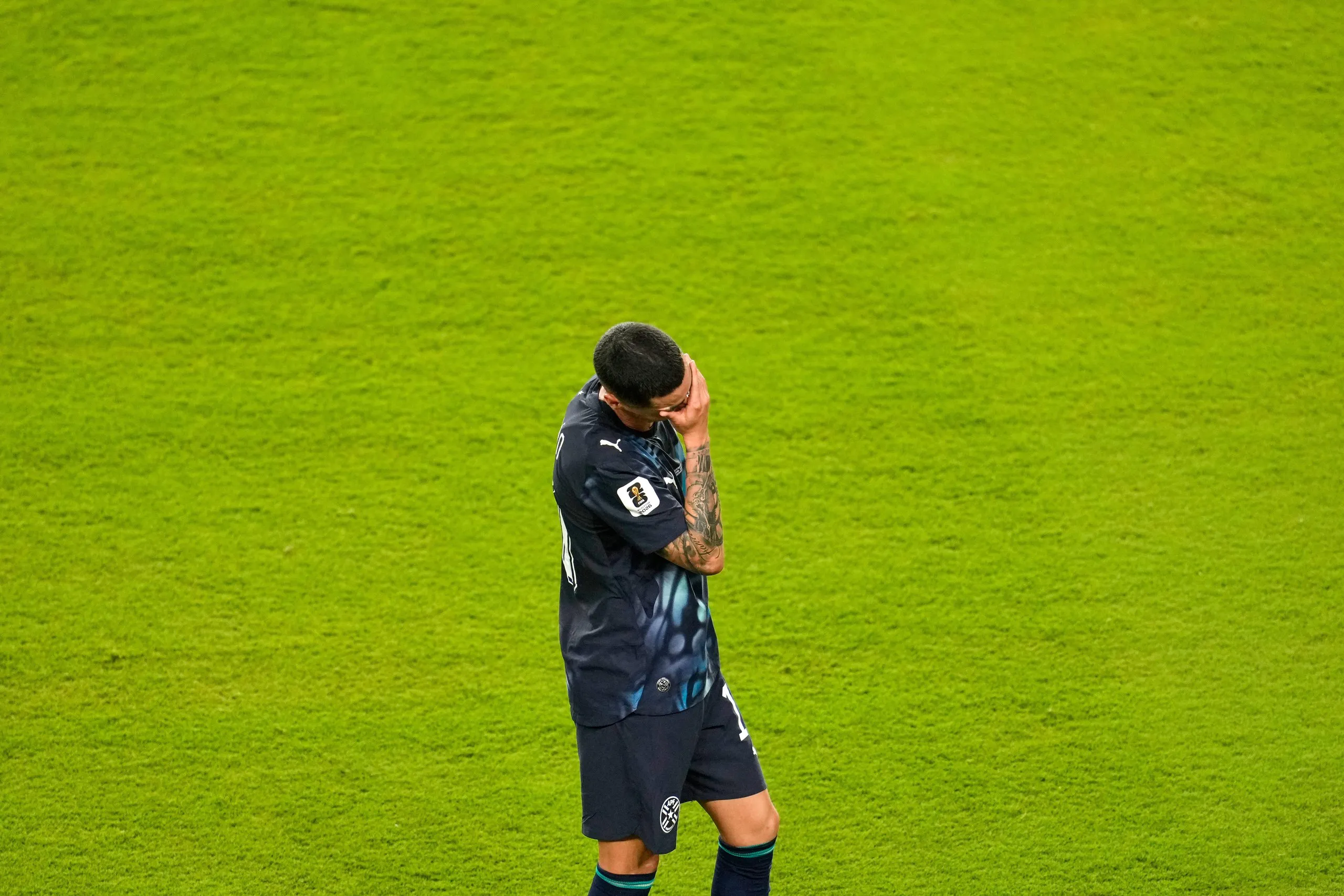
Almost a century later, players continue to make headlines for their dismissals. Miguel Almirón etched his name in history when he was sent off in Paraguay’s 1-0 victory over Turkey. There were no brawls in that match; Almirón was shown a red card for the peculiar offence of “Having seen it again from my armchair several times in slow motion and from different angles I can see that it was a red-card offence.”
This article is by Richard Foster, who hosts the It Started With A Kick podcast and writes a daily World Cup quiz on the Seventh Heaven app, available on Apple and Google Store.