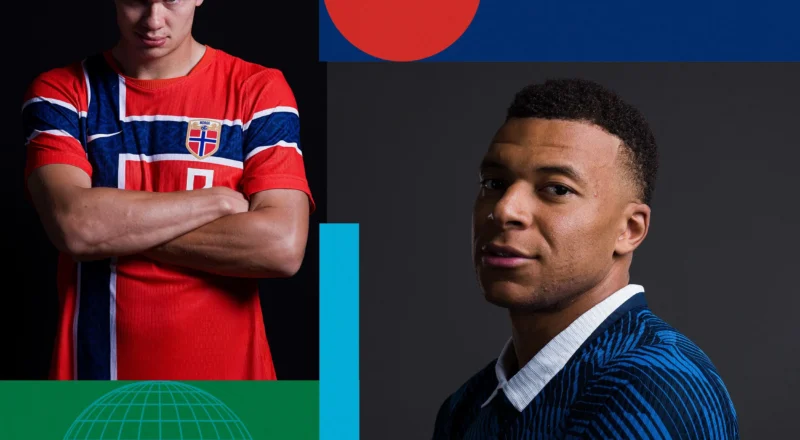


Monday evening at New York New Jersey Stadium will see Senegal go head-to-head with Norway, a match that holds significant implications for Group I qualification and the broader perception of African football performance at this World Cup. While Senegal has proven to be a skilled team, the pressure mounts for Africa to deliver a standout performance.
No other region has gained as much from the World Cup’s expansion as Africa. In the 2022 Qatar tournament, five of the 32 slots, representing 16% of the field, were allocated to the Confederation of African Football (Caf). This time, out of 48 slots, nine were granted directly to Caf, with a tenth secured by DR Congo’s victory over Jamaica in an interconfederational playoff in March. Caf had advocated for increased representation for years, arguing that having only five slots for its 54 members was unjust, especially compared to Conmebol, which had four slots plus a playoff for 10 members, resulting in 21% of the field. The justification for the disparity was rooted in the fact that Conmebol teams had clinched nine World Cup titles, while Caf teams had only reached the quarter-finals three times. By the conclusion of the last tournament, Conmebol had increased its victories to ten, while Caf celebrated its first semi-finalist.
Caf’s rationale was that more teams at the finals would enhance their chances to showcase their quality, with African teams less likely to be derailed by injuries, poor form, or bad luck. To validate Caf’s additional slots, at least five teams need to progress to the knockout stage. How are the teams faring so far?
Struggles and Setbacks
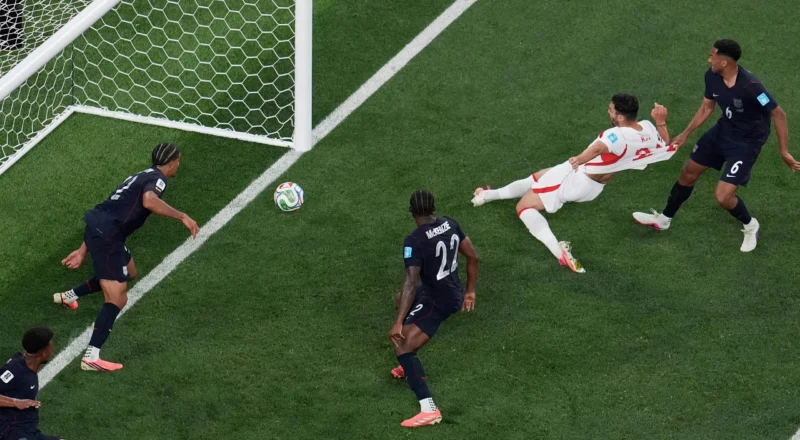
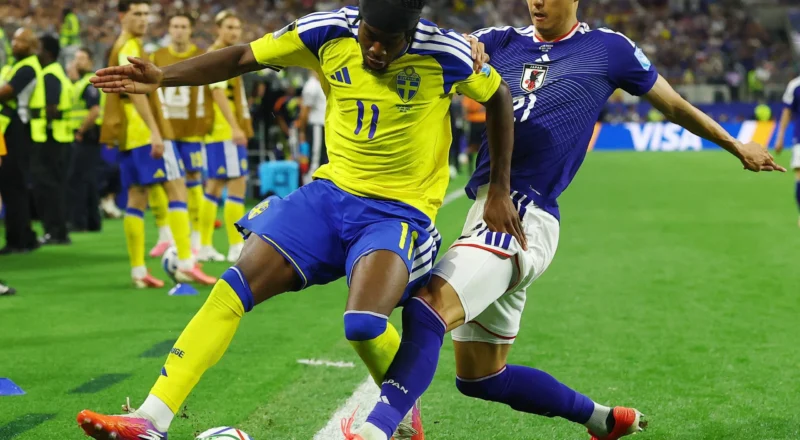
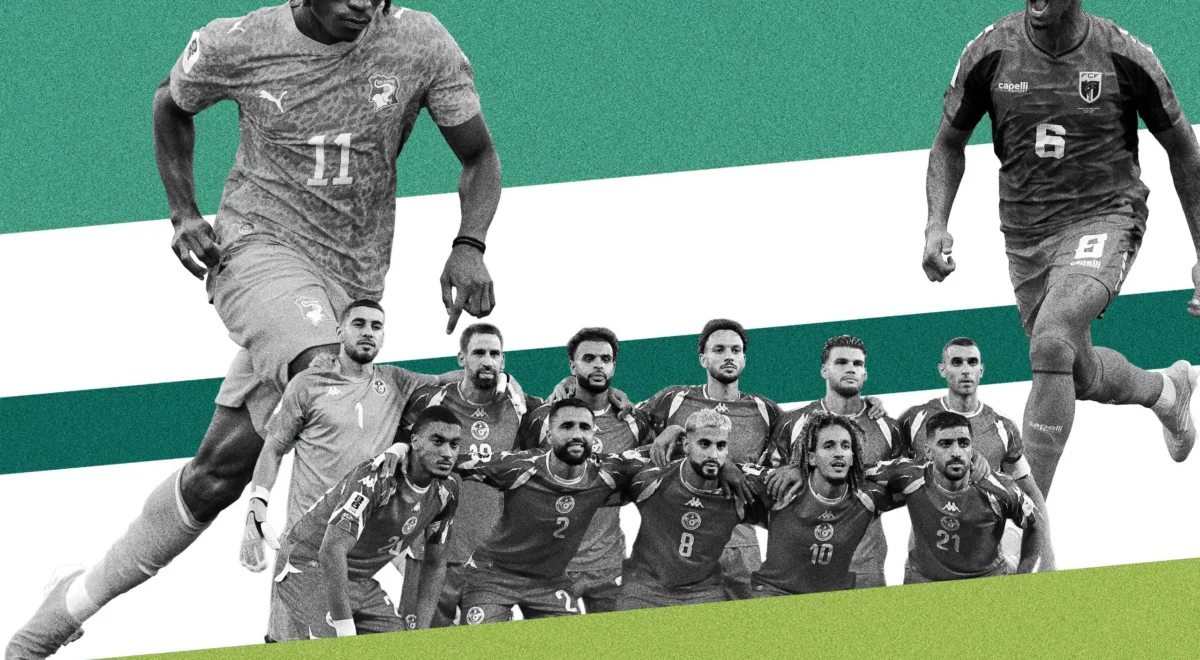
Starting with the negatives, Tunisia’s performance has been lackluster, marred by poor leadership. Following a humiliating 5-1 loss to Sweden, they dismissed manager Sabri Lamouchi and subsequently fell 4-0 to Japan under Hervé Renard, marking their seventh managerial change since qualifying began. South Africa made puzzling tactical choices, opting for a back five in their opening match and suffering a defeat against Mexico. They managed a last-minute equalizer against Czechia, but their style has raised concerns about a team that once thrived under Hugo Broos.
Algeria’s defensive frailties, previously exposed in the Africa Cup of Nations quarter-finals by Nigeria, resurfaced in a 3-0 defeat to Argentina. If a defense struggles against Akor Adams, it’s unlikely to handle a player of Lionel Messi’s caliber. Their upcoming match against Jordan is critical for restoring confidence and stability.
Room for Optimism
On a brighter note, both Morocco and Côte d’Ivoire displayed flashes of potential. Each team initially took the lead against a former World Cup champion but failed to capitalize on their advantages. Morocco dominated Brazil early on and should have scored more than the solitary goal they managed. Similarly, they edged Scotland 1-0, a result that could have been more decisive.
Côte d’Ivoire also put up a commendable fight against Germany, leading for a significant portion of the match. Although they adopted a defensive approach and utilized counterattacks through Amad Diallo and Yan Diomande, they showcased their competitive spirit. Ultimately, Germany’s depth proved decisive, with Deniz Undav scoring twice as a substitute.
Senegal’s experience against France was comparable. They performed admirably in the first half but succumbed to a 3-1 defeat, which raises concerns about African teams’ tendencies to falter in the latter stages of matches. This recurrent issue may reflect a lack of depth, tactical flaws, or perhaps a psychological barrier against the elite teams from Europe and South America.
Emerging Contenders
Ghana broke the trend with a late victory over Panama. Their performance wasn’t flawless, but they displayed resilience characteristic of a Carlos Queiroz-managed team. In contrast, Queiroz’s former team, Egypt, after failing to hold a lead against Belgium, triumphed over New Zealand in the second half, positioning themselves at the top of Group G.
Other African teams have modest goals. Cape Verde and DR Congo, considered underdogs, have performed admirably. DR Congo, despite an early setback against Portugal, quickly equalized and managed to hold their own against a formidable opponent. The challenge remains whether they can replicate that form against Colombia and Uzbekistan. Cape Verde, after holding Spain to a draw, engaged in a thrilling match against Uruguay.
As it stands, Egypt, Morocco, and Côte d’Ivoire are likely to advance. Ghana appears to have a strong chance, while Cape Verde and DR Congo have exceeded expectations. Algeria must secure a favorable result on Monday; Senegal could be hindered by a tough draw, South Africa retains a slim chance, and Tunisia’s hopes are extinguished.
To validate the increased representation, the anticipated number of teams advancing will likely be around five or six. The next vital step is for these teams to convert leads against top-tier opponents into victories.
- This article is an excerpt from Soccer Desk: World Cup edition, a newsletter from the Guardian US that will run regularly during the tournament. Subscribe for free here.