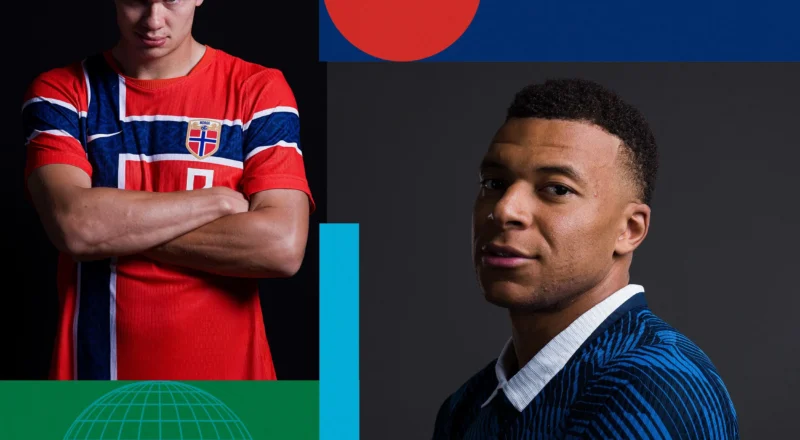


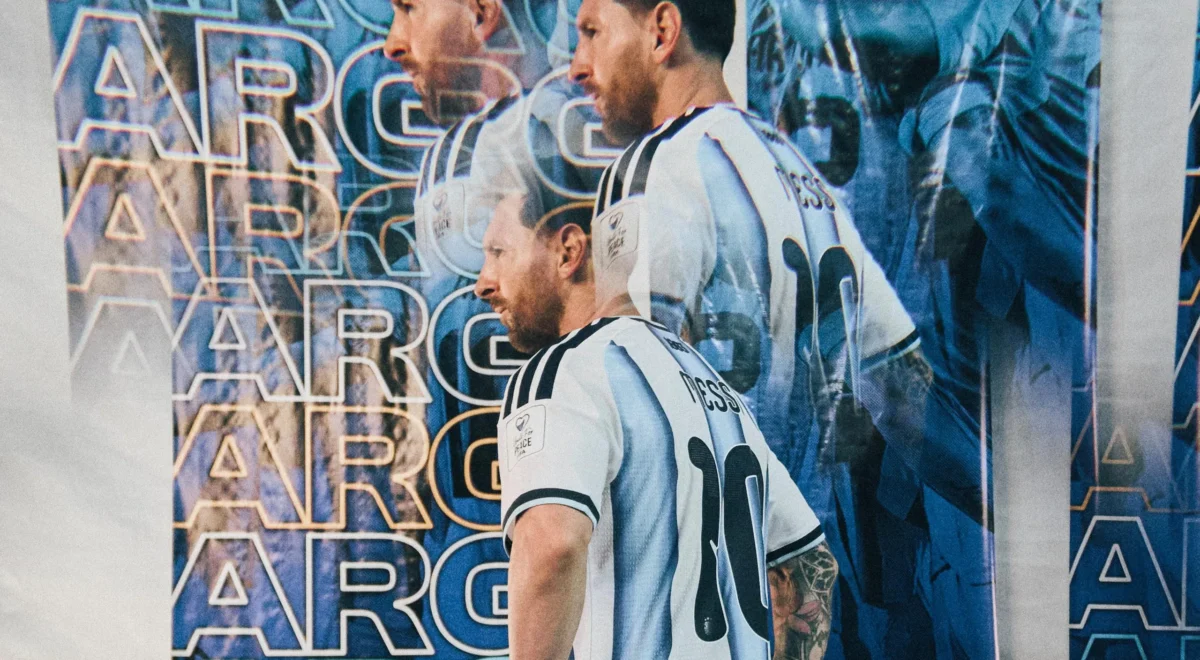
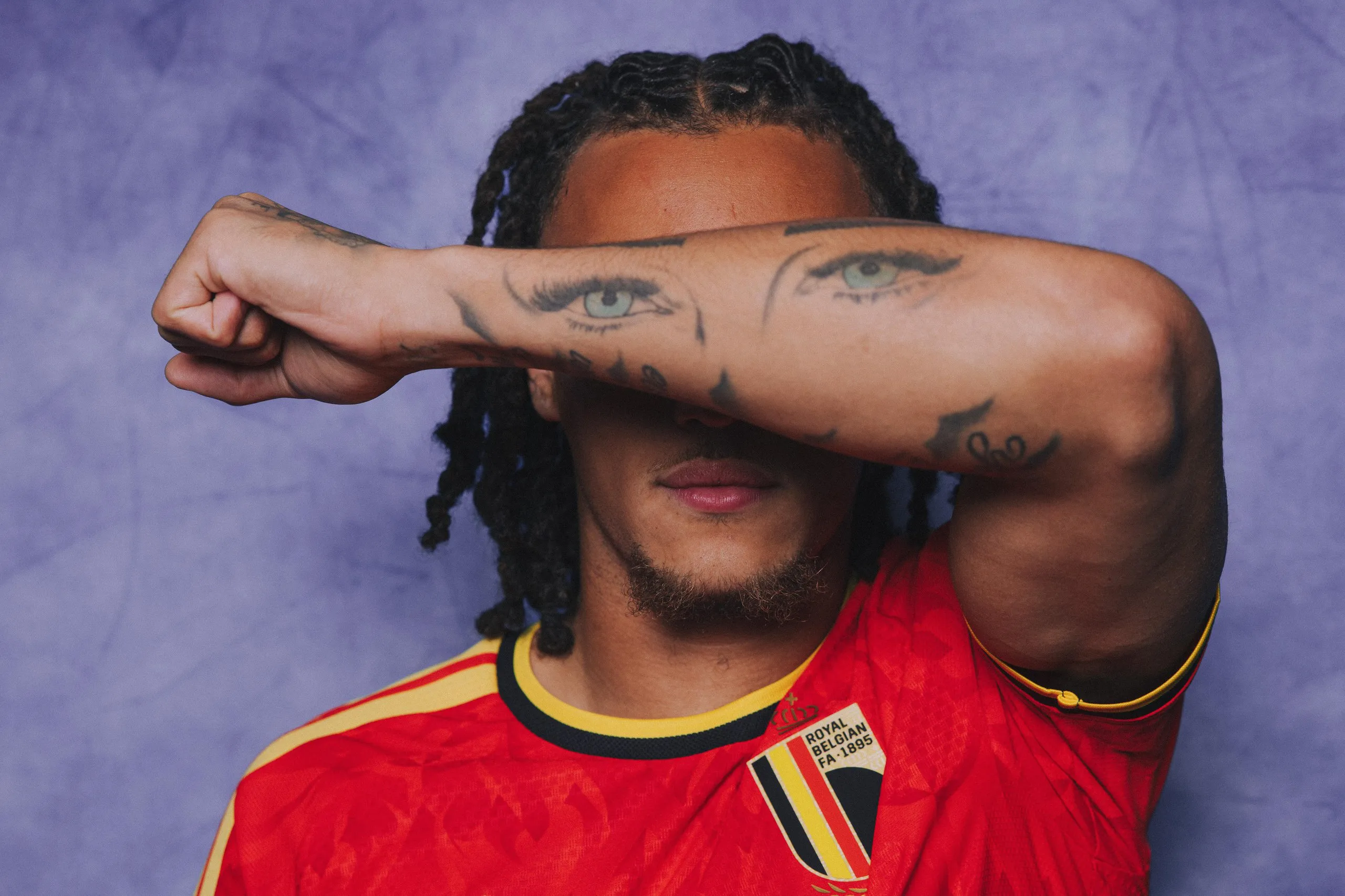
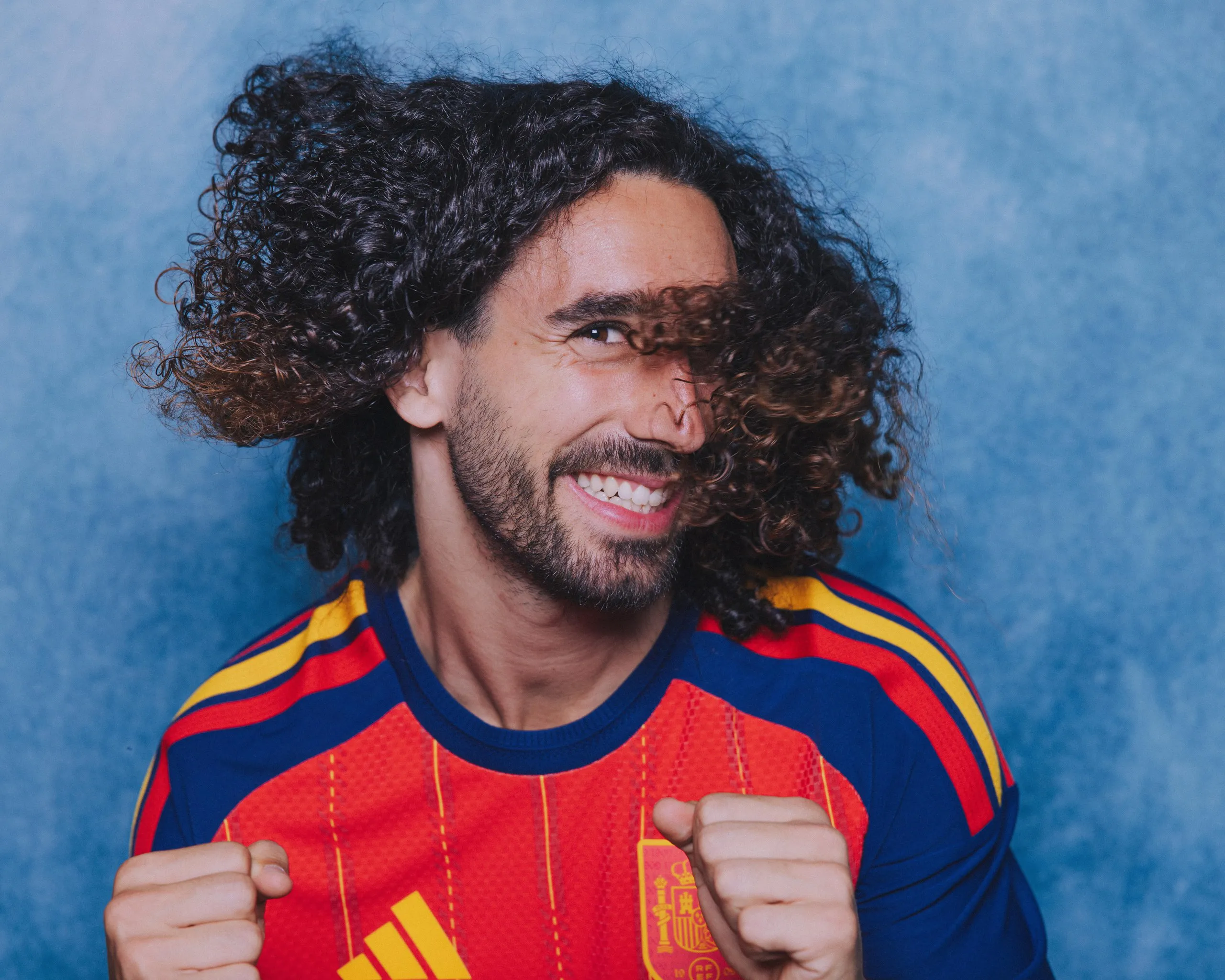
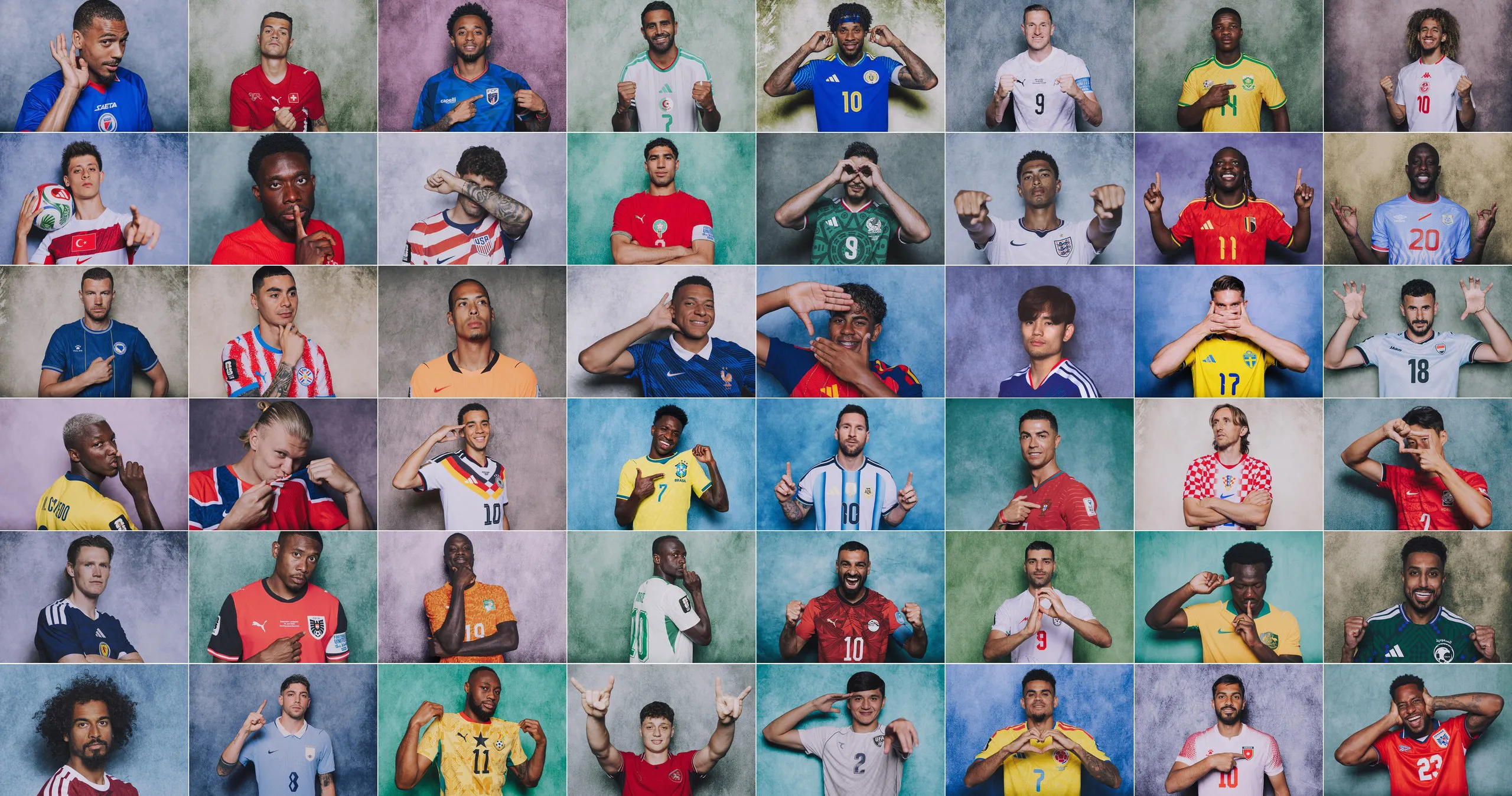
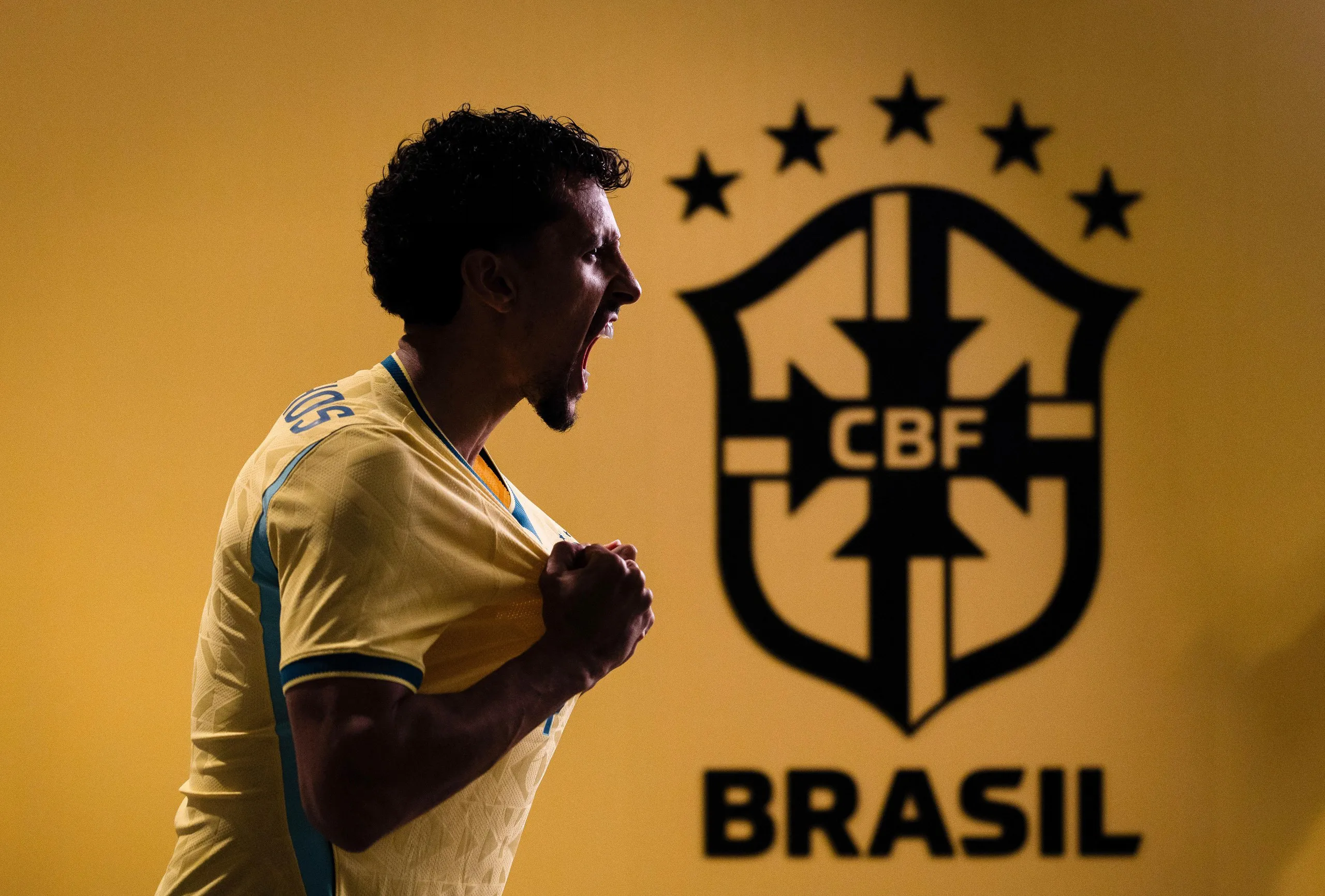
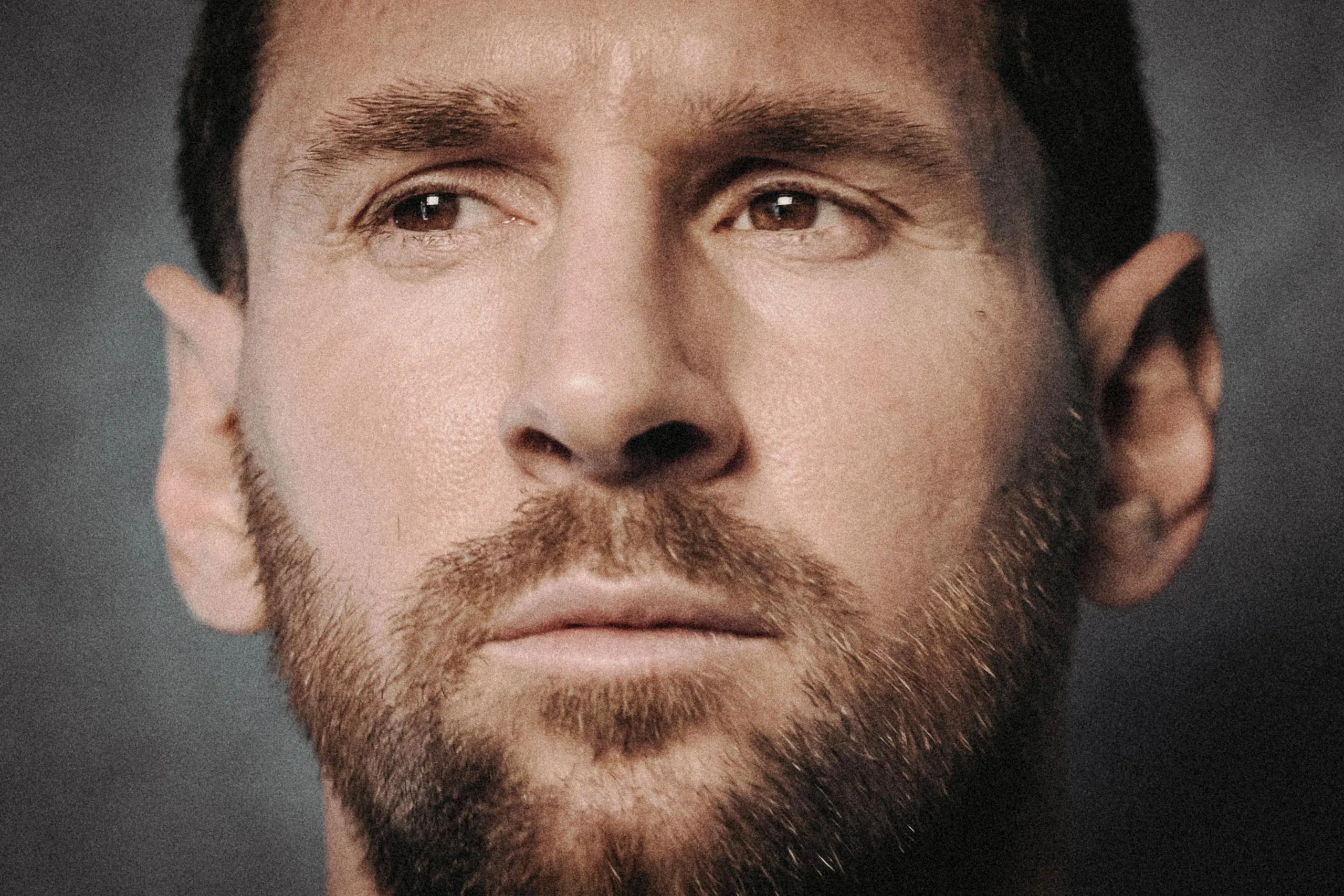
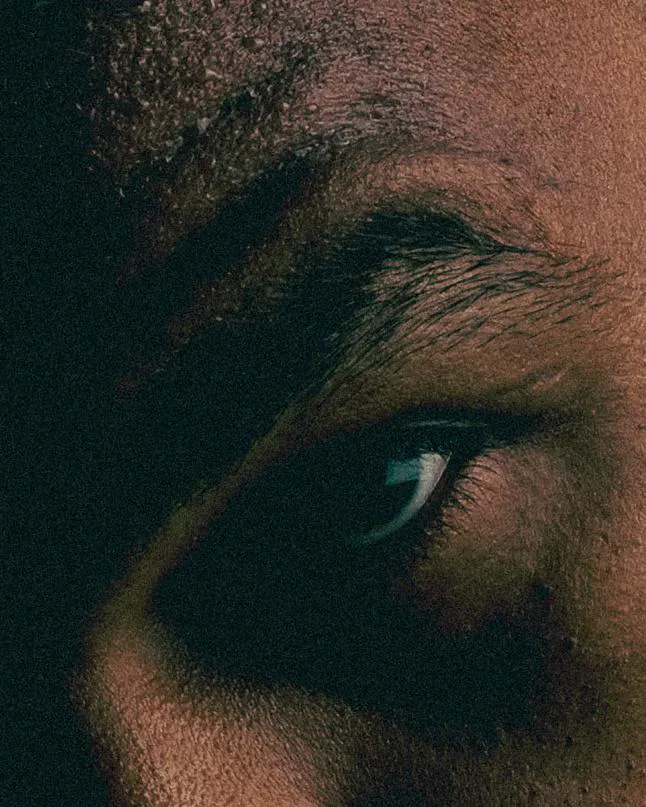
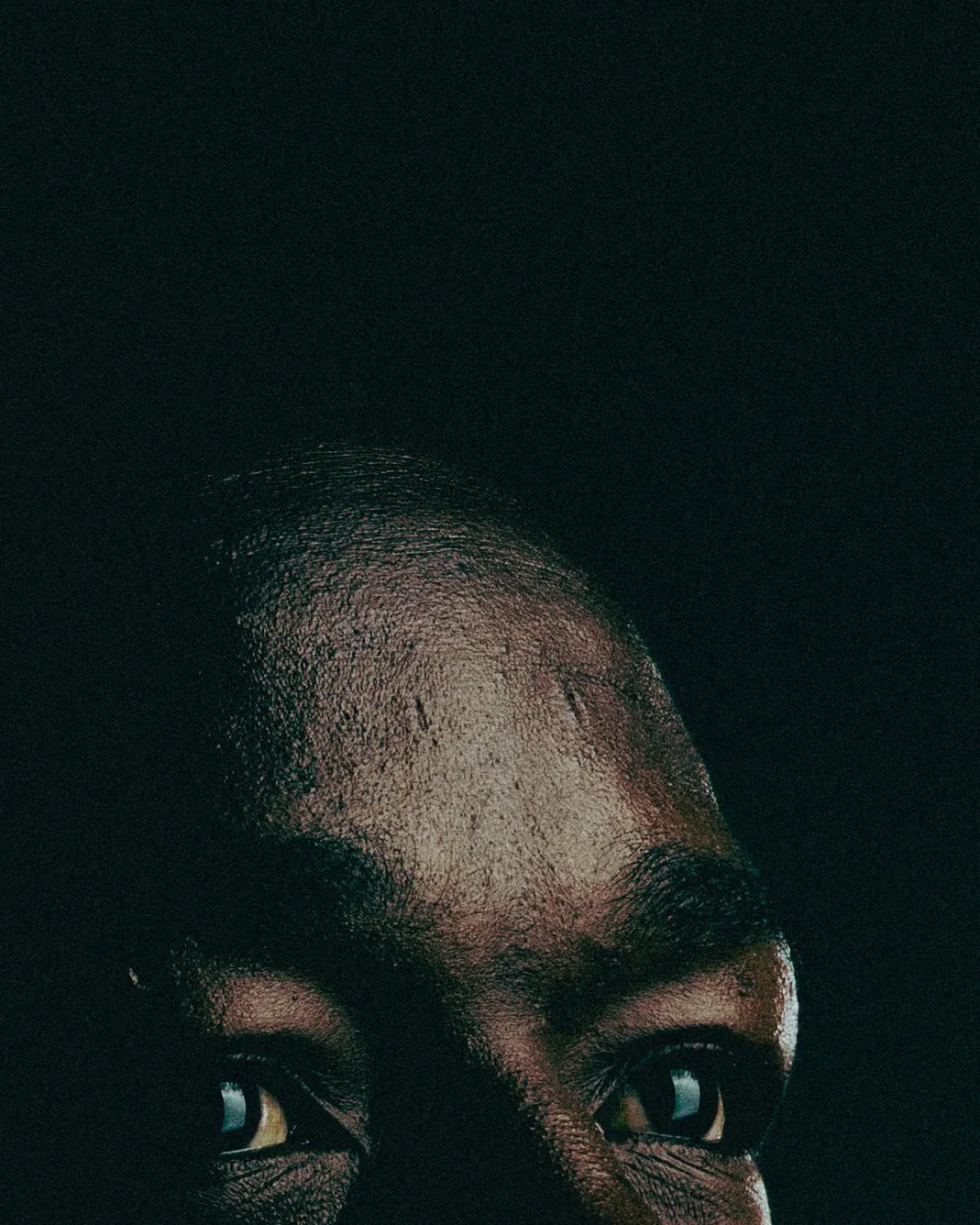
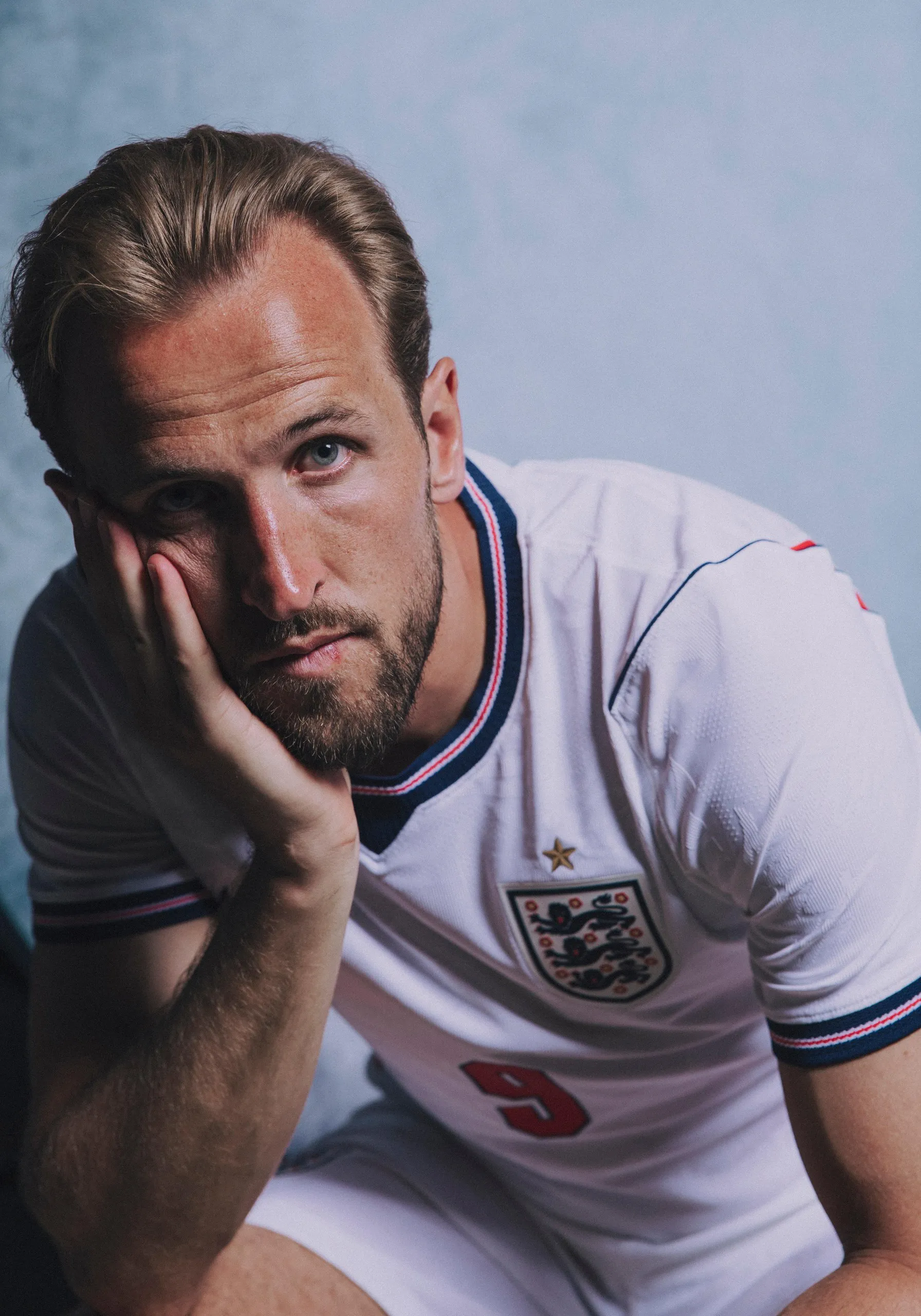
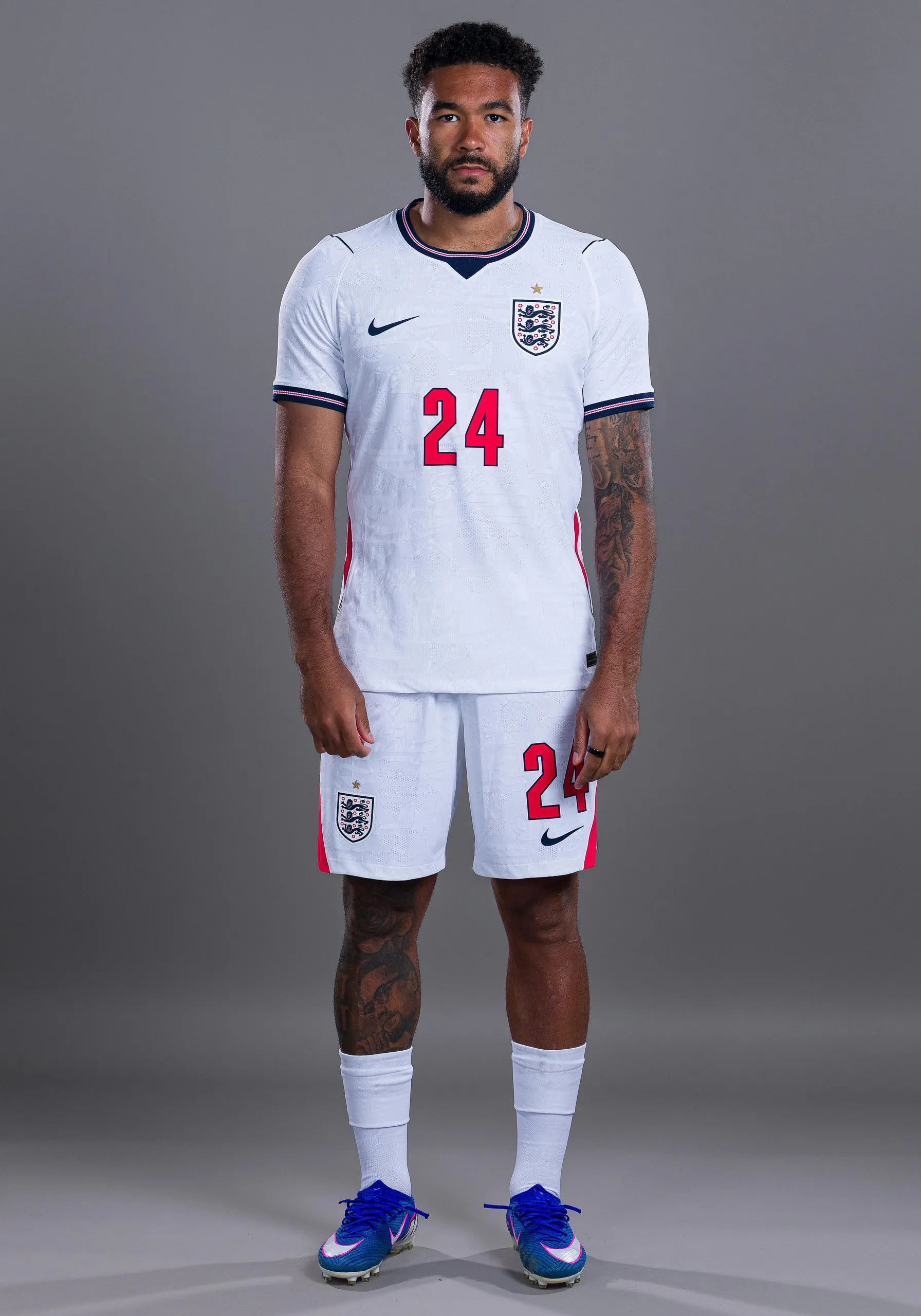
In a vivid showcase of individuality, Lionel Messi of Argentina presents a composed front to the lens, while Spain’s Marc Cucurella playfully fluffs his hair. Belgium’s Diego Moreira shields his eyes with his forearm, revealing an eye-catching tattoo, and Harry Kane adds to the variety with a kneeling pose.
The World Cup is set to feature 1,248 players alongside 48 managers, all mandated to partake in the official portrait session, irrespective of their pose preferences.
Recently documented by Getty Images for FIFA, these portraits highlight a wide spectrum of expressions and stances, each reflecting the distinct characteristics and public images the players aim to convey.
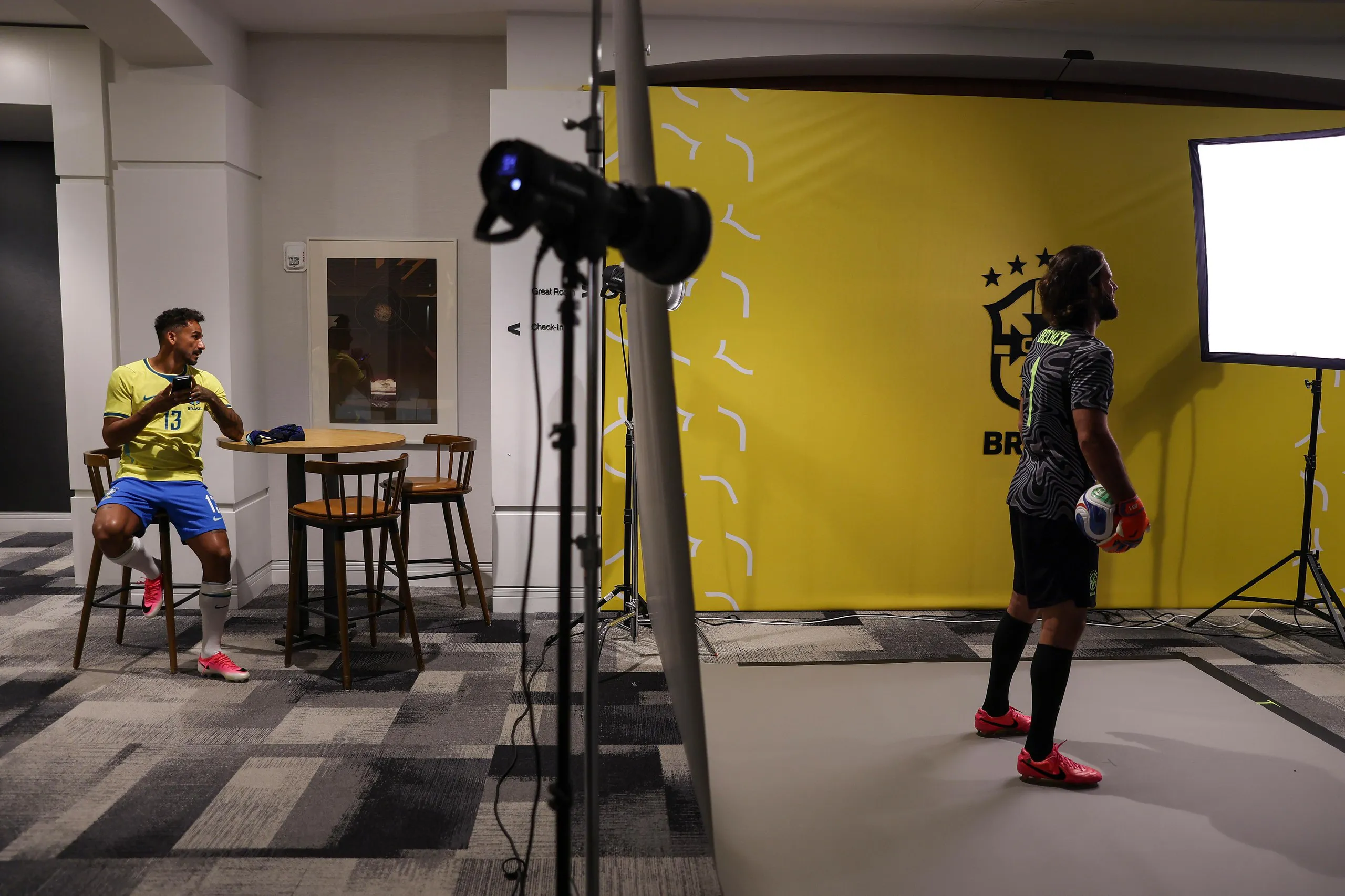
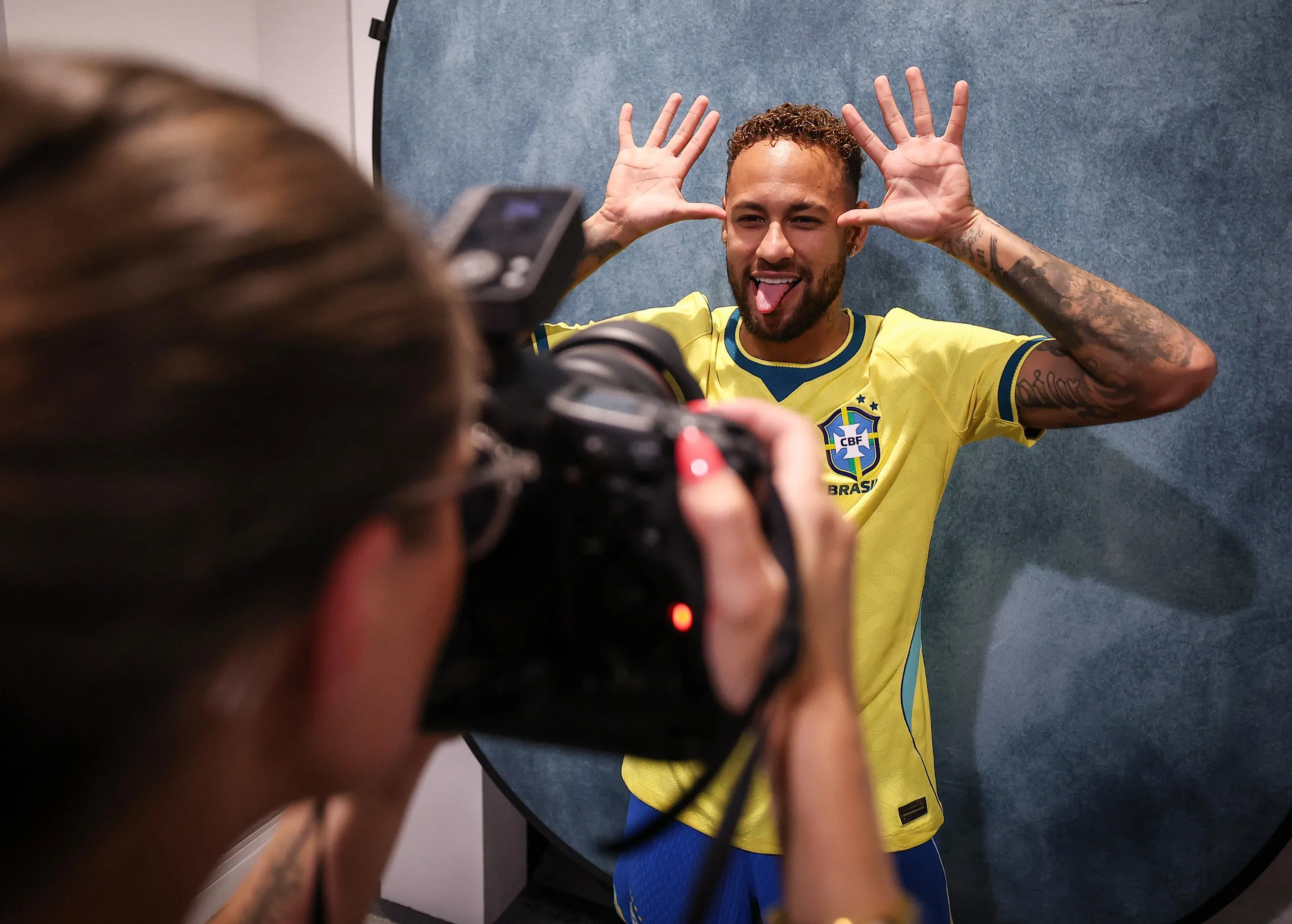
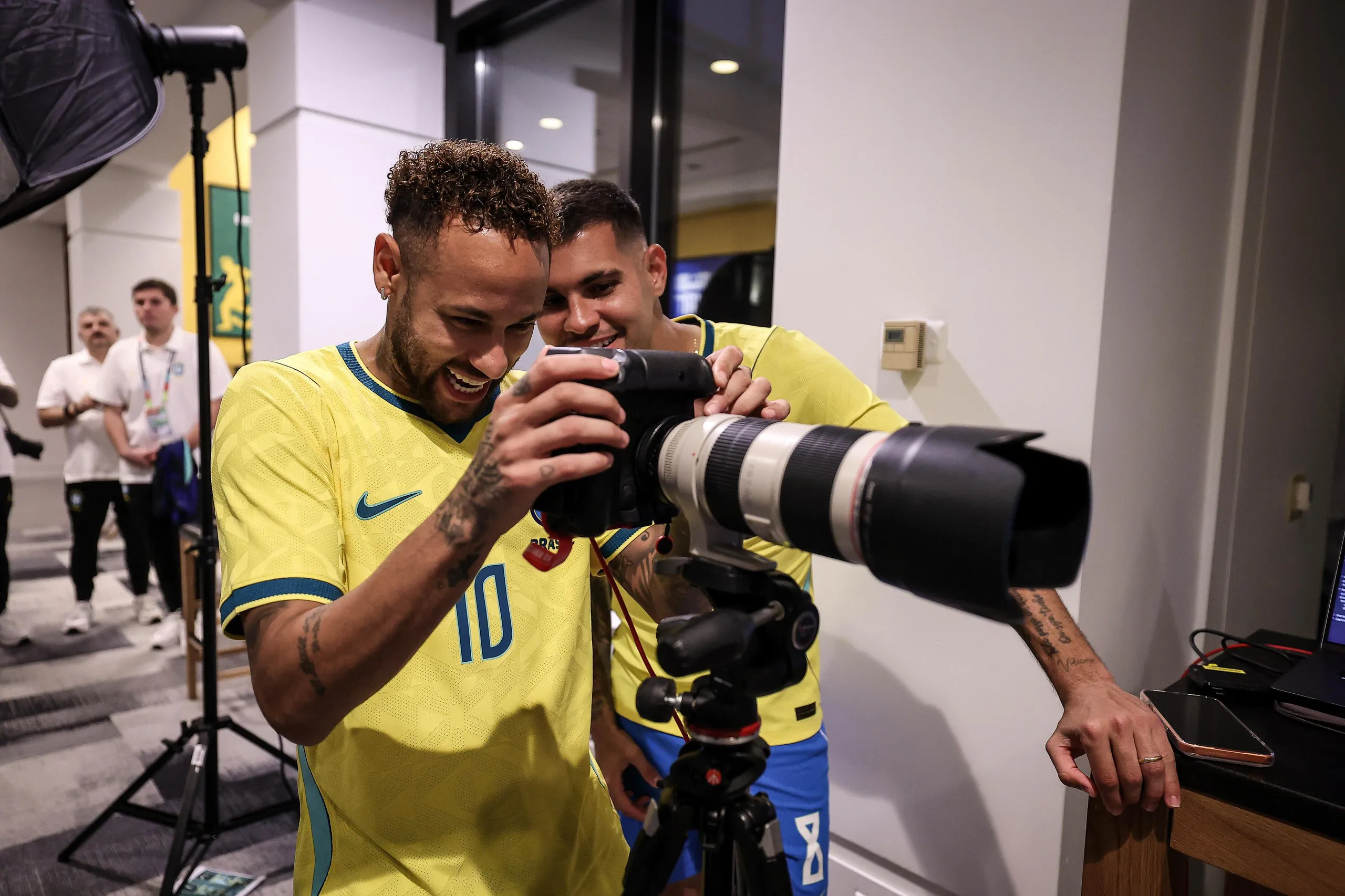
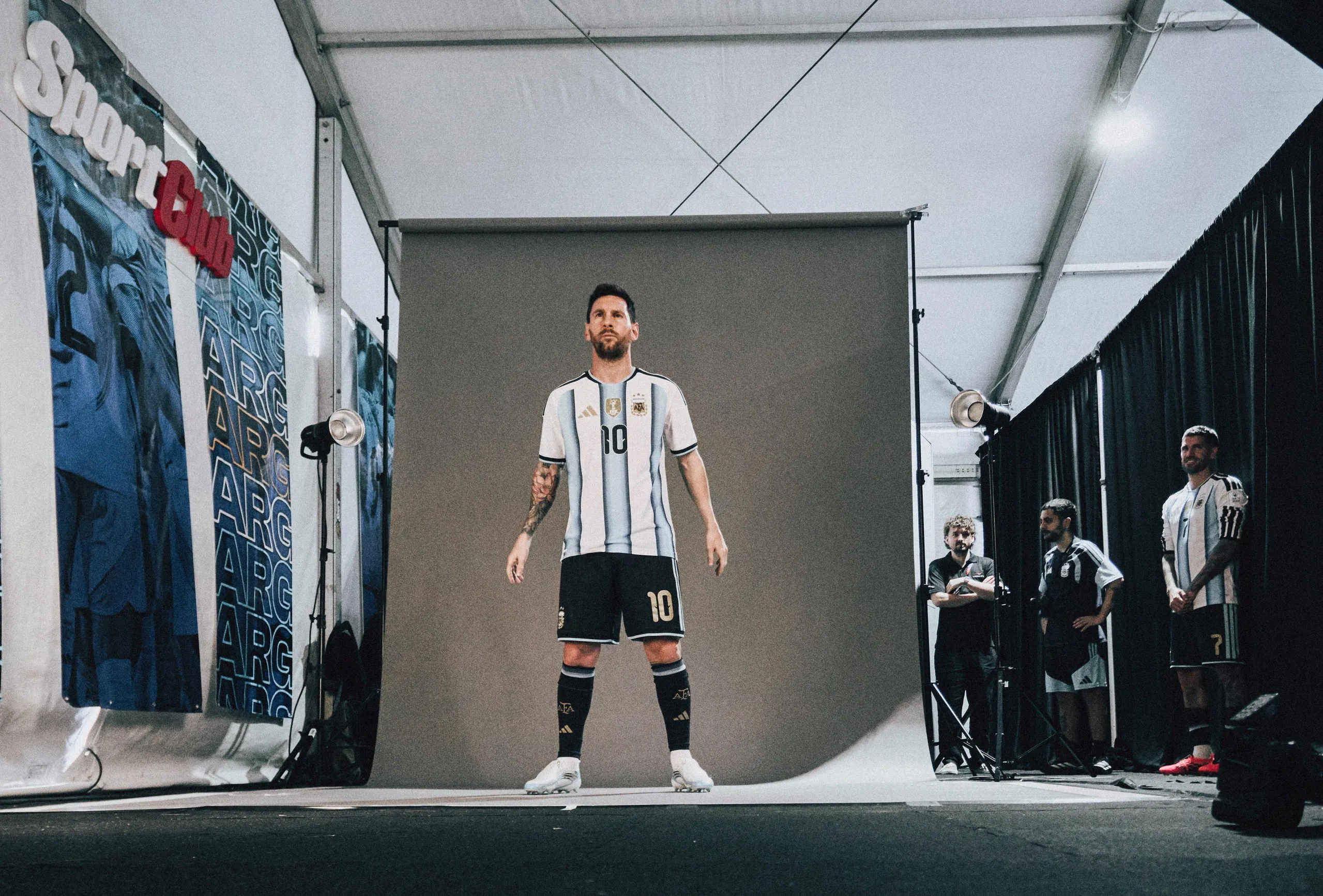
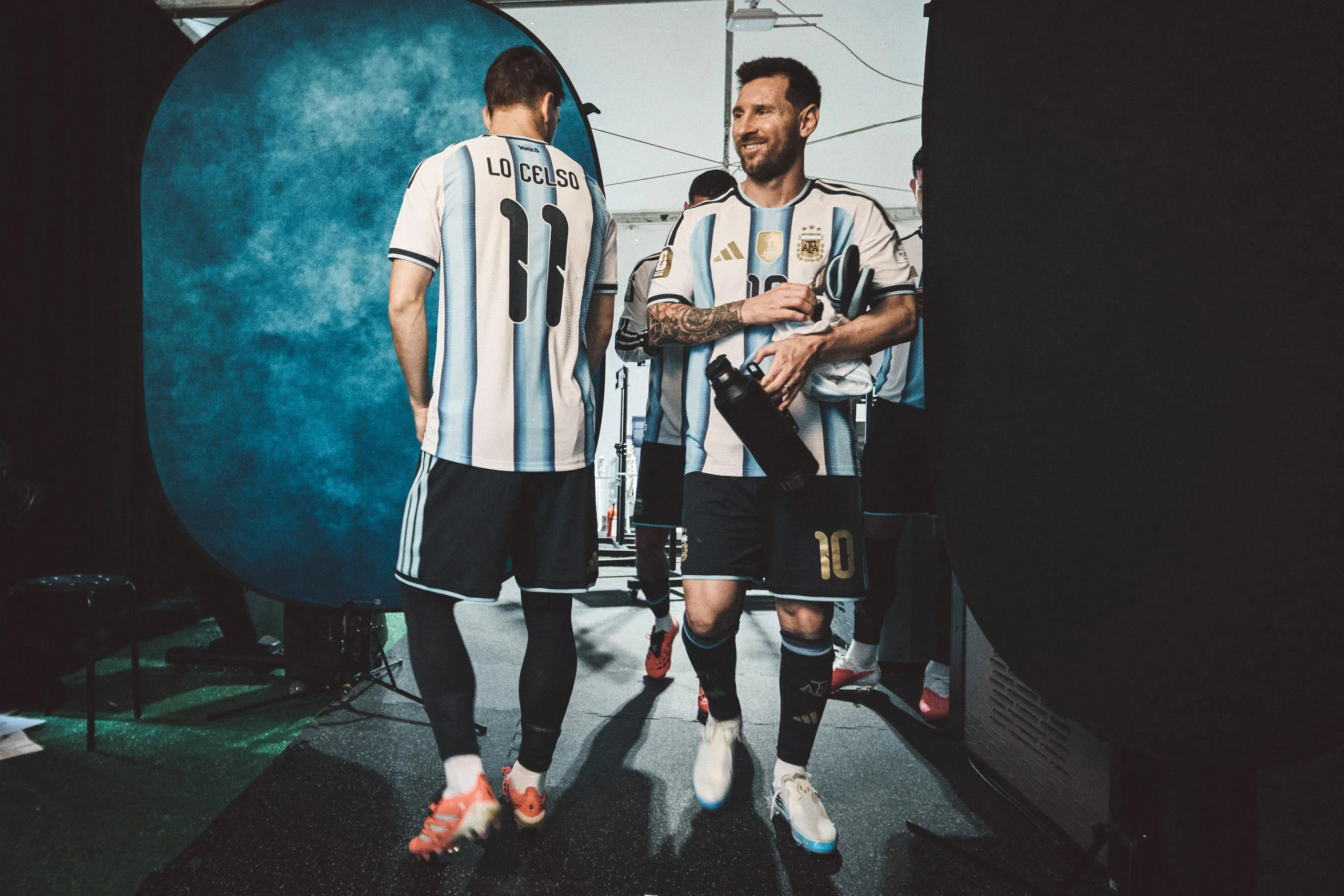
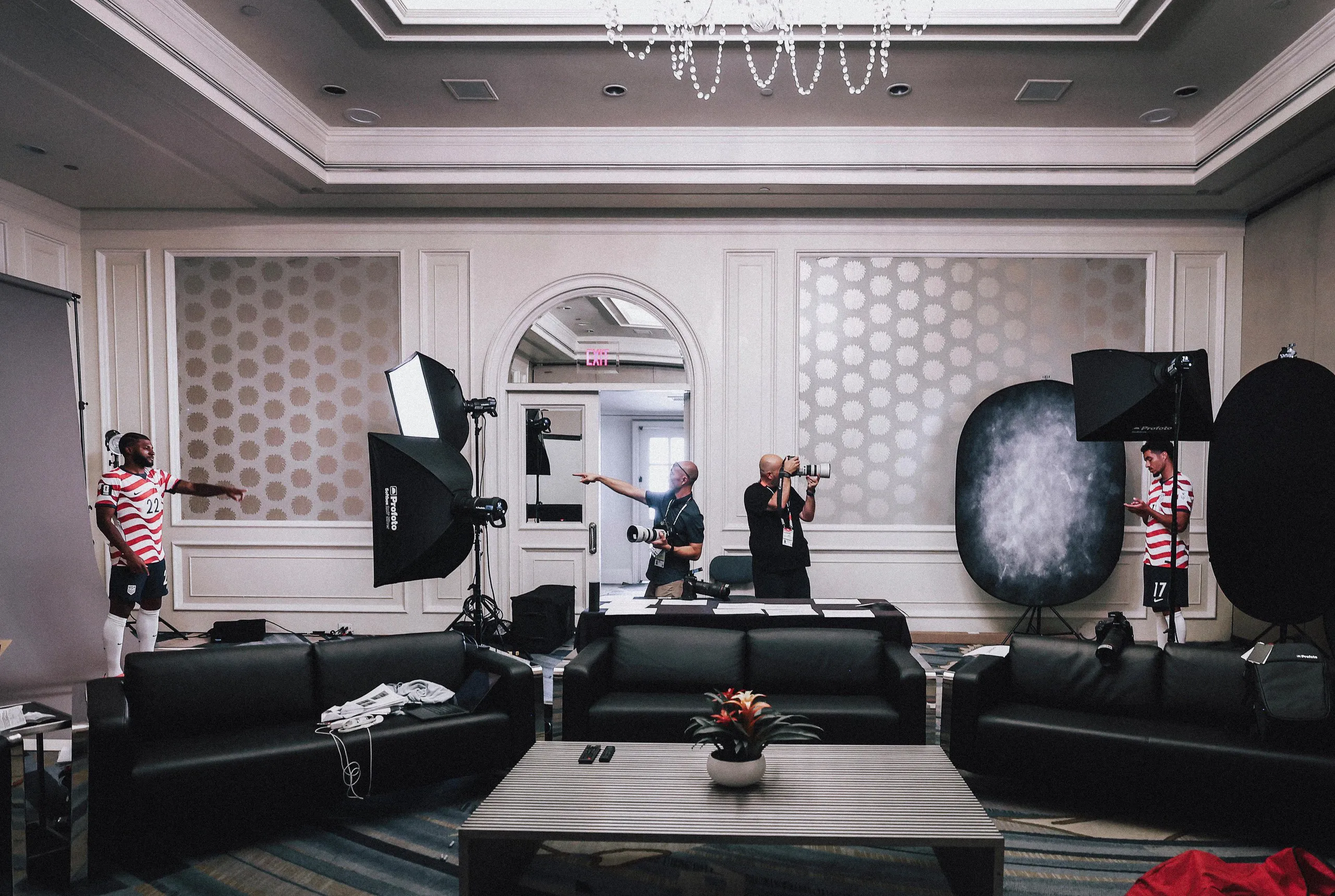
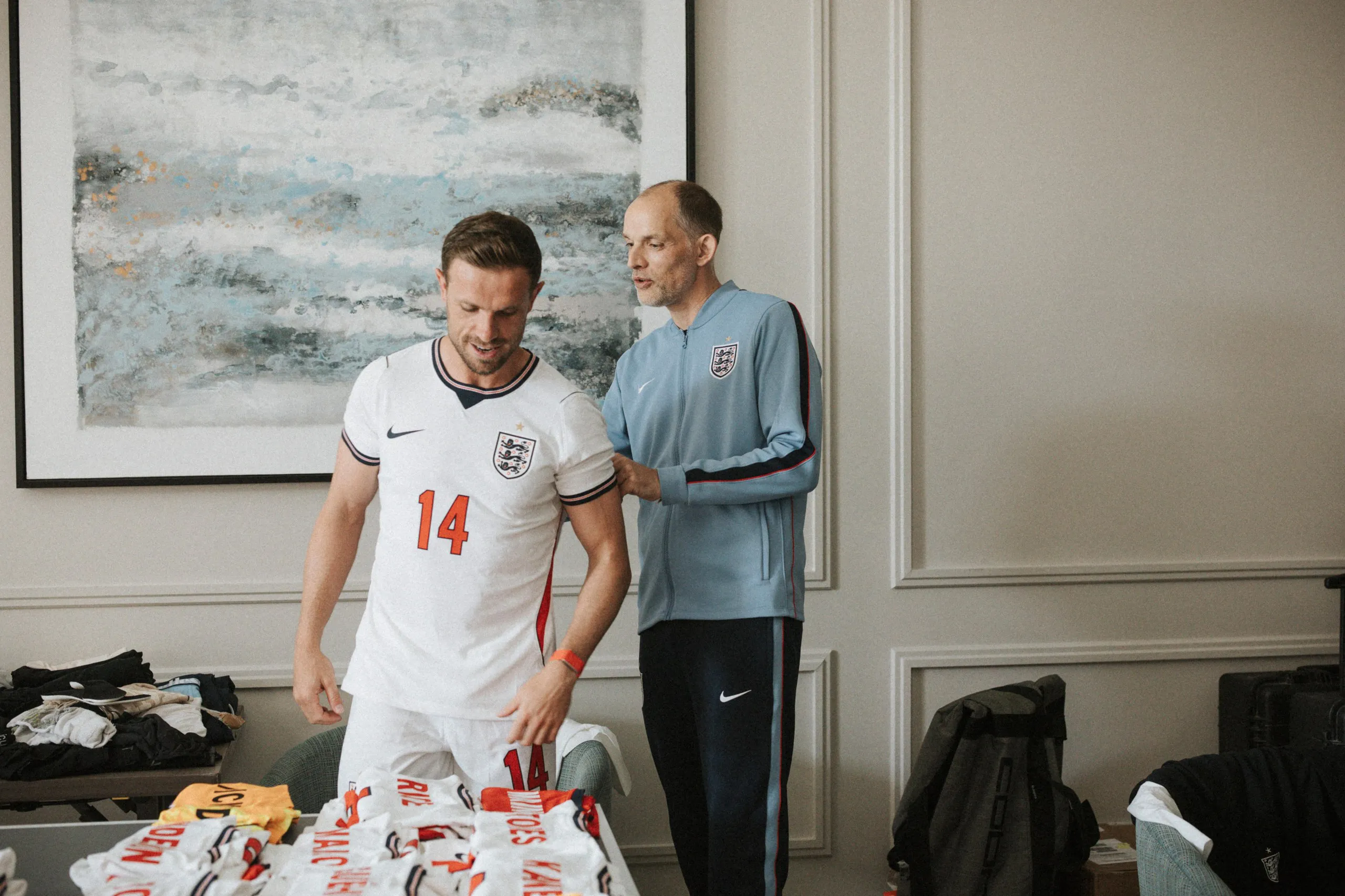
Behind-the-scenes images from Getty further illuminate the portrait-making journey and offer glimpses into the personalities of some players when the cameras are not rolling.
Each team was assigned a duo of photographers, who established contrasting backgrounds — one plain and another more ornate — facilitating rapid rotations of players and managers during the shoot.
Employing basic lighting setups, a substantial studio strobe with a softbox illuminated the subjects, enhanced by rim lights that contributed depth and definition from the rear.
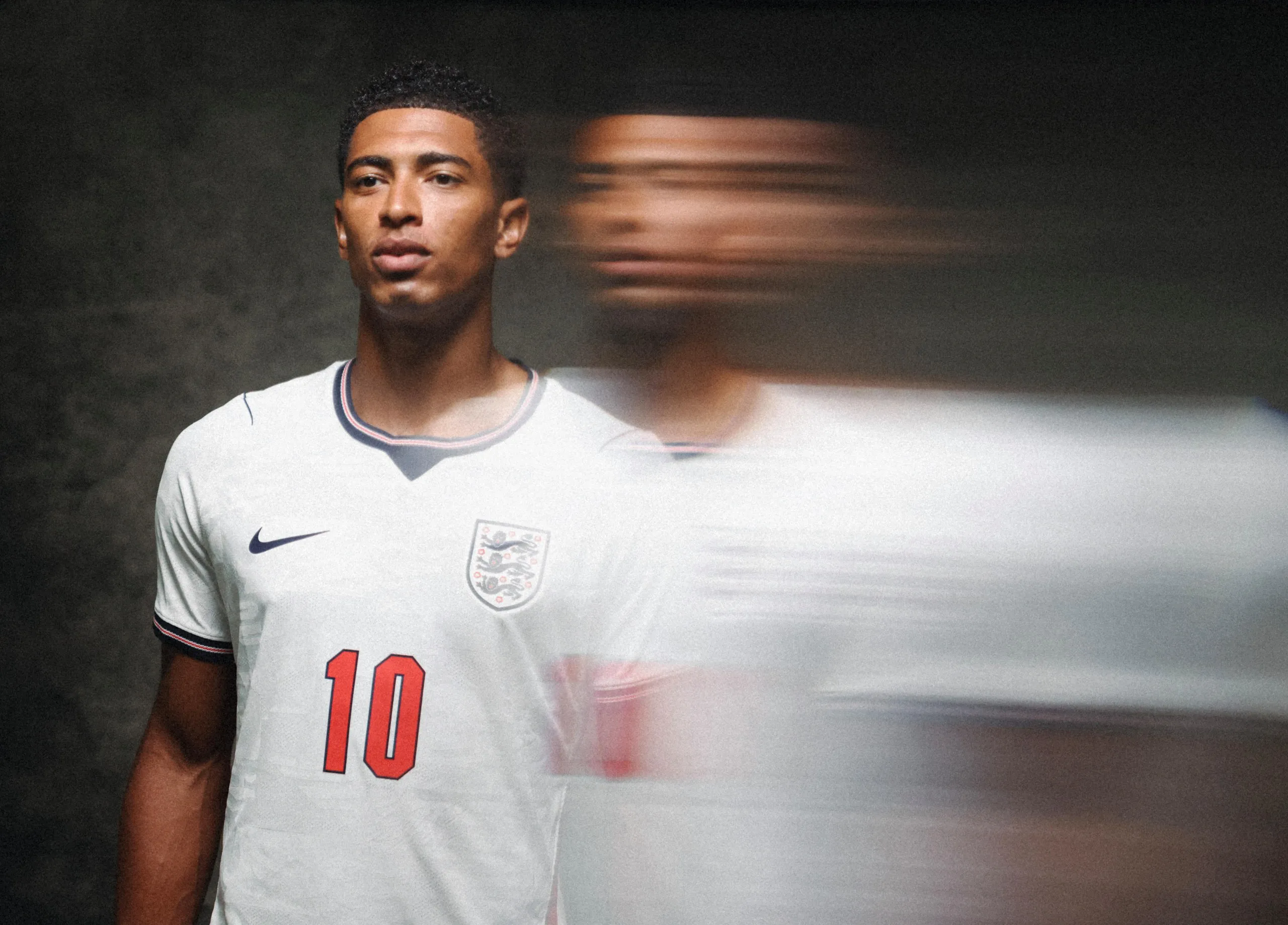
While the backdrops appeared less vivid compared to the official portraits taken during the 2022 World Cup, the photographers utilized specialized lens filters to craft striking images with unexpected blurring effects, particularly noticeable in Messi’s portrait.
Tom Jenkins, a sports photographer, shares insights on the distinctive difficulties of capturing high-profile footballers, especially when the process resembles a production line.
“With these kinds of shoots, you only get a few minutes with each player and you have to bash out various pictures and think incredibly quickly,” he explains.
“You want some shots that are dead plain like a school photo – that’s how player portraits always used to be done – but these days you also want pictures that are more emotive and fun. A lot of players will have their own poses and goal celebrations already but you’ve also got to have a list in mind. “The interesting thing is that you’re in control of these superstars and every aspect of the shoot. There’s a lot of pressure that comes with that. You have to make sure you’ve set things up and tested everything before they arrive, so that when the shoot starts you can just focus on them.”
“Most football players are very aware of their own image these days and they know how powerful it can be, especially through Instagram,”
Name cards were created for each player, including Messi, to ensure that the editing team recognized the world’s most celebrated footballer. Players often reviewed their images on set to ensure their satisfaction.
“They’ve done this kind of thing before for big brands – Eberechi Eze did Burberry and Declan Rice did L’Oreal – so actually they’re much more comfortable with being in front of the camera and some of them really enjoy it.” Jenkins comments.
“Ultimately I think the best portrait is one that displays the individual’s personality, and that’s why the Bielsa picture is so brilliant. It’s perfectly him.”
In spite of their comfort in front of the camera, several English players faced light-hearted criticism following their photoshoot: Declan Rice for his sunburn, Anthony Gordon for his likeness to Princess Diana, and Dean Henderson for his unsettling side-eye expression.
On the other hand, the more creative portraits of players like Jude Bellingham serve as a testament to the photographers’ ingenuity, even when the players themselves might not radiate dynamism.
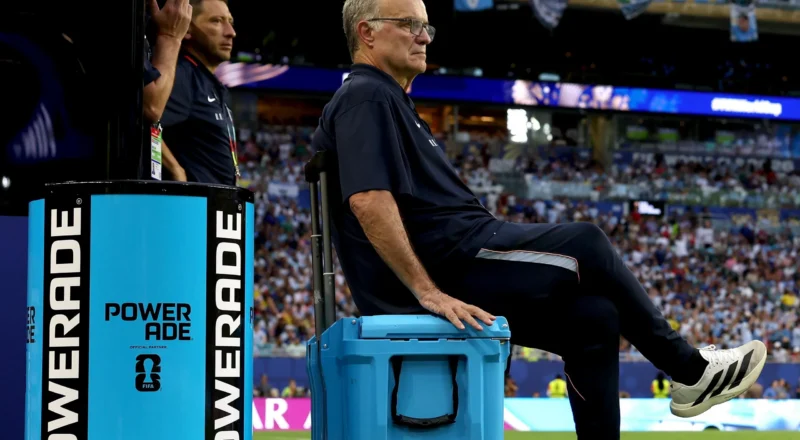
Interestingly, the portrait that attracted the most attention this time is not of a player but of Uruguay’s manager, Marcelo Bielsa. Captured by Michael Regan at the team’s base in Cancún, Mexico, this image illustrates Bielsa’s reluctance to engage with the camera.
Rather than looking directly at the lens, he gazed down at his feet, resulting in a distinctive shot that reveals much about the unconventional Argentinian. “I’m not a model,” he later remarked.
Jenkins concludes, “Ultimately I think the best portrait is one that displays the individual’s personality, and that’s why the Bielsa picture is so brilliant. It’s perfectly him.”