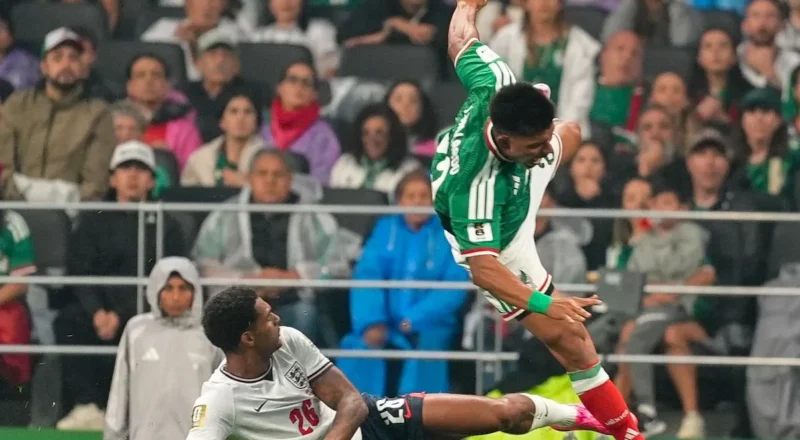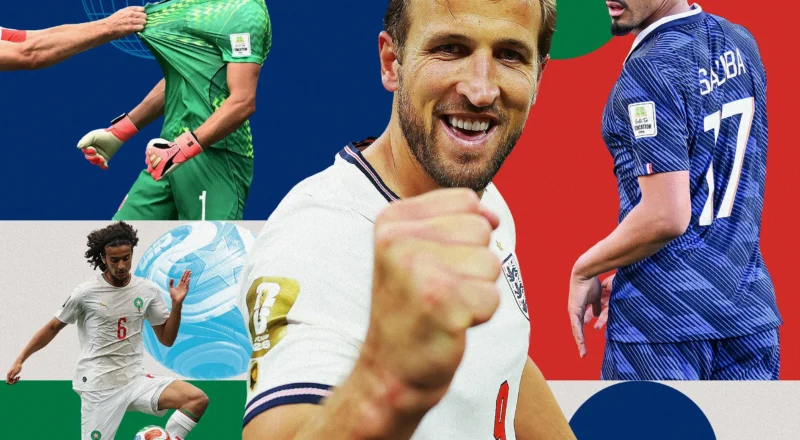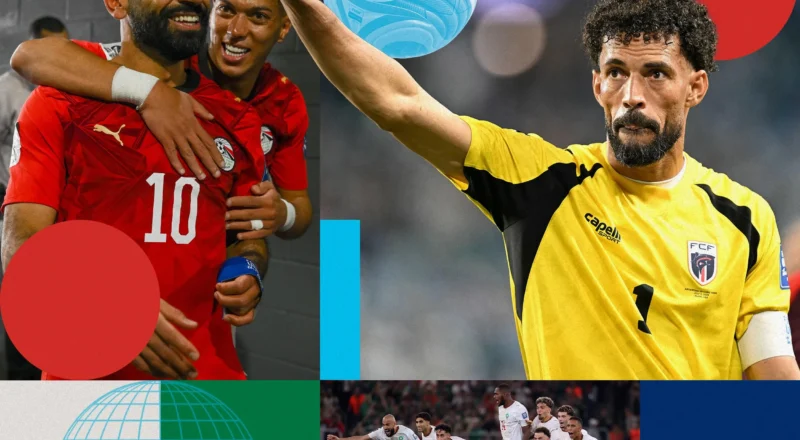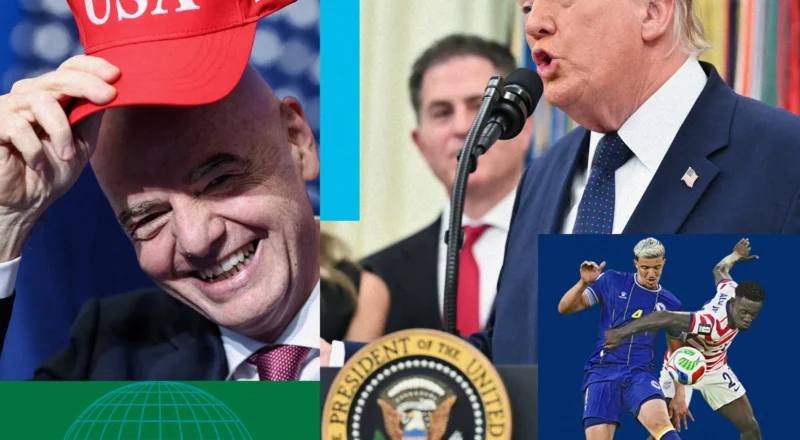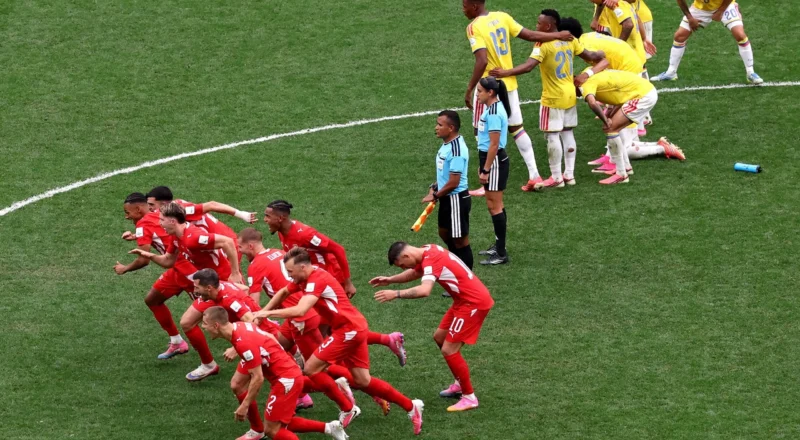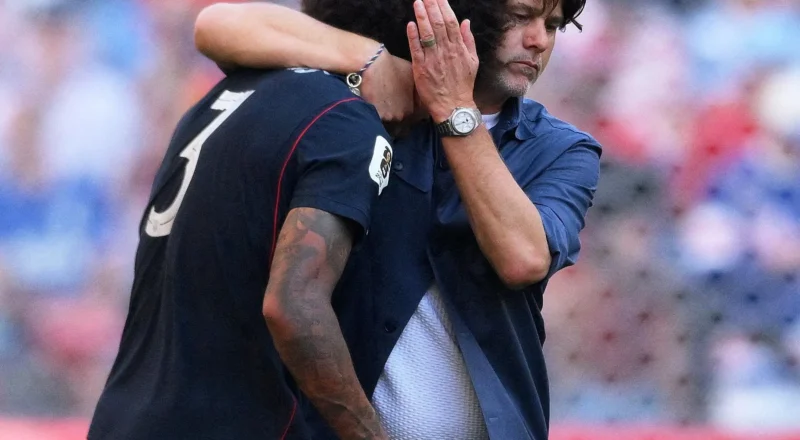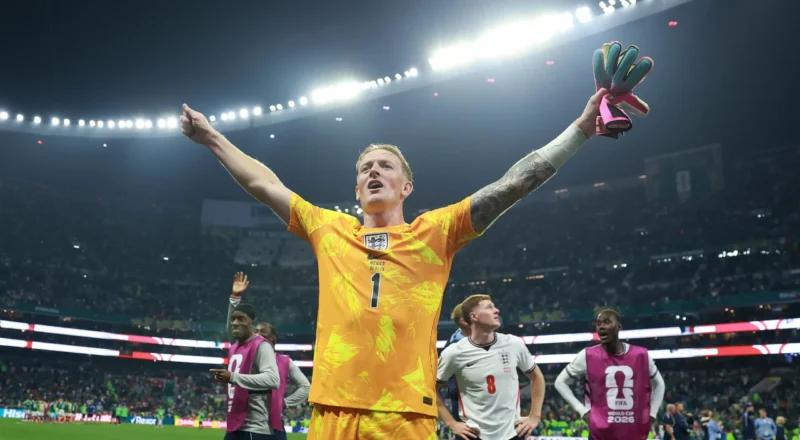


This World Cup has been marked by vibrant personalities, striking fashion trends, and memorable banter. From Thomas Tuchel’s exuberant antics in the England locker room to Iván Barton’s decisive actions against Miguel Almirón, the tournament has showcased an array of characters. Mauricio Pochettino’s $500 overshirt has inspired a new wave of stylish middle-aged men, while Javier Aguirre’s humorous retort toward Anthony Gordon has warmed relations between Mexico and England, reminiscent of historical peace negotiations.
Erling Haaland has illustrated the duality of a football star, embodying both ferocity in scoring and a playful spirit off the pitch. Even Harry Kane, often perceived as meticulously polished, has shown glimpses of a more animated side.
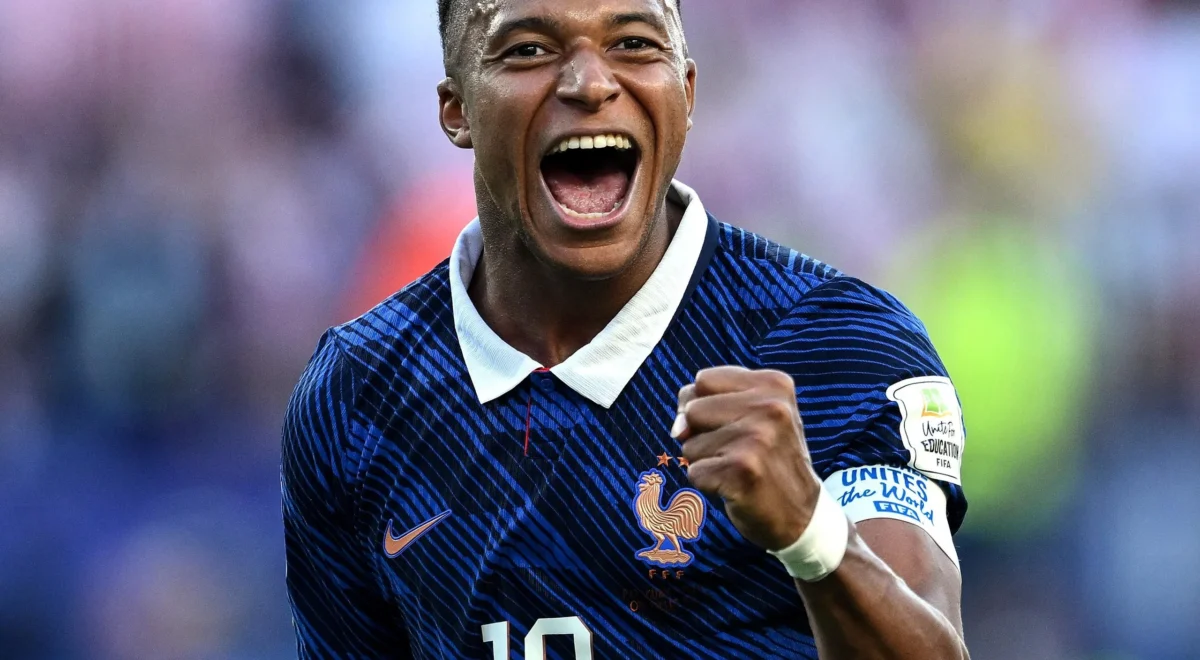
Yet, one player reigns supreme above all. Kylian Mbappé’s control of his game, demeanor, and eloquence is as graceful as his goal celebrations. Since childhood, Mbappé has endured teasing but has consistently emerged victorious. At just three years old in the suburbs of Paris, he would sing the Marseillaise with pride and declare his ambition to play for France, a prophecy he has fulfilled as the nation’s all-time leading scorer. Once mocked with a toy model of the Bernabéu, he now stands as a key figure for Real Madrid. In a recent match against Paraguay, he sealed victory with a crucial penalty, parading around the pitch with a beaming grin. Wherever he plays, Mbappé is destined to triumph, and his laughter resonates.
We have come to appreciate the qualities that make Mbappé an unstoppable force on the field: his incredible speed, formidable strength, and mesmerizing footwork. In French football, top players are often referred to as “It’s always the team that wins that is right” a term that suits Mbappé perfectly. He is the embodiment of agility and power, having shed one of his surnames to become simply Mbappé. Over the past month, our admiration for his skill set has only deepened. Innovations like referee view have exposed the nuances of his game, revealing how his speed and dominance are paired with a nonchalant finesse. Every display of power is also a demonstration of grace; he is both predator and swift escape artist.
During this tournament, Mbappé has evolved from an outstanding athlete into a cultural icon, with his influence off the pitch matching his prowess on it. Memes depicting him as a dictator began circulating prior to the event and have only intensified, prompting Didier Deschamps to clarify that his captain is not a tyrant but a beloved teammate. Deschamps may not be the most humorous figure in French football, but he may overlook that these comparisons enhance, rather than diminish, Mbappé’s status among his peers. To be a subject of memes is a modern accolade; it denotes a level of reverence. Previous legends like Messi and Ronaldo, despite their greatness, lacked the vibrant personality to inspire such cultural phenomena. Mbappé leads a new wave of players whose charisma and vivacity have finally provided fertile ground for online humor.
However, he is much more than just a meme. The culture of French football places high value on verbal prowess alongside technical skills; this is a nation that even hosts annual eloquence competitions among professional academies at the presidential palace. A natural orator, Mbappé has been captivating audiences since childhood, and at this tournament, he has reached new rhetorical heights. His insights on the evolution of football, his teammates’ roles on the field, and even hydration breaks have been delivered with urgency and authority. He remains a staunch supporter of Deschamps, affectionately describing him as a joker, a friend, and a strict father figure all at once.
Kylian Mbappé possesses an acute awareness of his own image and the ability to embrace his polarizing persona. In a world where many athletes shy away from controversy, he boldly confronts it. While Michael Jordan once adhered to the notion that “Don’t ask players for their opinion, we’re like weather vanes” Mbappé seems content with a reality where far-right supporters are left wanting. At this World Cup, his most impactful statement has been a fierce rebuke of a Paraguayan senator who made racist remarks against him following her country’s defeat. He declared, “Good thing you weren’t on the other side.” and asserted, “Republicans buy sneakers too” This marked departure from the traditional silence of sports figures signifies a new era, heralding the end of the Ronaldocene and the dawn of the Mbappécene.
What forces have shaped this extraordinary individual, this myth of Mbappé? He attributes it to his upbringing. Described as a restless youth, his parents ensured he had the resources to channel his abundant energy, including a psychologist from the seventh grade and lessons in flute and theatre, alongside his football training.
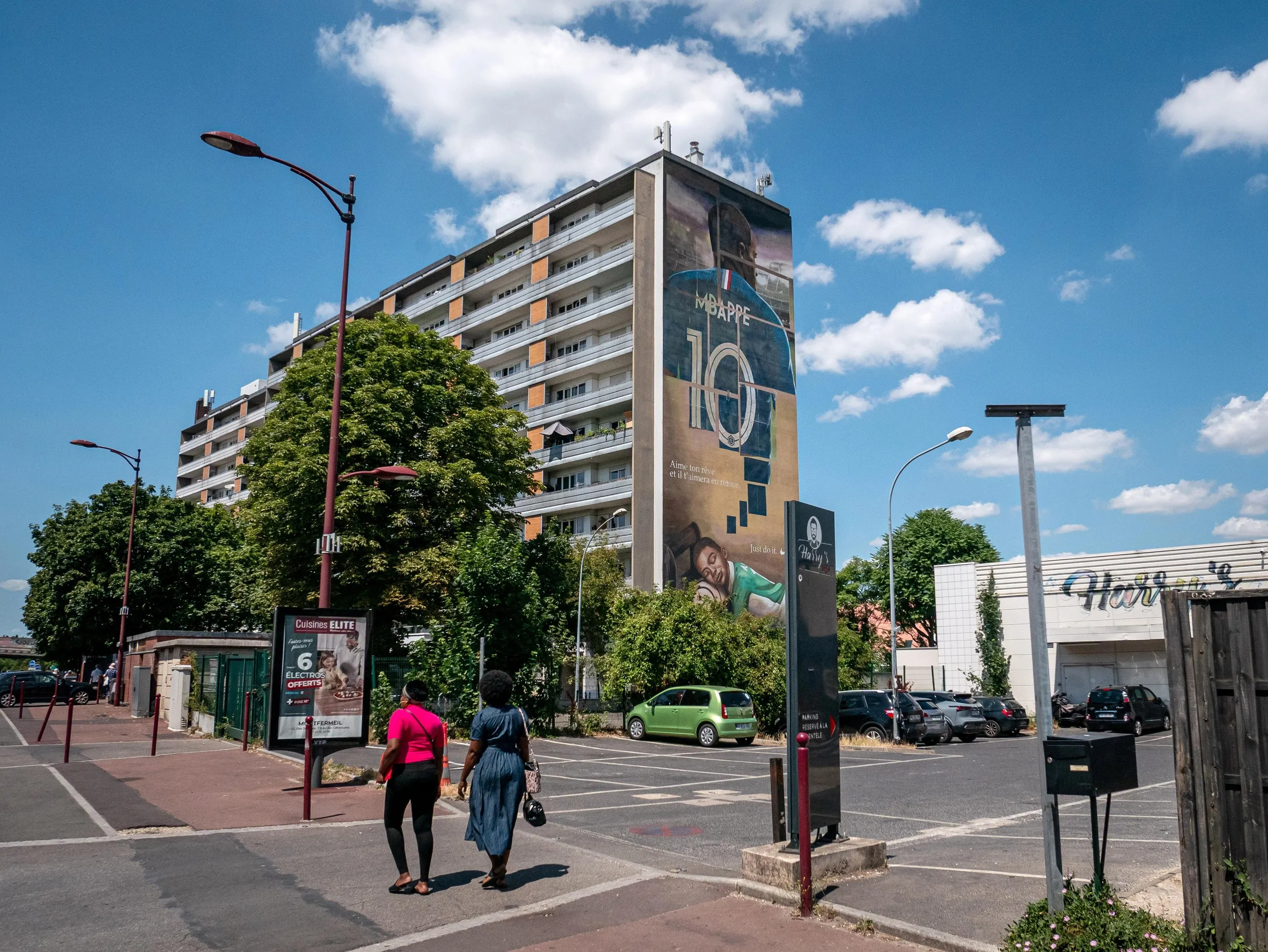
Growing up in Bondy, a suburb just a stone’s throw from Stade Léo-Lagrange, Mbappé was surrounded by the very environment that has produced a wealth of footballing talent. This World Cup features 56 players from Paris, more than any other city in the world. The discussion surrounding the banlieue, home to approximately 13 million Parisians and a breeding ground for footballing excellence, has become prominent. Bondy is a fertile ground for modern French football, with fellow professional players like William Saliba also hailing from the area. The question remains: what elements contribute to the success of the banlieue as a hub for sporting talent? Is it the density of the population, the subsidized sports programs, the architecture of social housing, the pitch sizes, or the dynamics between migrant communities and mainstream French society?
It is likely a combination of these factors, but Bondy reveals an additional layer worth noting. Nestled near the stadium where Mbappé honed his skills is a vibrant public housing project adorned with colorful tiles, an architectural gem designed by Oscar Niemeyer. This center serves as a hub for community support and activism, alongside a swimming facility named after the Belgian singer Jacques Brel. This unique blend of monotony, opportunity, and ambition illustrates the dual nature of life in the French banlieue.
At the heart of this dynamic environment, Kylian Mbappé stands as a unifying figure, embodying the finest qualities of French culture, both self-critical and spirited. He is a statesman and a comedian, a source of memes and a purveyor of hard truths, the highest ethical authority in the sport, and its most reliable source of humor. He is a footballer, a flautist, and an actor, marching into World Cup history with the composed assurance of someone who has understood his purpose from an early age. Long live King Kylian: while Napoleon crowned himself, there is no doubt about who currently dons the crown in football.