

The World Cup has sparked a lively debate about its significance for African football, akin to the classic social media meme regarding the color of a dress. Was this tournament a triumph for the continent, or did it highlight underlying issues in its football landscape? The answer likely varies depending on one’s perspective.
For many years, the Confederation of African Football (Caf) has contended that its 54 member nations deserve more than five World Cup slots. While only 9% of African teams have reached the tournament, 50% of South American nations have participated. However, critics argue that South America has a strong historical advantage, with ten World Cup victories, while Africa has yet to see a team reach the semifinals until Morocco’s remarkable run in Qatar in 2022.
Striking a balance between adequate representation and ensuring quality is a complex task. Despite the criticisms of a 48-team format, the allocation of nine guaranteed spots for Africa, with the potential for an additional place through intercontinental playoffs, is a positive development. The Democratic Republic of the Congo (DRC) claimed this opportunity, further enhancing the continent’s chances.
Yet, a lingering concern remains: what if the teams struggle? If too many African sides had been eliminated in the group stage, it could have been argued that Caf had overreached in its quest for more slots. Ultimately, nine African teams advanced from their groups, providing a measure of vindication for those advocating for greater representation. In contrast, UEFA and Conmebol saw 13 and five teams, respectively, qualify for the knockout rounds, while Asia and North America underperformed.
This tournament has proved beneficial for African football, even with Tunisia recording one of the worst performances in World Cup history. The team set a dismal record by trailing for a total of 256 minutes throughout their matches, surpassing Mexico’s 96-year-old record for the most time spent behind.
Achieving a 90% success rate in group stage advancement may seem impressive, yet no African team topped their respective groups. The secondary goal was for three teams to reach the Round of 16, a milestone achieved by Morocco and Senegal in Qatar. In past tournaments, Africa has struggled, with only a handful of teams advancing beyond the group stage.
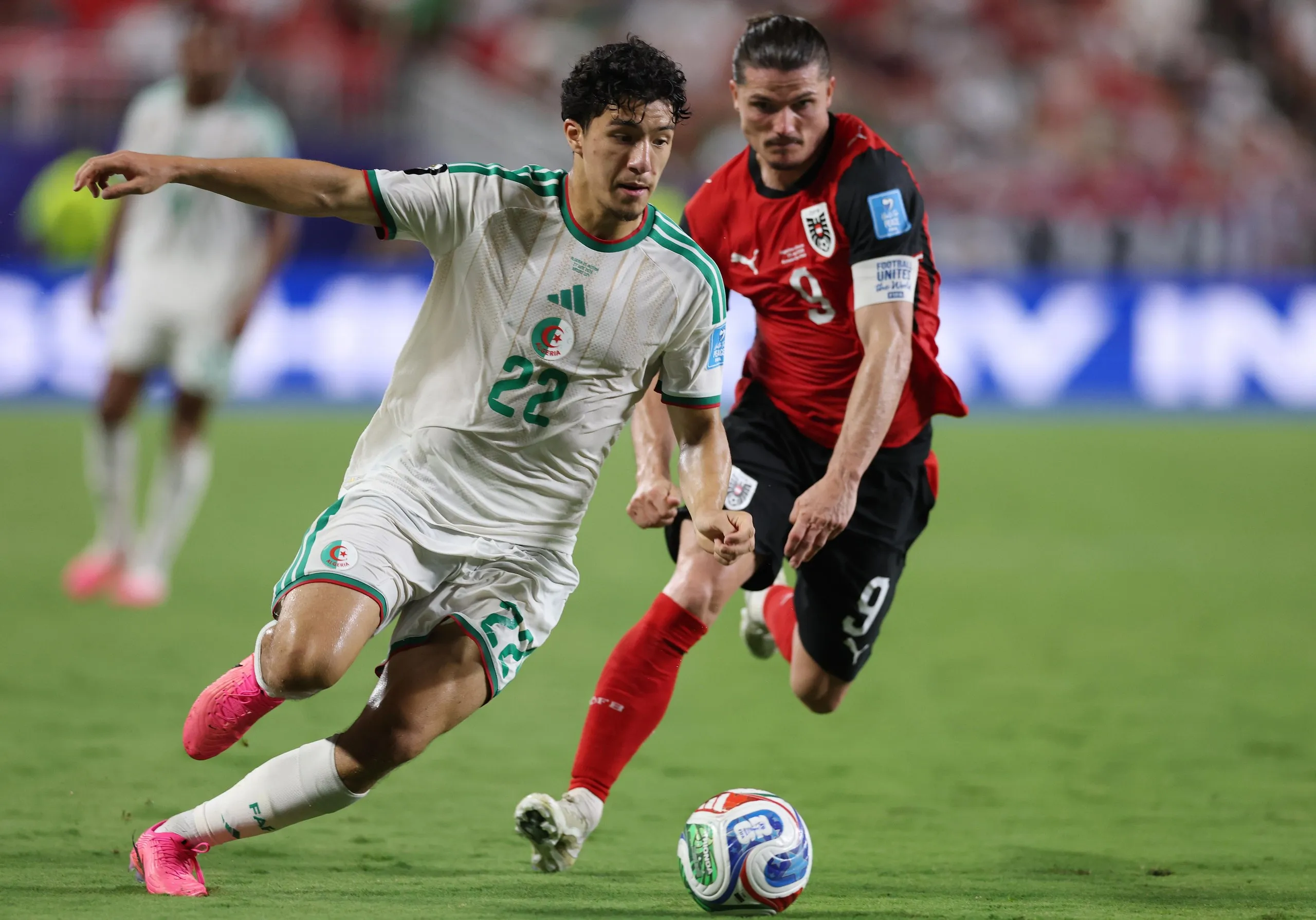
On this occasion, both Morocco and Senegal progressed, both winning on penalties. This achievement, while notable, also raises questions about what could have been. Algeria faced a tough defeat against Switzerland, though Ibrahim Maza’s performance showcased his talent. Algeria’s persistent issue of conceding unnecessary goals in the group stage could have altered their fate. Other teams, however, lost by narrow margins.
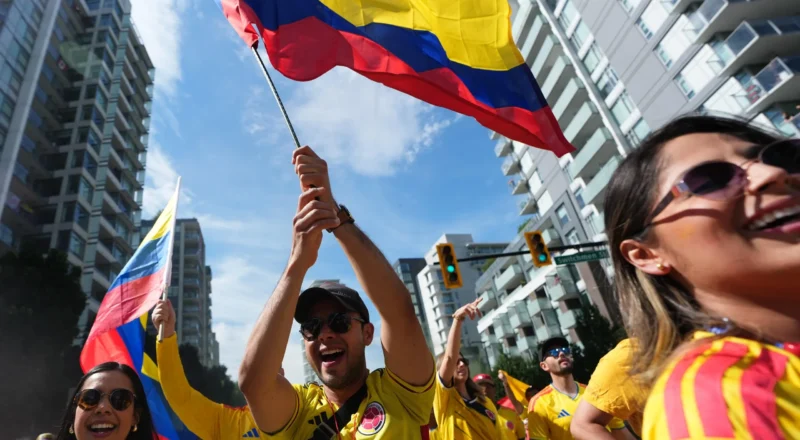
Some defeats were particularly heart-wrenching. South Africa succumbed to an injury-time goal against Canada, and their lackluster performance in the knockout stage was a stark contrast to their semi-final run in the Cup of Nations earlier this year. Ghana struggled to regain control against Colombia after falling behind, reflecting the challenges of having Carlos Queiroz at the helm, where tactical rigidity can lead to stagnation.
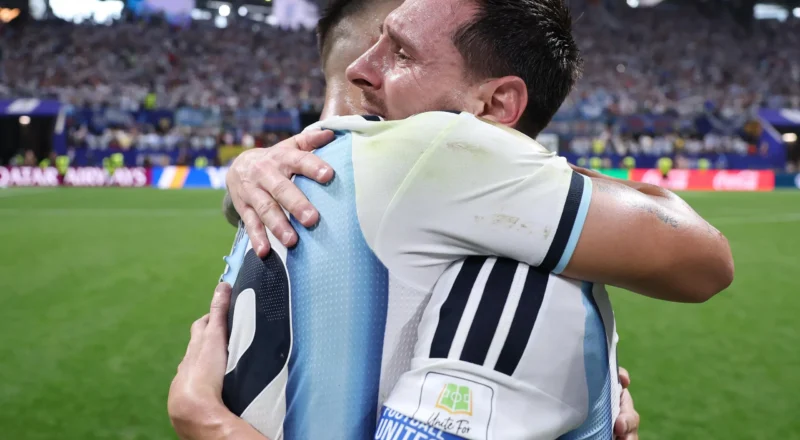
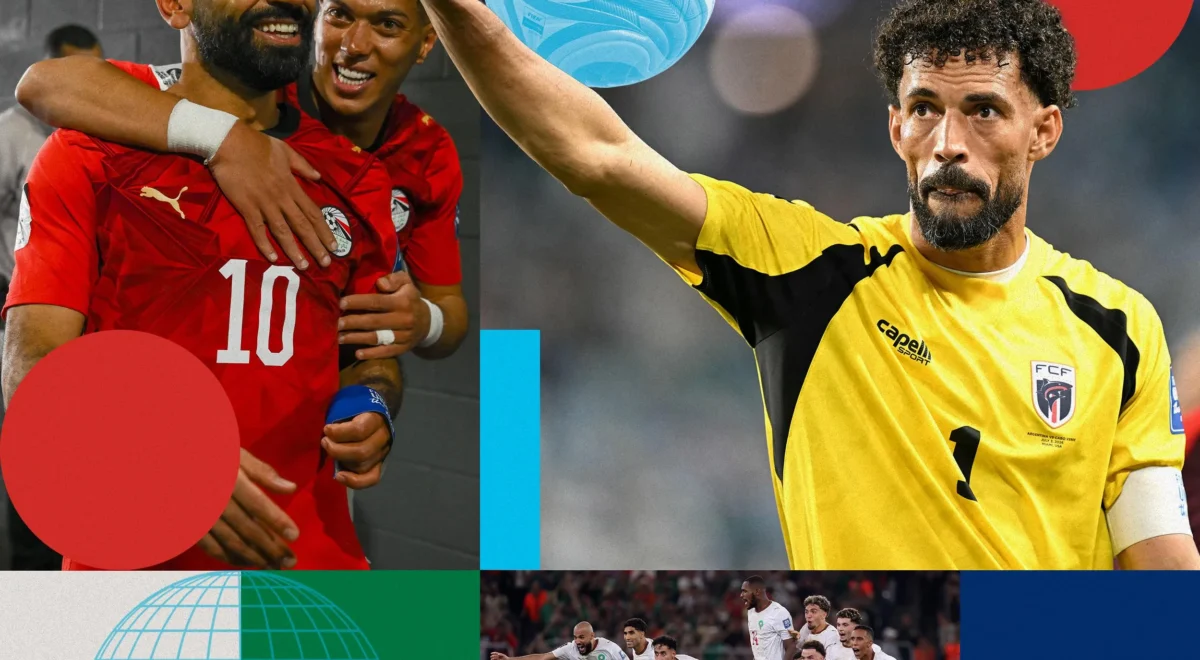
For Cape Verde, simply qualifying for the World Cup was a remarkable feat, and pushing Argentina to extra time, even managing to equalize twice, highlights their achievement. However, for the other African teams, the sense of missed opportunities lingers.
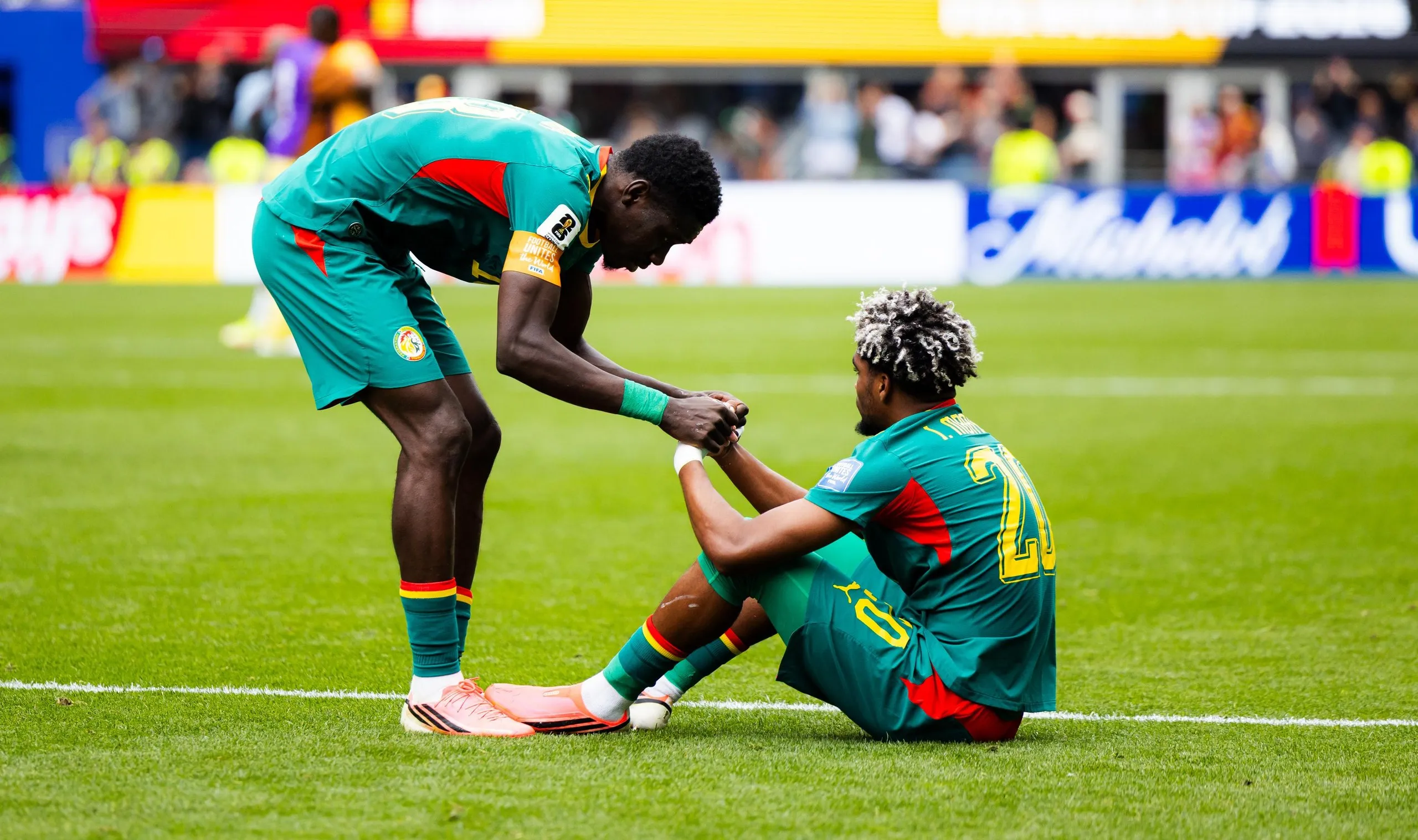
Senegal, in particular, may feel they squandered a significant chance. Despite the controversies surrounding a late penalty awarded against them, they had outperformed Belgium and led 2-0 with only minutes remaining. Côte d’Ivoire also had solid chances, equalizing against Norway but ultimately falling short. The DRC led against England but faded late in the match.
Moreover, Côte d’Ivoire had a lead against Germany, Morocco was ahead of Brazil, and Senegal appeared in control at halftime against France, yet none secured victories. These instances illustrate a failure to capitalize on advantageous positions. As the Belgium coach Rudi Garcia pointed out, it may stem from inexperience in managing leads against higher-ranked opponents.
The potential lack of depth in squad options might have played a role, with fatigue clearly impacting the DRC. There may also be a pervasive lack of belief when facing more renowned teams. It’s unclear if these issues are universal across all sides.
Morocco has the opportunity to establish itself as a consistent force in the global football arena. However, there is a growing sentiment that while the base of African football is expanding, the overall quality remains stagnant: many teams can reach the last 32, but few possess the capability to advance to the last 16.
For progress to occur, teams like Senegal and Côte d’Ivoire must learn to convert promising starts into victories against formidable opponents.
- World Cup 2026
- Inside football
- World Cup
- Algeria football team
- Cape Verde
- Democratic Republic of the Congo football team
- Egypt football team
- Ghana football team