

Taylor reflected.
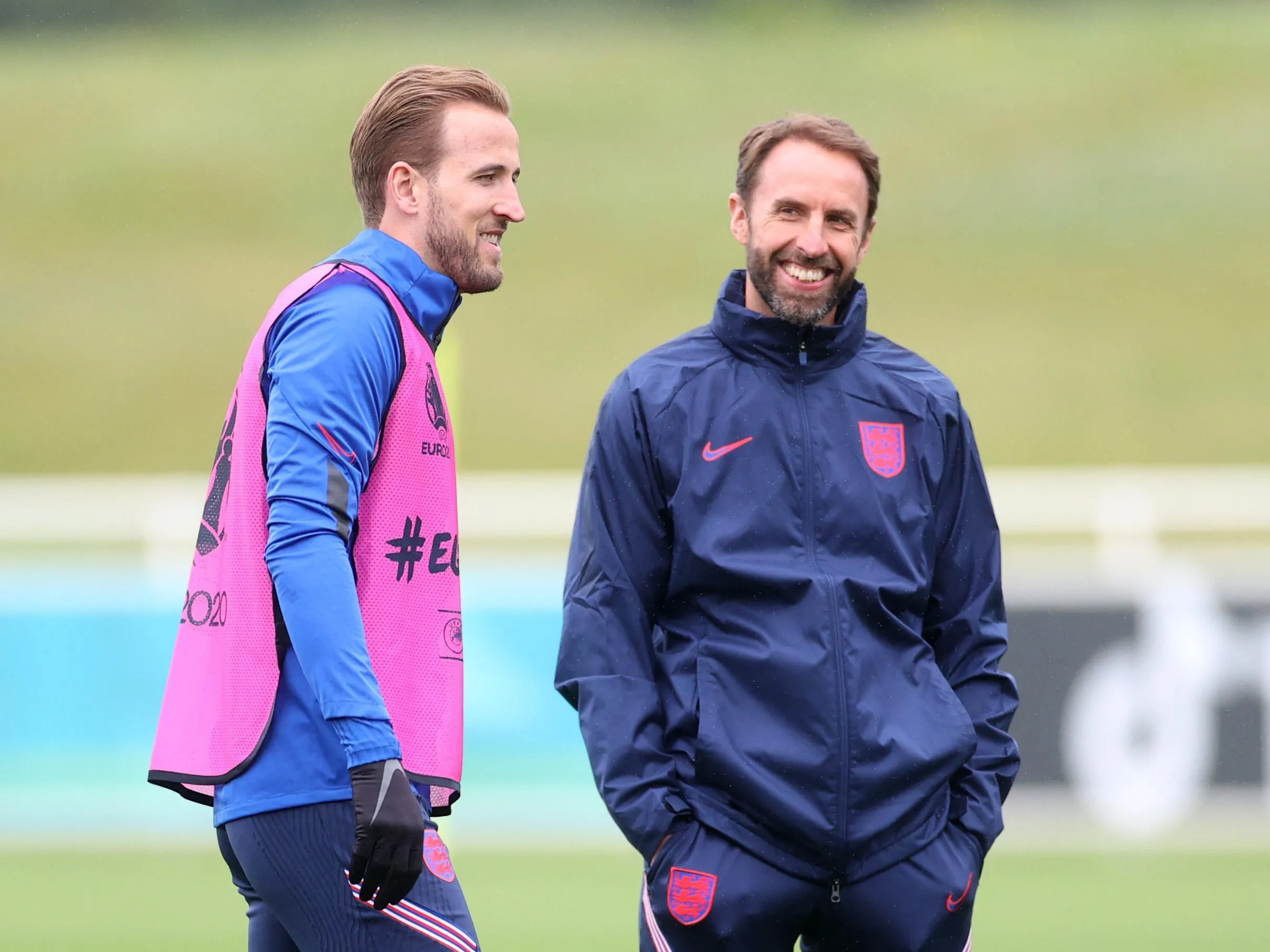
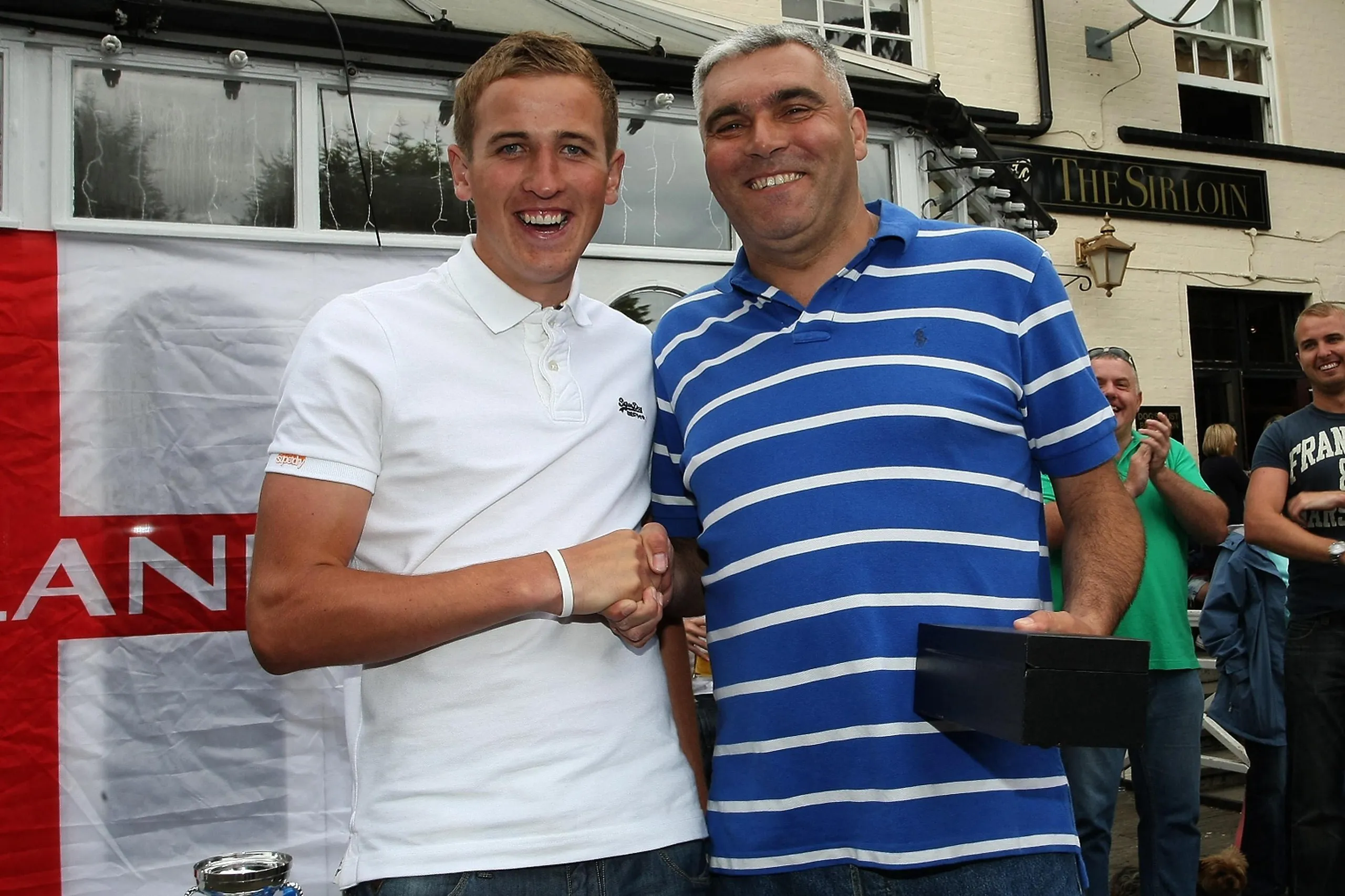
In an alternate reality, Harry Kane might have become a goalkeeper rather than England’s all-time leading goal scorer. On his debut at Ridgeway Rovers, his first club, coach Dave Bricknell asked if anyone wanted to take the goalie position. Young Kane eagerly volunteered and showed promise in that role.
“I thought I’d found a goalkeeper,” Bricknell recalls. “At that age, you don’t get many kids that don’t mind standing in front of a ball.”
However, his talents on the pitch quickly overshadowed his goalkeeping abilities. Kane, a natural scorer, netted over 40 goals in his inaugural season, catching the eye of Arsenal scout Steve Leonard. While they recognized his potential as a goalkeeper, Kane also trained with the goalkeeper coach Alex Welsh in the evenings.
How did this potential goalkeeper become a candidate for England’s greatest No. 9? Coaches who guided him during his development recall his unwavering determination and self-confidence, even when others doubted him. Some wonder if his understanding of the goalkeeping position contributed to his prowess as a forward.
“The best thing I could ever say about Harry is his resilience,” Bricknell states. “He didn’t really care if he missed because he knew another chance would come along, which has held him in great stead.”
Unlike many young athletes who falter after setbacks, Kane returned to Ridgeway Rovers undeterred after Arsenal released him. Soon after, he caught the attention of Tottenham Hotspur’s Mark O’Toole. Following another release, Kane impressed again while on loan at Watford, leading Spurs to bring him back.
Bricknell emphasizes that Kane’s grounding came from “Having two caring parents, guiding him the right way, he’s had a stable relationship most of his life, that keeps you grounded,” which contributed to his stable upbringing. This support proved invaluable during the numerous loan spells at Spurs, a time when many questioned if he would ever earn a first-team spot. During this period, he was also called up to England’s under-20s for the World Cup in Turkey, where he faced further disappointment.
Peter Taylor, the under-20s manager, recognized Kane’s strengths, particularly his finishing skills and ability to convert chances efficiently. However, like many others, he did not foresee Kane’s remarkable ascent.
“If you’d asked me if he was going to go back from that tournament and all of a sudden get into Spurs’s first team and have the career he’s had, I would’ve said: ‘I hope he does, because you couldn’t meet a nicer boy, but probably not.’ He’s put his heart and soul into his career.”
Kane also displayed a playful side. With a two-month contract, Taylor had assembled the team at short notice and organized a golf putting contest in the hotel to foster camaraderie. While most players donned standard training attire, Kane arrived fully decked out in golf gear, complete with a hat and gloves. “He’s come down as if he’s going to play the Open,” Taylor laughs. “Harry’s great company. He was quietly confident he was going to have a good career. You could just tell there’s something about him – he was confident. It wasn’t a case of ‘football owes me a living’; it was: ‘I’m gonna work me socks off to have one.’”
Although England featured a strong squad—including talents like John Stones and Ross Barkley—Kane only managed to score once, with the team finishing at the bottom of their group after drawing twice and losing, facing Iraq, Chile, and Egypt.
On the return ferry from Turkey, Taylor had the chance to spend time with Kane. “I believe Harry Kane is the best player in the world in terms of mental strength, willpower and endeavour,” Taylor shared.
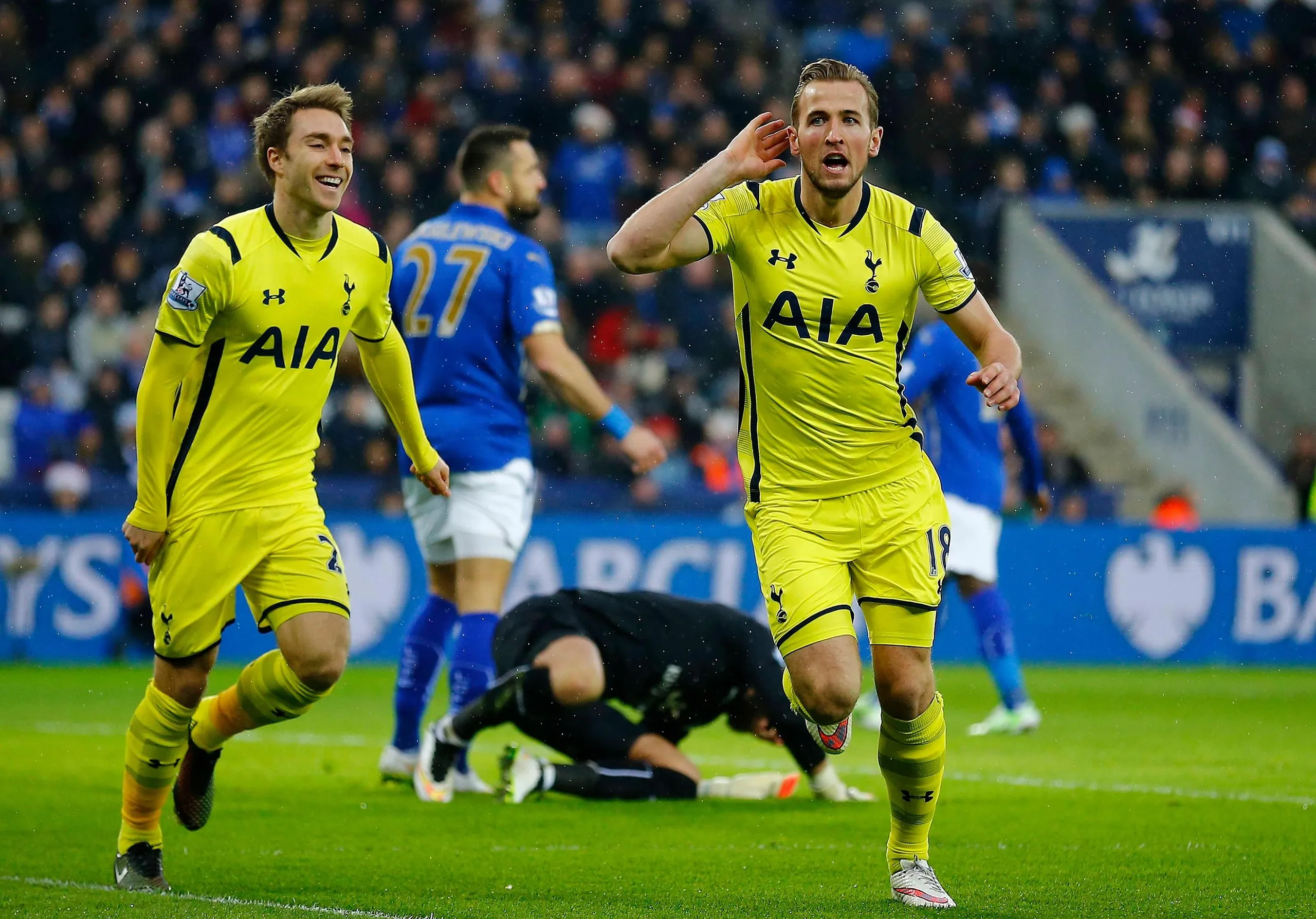
In the following season, 2013-14, Tim Sherwood gave Kane a chance in the Spurs first team, resulting in four goals. The next season, under Mauricio Pochettino, Kane’s performance skyrocketed, scoring 31 goals in 51 appearances, including 21 in the league. In 2016, he claimed his first of three Premier League Golden Boots.
Initially, Kane and Pochettino struggled to find common ground. The manager encountered a frustrated striker wary of yet another coach who might favor new signings over academy talents. Pochettino was also uncertain about Kane’s style of play.
Kane favored a more traditional approach: holding the ball with his back to goal, positioning himself in the box, and waiting for his opportunities. In contrast, Pochettino sought forwards who pressed aggressively and reclaimed possession, ultimately molding Kane into a more dynamic modern forward.
Pochettino was demanding, pushing Kane to enhance his fitness and work ethic. Kane, to his credit, responded positively. Although he owned a home in Essex, he purchased a second property near the training facility, opting to stay there during the week to ensure he was among the first to arrive and last to leave.
“He is completely focused on his football.” Pochettino remarked in his 2017 book,Brave New World. “Harry had a quiet, powerful, strong aura about him,”
Fast forward five years after that under-20 World Cup in Turkey, and Kane was a World Cup semi-finalist.
Gareth Southgate further nurtured Kane’s development, building teams around him that achieved unprecedented success for England. In 2017, Southgate introduced Allan Russell as a striker coach, who had spent the majority of his playing career in Scotland.
“Over the years, it turned into a self-assurance that he just cannot be nudged off track, whatever happens.” Russell recalls. “Is he a nice guy? No. He’s a good guy. Nice guys get taken advantage of, seem to be a little bit softer. He’s mastered that fine line. Other players will act selfish, and their behaviours will come across as maybe arrogant. Those traits come out in Harry in his ability to score goals.”
How do you enhance a Premier League Golden Boot winner? According to Russell, some players require coaching while others thrive on challenges—Kane firmly belongs to the latter group. Anyone who has met Kane is struck by how genuine and likable he appears. Yet this demeanor contrasts sharply with the selfish arrogance often seen at the highest levels of competition.
“He’s like: ‘I’m playing,’” Russell asserts. “‘Every game – I want to score goals, I want to break records.’ That’s his mentality. “Now he is older and wiser. He manages his energy levels better in games. He manages triggers on when to press. He manages when he comes deep. You’re probably seeing him at his prime. “The tournaments I had with him, you could see him starting to dip towards the end. That could be mental fatigue, because he carries the team a lot as captain. Now he’s matured into a true leader, maybe the anxiety and stress of being captain is no longer a big drain on his energy levels; maybe it’s allowed him to go and flourish more.”
After Kane scored twice against the Democratic Republic of the Congo to secure victory for England, Russell texted him, praising his performance.
“I wouldn’t put it past him.”
Kane’s response was gracious.
“Thanks Al, I know you’ll enjoy that second finish.”
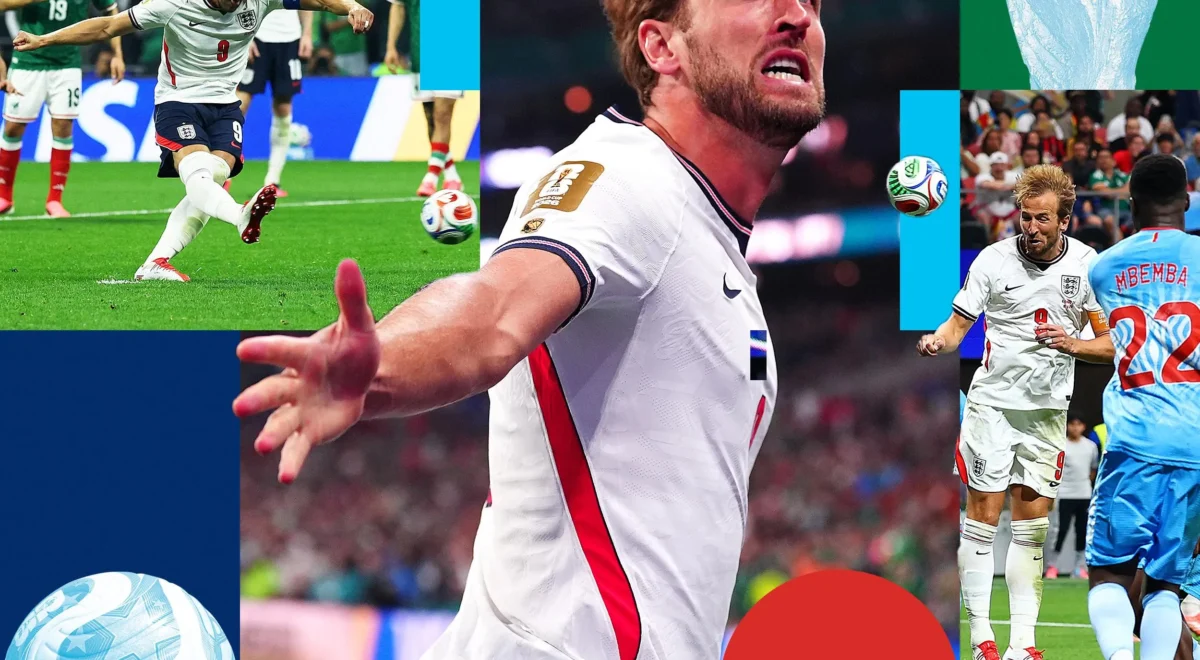
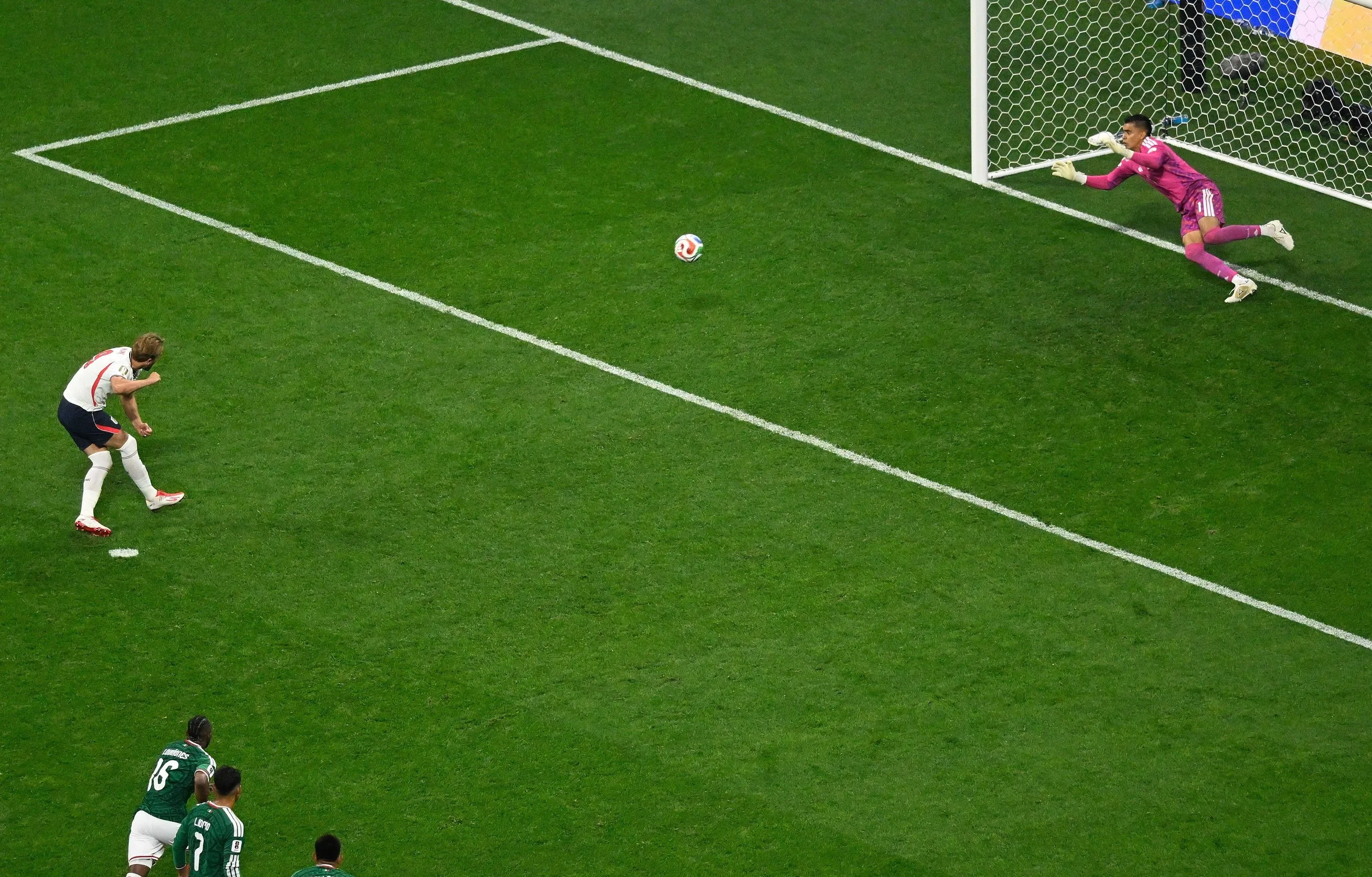
In this World Cup, Kane appears to be at his peak. Approaching his 33rd birthday just nine days after the final, he has matched his six-goal tally from 2018. As England’s leading scorer, he surpassed Gary Lineker’s record and eclipsed Pelé in the process.
Russell reminisces about a time in Lithuania when he suggested to Kane that he could skip a friendly match to rest. “He’s like: ‘I’m playing,’” Russell recounts. “‘Every game – I want to score goals, I want to break records.’ That’s his mentality.
“Now he is older and wiser. He manages his energy levels better in games. He manages triggers on when to press. He manages when he comes deep. You’re probably seeing him at his prime.
“The tournaments I had with him, you could see him starting to dip towards the end. That could be mental fatigue, because he carries the team a lot as captain. Now he’s matured into a true leader, maybe the anxiety and stress of being captain is no longer a big drain on his energy levels; maybe it’s allowed him to go and flourish more.”
Will we see Kane at another World Cup? “I wouldn’t put it past him.”
- Harry Kane
- World Cup
- World Cup 2026
- England
- features