

On June 28 at 4:38 PM, Donald Trump posted a message on Truth Social, a regular occurrence for the former president. Throughout that afternoon, he also shared posts at 3:58 PM, 3:59 PM, and twice at 7:42 PM, all in his characteristic, cartoonish style. His posts conveyed a tone reminiscent of an animated snack commercial, blending humor with serious topics like geopolitics.
Trump’s remarks included boasts about his new ballroom, a lengthy commentary on the condition of various golf courses, and complaints over recent setbacks in his legal battles—most notably, the jury’s access to a video where he seems to brag about his inappropriate behavior. This was, without a doubt, the president of the United States.
Amid this flurry of activity, the 4:38 PM post about the World Cup stood out. Its more subdued tone, lacking direct insults, was an exception. He stated, “The FIFA Numbers are far greater than any World Cup in History. This is a Great Tribute to the United States of America,” highlighting the impressive attendance figures that indicated 4.6 million spectators had attended the World Cup matches so far.
However, these statistics should be interpreted with caution. The sheer number of matches held in the U.S., Mexico, and Canada has surpassed those of the entire Qatar 2022 event. It’s akin to claiming superiority based on the size of a fast-food burger—bigger doesn’t always mean better.
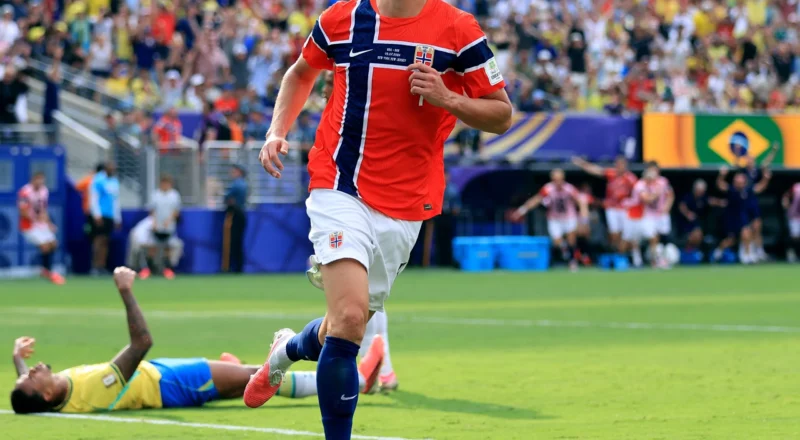
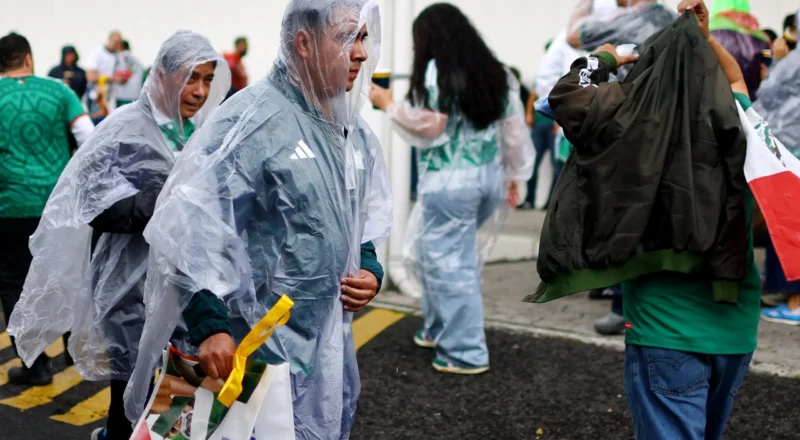
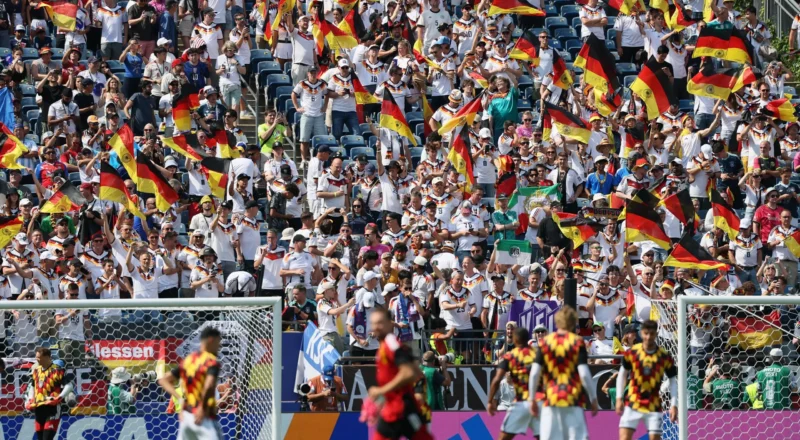
What made Trump’s statement particularly noteworthy was that it actually referenced the World Cup. Surprisingly, he has remained largely absent during the first 22 days and 82 matches of the tournament. A president known for his public presence during major events has yet to attend a single game, leading to questions about his unusual reticence.
This decision to stay away appears tactical. Trump has historically positioned himself as a dominant voice, saturating the media landscape with his commentary. His style has allowed him to thrive in an environment overflowing with noise, similar to how empires rise and fall based on their ability to manage their messaging.
In contrast, the United States risks fragmentation due to the multitude of competing voices. This is where the dynamics of democracy and free speech clash with those of a centralized authority. Trump seems to understand this complexity, recognizing that even chaotic communication can serve a purpose. By amplifying his voice amid the noise, he aims for maximum recognition and impact.
Given this context, his absence from such a high-profile event is likely deliberate. Historical precedents, like Vladimir Putin’s muted presence during the 2018 World Cup in Russia, suggest a strategy of minimizing conflict during a globally scrutinized period.
Putin attended selected matches, including the final, yet managed to maintain a low profile, presenting Russia as an orderly host to the world. During the tournament, dissent was suppressed, and a semblance of hospitality was showcased.
Currently, there have been no noteworthy provocative statements from right-wing factions regarding the diverse celebration of cultures at the World Cup. Even military tensions with Iran have quieted, a convenient backdrop for the festivities.
There are simpler explanations for Trump’s absence. He is known to be sensitive to public opinion, particularly in regions where he is less popular, such as California. This has effectively excluded him from attending any games in the U.S. (Interestingly, Trump’s Special Presidential Envoy for American Tourism recently announced plans for him to attend a match between the USA and Belgium in Seattle.)
Trump likely fears public backlash; he faced boos during his NBA Finals appearance in New York last month. Football, with its passionate fans, could amplify this sentiment. World Cups are fleeting events, allowing the spectacle to take center stage.
Moreover, the nature of football itself may play a role in keeping Trump at bay. Despite its commercial veneer, the sport often resists manipulation. It embodies a spirit of non-compliance, especially in its representation and emotional connection with fans.
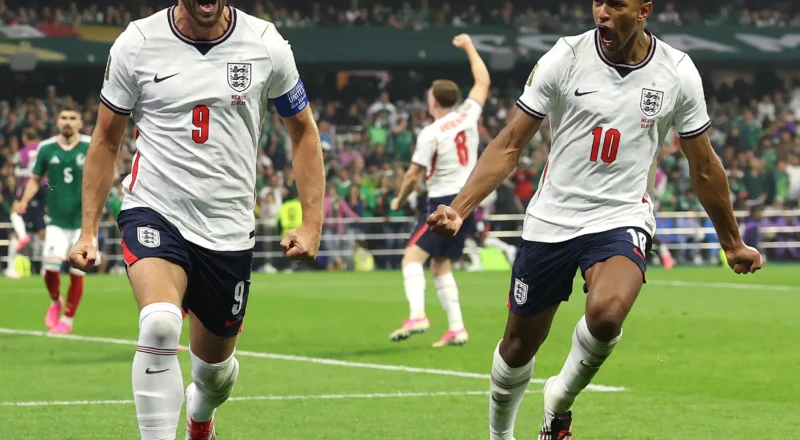
Trump’s previous encounters with the U.S. women’s national team have been contentious. In contrast, the men’s team is celebrated for its diversity and inclusivity, mirroring the broader American landscape. This year’s World Cup has showcased the rich tapestry of nationalities and immigrant achievements, an atmosphere that clashes with Trump’s exclusionary rhetoric.
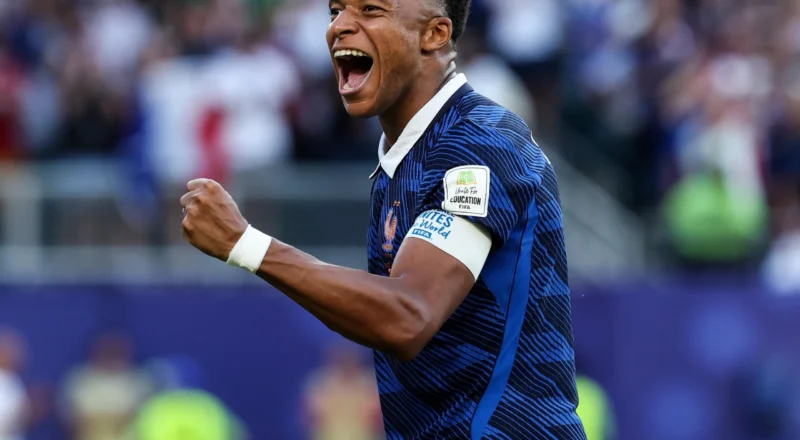
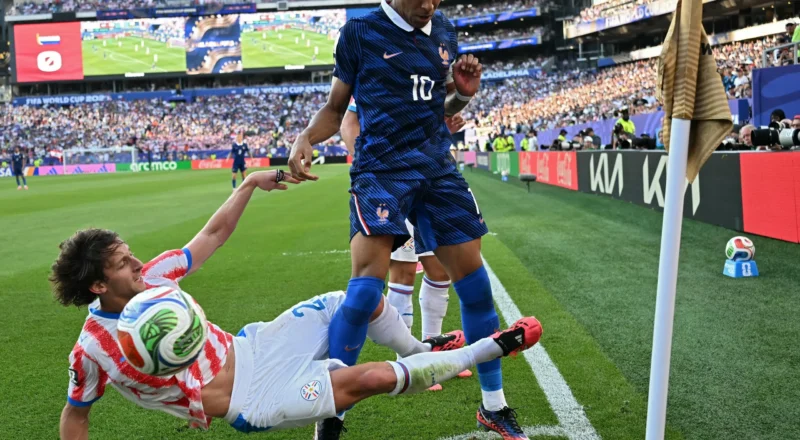
As the tournament advances, the image of a diverse and talented French team competing together stands in stark contrast to Trump’s narrative. It’s clear that he would prefer to avoid such a display.
While few expect that the unity displayed in sports can alter the political landscape, Trump’s absence serves as a strategic retreat, a form of sportswashing in its own right. Perhaps it also reflects a deeper recognition of his unease within the current context of global football.
Ultimately, the football narrative may not offer much insight, but it does signal something about Trump’s current standing and the complexities of modern sport. For now, there’s no rush for his return to the scene.
- World Cup
- World Cup 2026
- Donald Trump
- comment