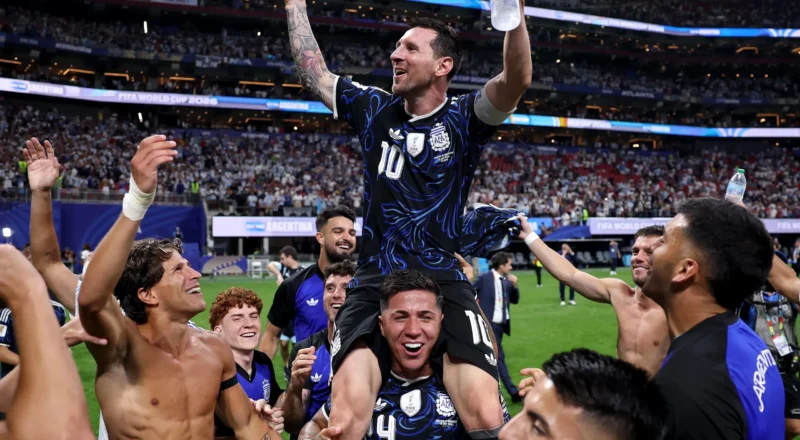


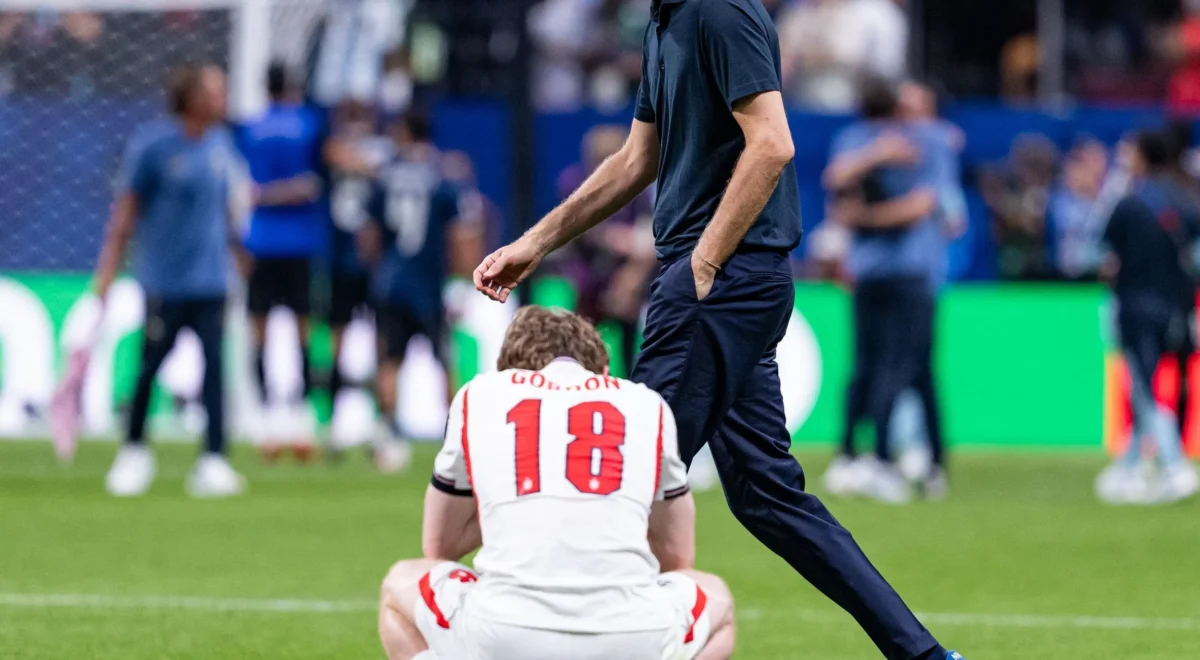
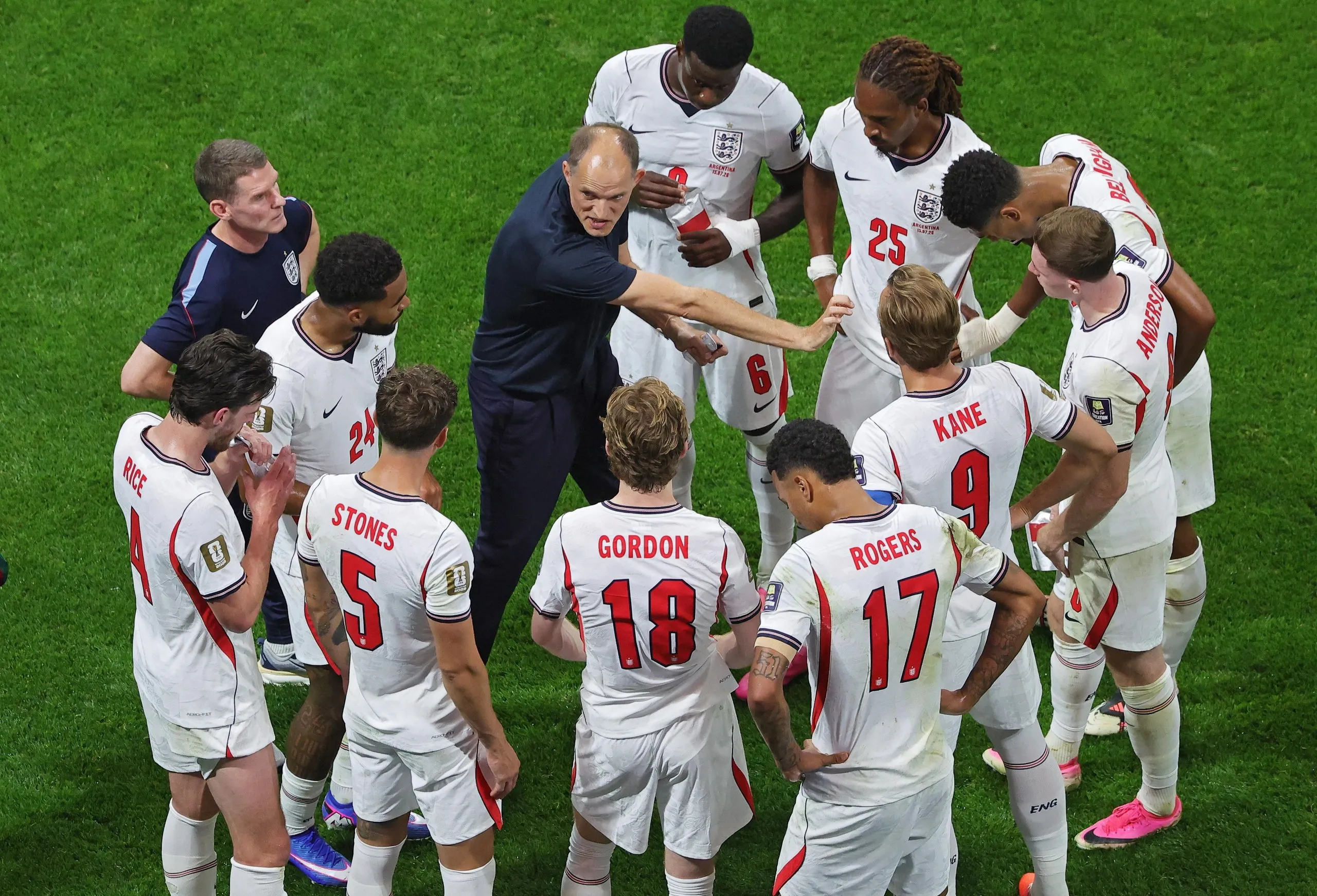
Lionel Messi has faced defensive formations before, and England offered no surprises as they retreated in a pivotal World Cup semifinal. With a spot in the final at stake, England’s cautious approach proved detrimental, allowing Argentina to seize control and execute a decisive comeback in Atlanta.
This match echoed past failures. After Anthony Gordon put England ahead early in the second half, they had an opportunity to maintain pressure but instead reverted to a defensive mindset. Their play lacked aggression, leaving key players like Harry Kane absent from the action. The midfield was outmatched by Argentina’s Alexis Mac Allister and Enzo Fernández, while Thomas Tuchel seemed outmaneuvered by Lionel Scaloni, whose tactical changes proved effective.
Tuchel entered the match with high expectations as a tactical mastermind, the prestigious coach capable of overcoming challenges that had previously stymied England under Gareth Southgate. Up until this point, Tuchel had navigated the tournament successfully, making impactful substitutions that had propelled England into the semifinals. His decision to start Morgan Rogers on the right initially appeared promising.
Rogers assisted in the opening goal in the 55th minute, setting up Gordon for a well-placed shot. However, England’s performance quickly deteriorated. They struggled to mount any further attacks, and their passing became increasingly erratic. Despite their lead, they relied heavily on defensive tactics, resulting in panic-stricken clearances and persistent threats from Argentina.
This tendency to play conservatively against top-tier teams is a familiar narrative for England. Historical losses in major tournaments, including those under Sven-Göran Eriksson and Southgate, often stemmed from an inability to maintain offensive momentum after an early score.
Fans hoped for a different outcome with Tuchel at the helm, recalling his success with Chelsea against Manchester City in the 2021 Champions League final. Known for his dynamic touchline presence and strategic foresight, Tuchel’s ability to manage games effectively had been a cornerstone of England’s journey to the semifinals.
Nevertheless, England’s style remained undefined. They struggled against teams that set up defensively, and Tuchel was unable to orchestrate a cohesive performance in this crucial match.
After Gordon’s goal, the game shifted dramatically, highlighted by a crucial tackle from Djed Spence that denied Giuliano Simeone. For a moment, it seemed England might withstand a potential onslaught. Cristian Romero forced a phenomenal save from Jordan Pickford, while Mac Allister nearly scored from a header that hit the post. England’s intensity waned, mirroring the performance of a lower-league side, managing only 12% possession after taking the lead.
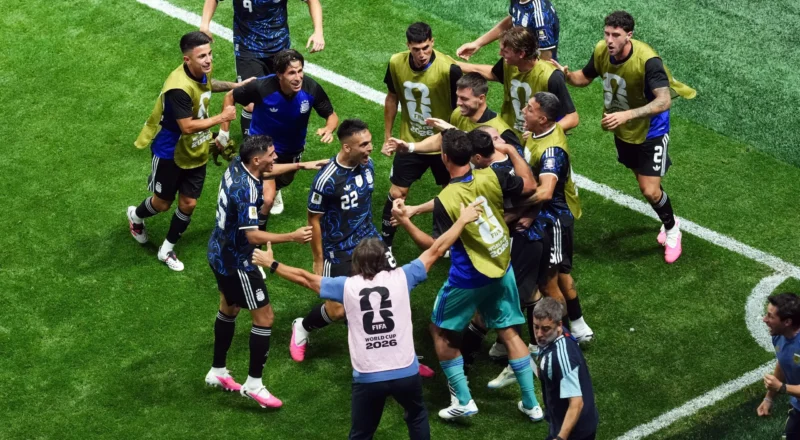
With just one shot on target, England’s advancement to face Spain would have been an injustice. Argentina faced no real threat as they pushed forward, and it was only a matter of time before they equalized, with Fernández scoring from distance unchallenged.
England’s defensive efforts faltered, allowing Argentina to exploit aerial weaknesses. Recognizing the shift in momentum, Scaloni replaced defensive midfielder Leandro Paredes with winger Nicolás González.
Argentina displayed determination, while Tuchel appeared hesitant. His decision to switch to a five-man defense, which had previously secured victories against Mexico and Norway, seemed premature. England’s situation worsened when Gordon, one of their few offensive outlets, was substituted for Ezri Konsa.
Fatigue was evident across the pitch. Players like Reece James and Declan Rice struggled after returning from illness. Instead of fortifying the attack, Tuchel continued to make defensive substitutions. Nico O’Reilly joined Rogers and Elliot Anderson in midfield, leading to a situation where Dan Burn was tasked with marking Messi, a clear indication of the team’s troubles.
Tuchel’s choices invited criticism reminiscent of what Southgate and Eriksson faced in their tenures. By prioritizing defense, he effectively stifled England’s offensive potential. He could have bolstered the attack with fresh legs from Bukayo Saka, Marcus Rashford, Eberechi Eze, or Noni Madueke, especially when Argentina’s center-backs were on yellow cards.
Midfield selections will also come under scrutiny. Kobbie Mainoo, an agile player, did not see any minutes, while Jordan Henderson’s injury limited his contributions. Tuchel’s lack of replacements for tired players like Anderson and Rice raised questions about his decision-making.
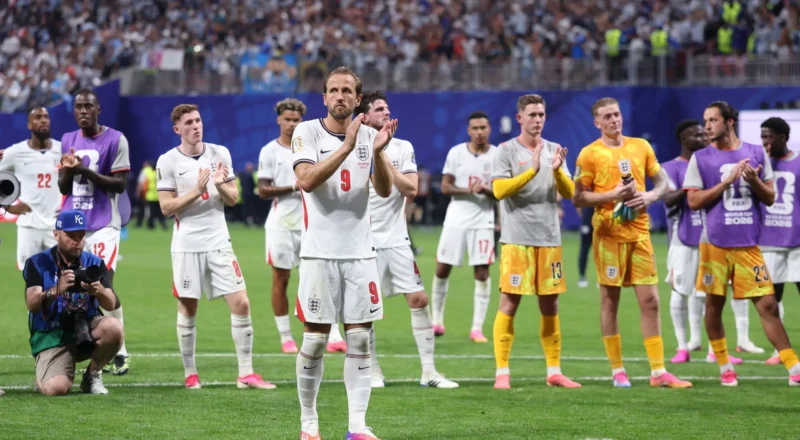
Ultimately, England was left to face the consequences of their approach. Bellingham attempted to push forward at 1-1 but was quickly surrounded by four Argentine defenders. Extra time was never in the cards as Mac Allister hit the post again, and Lautaro Martínez, an impactful substitute, scored the decisive goal.
In the dying moments, England resorted to sending long balls toward Burn and Ivan Toney, but with Emi Martínez claiming a cross and feigning injury, it was clear he had been largely untested since England’s goal.
- World Cup 2026
- Thomas Tuchel
- England
- Argentina
- World Cup
- analysis