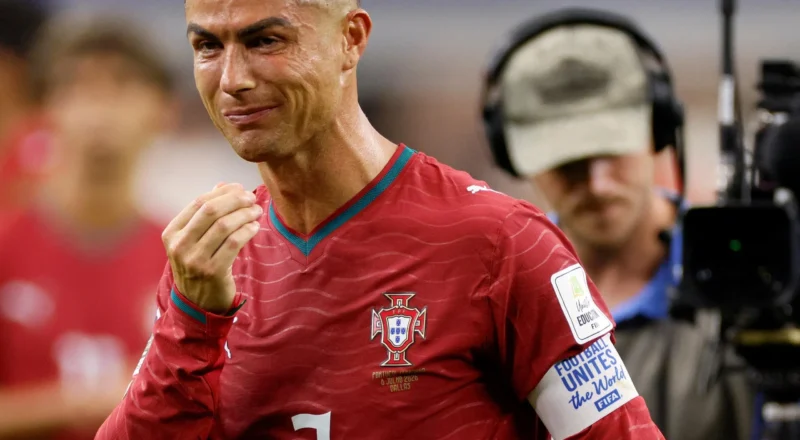


In the final moments of the United States’ 3-2 victory over Portugal during the 2002 World Cup, ESPN commentator Jack Edwards took a moment to emphasize the significance of the moment for viewers who had stayed up late. From his vantage point in Suwon, South Korea, where he was witnessing the opening match of a campaign that would culminate in a quarter-final appearance—a peak for the modern US men’s national team—Edwards delivered a heartfelt commentary that underscored the profound impact of World Cups not only for the team but for soccer’s role in American culture.
“The players on that 1950 team that beat England … this [result] is about the foundation that they laid,” Edwards passionately declared as dawn approached on the East Coast. “This is about the thousands of American families who have helped this sport grow, and the people in those pockets all over the country who have stuck with soccer. And it’s also for those seven- or eight- or nine-year-old kids, who are going to hear about this result when they wake up in the morning and rush outside, and knock a ball against a wall, and dream of something even greater than this.”
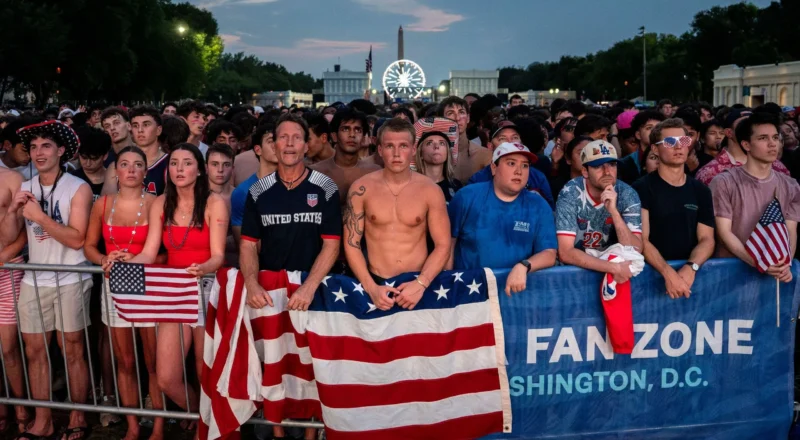
Edwards’ words resonated with me frequently during the United States’ journey in this year’s World Cup. They echoed in my mind as I saw the streets filled with red, white, and blue on match days across the West Coast. It was a refrain that played on repeat every time impressive television ratings were reported. I thought of it each time I spotted groups of children—aged seven, eight, or nine—accompanied by their parents at practice venues, eager for autographs or simply a glimpse of their sporting idols.
Each time, I pondered: When will that inspirational moment arrive for these young fans? Who will be the one to inspire them? What will that moment feel like, look like, or sound like? I had not fully considered the ramifications if the opposite occurred.
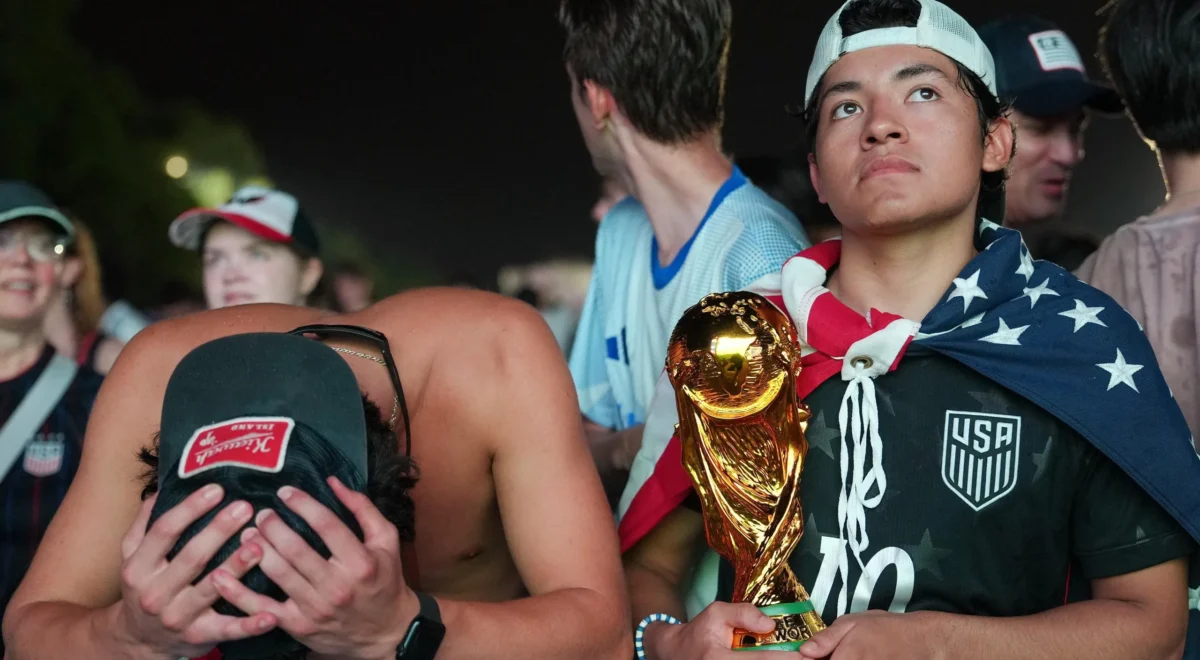
What might those children think about the US performance during their disheartening 4-1 loss to Belgium? How were the soccer fans trying to explain this debacle to their friends who had finally decided to join them for a match, believing this was the landmark event they had been waiting for? What must the families Edwards mentioned have felt? One moment they were buoyed by a sense of being on the brink of something significant, hopeful that their commitment to the sport would finally yield mainstream acceptance.
What inspiration could be drawn from the team’s disjointed offensive plays, missed defensive assignments, and overall lack of composure during crucial moments? What were they to think of the striking contrast between their performance and that of a skilled Belgian team? What about the reactions of fans and analysts from other nations, reveling in the demise of the US team?
While we await the official viewership figures from Monday’s match, it’s noteworthy that the previous US record for a soccer broadcast was shattered last week during a weekday primetime slot, reaching approximately 31 million viewers. At the very least, millions—likely tens of millions—were tuning in for what was their first experience with the US men’s national team. Unfortunately, their initial impression was of a team that struggled to meet the moment.
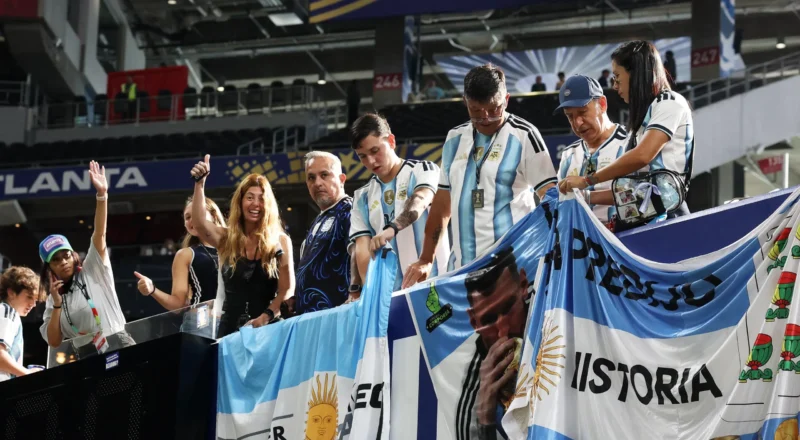
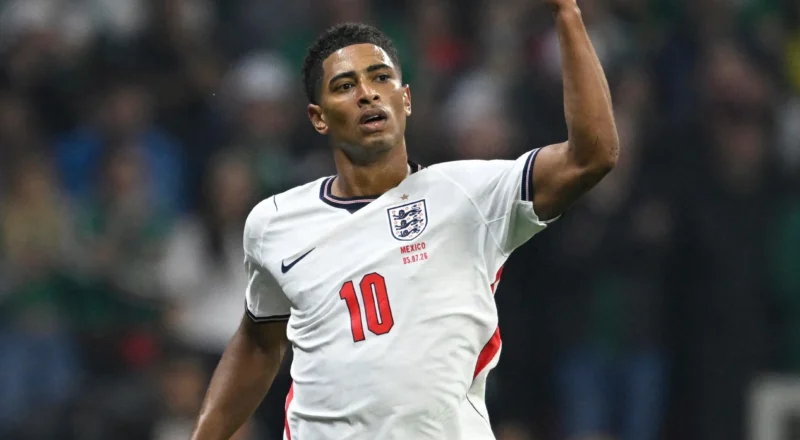
These viewers were not the long-standing supporters of the game that Edwards had alluded to. However, they would have understood what it means for a team to compete head-to-head against top-tier opponents. They would have seen that in Mexico’s tenacity against England, or in Cape Verde’s valiant effort against Argentina, and in the United States’ earlier World Cup matches—the exhilarating 4-1 triumph over Paraguay and the efficient 2-0 win against Bosnia and Herzegovina in the round of 32.
The 2026 World Cup was intended to mark a new era for the US men’s national team. Yet, the illusion of this tournament may be that, for a fleeting couple of weeks, we all believed it represented a turning point. Instead, we find ourselves back at square one: performing well against teams we are expected to defeat, yet still waiting for that pivotal breakthrough against more formidable opponents.
There will undoubtedly be extensive analysis and commentary dedicated to the reasons behind the US team’s shortcomings on Monday night. However, I am not convinced that any of that will truly matter. What I am left with is a belief, both unshakeable and daunting: the US has squandered the most significant opportunity for growth in the history of American soccer.
What occurs when a new generation of potential fans—the vibrant promise of a once-in-a-lifetime home World Cup—are met with something far worse than disappointment: sheer inadequacy?
We may soon discover the answer.