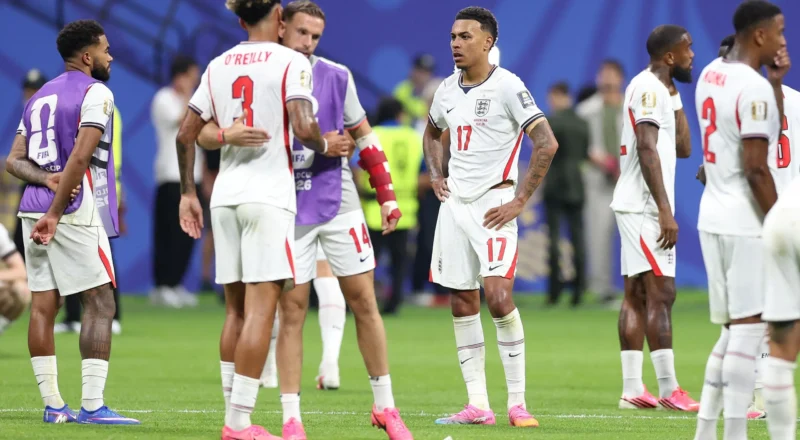


The analysis following England’s departure from the World Cup revealed insightful comments from Thomas Tuchel regarding Argentina’s late-game resilience. He emphasized the importance of possession within Argentine culture, stating, “In their culture, ball possession plays a crucial role. It starts from a young age,”
He continued, “That is in the DNA and it demands a lot of self-confidence – natural self‑confidence to always want the ball, to always be in the gaps, to always define yourself through the ball. I think that is a crucial thing: to show courage.”
This observation wasn’t aimed at criticizing his players; however, it underscored a recurring issue for England, which has struggled to maintain leads dating back to the 2002 World Cup, when they failed to hold on against Brazil.
Despite the Football Association’s initiatives to cultivate players who can “intelligently dominate possession” as articulated in the “England teams sense changing moments in the game both in and out of possession, reacting instinctively and intelligently,” established at St George’s Park in December 2014, there remains a deficit of elite central midfielders equipped with the necessary technical abilities to secure victories in high-stakes matches.
Tuchel’s parting thoughts on the tournament will likely center on the staggering statistic that England controlled only 12% of possession from the moment Anthony Gordon scored in the 55th minute until Lautaro Martínez netted the winner in stoppage time. Furthermore, of the 39 attempts at passing during that span, 12 originated from goalkeeper Jordan Pickford, with a mere five taking place in Argentina’s half.
This data suggests a troubling trend; England lacked the forward momentum to challenge a defense that included a 38-year-old Nicolás Otamendi in the closing minutes, ultimately failing to cope with Argentina’s high press and relinquishing possession easily.
According to the DNA philosophy authored by Dan Ashworth, then the FA’s director of elite development, “building the long-term systems that underpin the FA’s performance ambitions” Ashworth returned to St George’s Park in May after a stint at Manchester United, where he had departed the FA for Brighton in 2019 before moving to Newcastle.
Upon his return, Ashworth’s role as chief football officer involved overseeing the rejuvenation of the National Football Centre and establishing systems to support the FA’s performance goals, with an emphasis on fostering a fearless style of play.
Emiliano Martínez, the Argentina goalkeeper, criticized England’s approach.
“We felt them going backwards and backwards rather than going forward,”
Although the English academy system has garnered admiration worldwide due to the resources available to Premier League clubs, it still struggles to generate technically adept players capable of controlling matches from midfield. Nevertheless, there are indications of a shift in this trend.
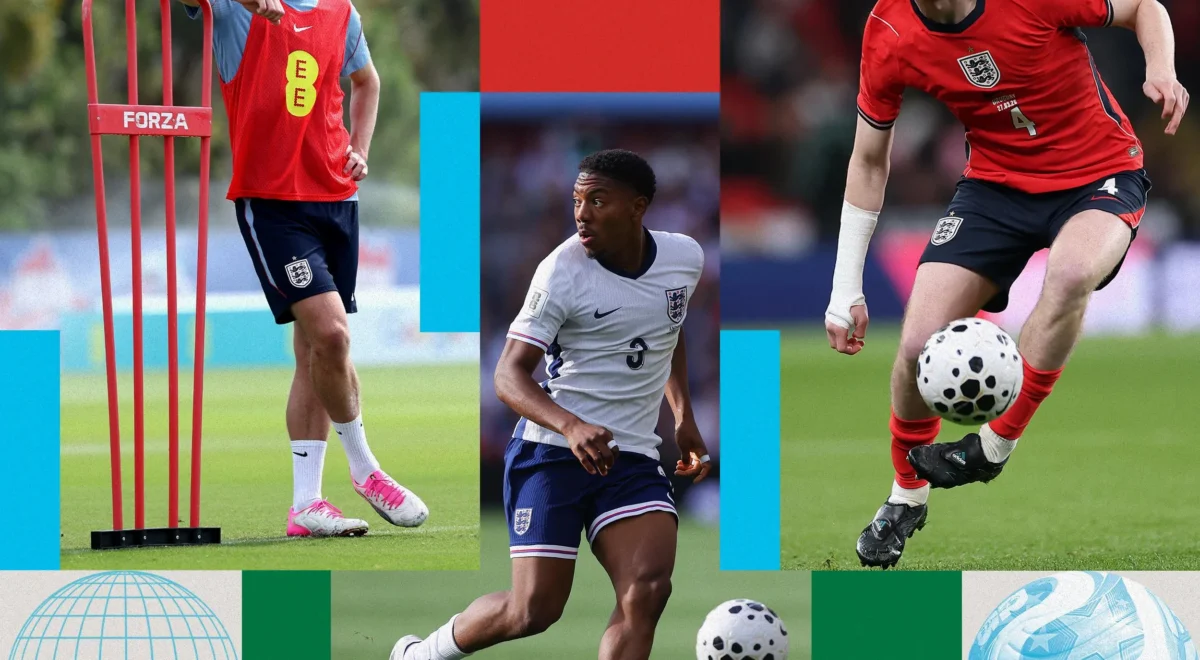
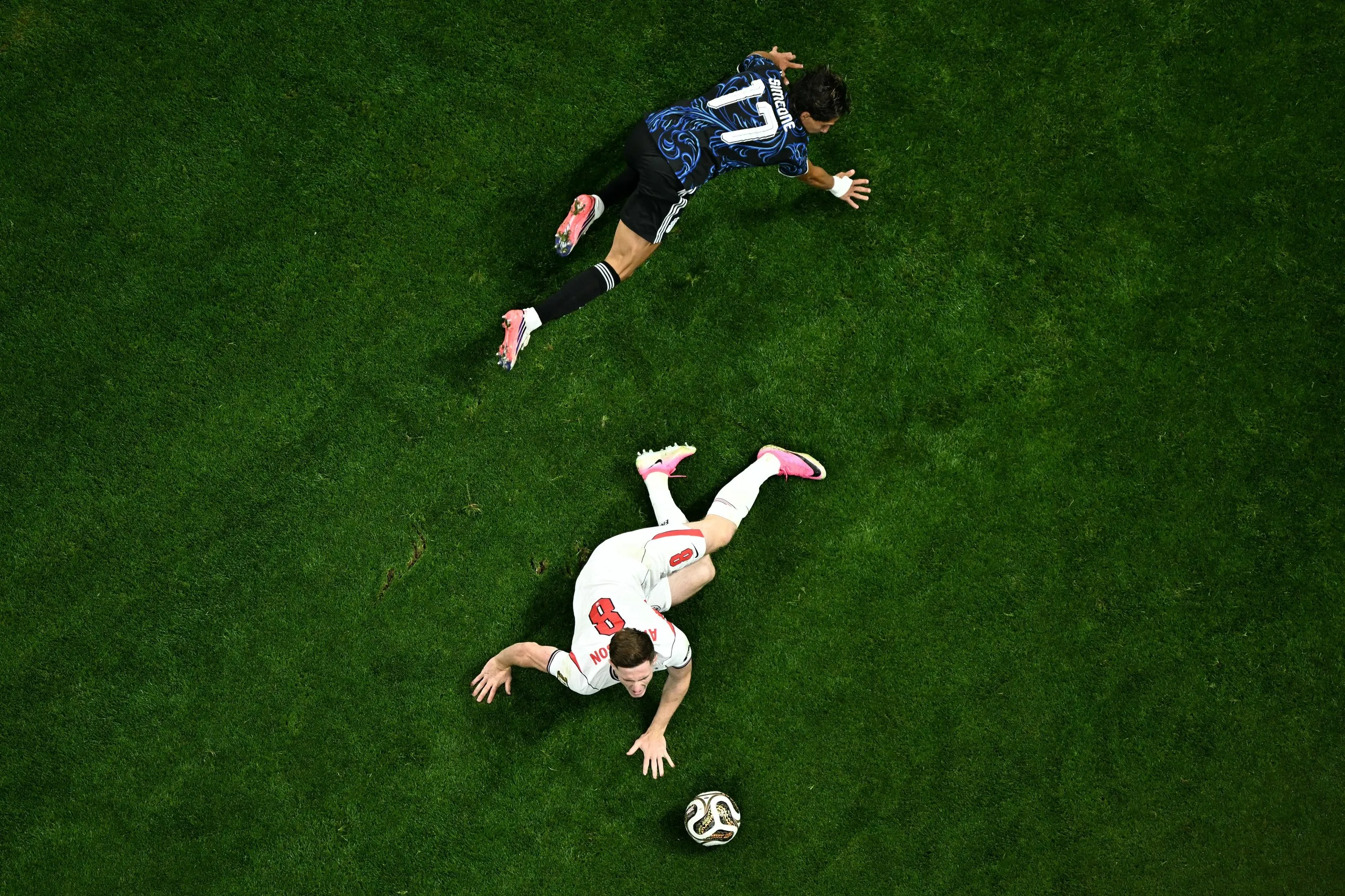
Elliot Anderson has risen to prominence as a first-choice player for England over the past year, while Manchester City’s £116m summer acquisition leads a promising cadre of midfielders potentially ready to compete at the European Championship on home turf in two years.
Manchester United fans remain perplexed by Kobbie Mainoo’s limited playing time, as his skill set was pivotal in their resurgence under Michael Carrick last season. Mainoo’s role alongside Jordan Henderson as backups to Anderson and Declan Rice left no room for either Bournemouth’s Alex Scott or Arsenal’s Myles Lewis-Skelly.
It can be argued that Scott and Lewis-Skelly were among the top-performing midfielders in the league during the season’s final month. Scott, who formed a successful partnership with Anderson at last summer’s European Under-21 Championship, notably impressed during Bournemouth’s crucial matches against Arsenal and Manchester City in the title race.
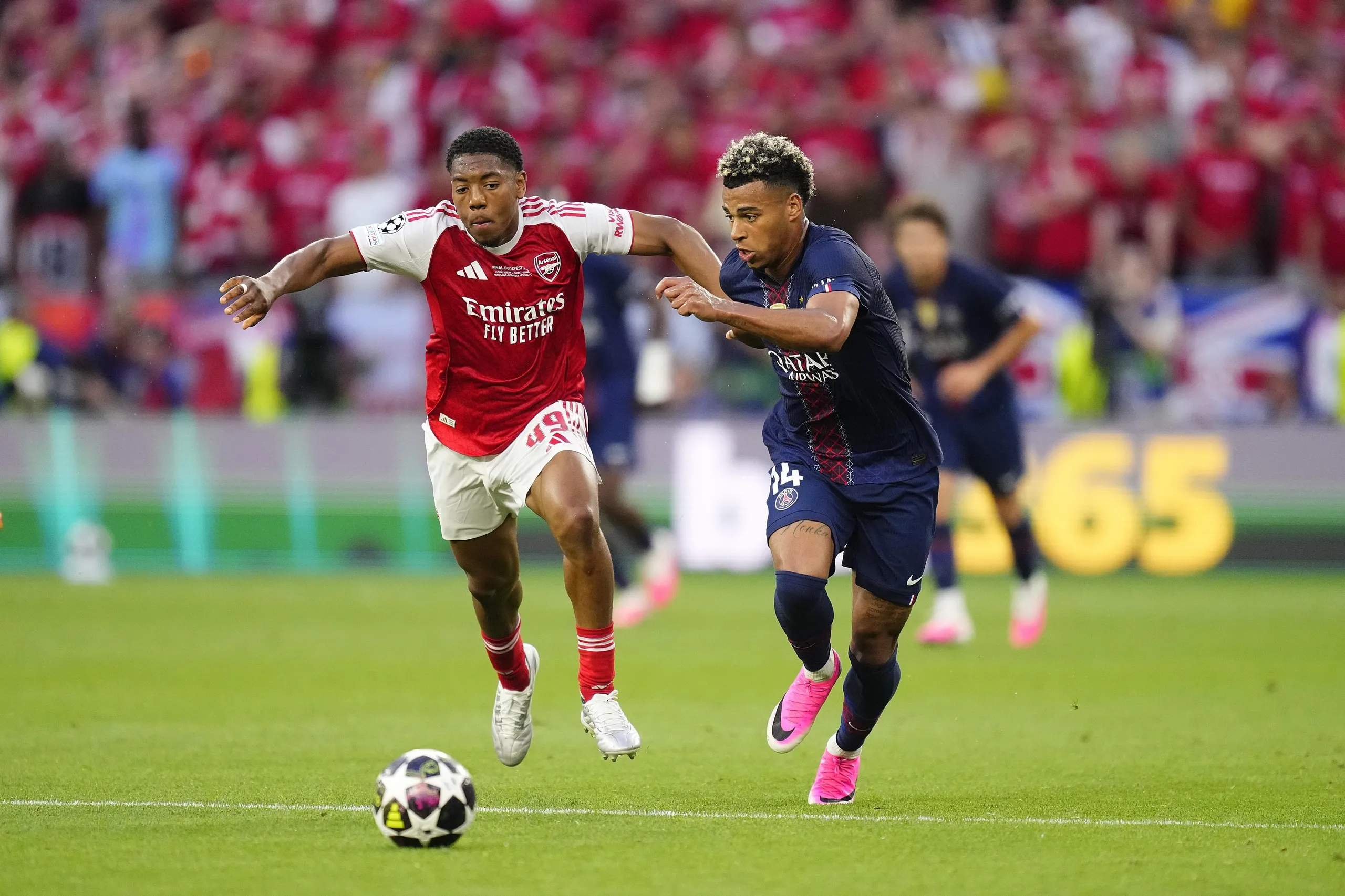
Lewis-Skelly’s prospects for World Cup selection appeared dim after losing his position as England’s first-choice left-back. However, after re-emerging as a dynamic midfielder who outperformed Spain’s Martín Zubimendi for Arsenal, he showcased the very “Sometimes when you are winning, you have to go forward anyway. You can’t change the gameplan.” that Tuchel values.
Both players seem poised to play significant roles for England, though the inclusion of Mainoo or Adam Wharton remains uncertain.
Like Anderson, Scott, and Angel Gomes – who received an unexpected call-up from Lee Carsley in 2024 – Wharton transitioned from a No 10 role to a deeper position. Despite Tuchel’s apparent distrust of the Crystal Palace midfielder, Wharton possesses the passing range and defensive unlocking abilities along with an innate confidence and flair on the ball.
As Ashworth and others engage in another round of introspection, the solutions to England’s challenges may already be on the horizon.
- England
- World Cup 2026
- World Cup
- features